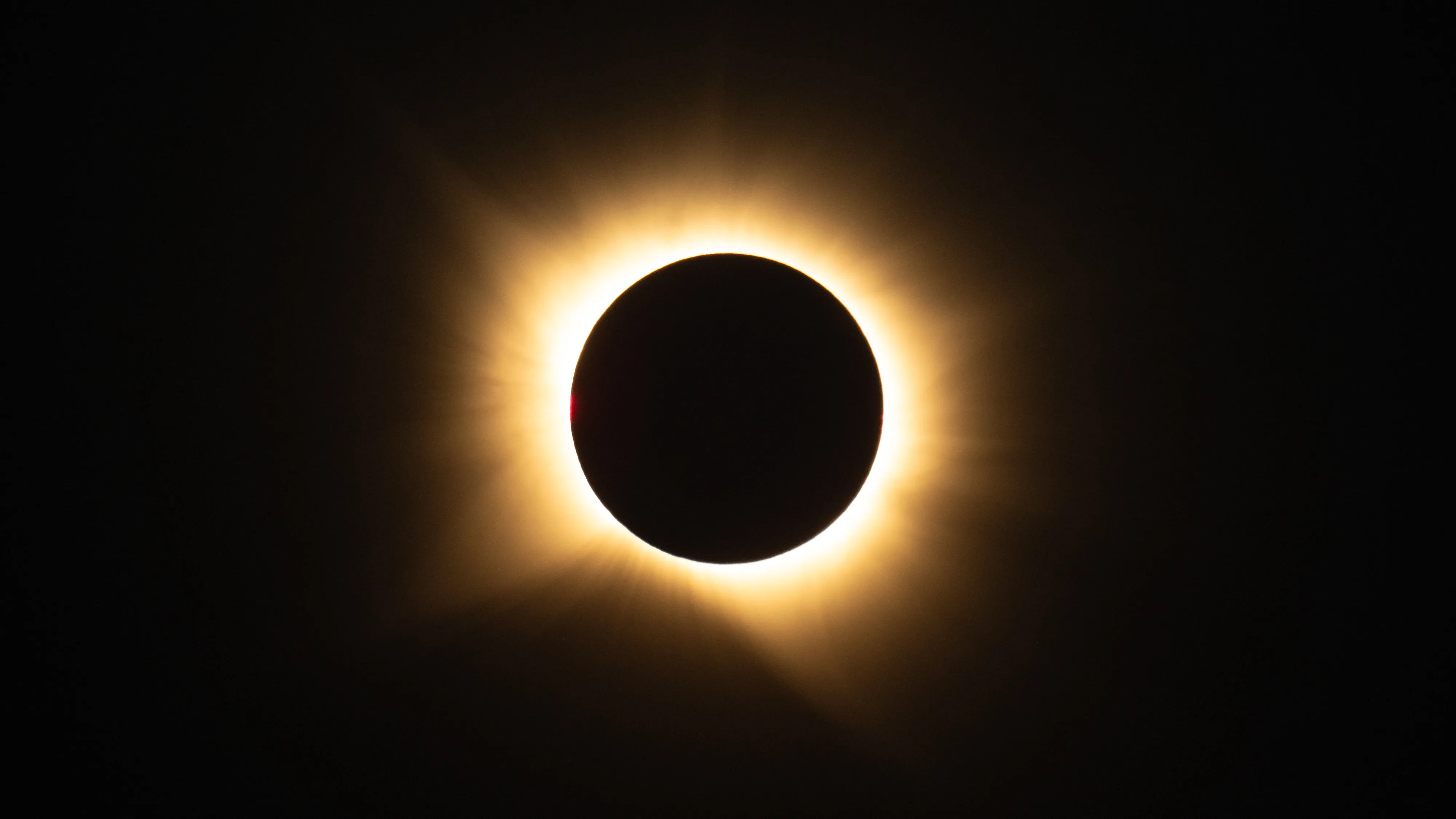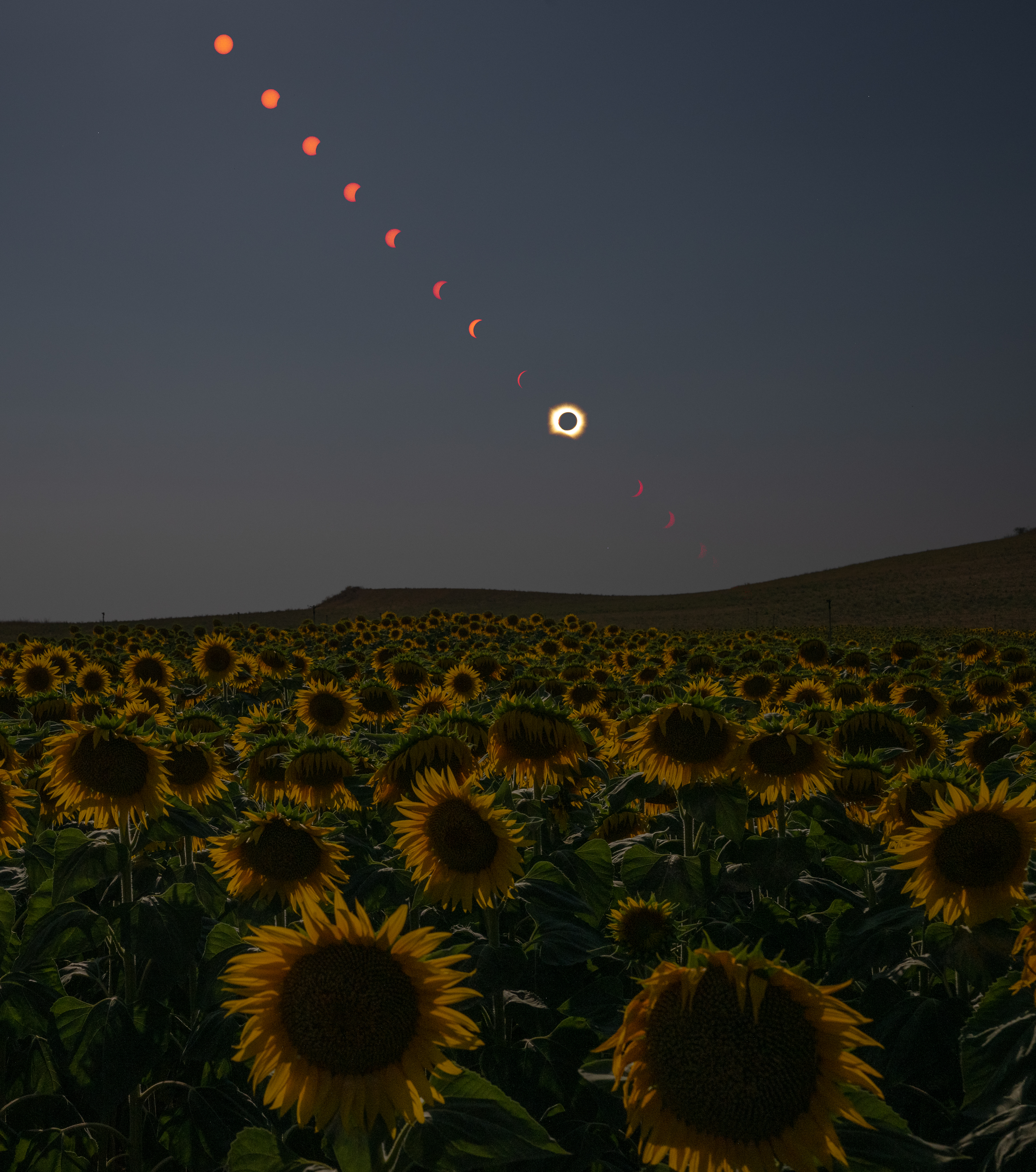
NASA releases composite image of total solar eclipse over Spain
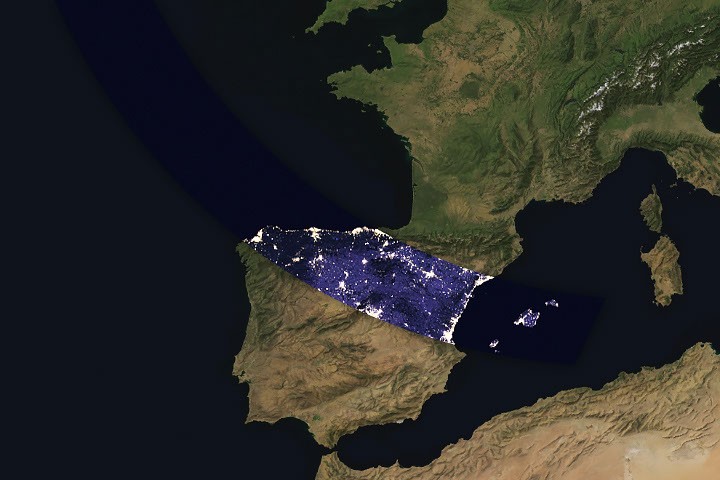
The agency’s latest release shows the path of totality sweeping from Greenland through Spain, with partial views visible across North America and Africa.
Research, discovery, space, energy systems, and the breakthroughs redrawing what is possible.

The agency’s latest release shows the path of totality sweeping from Greenland through Spain, with partial views visible across North America and Africa.
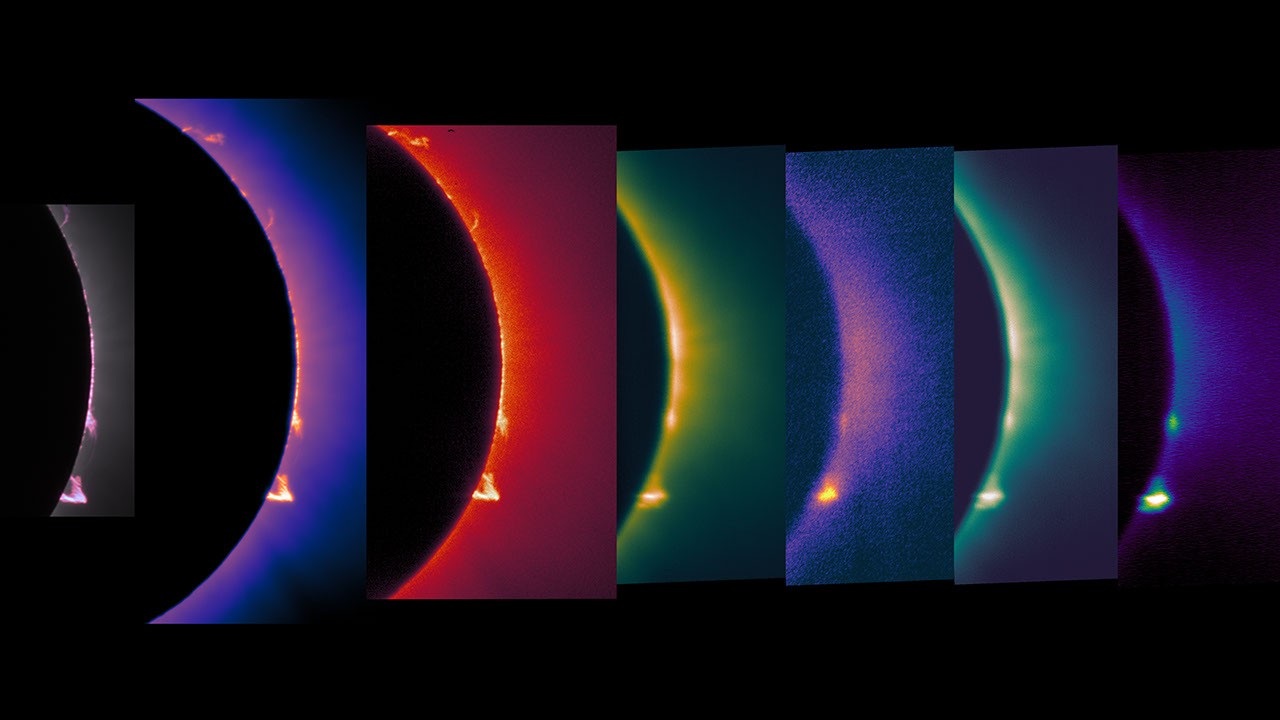
A composite image taken in San Millán de los Caballeros reveals a solar prominence during the August 12 event, while NASA instruments track atmospheric shifts from Iceland and the ground.
The photograph, published by NASA’s Astronomy Picture of the Day service on 14 August 2026, shows the total solar eclipse of 12 August 2026 as it traversed the Arctic and Europe.
The United States Air Force transferred ownership to NASA’s Armstrong Flight Research Centre in June, with flights to be conducted at Johnson Space Centre in Houston.

A systems engineer from Grafton has been converted to civil service status, joining 48 colleagues in a workforce directive aimed at strengthening long-term mission assurance capabilities.

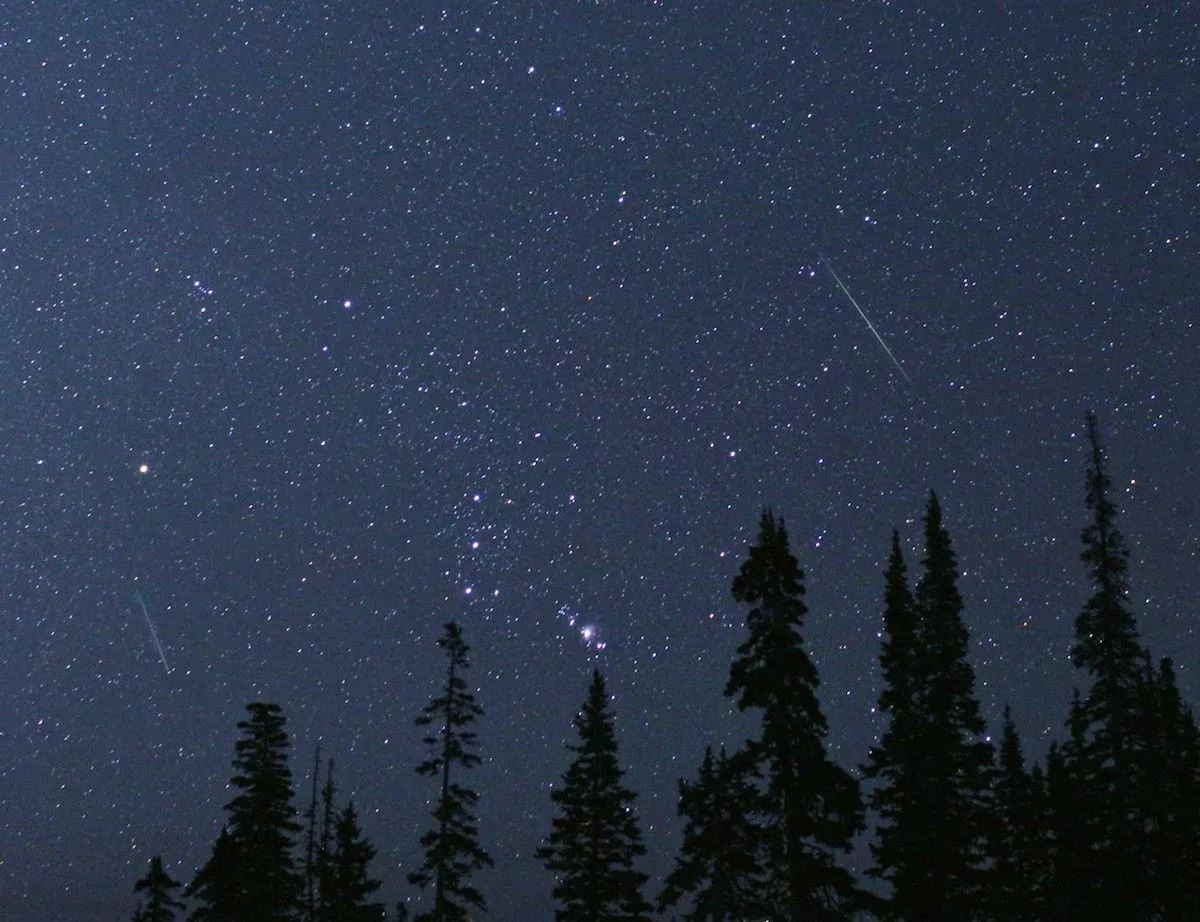
The Perseids, one of the year’s most prominent meteor showers, hit its peak on the night of 12 August into the early hours of 13 August 2026, with activity continuing through the end of the month.

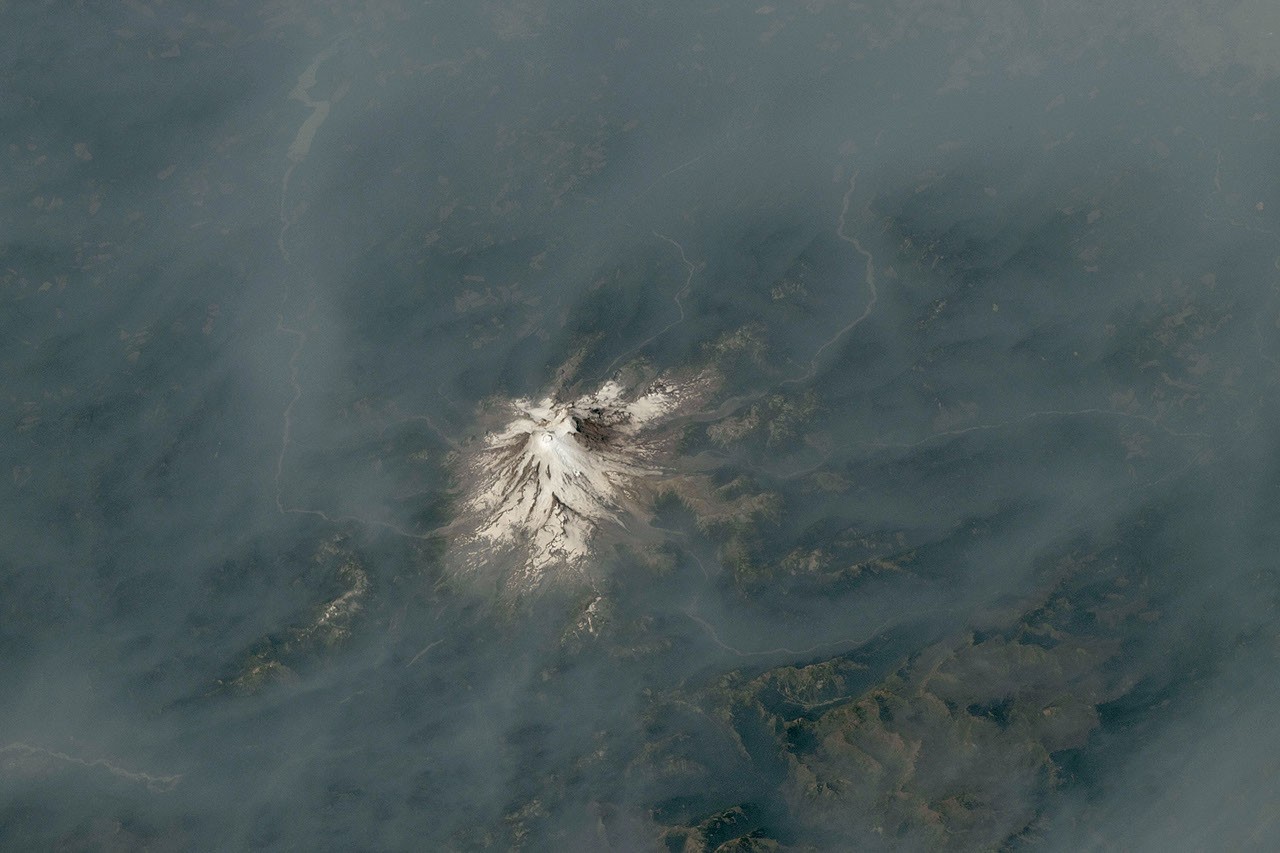
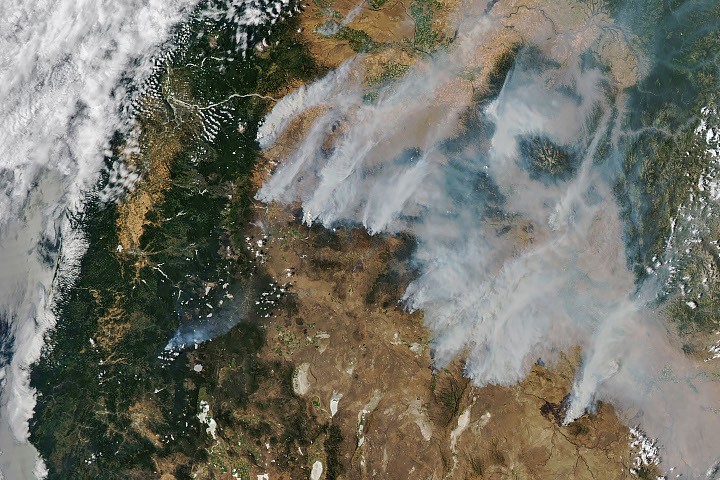
The Grasshopper fire near Mount Hood has burned nearly 84,000 acres, prompting evacuations in Oregon, while smoke from distant blazes degrades air quality at Mount Rainier in Washington.

The Astronomy Picture of the Day showcases a photograph by Ruiyu Zhang, capturing the celestial event over the Cathedral-Basilica of Our Lady of the Pillar and the Ebro River.

New computer models help commercial entities navigate the challenges of in-situ resource utilisation, though the exact location of water ice remains uncertain.

The Moon passed between the Sun and Earth on Wednesday, plunging parts of Greenland, Iceland, northern Russia, the Atlantic, Spain, and Portugal into darkness, while partial views were seen across the Americas and Europe.

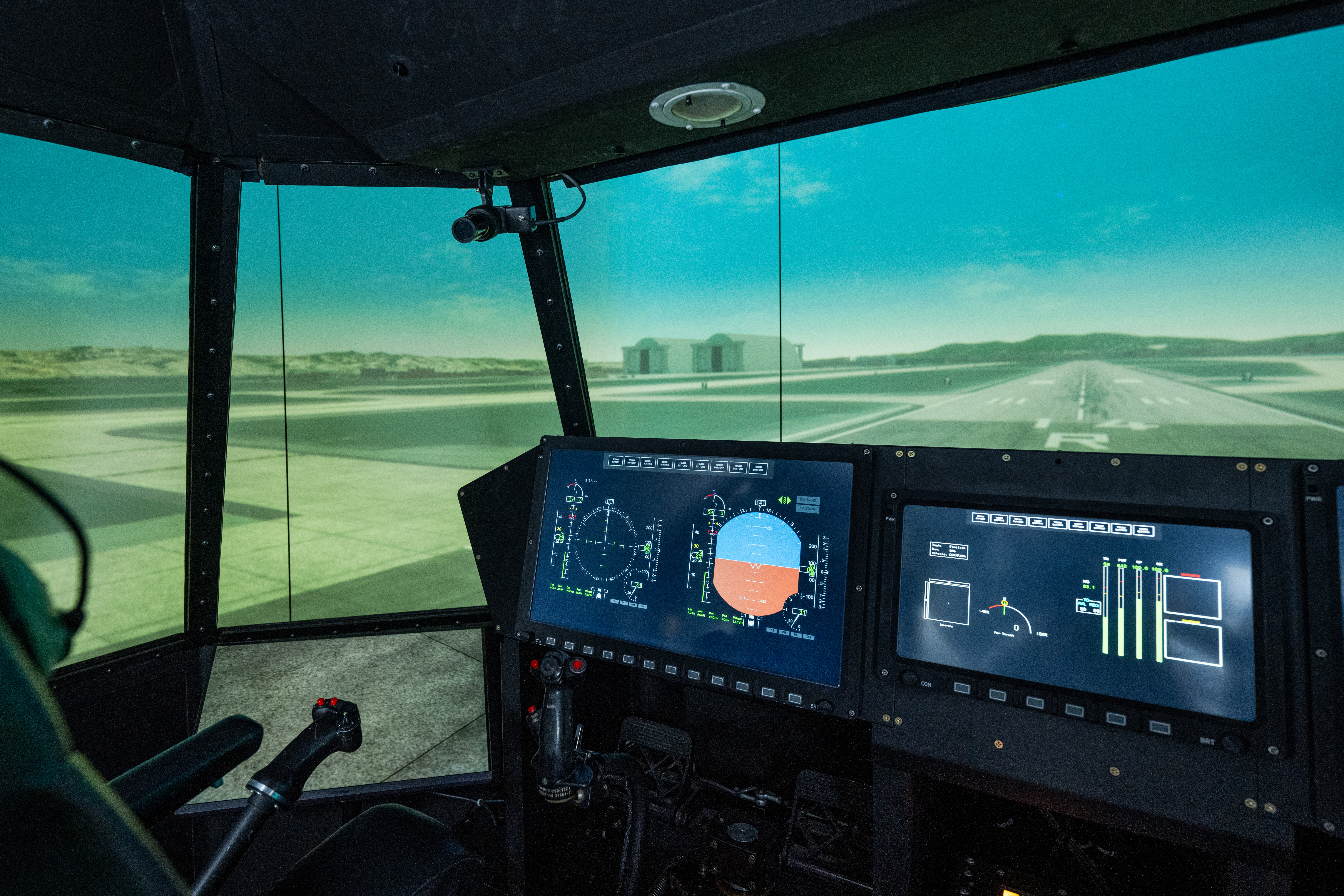
The world’s largest motion simulator has been modernised to support more aggressive mission tasks, including testing lunar landers and air taxis, with configuration time cut in half.

After a career spanning defence contracting and small satellite work, Waitt transitions to a core NASA role at Kennedy Space Center, joining the team for Artemis II and III.

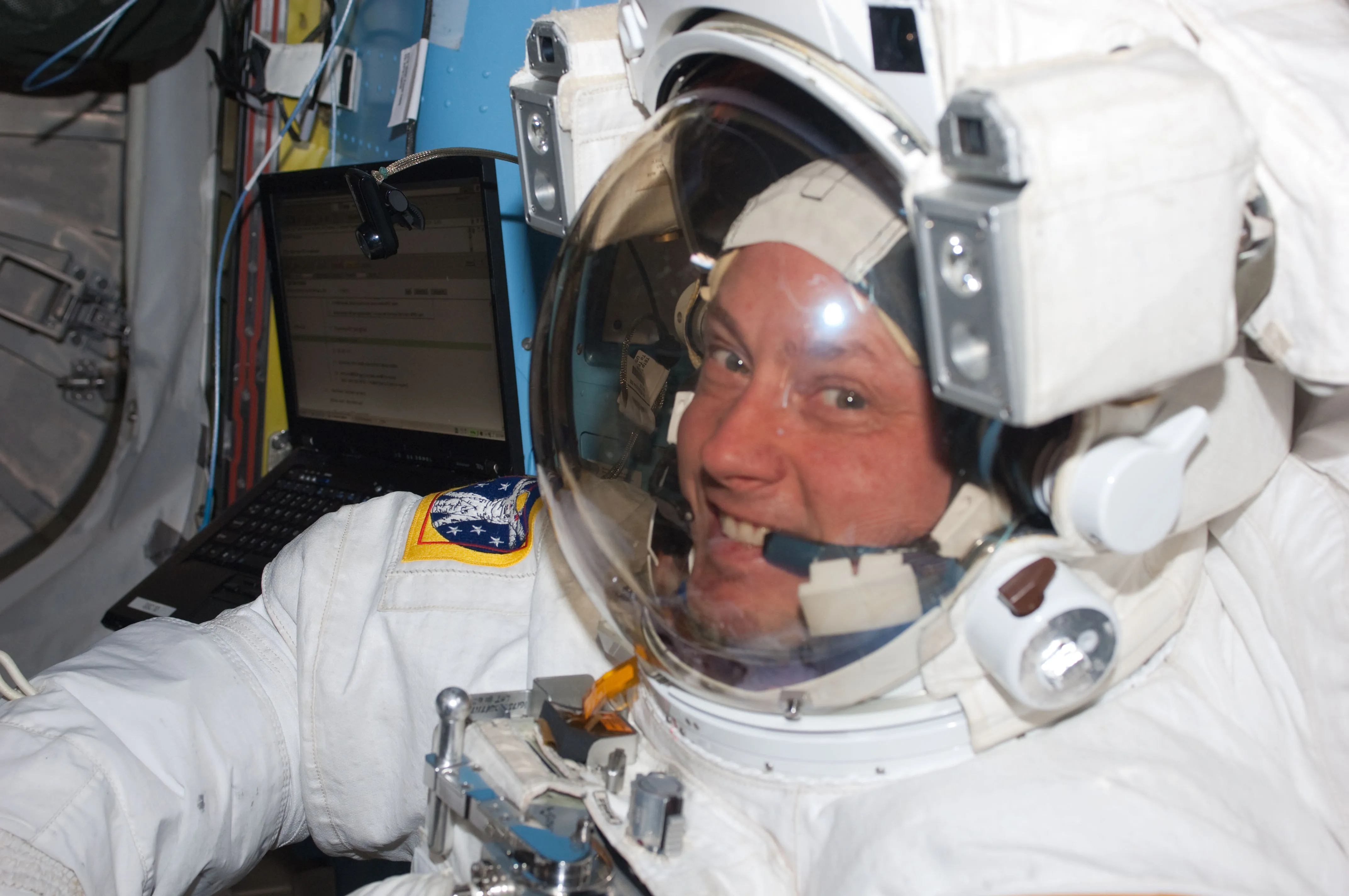
The veteran astronaut leaves behind a legacy of 549 days in space, nine spacewalks, and pivotal roles in both the Space Shuttle and Commercial Crew programs.

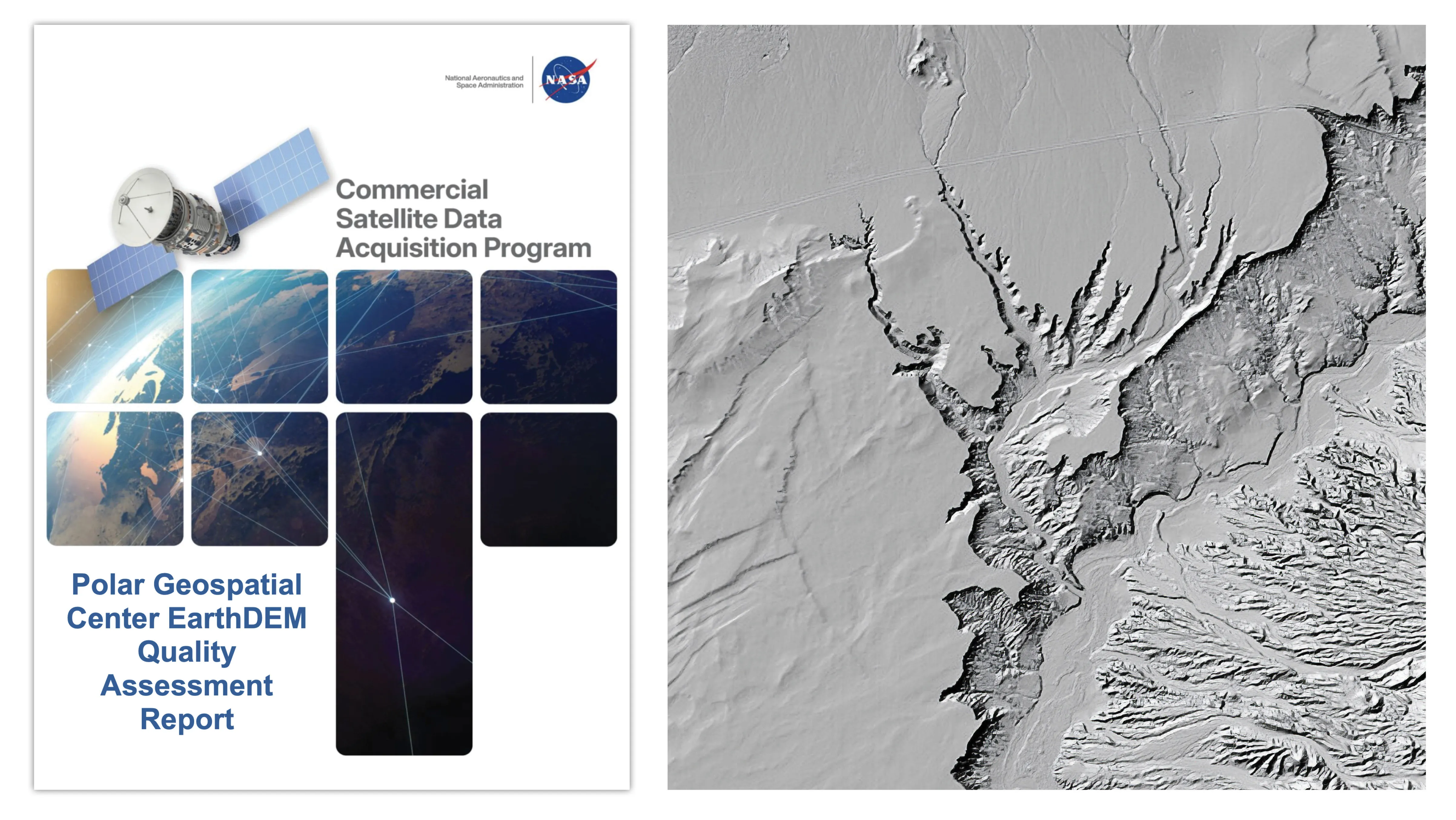
NASA’s Commercial Satellite Data Acquisition program has released an evaluation of the Polar Geospatial Center’s EarthDEM digital surface models, confirming excellent horizontal accuracy but noting that vertical measurements exceed specified error margins.

The Moon’s shadow will traverse the Arctic Circle, cross northern Russia and eastern Greenland, and reach Iceland around 17:45 Universal Time, before moving across the North Atlantic to northern Spain.

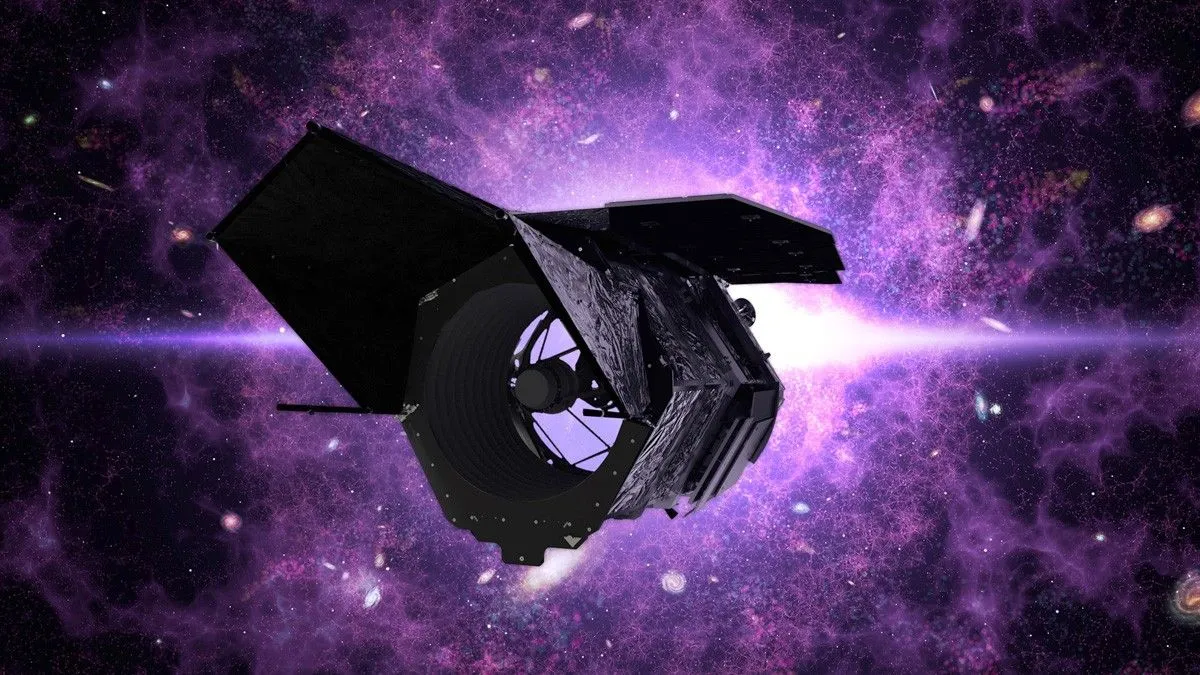
Scheduled for liftoff on 30 August 2026, the mission aims to investigate dark energy, dark matter, and exoplanets using the most powerful coronagraph ever flown in space.

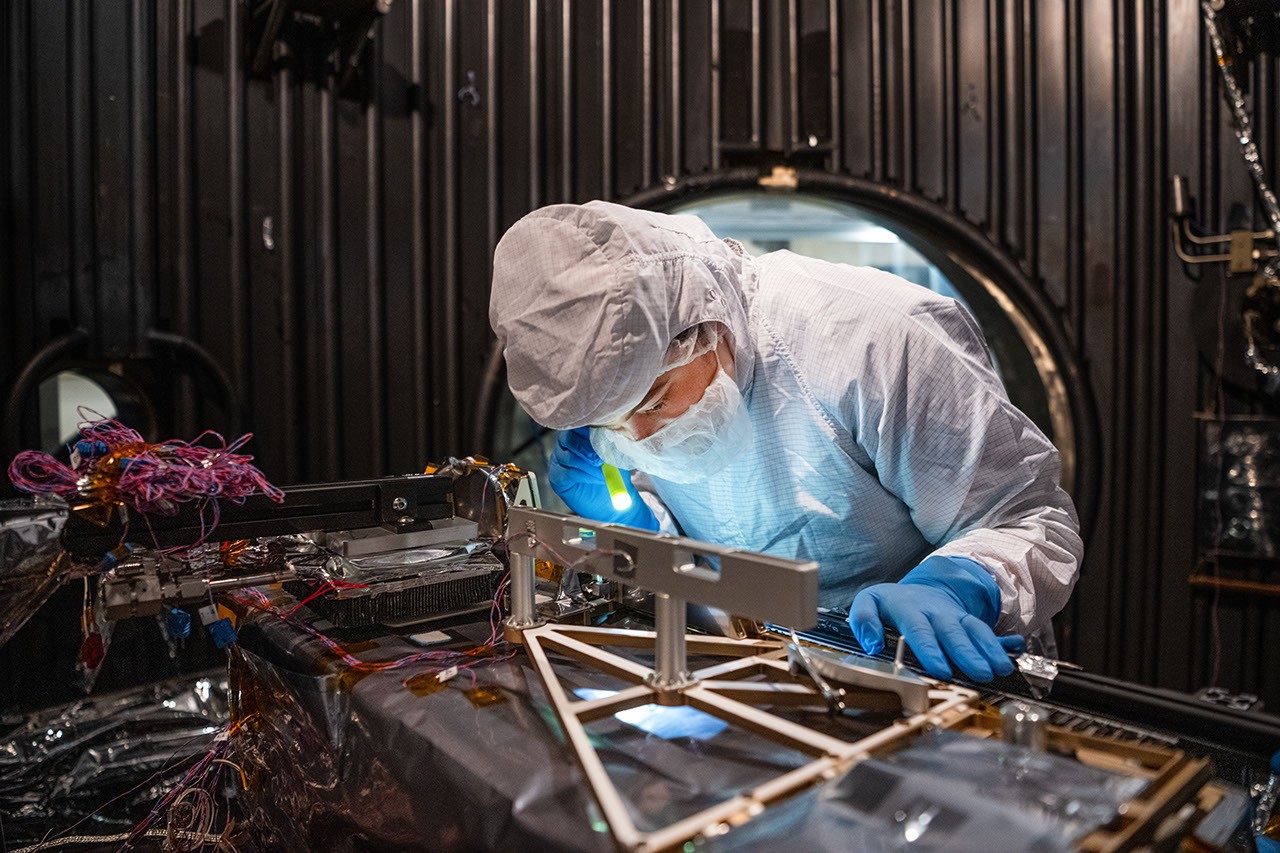
The suitcase-sized payload, led by the University of Maryland Baltimore County, features advanced insulation to survive extreme cold without radioisotope heaters.

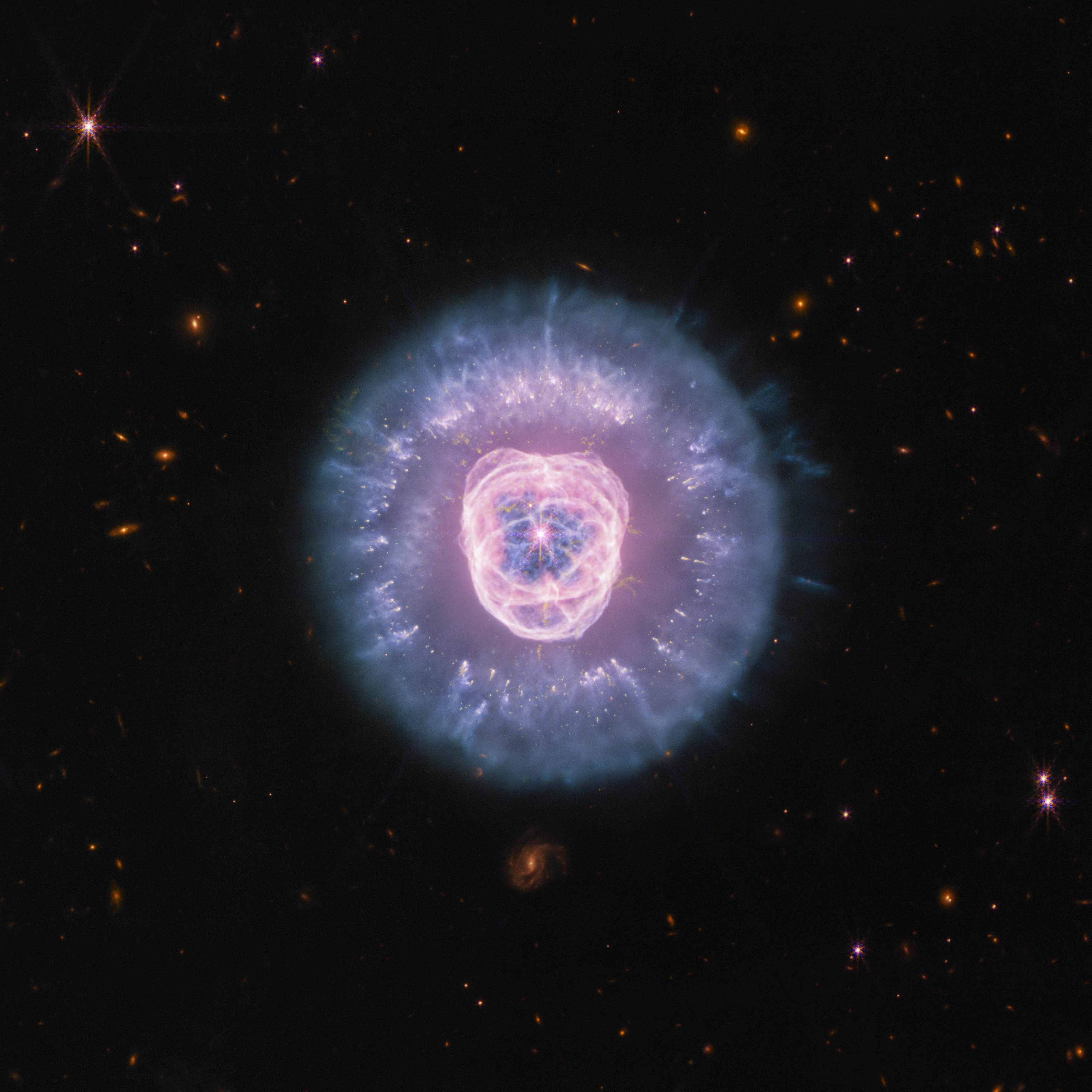
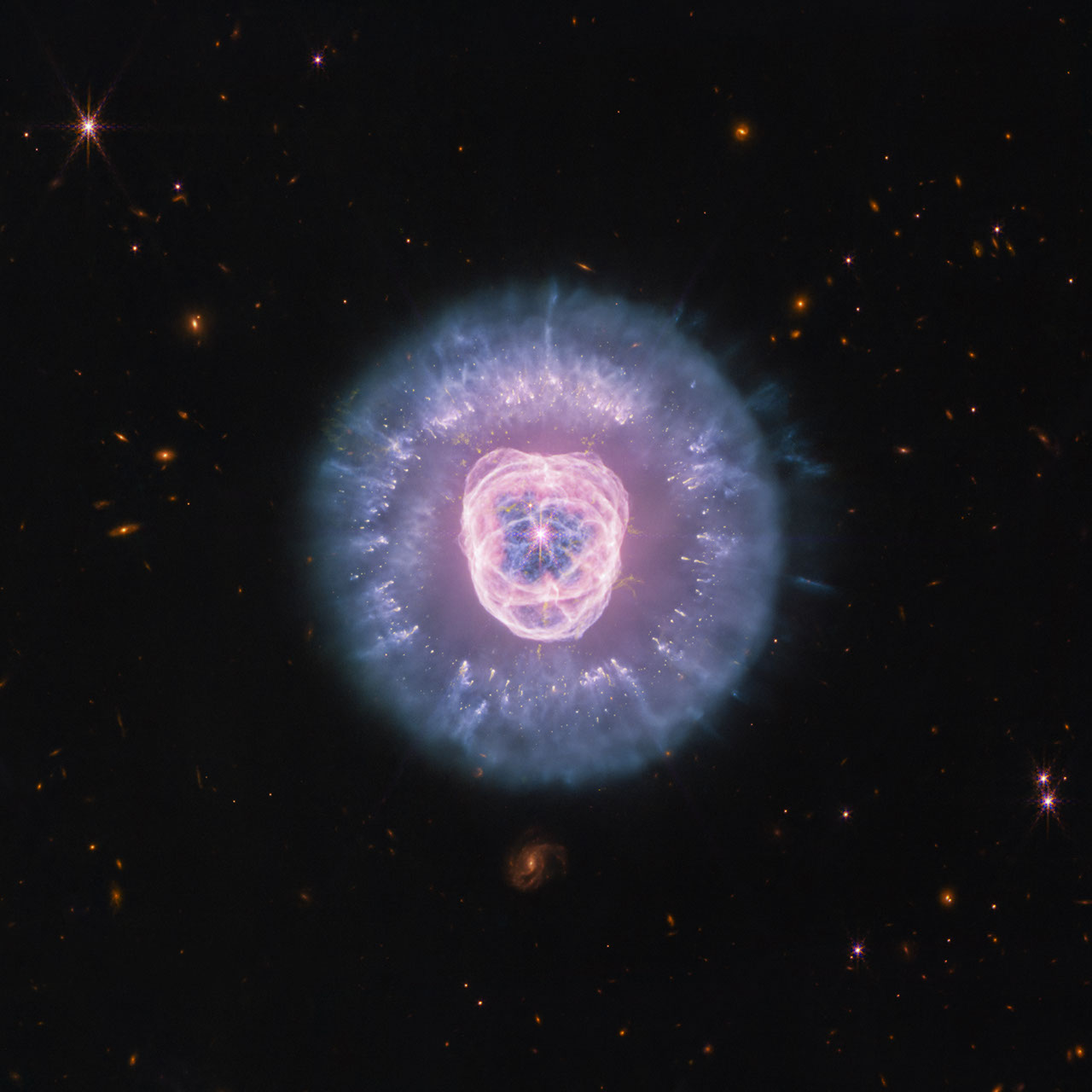
NASA’s James Webb Space Telescope has released fresh observations of NGC 2392, offering a clearer view of the planetary nebula’s remains than previous Hubble Space Telescope data from 2000.

New research led by The Ohio State University suggests gas leakage, mixing, and conduction account for less X-ray-emitting gas than previously expected.

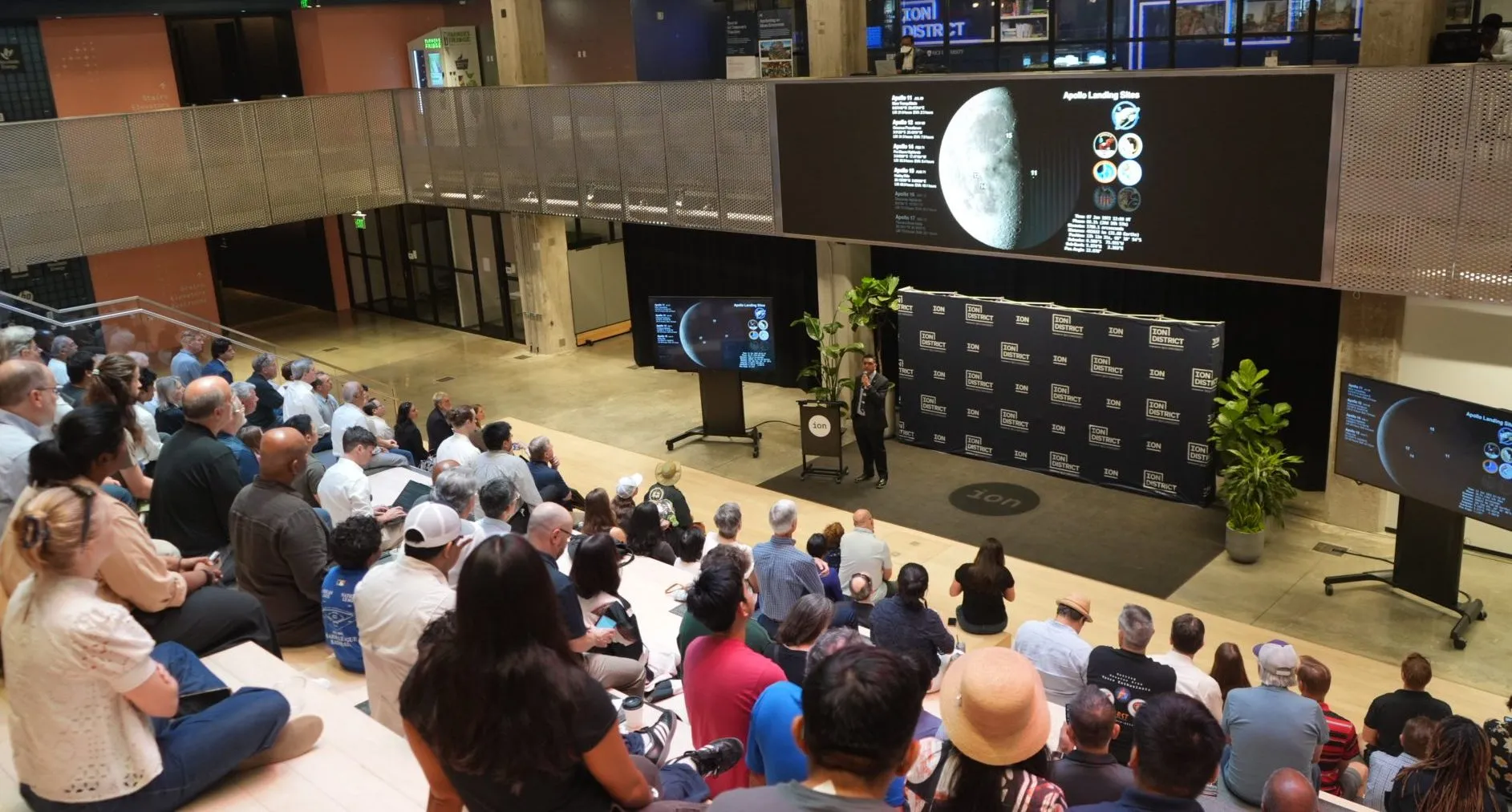
From hazardous regolith to shifting shadows, the path to a permanent lunar settlement requires distributed infrastructure and cross-disciplinary collaboration, according to recent agency presentations.

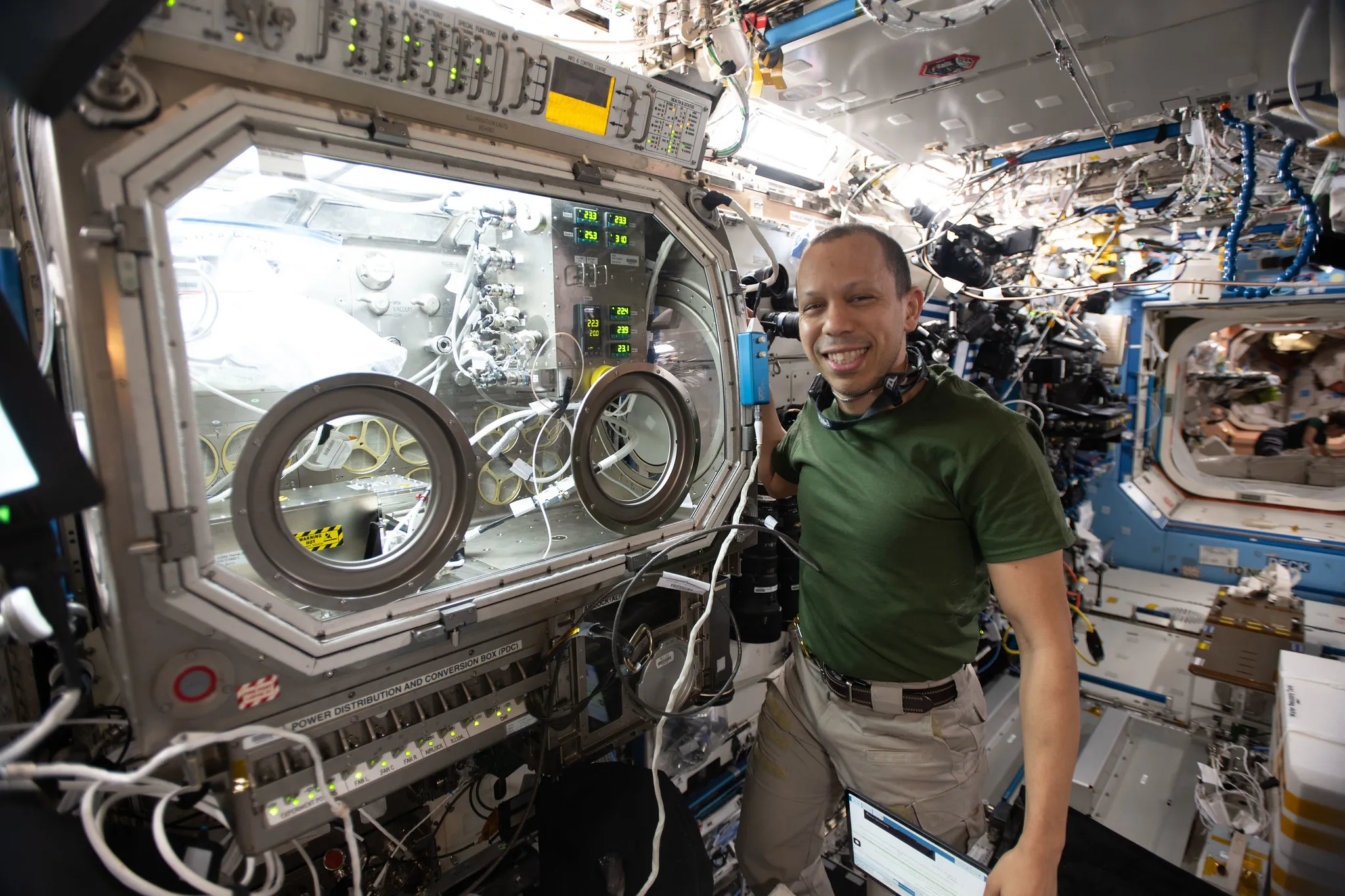
Astronauts are testing technologies for bone density preservation, medical fluid generation, and robotic automation to ensure safe long-duration spaceflight beyond low Earth orbit.

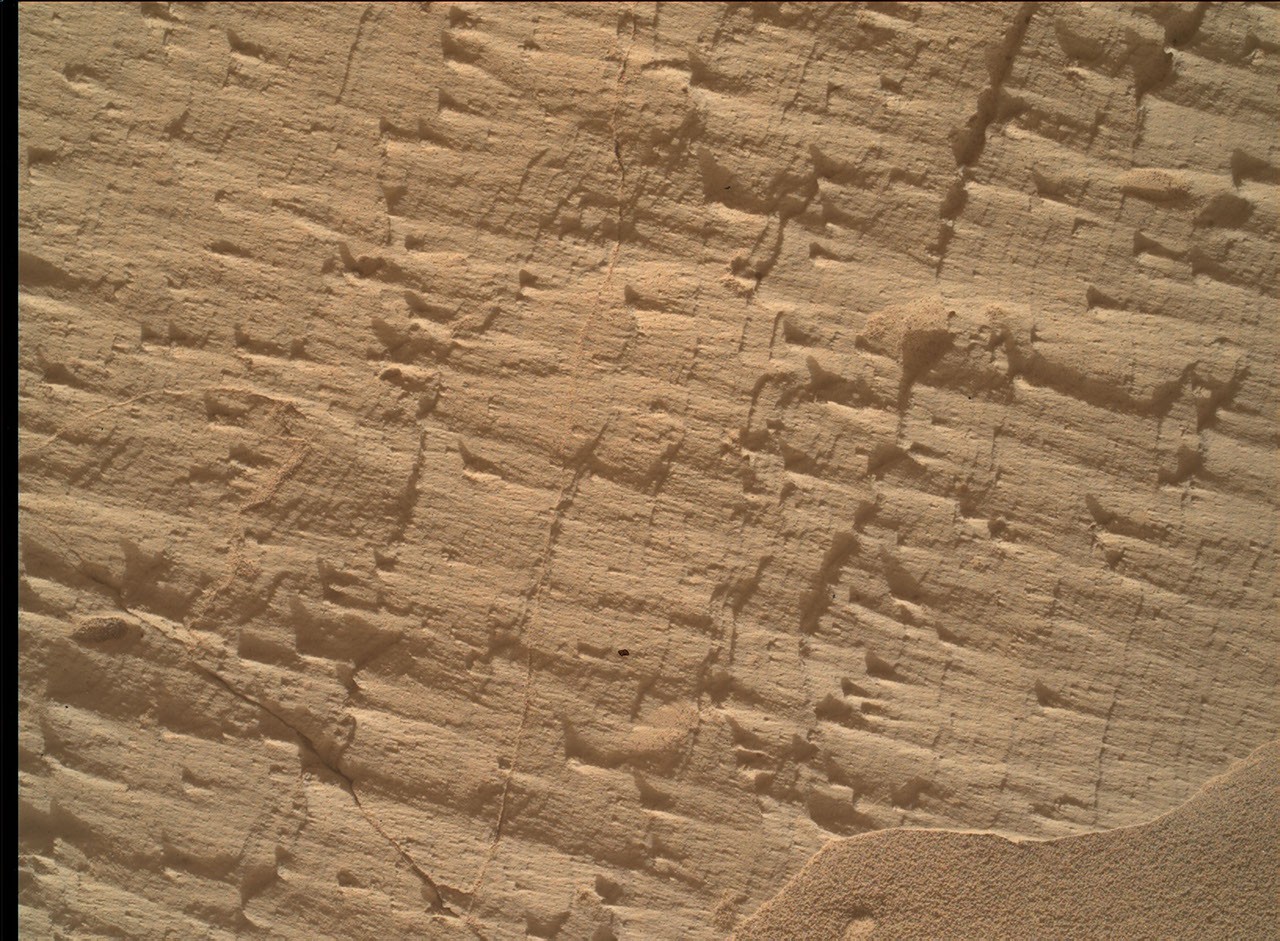
The rover’s ascent to the suspected erosional supersurface allows for high-resolution analysis of sedimentary structures and atmospheric conditions.

A new report details the 9-metre tidal range, mangrove expansion, and biodiversity that define this crescent-shaped bay in Western Australia’s Kimberley region.

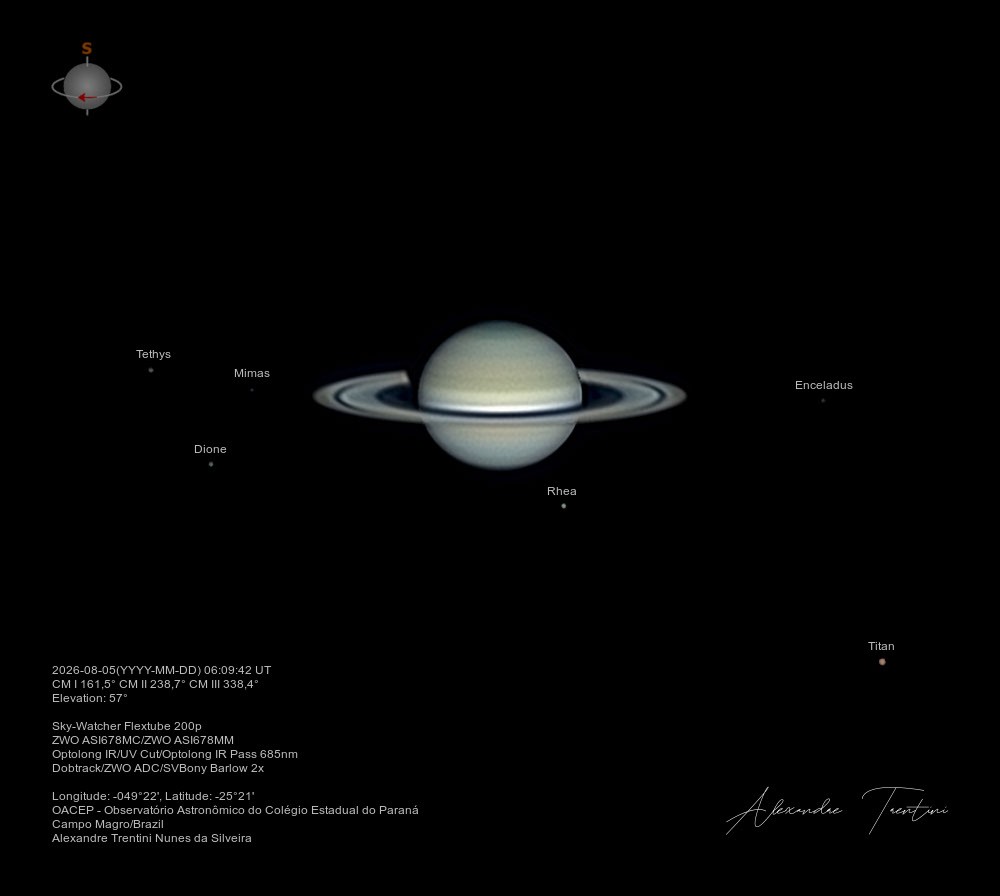
As of June 2026, the gas giant holds 293 confirmed moons, more than double Jupiter’s tally, with the largest, Titan, discovered over three centuries ago.

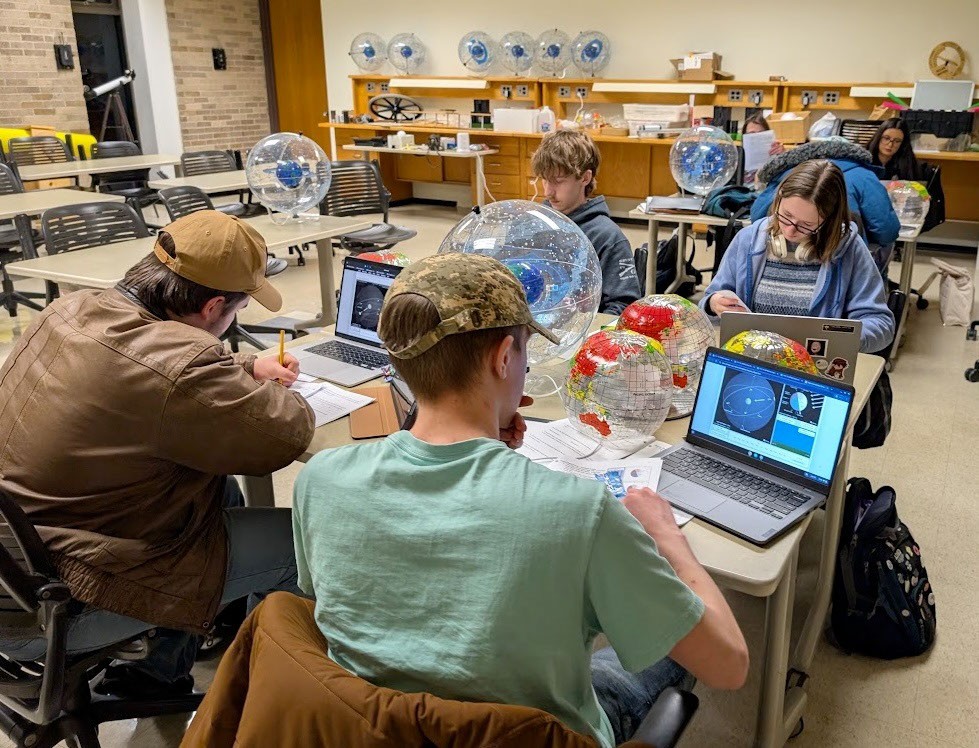
A collaboration between three NASA Science Activation teams and five instructors aims to transform traditional textbook content into Relevant Engaging Active Learning courseware, with field testing scheduled for late 2026.

New platforms will offer Dolby Vision content, including the Artemis III mission, while the service remains free on official channels

New observations from the NIRCam and MIRI instruments provide a clearer view of the dying star’s remains, highlighting dust clumps and ionised gas that were not visible in previous Hubble Space Telescope images from 2000.

As the new academic term begins, NASA is promoting a suite of educational initiatives designed to build a pipeline of technical experts, alongside key dates for major spaceflight operations.
New observations from the PACE satellite confirm that weakened trade winds and suppressed upwelling have drastically reduced chlorophyll concentrations in the central equatorial Pacific, with tangible effects on Peru’s anchovy industry.

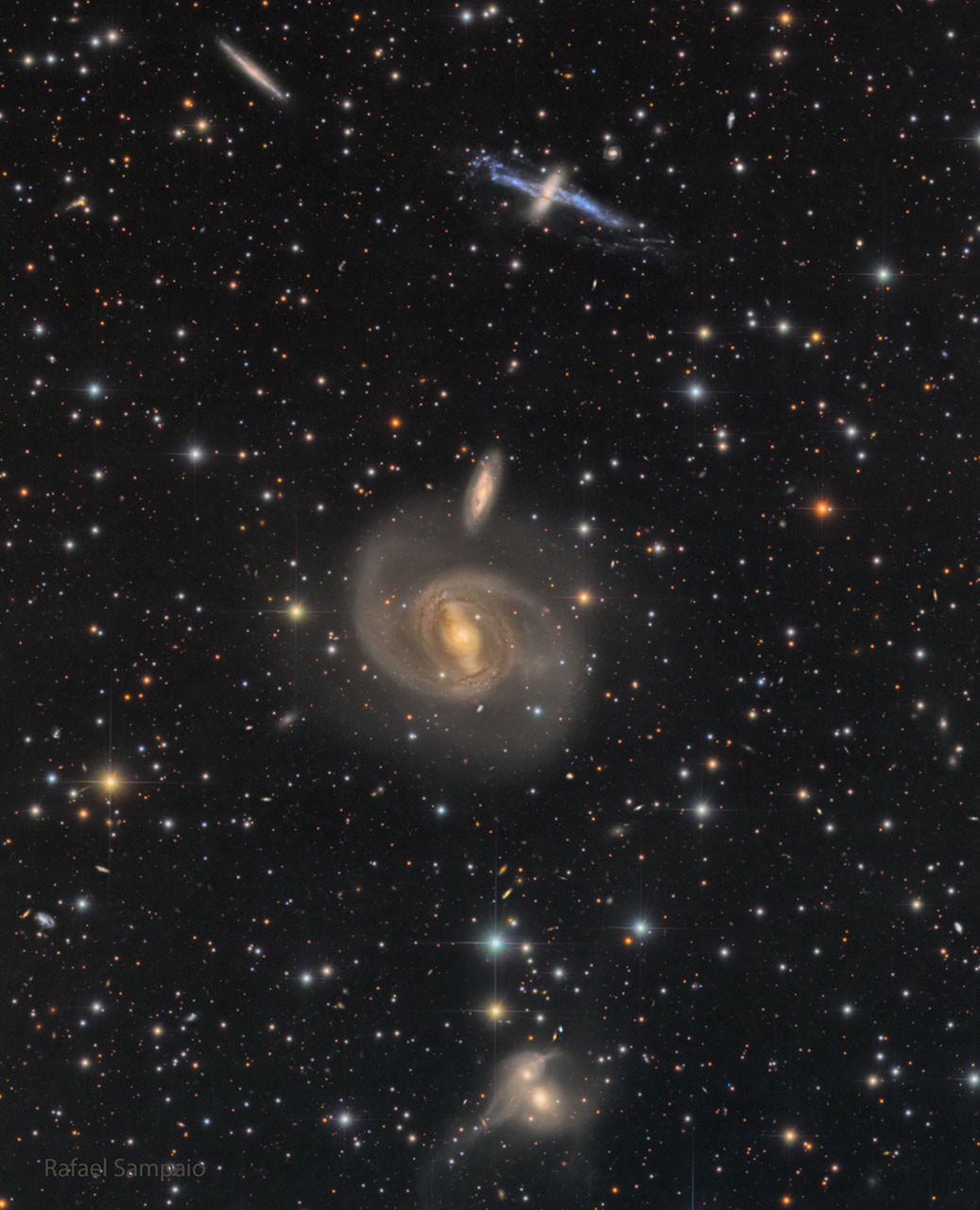
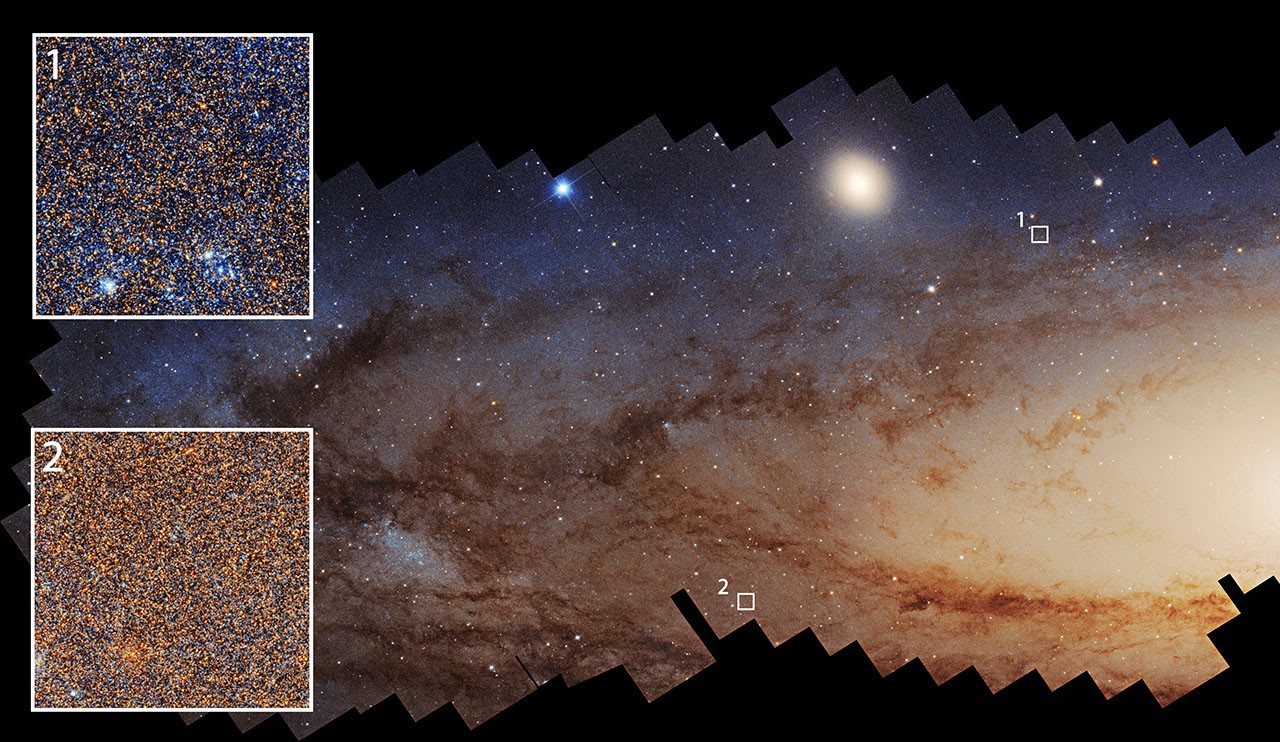
New analysis of the Centaurus Galaxy Cluster reveals varying stages of galactic interaction, from past collisions to future mergers.

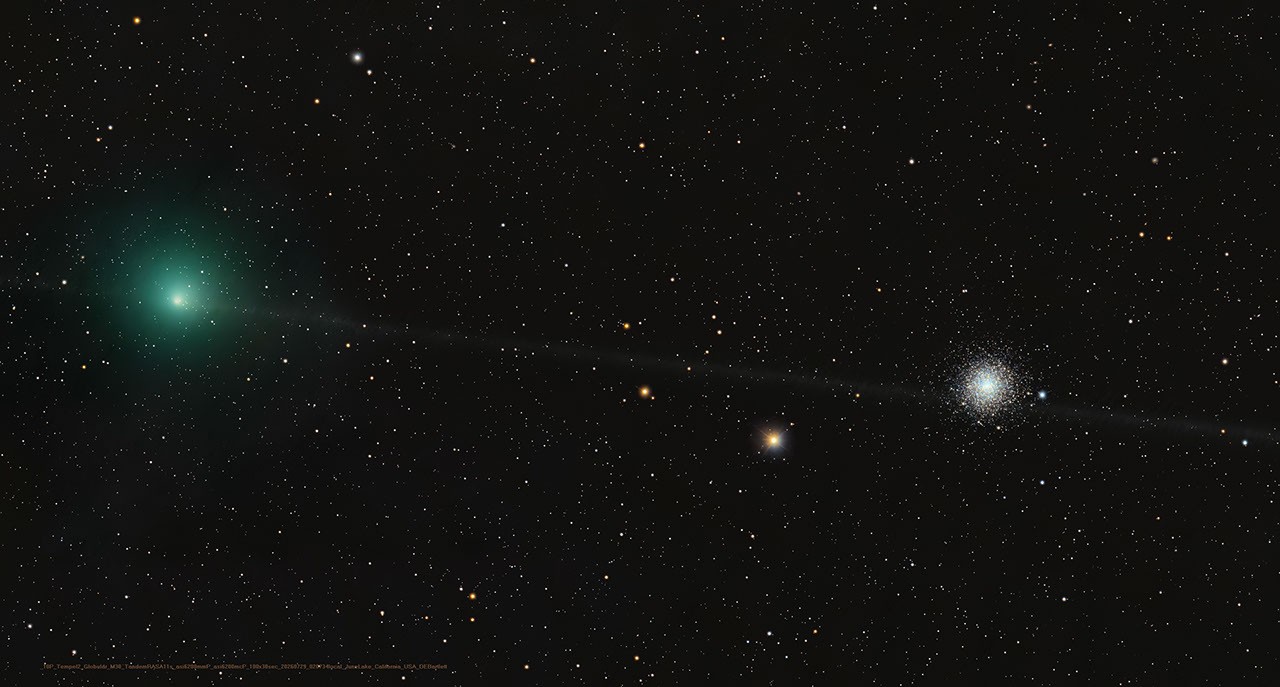
An image captured by Dan Bartlett shows periodic comet 10P/Tempel 2 appearing to pierce the globular star cluster Messier 30, though the objects are separated by 28,000 light-years.

Presentations scheduled for 10 to 12 August will cover the NISAR mission, mineral resource discovery, and environmental monitoring platforms.

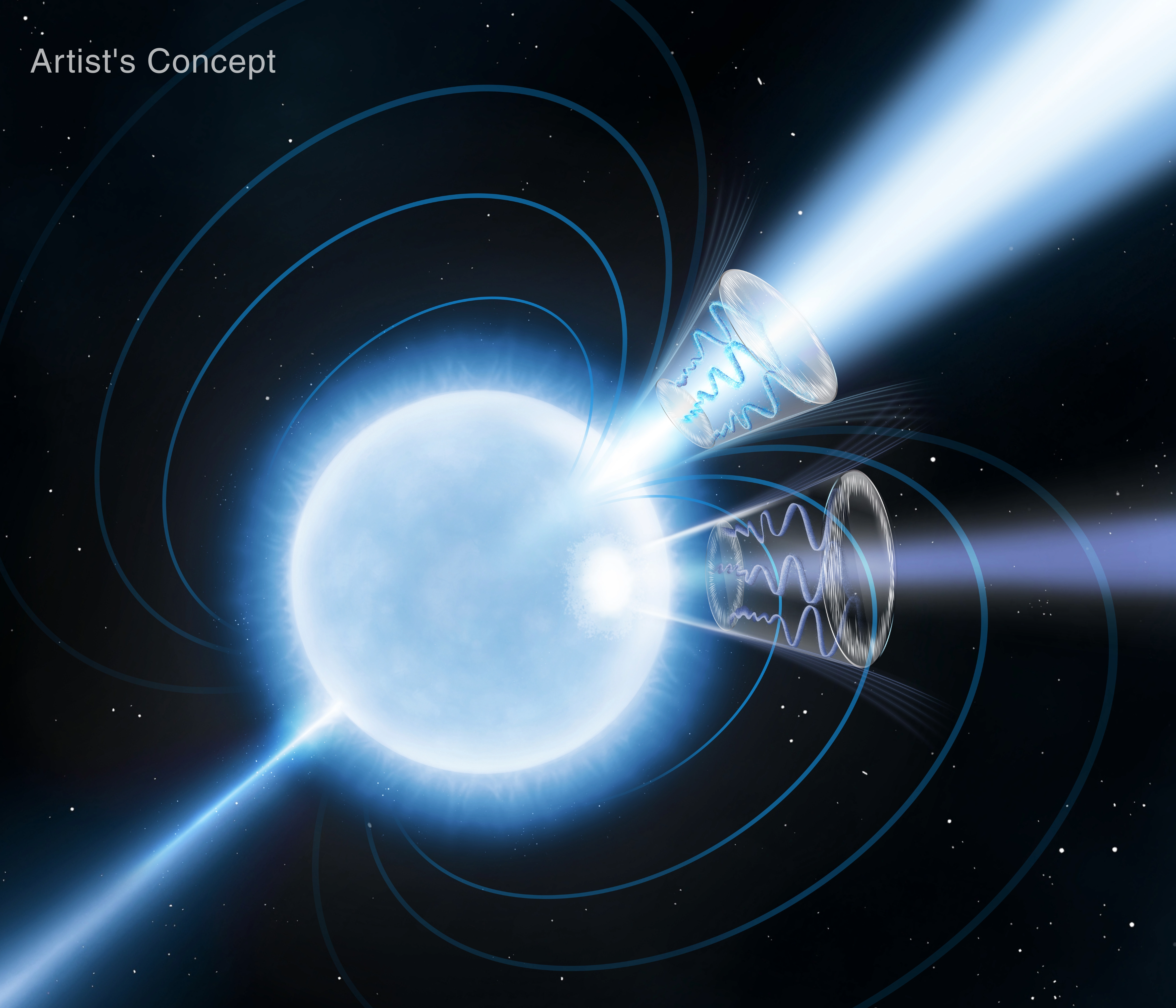
Scientists used the IXPE mission to study magnetar 1E 1547-5408, potentially revealing a phenomenon physicists have theorised for nine decades.

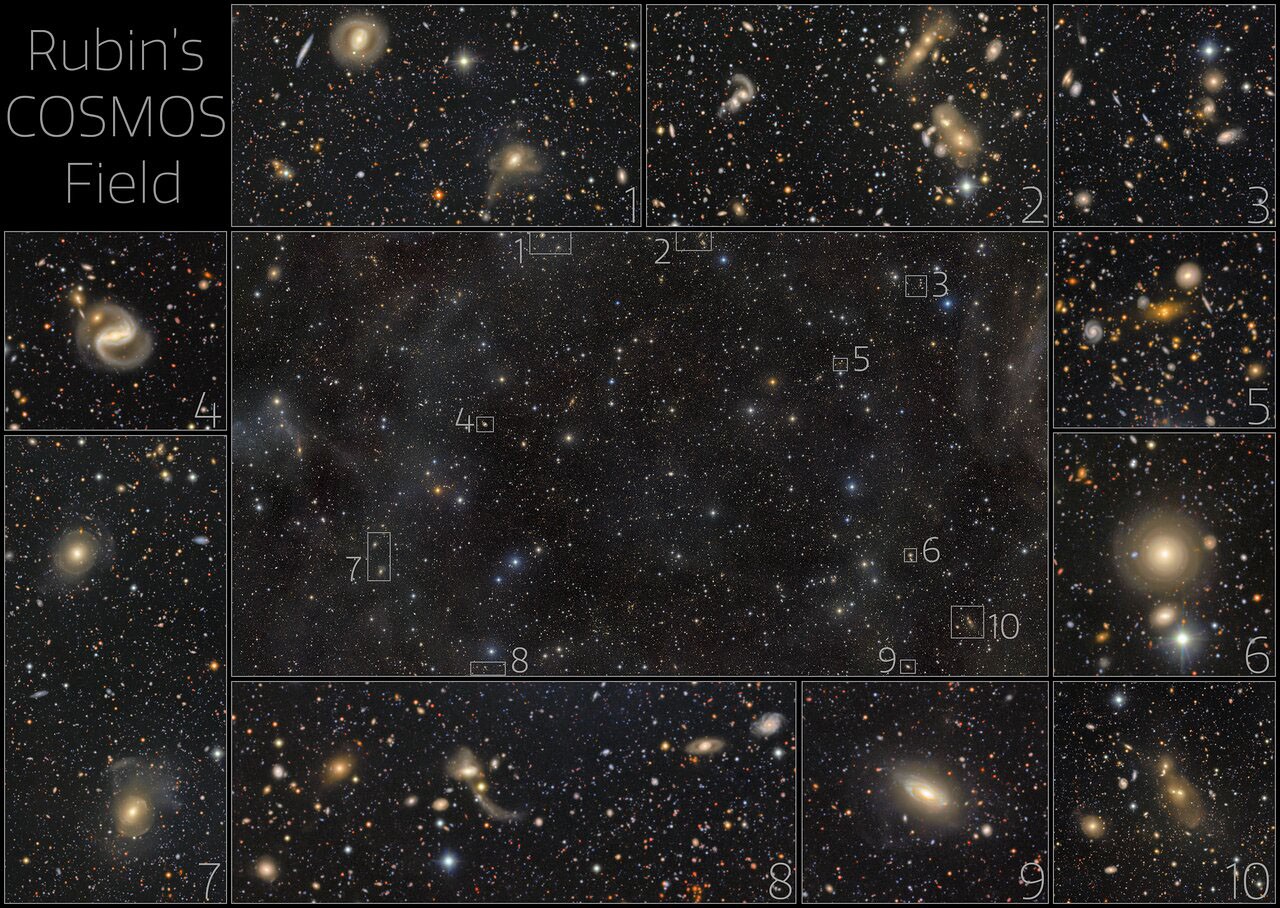
The NSF-DOE Vera C. Rubin Observatory in Chile has delivered a high-resolution view of the COSMOS field, revealing more than 500,000 galaxies in a patch of sky several times larger than the full moon.
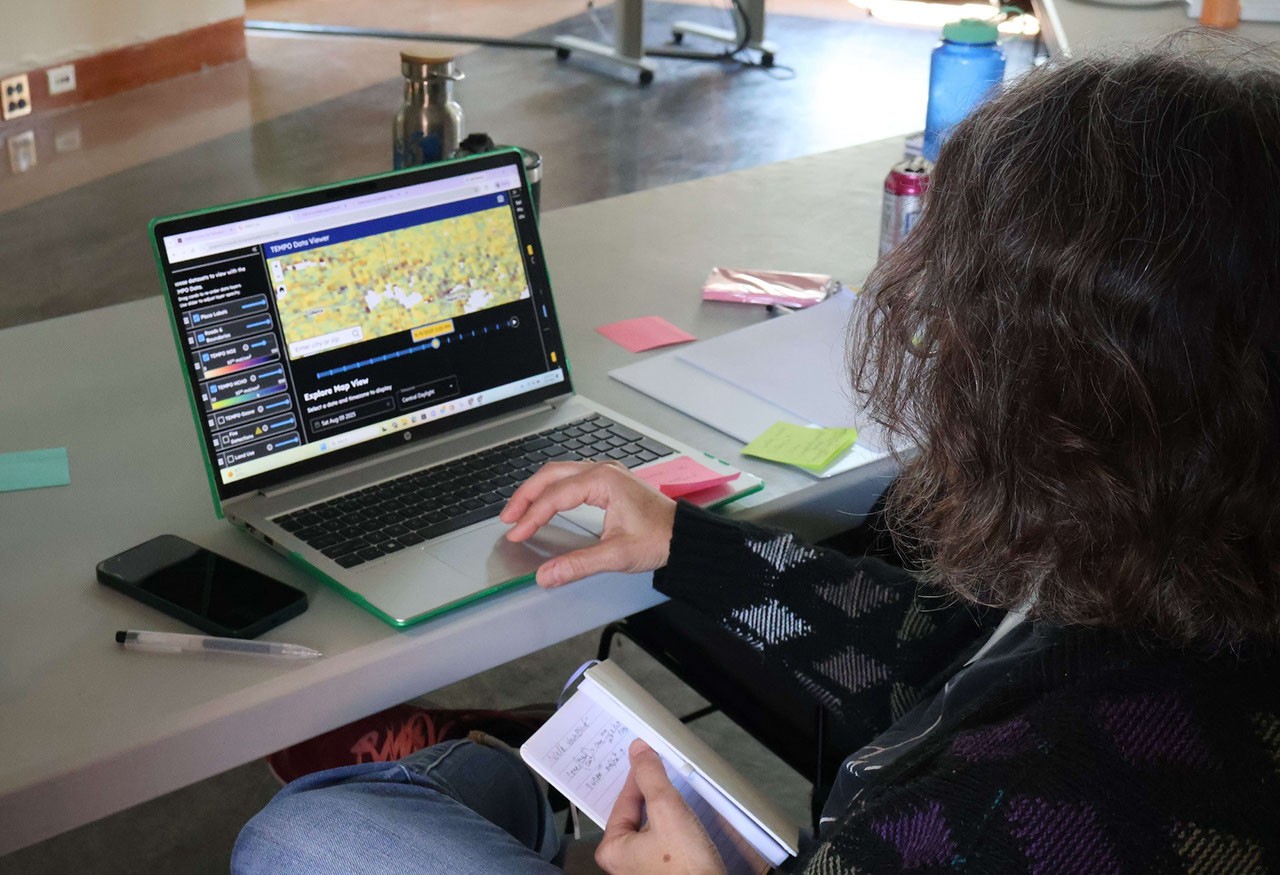
A three-day workshop brought together 13 educators to co-develop curriculum resources using near-real-time data from NASA’s TEMPO mission, aiming to empower young people to analyse local air quality and inform community action.

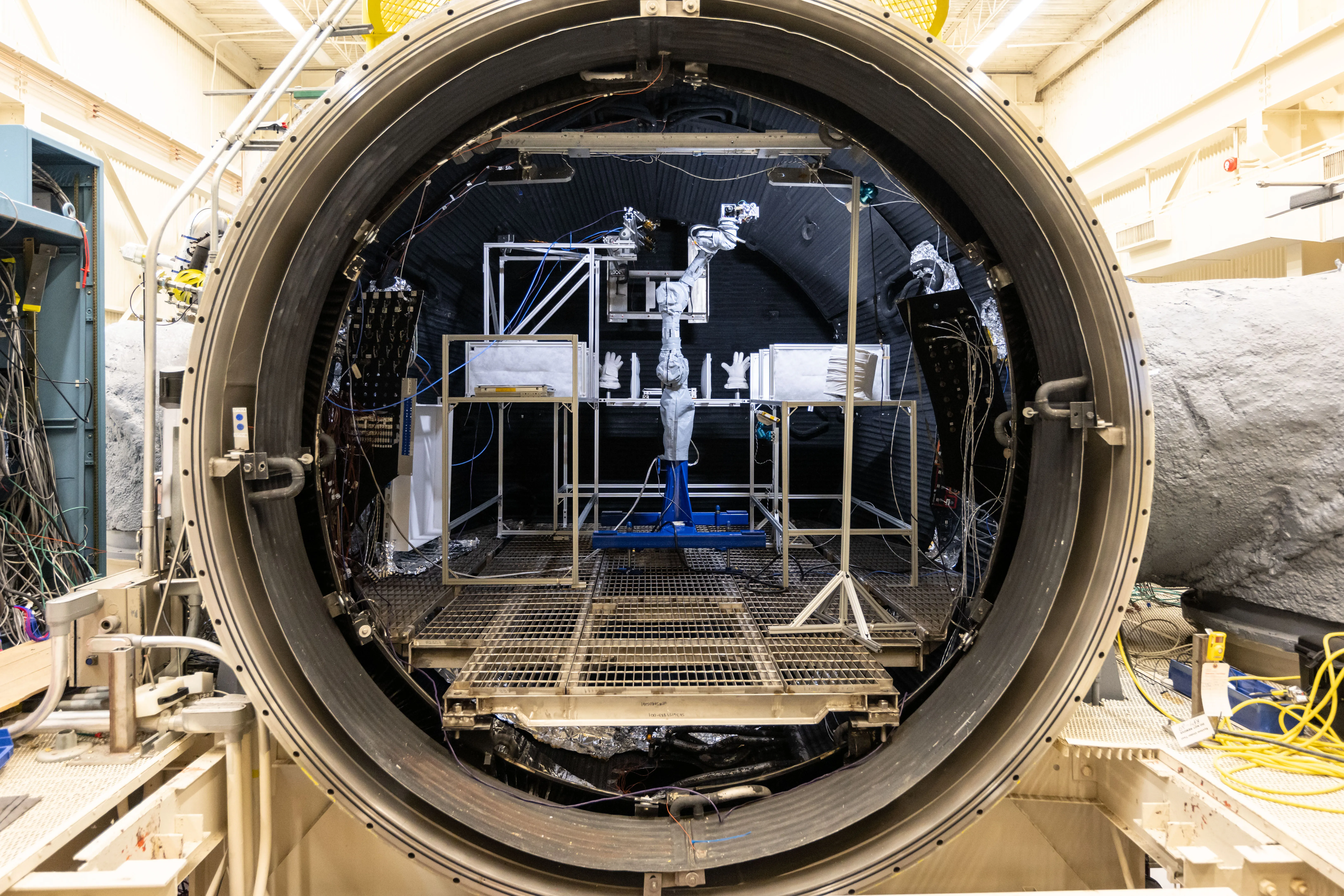
The Lunar Development and Test Facility at Johnson Space Center is evaluating how abrasive lunar dust affects equipment and astronaut health ahead of future Moon missions.

State officials invoke emergency powers and deploy 10,000 firefighters as drought conditions fuel rapid fire spread across central and eastern Oregon.

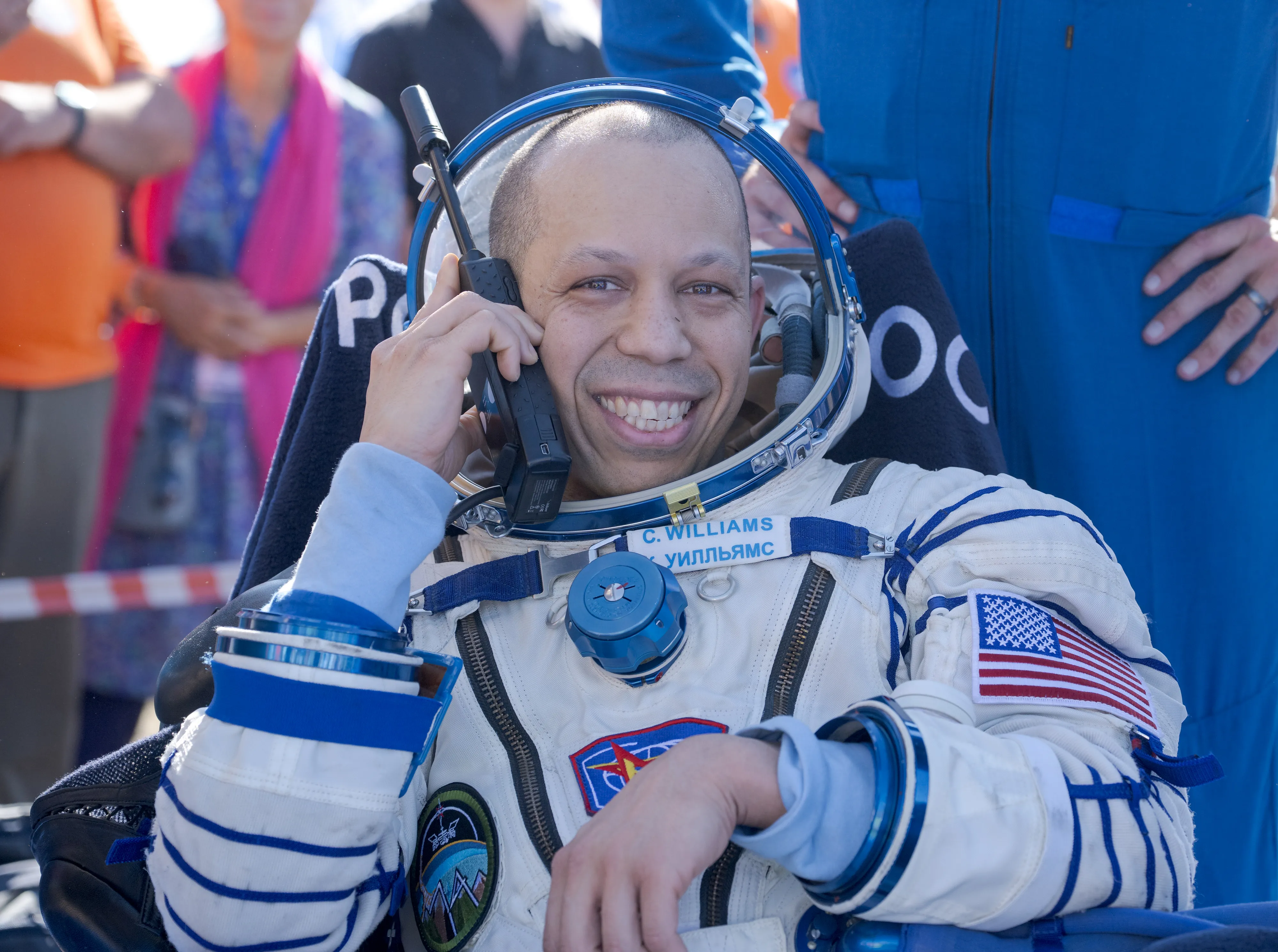
Williams will recap his eight-month mission, including two spacewalks and scientific research, at a news conference on Tuesday, August 4.

A NASA-funded campaign will utilise a high-altitude jet and scientific balloons to investigate solar dynamics and atmospheric changes during the total solar eclipse on 12 August 2026.

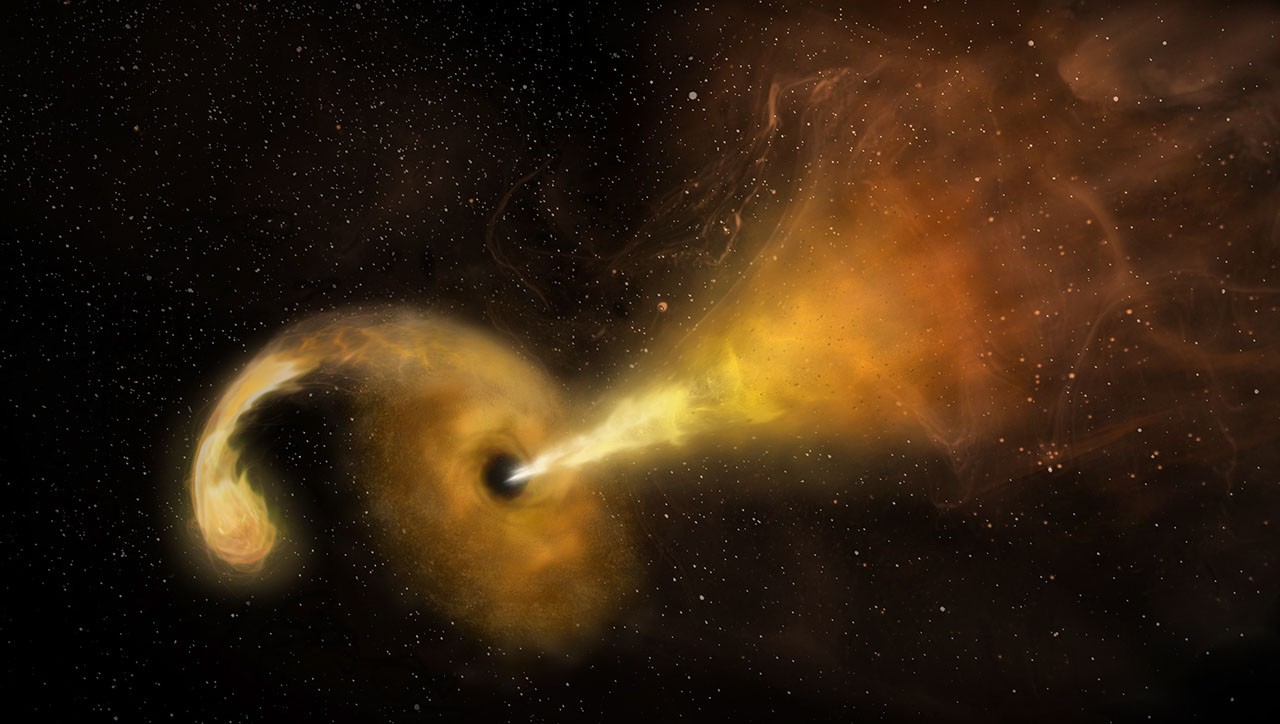
An orphan supermassive black hole, located 30,000 light-years from its host galaxy’s core, was identified devouring a star, offering a new method to find invisible cosmic heavyweights.

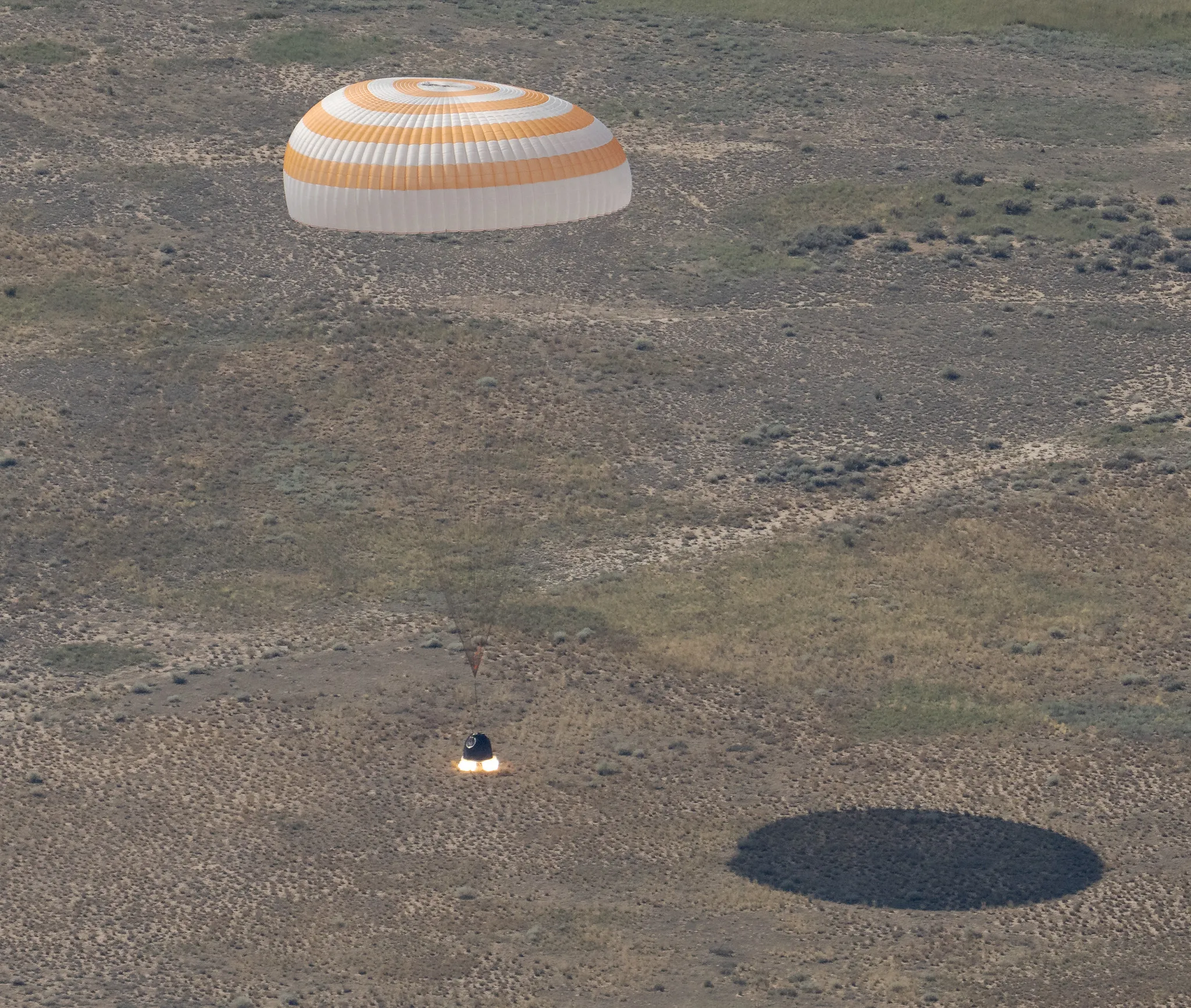
Williams landed in Kazakhstan on July 26, 2026, alongside Roscosmos cosmonauts Sergey Kud-Sverchkov and Sergei Mikaev, marking the end of his initial six-month rotation which extended to eight months.

A preview news conference will be held on July 30 at NASA’s Johnson Space Center to outline the objectives for the 281st, 282nd, and 283rd spacewalks.

Research published in The Astrophysical Journal shows star formation has dropped from one solar mass per year to one-fifth, driven by a natural cooling rather than a lack of material.

Williams, alongside Roscosmos cosmonauts Sergey Kud-Sverchkov and Sergei Mikaev, concludes mission that included cancer treatment research and robotic arm repairs

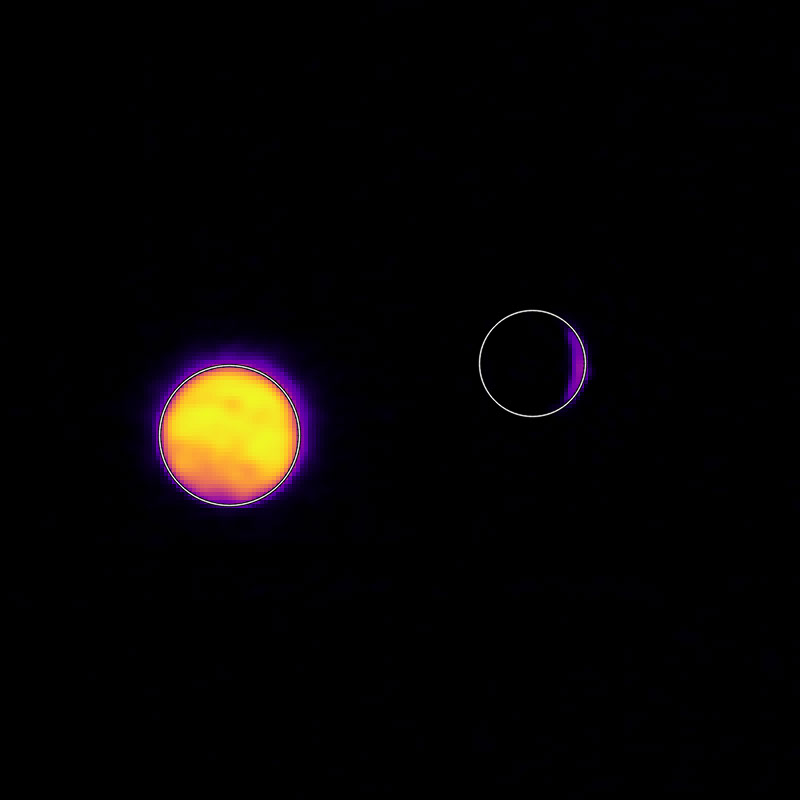
Images taken from Lagrange point 2 show thermal signatures of Earth and the cooling lunar surface, confirming camera functionality for upcoming solar wind studies.

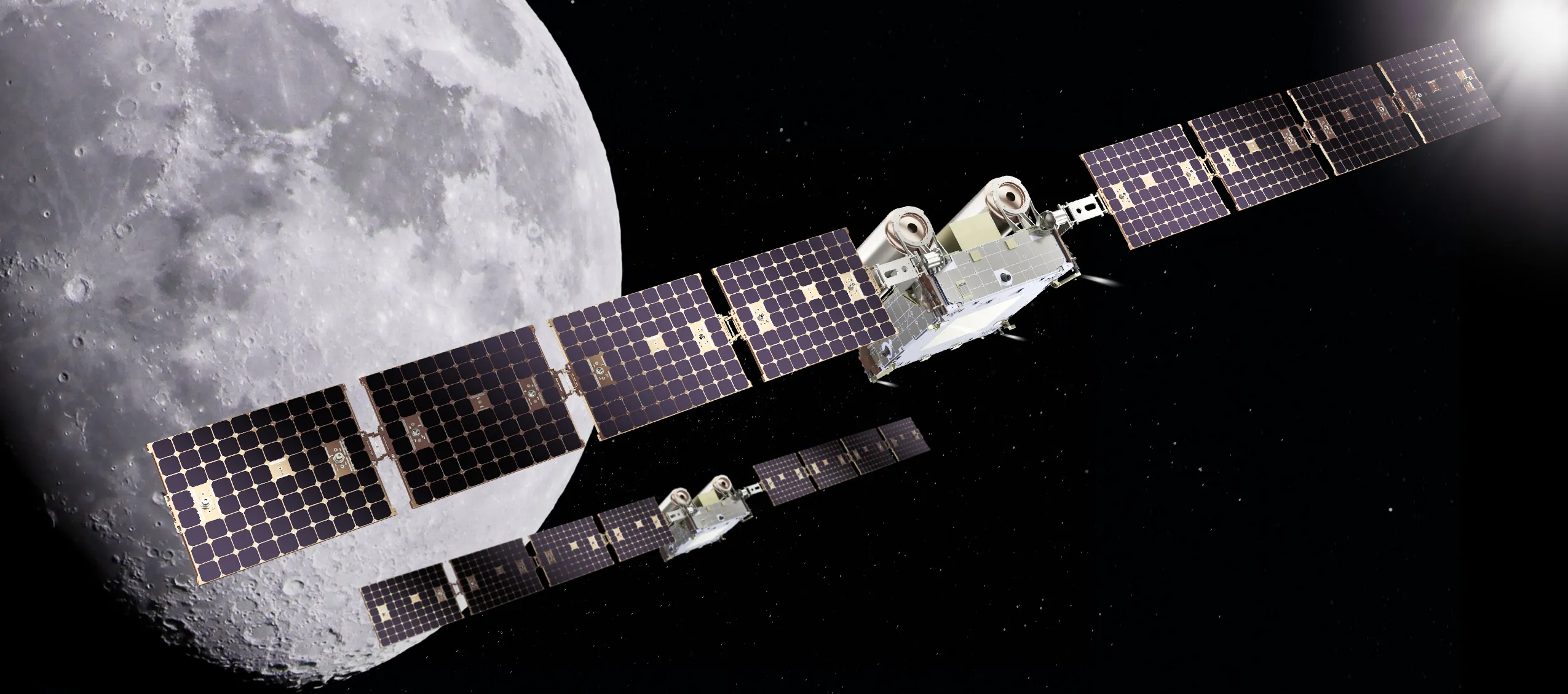
Advanced Space selected to deploy two 400-kilogram spacecraft for autonomous navigation and rendezvous demonstrations in cislunar space.

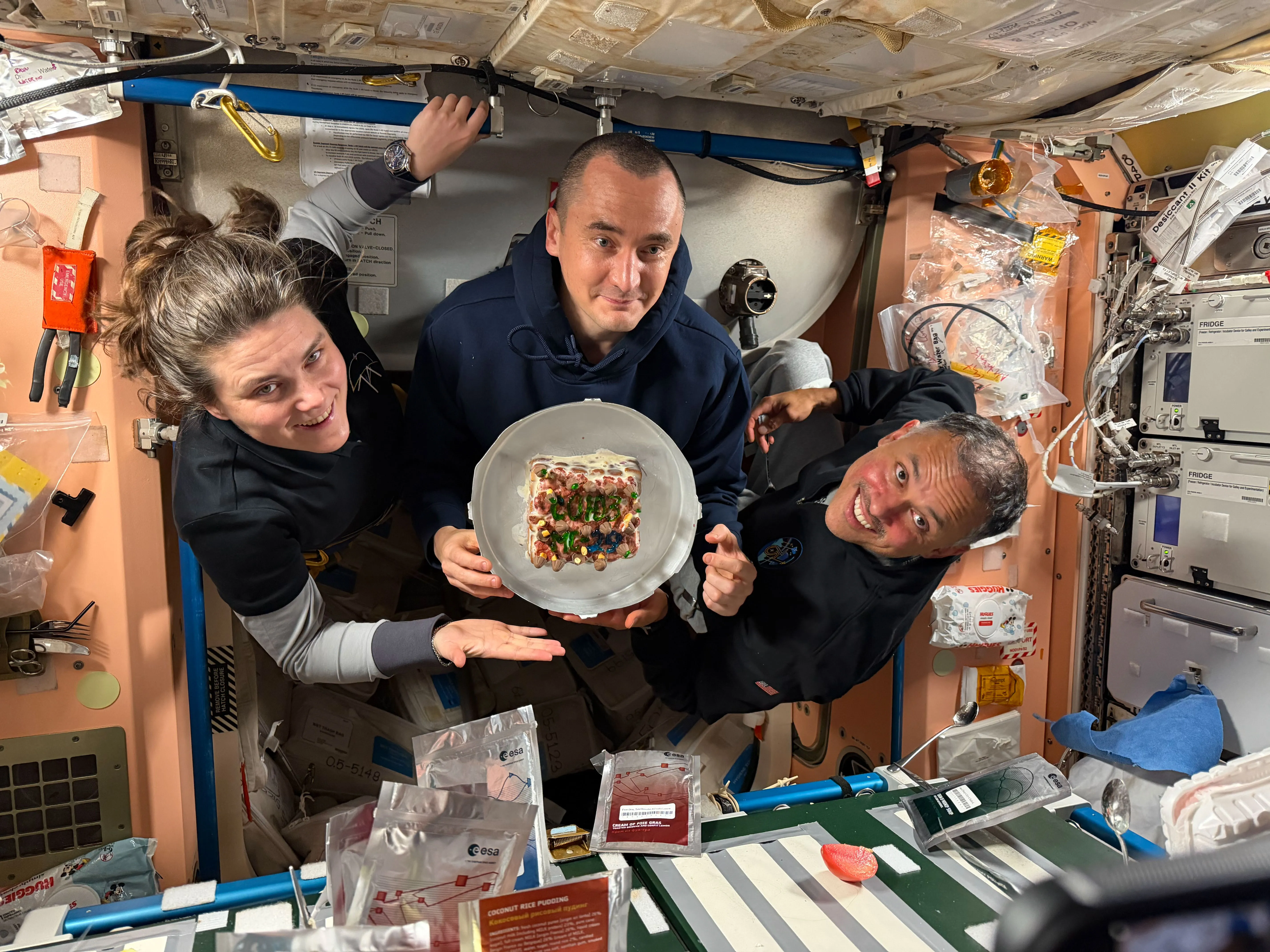
Flight engineers Anna Kikina, Pyotr Dubrov, and Anil Menon launched from Kazakhstan on July 14 and are now conducting research while familiarising themselves with station systems.

The agreement involves second-stage hot-fire testing on the historic B-2 test stand, with operations scheduled to begin in autumn 2026.