NASA upgrades Vertical Motion Simulator for modern mission needs
The world’s largest motion simulator has been modernised to support more aggressive mission tasks, including testing lunar landers and air taxis, with configuration time cut in half.
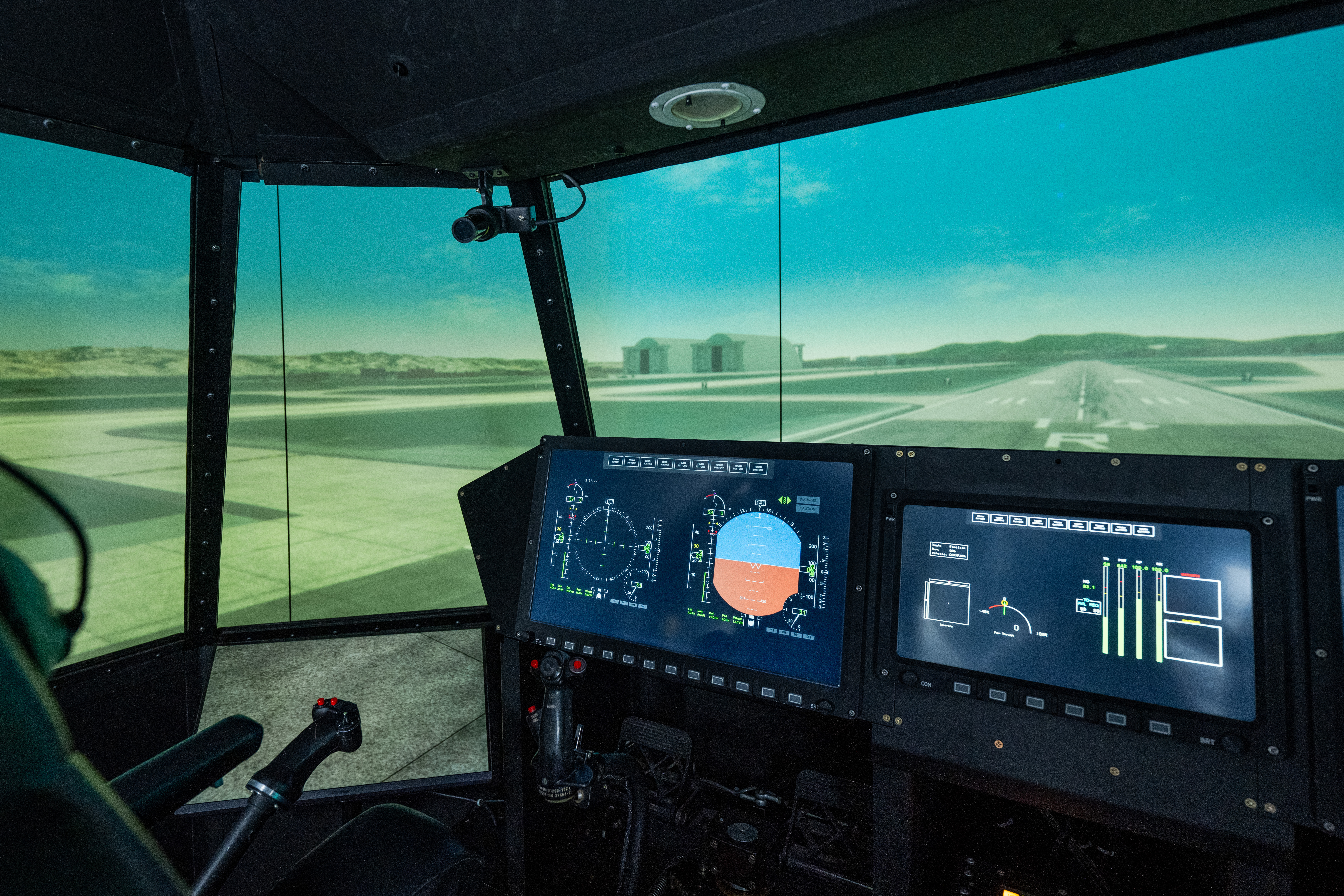
NASA has completed a significant upgrade to its Vertical Motion Simulator at the Ames Research Center in California, transitioning the facility from analog to digital systems. Operational since 1979, the simulator is the largest of its kind in the world and is capable of moving a cockpit cab 60 feet vertically and 40 feet horizontally to replicate the motion of vehicles ranging from helicopters to spacecraft.
The modernisation introduces a new dome equipped with 4K projectors to provide enhanced visual clarity and a wider field of view. The system can automatically align and colour-match images to integrate them into a simulated background, a process that previously required hours or days of manual work. Diana Acosta, aerospace simulation research and development branch chief at NASA Ames, stated that the new configuration supports more aggressive mission tasks and improves team coordination.
A key operational improvement involves the replacement of the heavy, fixed cockpit cab with lighter, removable inserts. These inserts contain only the necessary controls, seats, and panels for a specific vehicle simulation. This change halves the configuration time required to switch between testing different vehicles, such as helicopters, air taxis, and lunar landers, reducing the physical labour previously associated with swapping out the entire cab structure.
The upgrades are designed to support more realistic testing of next-generation aircraft and spacecraft before they ever leave the ground. According to NASA, these improvements bring the agency closer to safer skies, more efficient air travel, and successful human landings on the Moon and Mars. The facility remains a critical tool for shaping the future of aviation and spaceflight in Silicon Valley.
The announcement of the completed upgrade was made on 12 August 2026, marking a major step in the facility’s evolution since its inception in 1979. The enhanced capabilities allow researchers and pilots to experience high-accuracy motion and visual environments, ensuring better preparation for the complex challenges of modern aerospace missions.