Perseids meteor shower peaks in early August 2026
The Perseids, one of the year’s most prominent meteor showers, hit its peak on the night of 12 August into the early hours of 13 August 2026, with activity continuing through the end of the month.
The Perseids meteor shower has reached its peak activity, marking the high point of one of the year’s brightest and most popular celestial events. According to NASA, the shower peaked on the night of 12 August and continued into the early morning hours of 13 August 2026.
The event has been gradually intensifying since early July. Observers can expect the shower to remain active and visible in the skies through the end of August, providing a prolonged window for viewing before the phenomenon concludes.
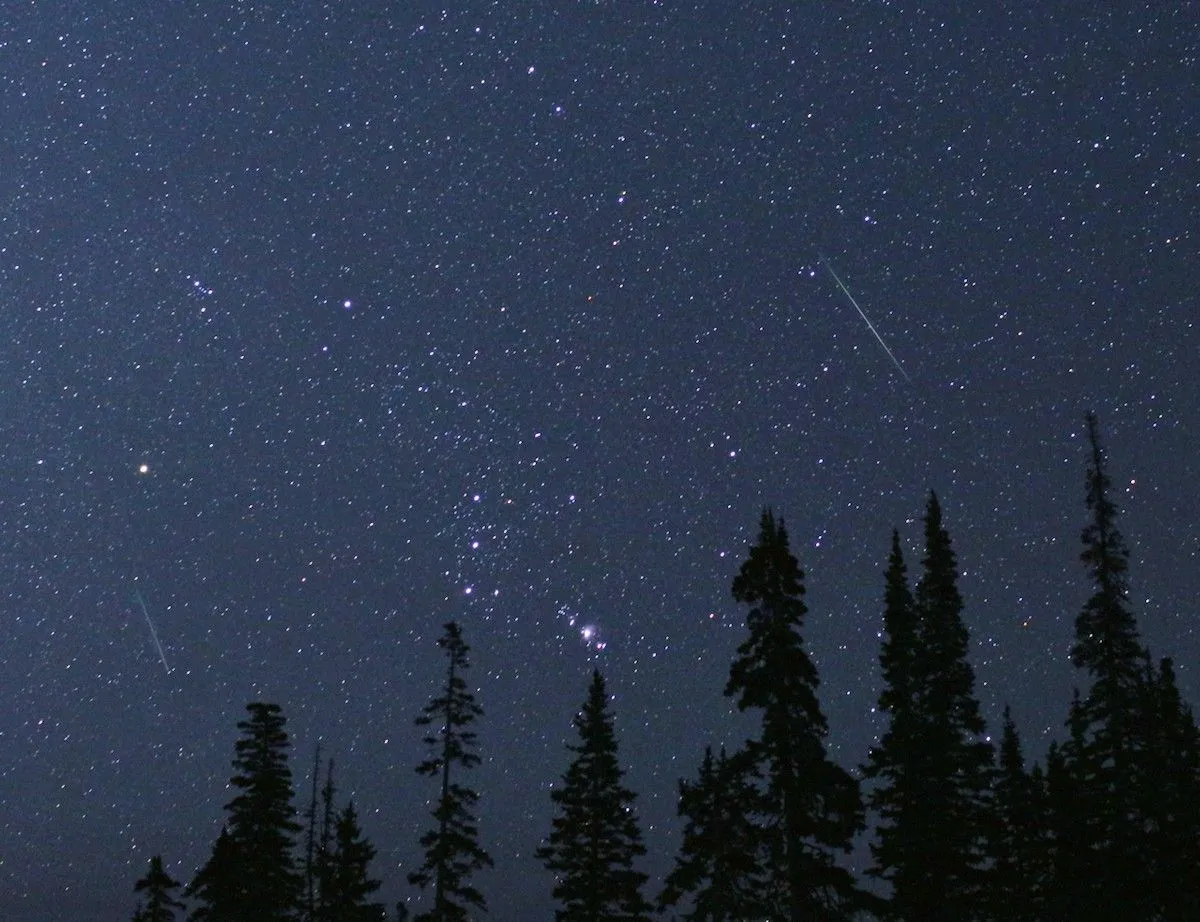
To illustrate the visual characteristics of the shower, NASA released an image article featuring a photograph taken at Cedar Breaks National Monument in Utah. The image, credited to NASA/Bill Dunford, depicts the constellation Orion framed by two Perseid meteors.
It is important to note that the provided imagery is from 12 August 2018 and serves as an archival example of the shower’s appearance rather than a capture of the 2026 event. The source material does not specify the exact number of meteors per hour expected during this year’s peak, nor does it provide current viewing conditions such as weather forecasts or light pollution levels.
The Perseids are a recurring annual meteor shower, and this year’s peak aligns with the typical timeline for the event. NASA has made the image available to help contextualise the experience for skywatchers as the shower continues its activity through the remainder of the month.