NASA and Blue Origin to Conduct New Glenn Rocket Testing at Stennis Space Center
The agreement involves second-stage hot-fire testing on the historic B-2 test stand, with operations scheduled to begin in autumn 2026.
NASA and Blue Origin have announced an agreement to conduct second-stage hot-fire testing for the New Glenn rocket at NASA’s Stennis Space Center in Mississippi. The arrangement, formalised through an annex to a reimbursable Space Act Agreement signed earlier this month, is designed to support the Artemis programme, which targets the landing of American astronauts on the Moon in 2027.
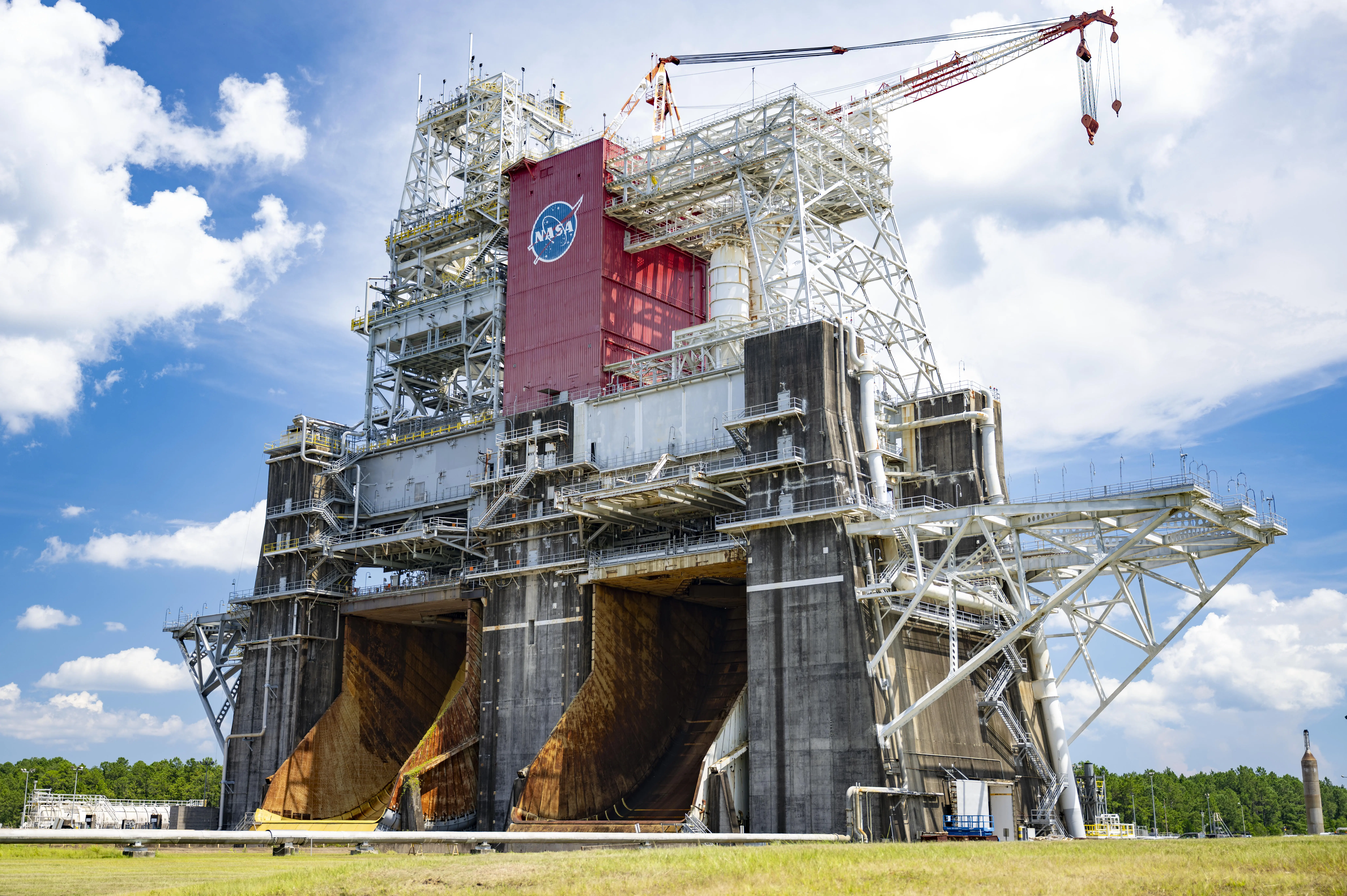
Testing on the B-2 test stand is scheduled to commence in the autumn of 2026. To prepare the facility for these operations, NASA will provide engineers, equipment, and building services. The agency will also assist with test operations by sharing expertise and lessons learned from previous propulsion testing conducted at the stand.
The New Glenn rocket’s second stage is powered by two BE-3 engines utilising liquid oxygen and liquid hydrogen propellants. Each engine is capable of generating 200,000 pounds of thrust in a vacuum. The rocket is named in honour of John Glenn, the first American to orbit Earth.
The B-2 test stand holds significant historical value, having been constructed to test Saturn V rocket stages during the Apollo programme. More recently, it was used for Green Run tests of the Space Launch System core stage ahead of the Artemis I mission. The facility continues to serve as a hub for the commercial space industry, with local officials welcoming Blue Origin’s return to the region.
This testing initiative complements other Blue Origin activities under the Artemis framework. Earlier this year, NASA awarded the company a contract to launch a robotic mission this fall. The Blue Moon Mark 1 Endurance lander will deliver payloads to the Shackleton Connecting Ridge at the lunar South Pole, demonstrating capabilities intended to reduce risk for astronauts during the Artemis IV and V missions in 2028.
Artemis III, the mission targeting the 2027 lunar landing, will involve four astronauts testing rendezvous and docking capabilities between NASA’s Orion spacecraft and commercial human landing systems from Blue Origin and SpaceX in low Earth orbit. The broader Artemis programme aims to establish a sustained lunar presence near the South Pole and prepare for future human missions to Mars.
NASA Administrator Jared Isaacman stated that partnerships with commercial industry are essential for advancing space exploration capabilities. He noted that supporting Blue Origin at Stennis Space Center helps strengthen the industrial base and ensures the United States remains a leader in space. Blue Origin CEO Dave Limp echoed these sentiments, highlighting the shared commitment to returning Americans to the Moon.