NASA teams adapt astronomy textbook for active learning in community colleges
A collaboration between three NASA Science Activation teams and five instructors aims to transform traditional textbook content into Relevant Engaging Active Learning courseware, with field testing scheduled for late 2026.
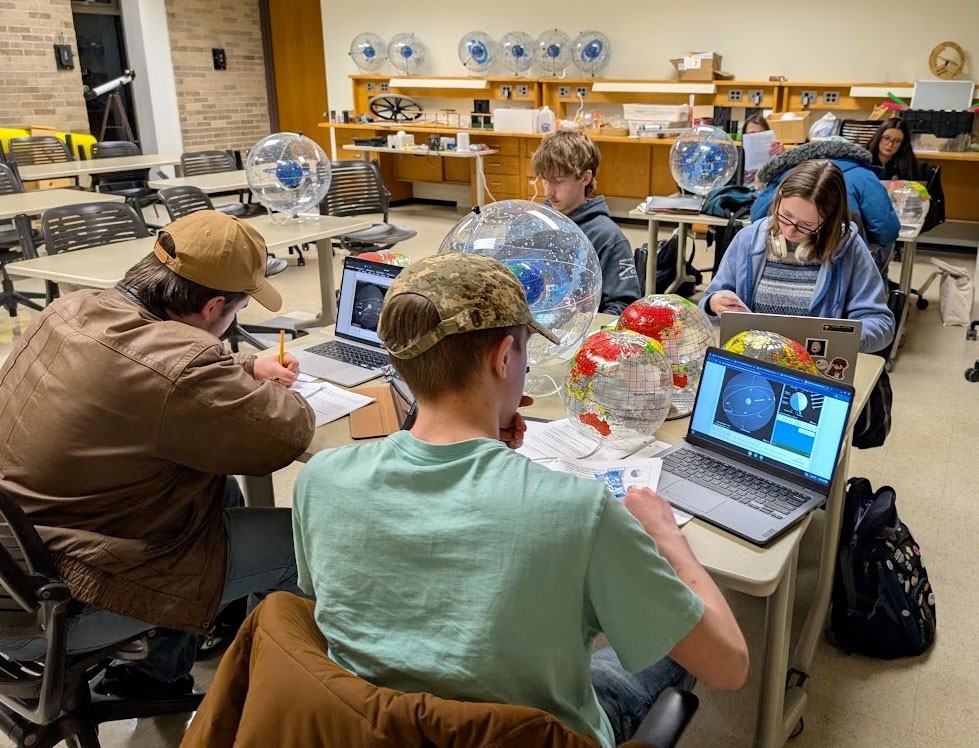
Three project teams within the NASA Science Activation (SciAct) program have partnered with community college instructors to integrate active learning components into the widely used OpenStax Astronomy 101 textbook. The initiative seeks to address the limitations of traditional textbook structures by incorporating NASA’s extensive resources, images, and activities to better serve students' evolving learning strategies.
The NASA Community College Network (NCCN), led by the SETI Institute; Infiniscope, led by Arizona State University; and NASA Treks collaborated on the project. In June 2026, these teams held a virtual workshop to lay the groundwork for enhancing the first five chapters of the textbook. The goal was to create Relevant Engaging Active Learning (REAL) courseware while preserving the core content and clear explanatory narrative of the original text.
Over a two-week period, five participating instructors each adopted one of the opening chapters to enhance with active learning modules. The modifications emphasised materials developed by the SciAct project teams, including NASA Treks, Universe of Learning, and Cosmic Data Stories. The results of this work were presented in a wrap-up session in July 2026.
The participating instructors are Carver Bierson from Scottsdale Community College in Arizona, Dan Chase from Modesto Community College in California, Dennis Just from Pima Community College in Arizona, Steve Tuckey from Jackson College in Michigan, and Sally Watt from Glendale Community College in Arizona. Their contributions provided the expertise necessary to adapt the material effectively.
This workshop served as a proof of concept to determine if an existing textbook can be successfully adapted into an active learning tool that enhances the understanding of fundamental astronomical concepts. The modified content is scheduled for field testing in community college classrooms in Fall 2026.
Next steps involve expanding the program to systematically reimagine the entire OpenStax textbook into an active learning tool. This effort highlights new possibilities for the dissemination of NASA SciAct resources, which are supported by NASA cooperative agreement awards and connect learners with authentic science experiences through partnerships with educators and community organisations.