NASA and Smithsonian educators develop air quality tools for teens
A three-day workshop brought together 13 educators to co-develop curriculum resources using near-real-time data from NASA’s TEMPO mission, aiming to empower young people to analyse local air quality and inform community action.
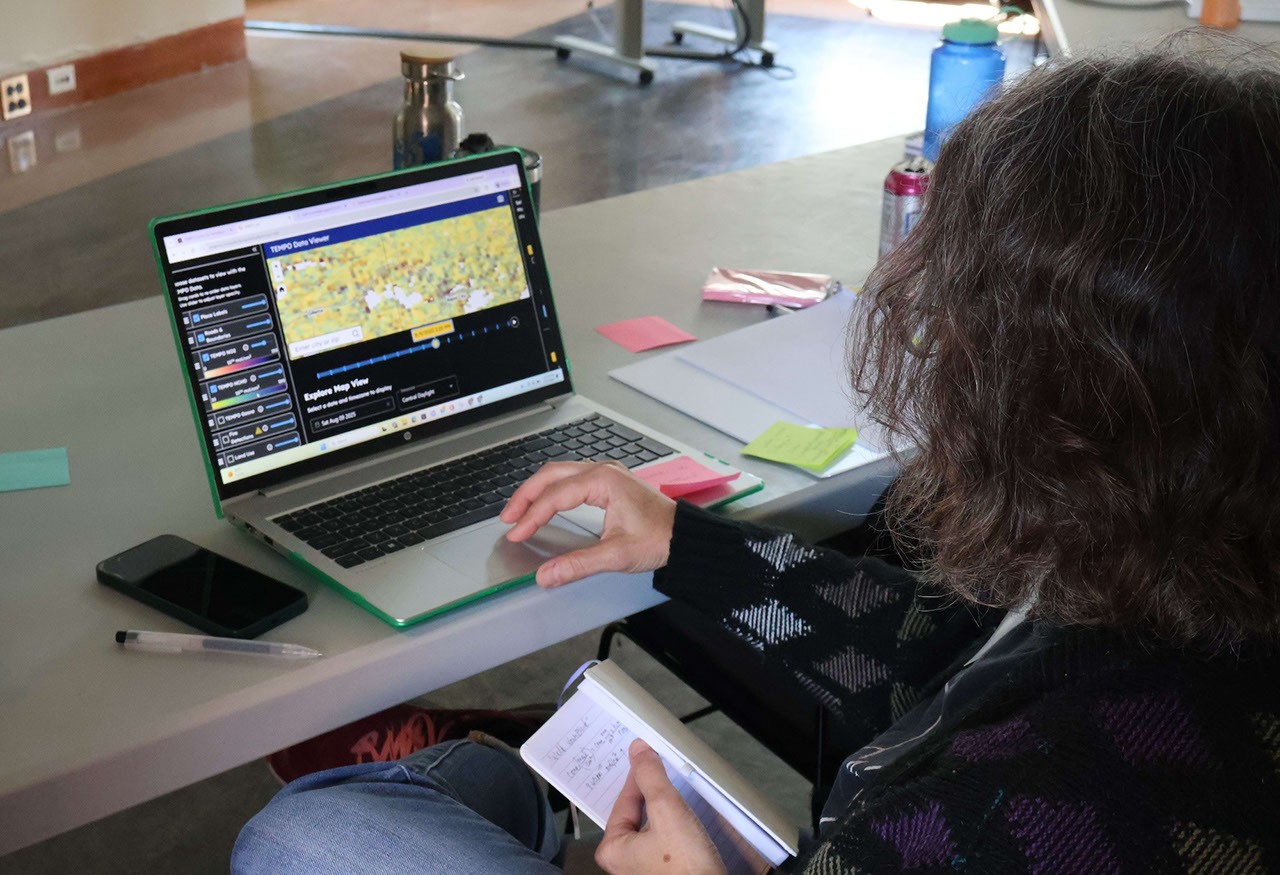
The NASA Science Activation Program’s Cosmic Storytelling with NASA Data (CosmicDS) project, led by Harvard University, partnered with the Smithsonian Institution’s BEST AQI (Breathing Easier: Supporting Teen Air Quality Investigations) initiative to host a Leadership Institute from July 27 to 29, 2026. Held at the Center for Astrophysics | Harvard & Smithsonian in Cambridge, Massachusetts, the event convened 13 formal and informal educators to co-develop curriculum resources using TEMPO-Lab. This free online tool provides access to near-real-time air quality data from NASA’s TEMPO mission, which measures pollution across North America hourly during daylight hours.
Participants created case studies on local issues such as wildfire smoke, traffic emissions, power plants, and agriculture. The goal is to equip teens with data literacy skills to investigate local air quality and inform community action. The 13 educators plan to share the BEST AQI toolkit and TEMPO-Lab with approximately 100 additional educators across partner sites in South Dakota, Maryland, and New York.
On the first day of the institute, CosmicDS Science Principal Investigator Pat Udomprasert led a hands-on session introducing educators to TEMPO-Lab. During a science briefing, TEMPO scientist Heesung Chong shared that a new beta-version ground-level ozone data product had recently become available. CosmicDS software developer John Lewis integrated the new ozone data product into TEMPO-Lab overnight, allowing participants to explore the data the following morning.
Erika Wright, Education Specialist at the Smithsonian Astrophysical Observatory and BEST AQI Principal Investigator, commented on the value of the institute in empowering youth. She noted that educators were excited by the scientific capabilities of the platform and its potential to help young people use evidence to make informed decisions. The institute reinforced the value of TEMPO-Lab as a tool for empowering youth to investigate local air quality issues using authentic NASA data.
Equipping educators with both the technical skills and the curriculum to bring NASA air quality data into their classrooms matters because it builds data literacy skills that teens can carry into any career. Air quality is a subject teens can see, smell, and feel the effects of, and BEST AQI is designed to help them turn that lived experience into evidence-based understanding and, ultimately, action. CosmicDS is supported by NASA cooperative agreement award number 80NSSC21M0002.