ISS research details released to support Artemis Moon and Mars missions
Astronauts are testing technologies for bone density preservation, medical fluid generation, and robotic automation to ensure safe long-duration spaceflight beyond low Earth orbit.
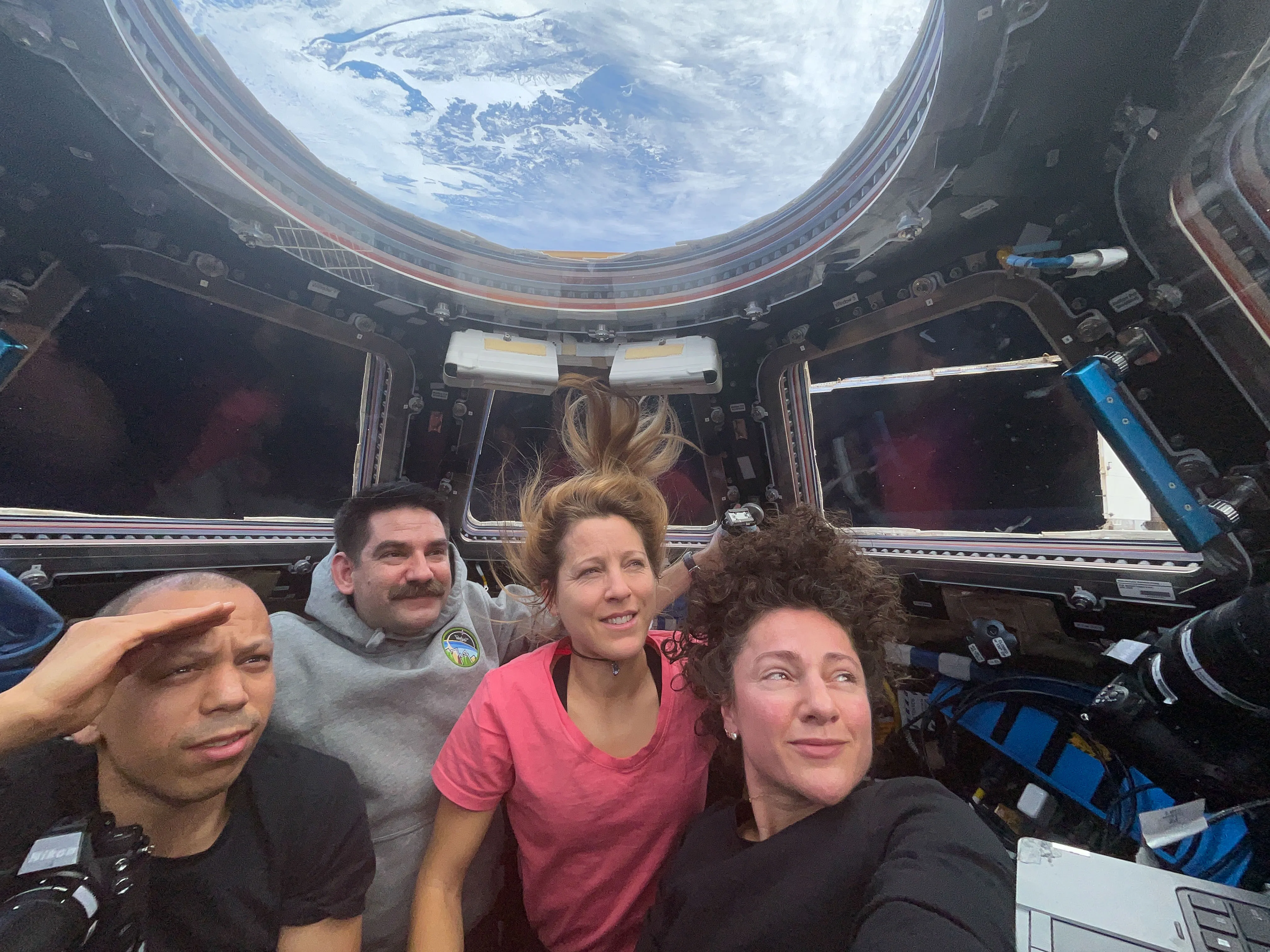
NASA has released comprehensive details of ongoing scientific experiments aboard the International Space Station that underpin future exploration missions to the Moon and Mars. The announcement follows the Artemis II crewed flight in April 2026, which marked the first crewed lunar flyby in more than 50 years and validated key systems for deep space human exploration.
While the Artemis mission demonstrated readiness for lunar return, work aboard the orbiting laboratory continues to refine the technologies required for sustained presence beyond low Earth orbit. Astronauts are currently testing systems to counteract the physiological effects of microgravity, generate medical supplies in situ, and automate routine tasks to reduce crew workload.
A primary focus is the European Enhanced Exploration Exercise Device, a compact system designed to counteract the average loss of 1 to 1.5 per cent of bone density per month experienced in microgravity. The device allows for varied exercises and gravity simulation, aiming to provide more efficient solutions for exploration crews than current equipment.
Medical preparedness is addressed through the Intravenous Fluid Generation – Mini investigation, which evaluates the production of intravenous fluids using the station’s potable water supply. This technology aims to overcome the 16-month shelf-life limitation of commercial fluids, thereby reducing launch mass and volume while ensuring medical capabilities during missions too distant for resupply.
Robotic efficiency is being enhanced via the Test facility for lab-aUtomation System in Kibo, which studies how microgravity affects delicate robotic operations. Insights from this study will inform the design of automated systems capable of executing tasks independently, freeing astronauts to focus on higher-priority activities.
Physiological monitoring extends to cardiovascular and respiratory health through the Causal Analysis of Cardiorespiratory Coupling on the ISS investigation. Utilising the Bio-Monitor smart shirt, researchers track heart rate, blood pressure, and breathing rates to understand how these systems adapt to spaceflight and to develop preventative measures for conditions such as blood clots.
Additional studies include the Mind/Body Practices for Deep Space Exploration experiment, which evaluates non-invasive practices like meditation to mitigate stress and improve sleep during prolonged isolation. Radiation monitoring is being advanced by the Fiber-optic Active Dosimeter, which uses optical fibres that darken when exposed to radiation to provide real-time safety data.
Propulsion and habitat safety are also under scrutiny. The Zero Boil-Off Tank Noncondensables investigation assesses how non-liquefying gases impact pressure control and evaporation rates in cryogenic fuel tanks, supporting the design of more efficient storage systems. Meanwhile, the Genomic Enumeration of Antibiotic Resistance in Space survey uses DNA sequencing to identify antibiotic-resistant organisms, enhancing onsite diagnostic capabilities for crew health.
This body of research, coupled with Artemis and Moon Base programs, demonstrates NASA’s strategy for preparing astronauts for the rigours of sustained exploration on the Moon and eventual missions to Mars.