NASA Unveils New STEM Engagement Pathways and Mission Milestones for School Year
As the new academic term begins, NASA is promoting a suite of educational initiatives designed to build a pipeline of technical experts, alongside key dates for major spaceflight operations.
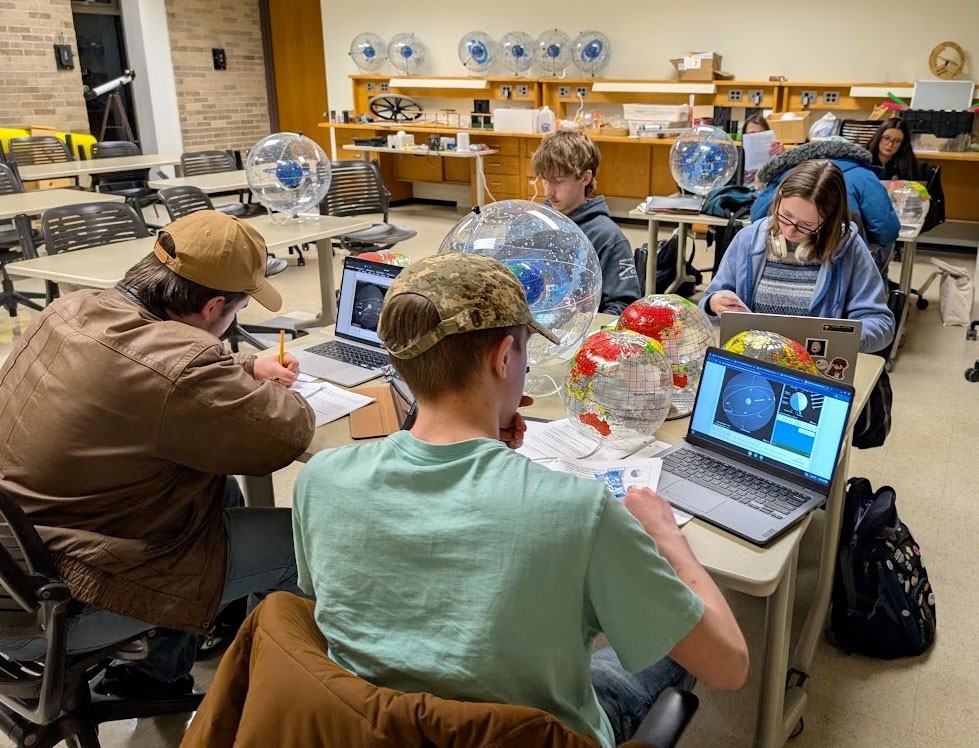
NASA has announced a comprehensive range of opportunities for students to engage with space exploration and STEM education as the new school year begins. The agency is directing attention to its Learning Resources website, where it has collated internships, student challenges, career technical education days, and virtual career connections. These initiatives aim to build a pipeline of skilled technical experts for the aerospace industry, providing students with authentic mission experiences and industry-ready skills.
Internships allow students to work on genuine agency projects under the guidance of NASA mentors. Meanwhile, student challenges involve teams tackling critical technical hurdles by developing, prototyping, and testing designs. The agency also invites students in high school, community college, and career technical education programs to explore career paths through in-person NASA Career Technical Education Days and virtual Next Gen STEM Virtual Career Connections, where they can interact live with technical experts.
In addition to educational pathways, NASA is highlighting significant upcoming mission milestones. The Nancy Grace Roman Space Telescope is scheduled to launch no earlier than 7:20 a.m. EDT on Sunday, 30 August. Described as a powerful new observatory, it features a field of view at least 100 times larger than the Hubble Space Telescope. NASA is inviting the public to be virtual guests for the launch and to participate in related educational activities.
Further ahead, the SpaceX Crew-13 mission, a crewed launch to the International Space Station, is set to launch in September. Schools and student groups can also participate in In-Flight STEM Downlinks, where pre-recorded questions are answered live by astronauts aboard the station. The agency is also tracking preparations for Artemis III, scheduled to launch into Earth orbit in 2027 to test rendezvous and docking capabilities with commercial human landing systems for future lunar missions.
The agency is simultaneously inviting public participation in citizen science projects, encouraging volunteers to identify comets, asteroids, and binary star systems using authentic mission data. Through the NASA Engages public outreach program, experts connect with student audiences to share mission updates. All opportunities, including the weekly NASA EXPRESS email newsletter, are accessible via the agency’s Learning Resources website.