NASA outlines technical hurdles for lunar South Pole base
From hazardous regolith to shifting shadows, the path to a permanent lunar settlement requires distributed infrastructure and cross-disciplinary collaboration, according to recent agency presentations.
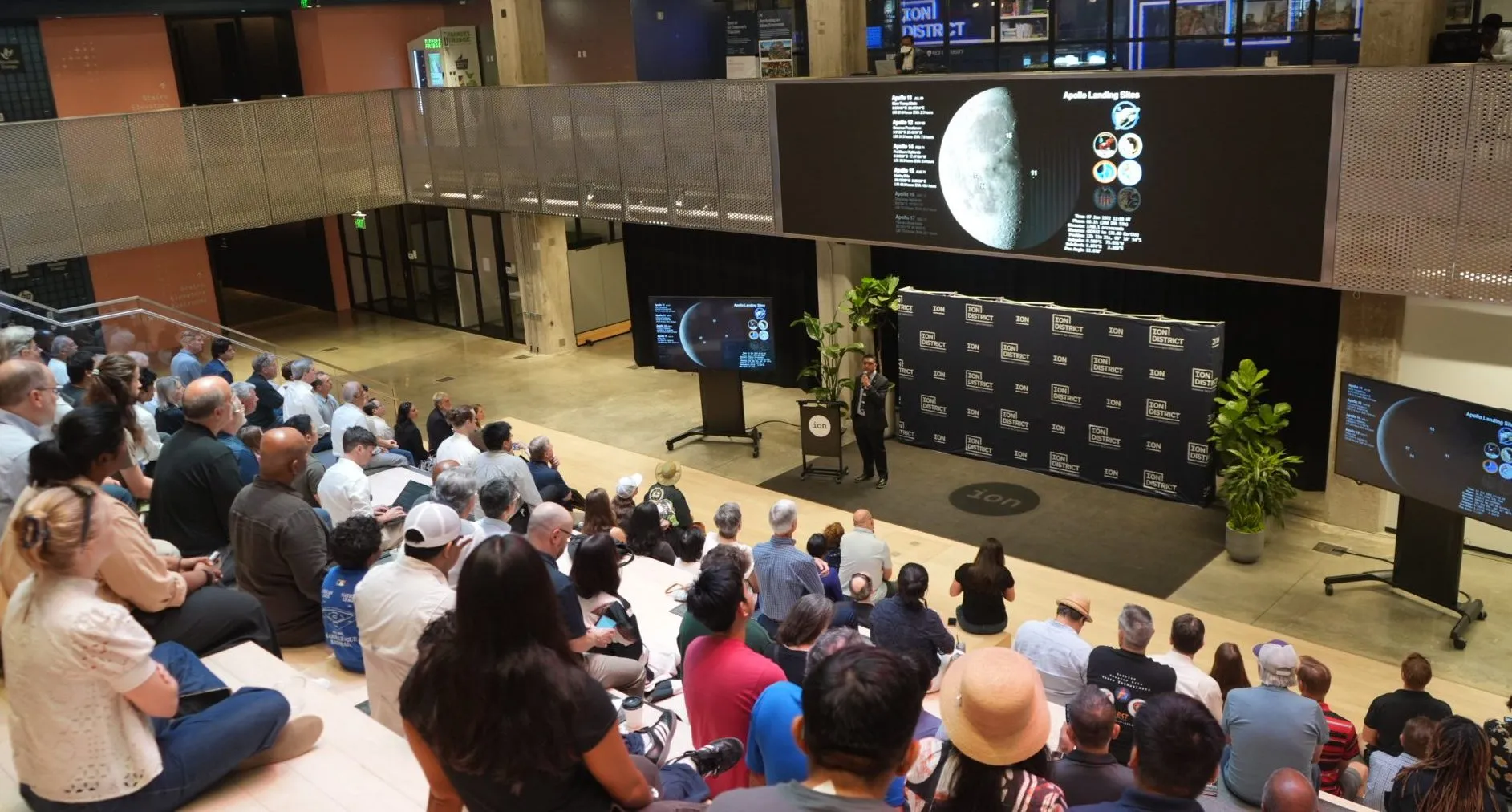
NASA is preparing for increasingly complex operations on the lunar surface, a transition that will demand new ideas, advanced technologies, and expertise across a wide range of disciplines. Shatel Bhakta, principal systems engineer for the agency’s Moon Base Program, outlined these requirements during a presentation at the ‘NASA Stories at the Ion’ event on July 30. The session, hosted by NASA’s Johnson Space Center in partnership with Rice University and the Ion District, highlighted the significant engineering and logistical hurdles standing between current capabilities and a sustained human presence at the lunar South Pole.
The lunar South Pole presents an environment markedly different from previous Apollo landing sites. The region is characterised by steep slopes, deep craters, and lighting conditions that shift throughout the year. Because the Sun remains low on the horizon, it creates moving shadows that can complicate navigation and leave solar panels without sunlight for extended periods. These conditions increase the reliance on energy storage systems and necessitate robust power solutions to maintain operations in an environment where sunlight is not a constant resource.
Terrain and lighting constraints may also dictate the physical layout of the base. Bhakta noted that the Moon Base may not consist of a single cluster of connected structures. Instead, the rugged landscape, combined with landing and power requirements, could force habitats and surface systems to be distributed across the lunar terrain. This dispersion would require a sophisticated communications infrastructure to relay signals, as crews and rovers may frequently lose direct line of sight to Earth due to the region’s topography.
One of the most persistent challenges identified is lunar regolith, or Moon dust. This substance is sharp and clingy, posing significant risks to equipment, spacesuits, and astronaut health. Its electrostatic properties can vary depending on lighting and environmental conditions, making it difficult to predict and mitigate. Understanding the behaviour of regolith is essential for ensuring that crews can live and work safely, while also protecting the sensitive instruments required to explore permanently shadowed regions that may contain water ice and other volatile materials.
NASA is adopting a step-by-step approach to development, utilising early robotic missions and technology demonstrations to gather data and reduce risks before expanding human operations. The agency views the lunar surface as a proving ground for future missions to Mars, allowing it to test how crews, equipment, and infrastructure perform away from Earth. Bhakta emphasised that building the base will require more than just engineers; it needs communicators, business professionals, and researchers to help solve problems and share the agency’s work.
Multiple solicitations are currently open for commercial and international partners to participate in early demonstrations and long-term surface operations. By keeping the Moon Base architecture adaptable and focusing on how individual systems connect, NASA aims to create a sustainable presence that supports exploration further into the solar system. The agency continues to seek collaboration from a broad range of experts, reinforcing that there are many ways to contribute to the future of space exploration.