West Virginia engineer sworn in as NASA civil servant after rapid rise
A systems engineer from Grafton has been converted to civil service status, joining 48 colleagues in a workforce directive aimed at strengthening long-term mission assurance capabilities.
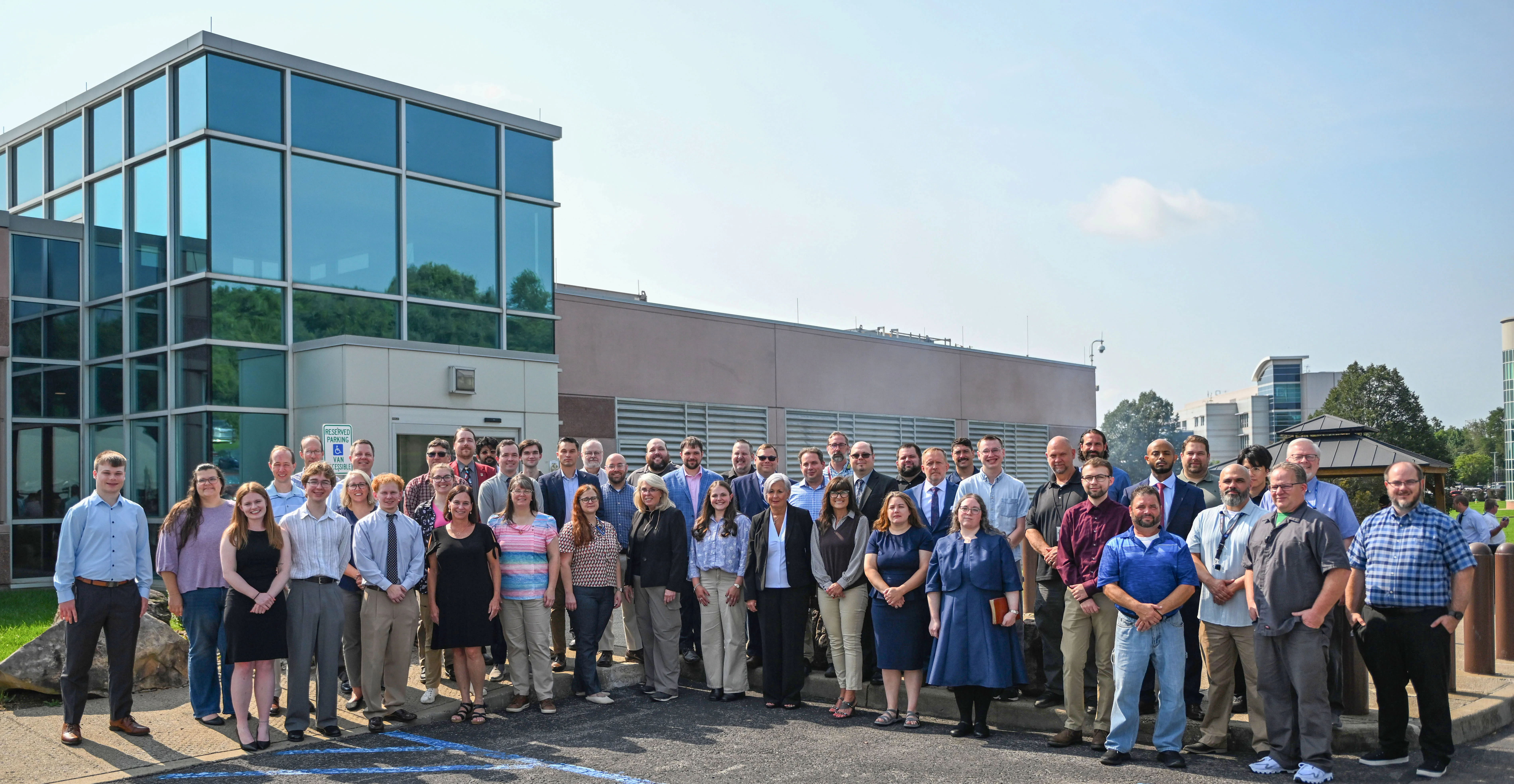
Fletcher Newell, a systems engineer from Grafton, West Virginia, was sworn in as a NASA civil servant on August 10 alongside 48 colleagues at the NASA Katherine Johnson Independent Verification and Validation (IV&V) Facility. The ceremony marked a significant milestone in Newell’s career, which began with a fourth-grade field trip to the facility in 2013 and culminated in his recognition as the IV&V Engineer of the Year in 2025.
Newell’s transition to civil service status is part of a broader NASA workforce directive designed to convert core, mission-critical positions from contractor roles to civil service. This initiative aims to strengthen long-term technical capabilities and ensure robust mission assurance for challenging national missions. IV&V Director Wes Deadrick described the move as an investment in NASA’s future, allowing the agency to retain exceptionally talented individuals who support the nation’s most demanding space exploration efforts.
Before joining the IV&V team as a contractor in early 2025, Newell built a strong technical foundation through self-directed learning and academic rigour. He taught himself to code during high school and secured a high school internship at the facility in 2019, where he created databases to streamline engineering workflows. He subsequently earned both undergraduate and master’s degrees in computer science from Stanford University, focusing on artificial intelligence and machine learning.
Rather than pursuing opportunities in Silicon Valley, Newell returned to West Virginia for three consecutive summers to intern at the IV&V facility. His research during this period covered AI safety, Terrain Relative Navigation, and the responsible integration of generative AI into mission assurance. He also conducted research on autonomous space docking at Stanford’s Center for AI Safety, resulting in two academic publications.
As a full-time systems engineer, Newell has focused on mission safety and security for high-priority spacecraft, including Orion, Gateway, and the Human Landing System. In 2025, he was named IV&V Engineer of the Year after identifying more than 70 issues with clear mission impact on the Gateway and Space Reactor-1 Freedom projects. Colleagues noted his ability to clearly articulate the implications of these defects, a skill that has been vital to the facility’s independent verification efforts.
Newell is currently working on safety and security issues related to NASA’s lunar exploration initiatives, including the Artemis programme and the establishment of a Moon Base. His work involves identifying vulnerabilities that could impact crew safety or lead to the loss of spacecraft control. He stated that IV&V teams are ensuring every major lunar vehicle and system is ready to safely support missions that aim to put American boots on the lunar surface.
The conversion of Newell’s role reflects a strategic effort to maintain institutional knowledge and technical expertise within the civil service. Deadrick highlighted Newell’s decision to return home to support NASA’s mission, noting his exceptional talent and curiosity. For Newell, the move represents a return to the place where his fascination with space exploration first took root, allowing him to contribute to significant scientific achievements in his hometown.