ScienceDraft
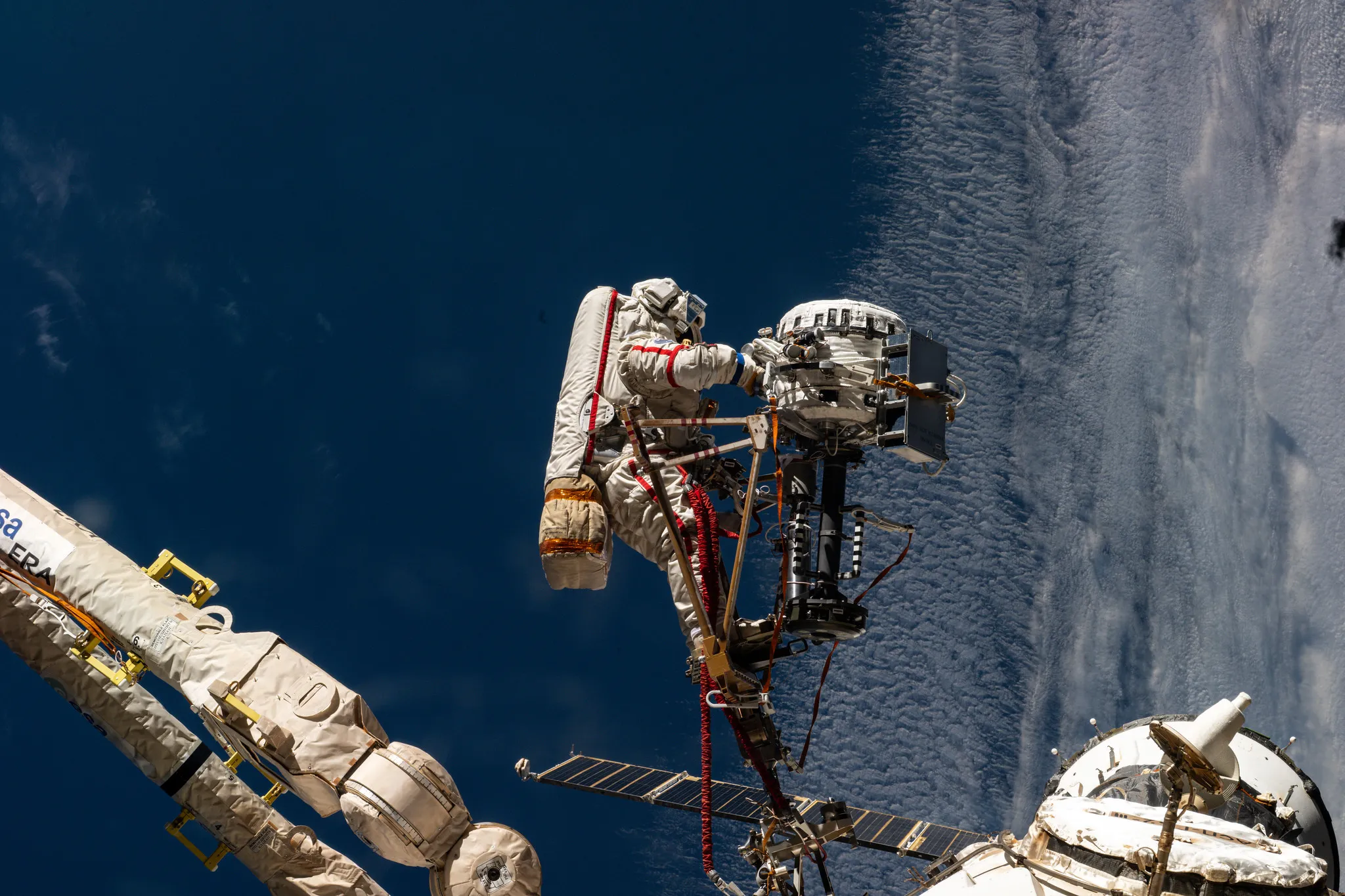
NASA to broadcast live coverage of Roscosmos spacewalk on International Space Station
Live streams will commence at 9:45 a.m. EDT as cosmonauts install solar experiments and inspect cargo spacecraft hardware.
Science DeskRead story
Research, discovery, space, energy systems, and the breakthroughs redrawing what is possible.
Live streams will commence at 9:45 a.m. EDT as cosmonauts install solar experiments and inspect cargo spacecraft hardware.
Data from NASA’s James Webb Space Telescope indicates that more massive star clusters emerge more quickly from their natal clouds, a finding supported by a new near-infrared image of Messier 51 released in May 2026.
From high-altitude science campaigns to high-speed research flights, specially trained staff ensure the safety and reliability of NASA’s expanding aircraft roster.
The US space agency plans to invite bids for the next management and operations contract for the California-based research centre, marking a departure from decades of exclusive arrangements with the California Institute of Technology.
Restructuring aims to increase specialization and integrate mission directorates without staff reductions or program cancellations.
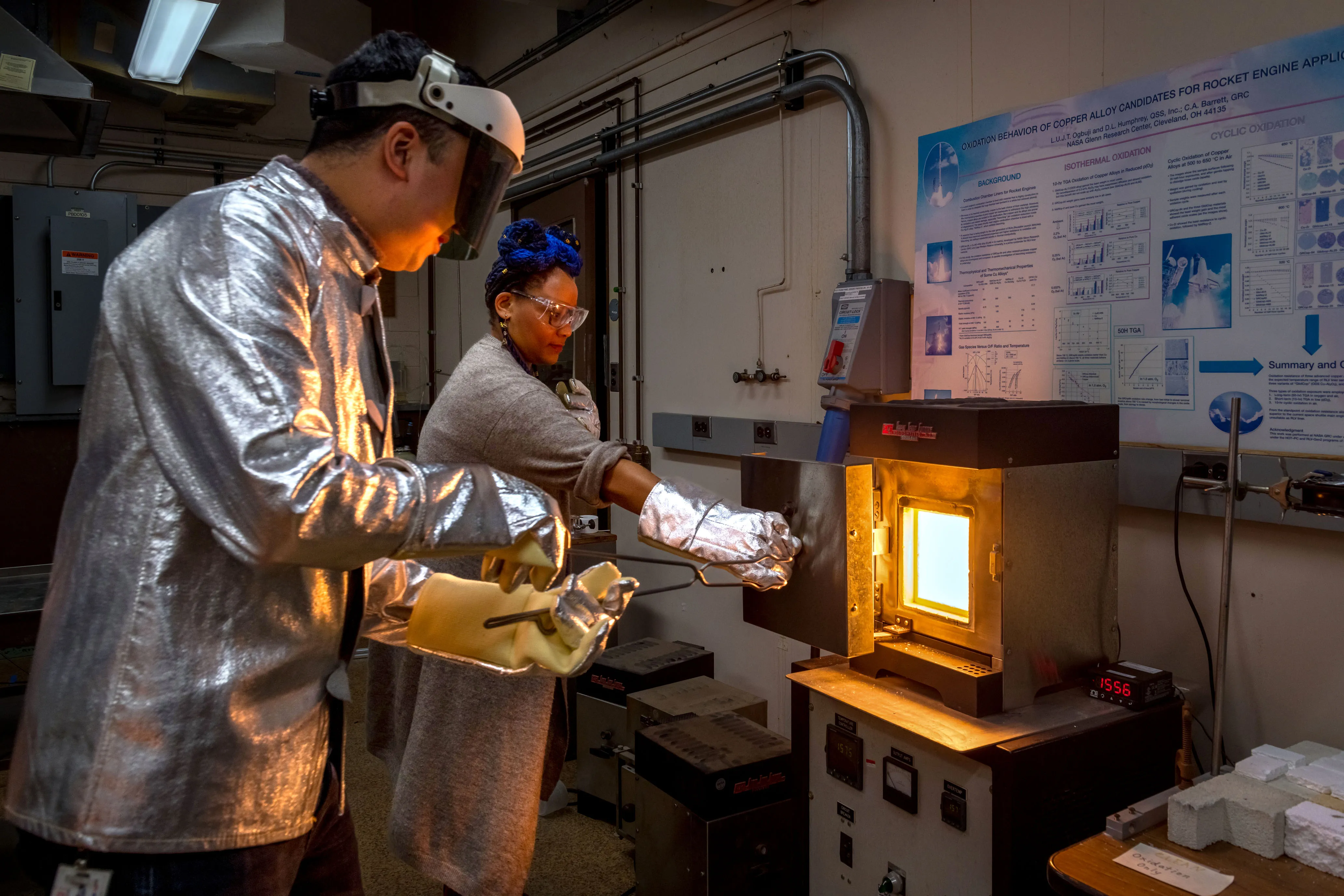
A team at NASA’s Glenn Research Centre has identified a corrosion-resistant material formed from simulated Moon dust and scandium oxide, potentially enabling astronauts to extract resources from the lunar surface.
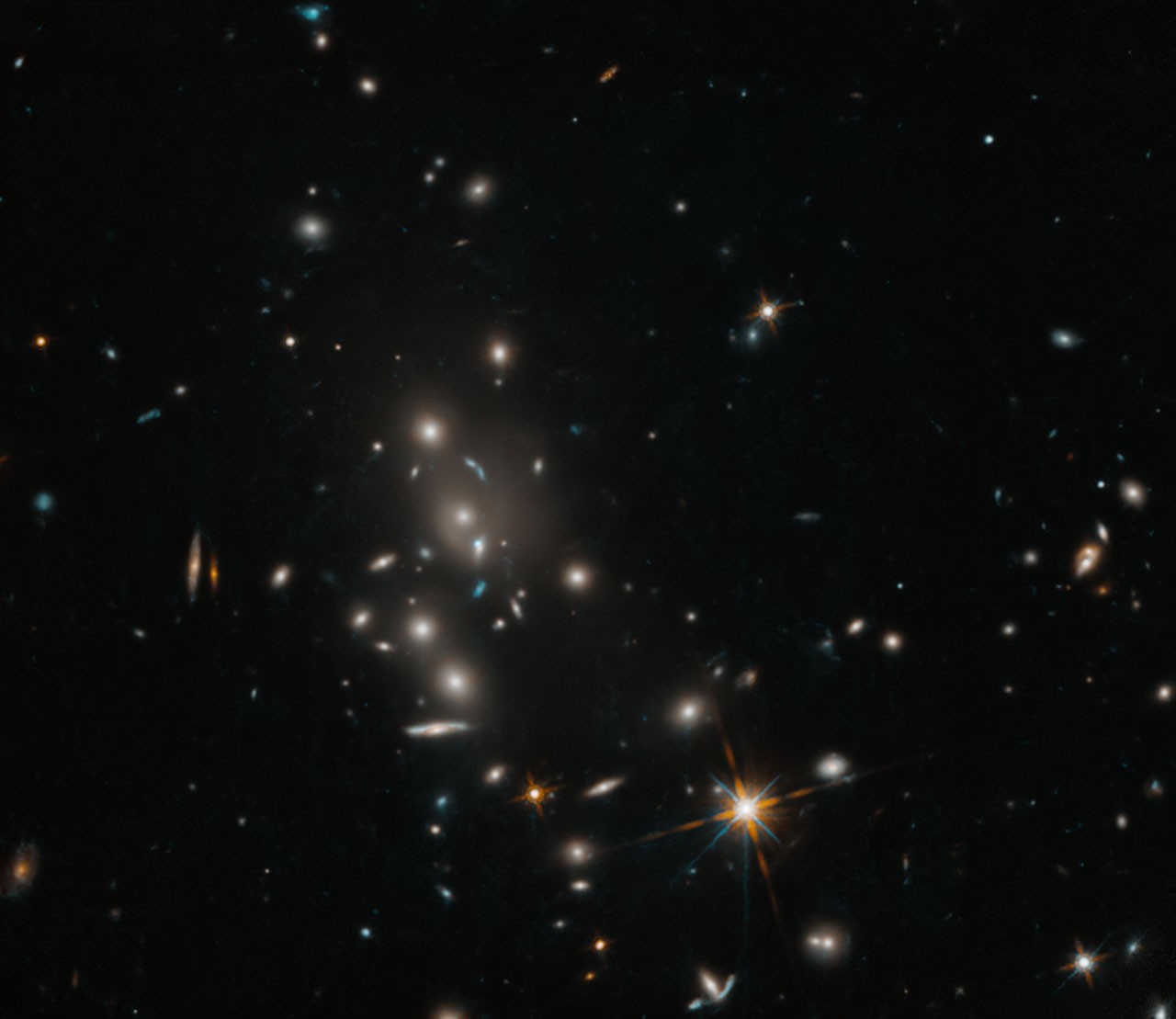
NASA’s observatory records massive, X-ray-bright cluster four billion light-years away as part of ongoing studies into gravitational lensing and core interactions.
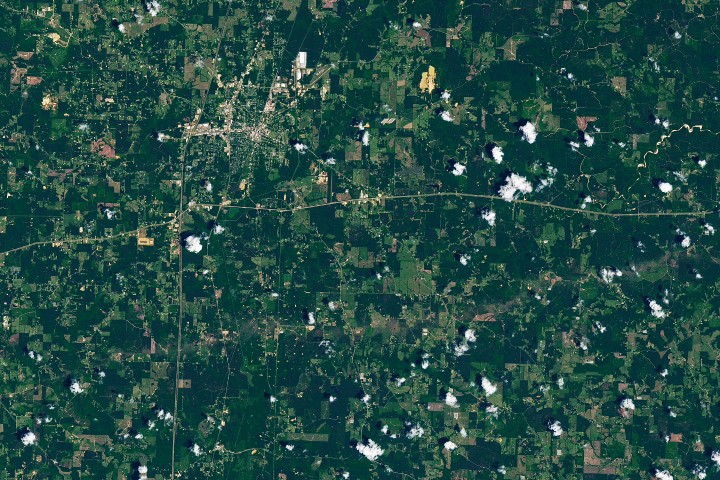
The strongest of seven tornadoes that struck the state on 6 May 2026 left a 132-kilometre track of damaged vegetation, with over 400 homes reported damaged in Lincoln County.
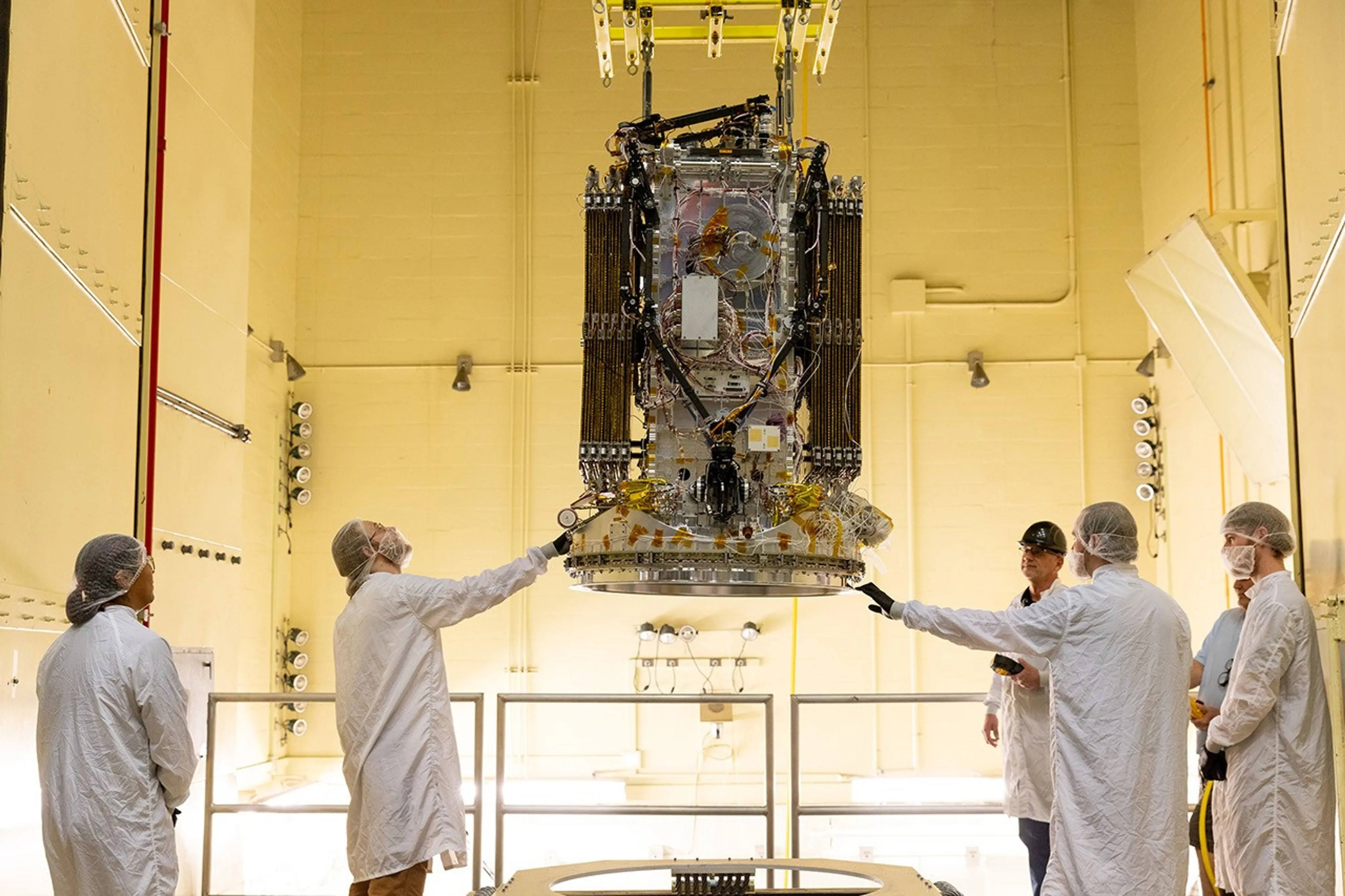
Northrop Grumman’s Pegasus XL rocket carrying the Katalyst mission will be on display at Wallops Flight Facility on June 17, with a launch scheduled for later that month.
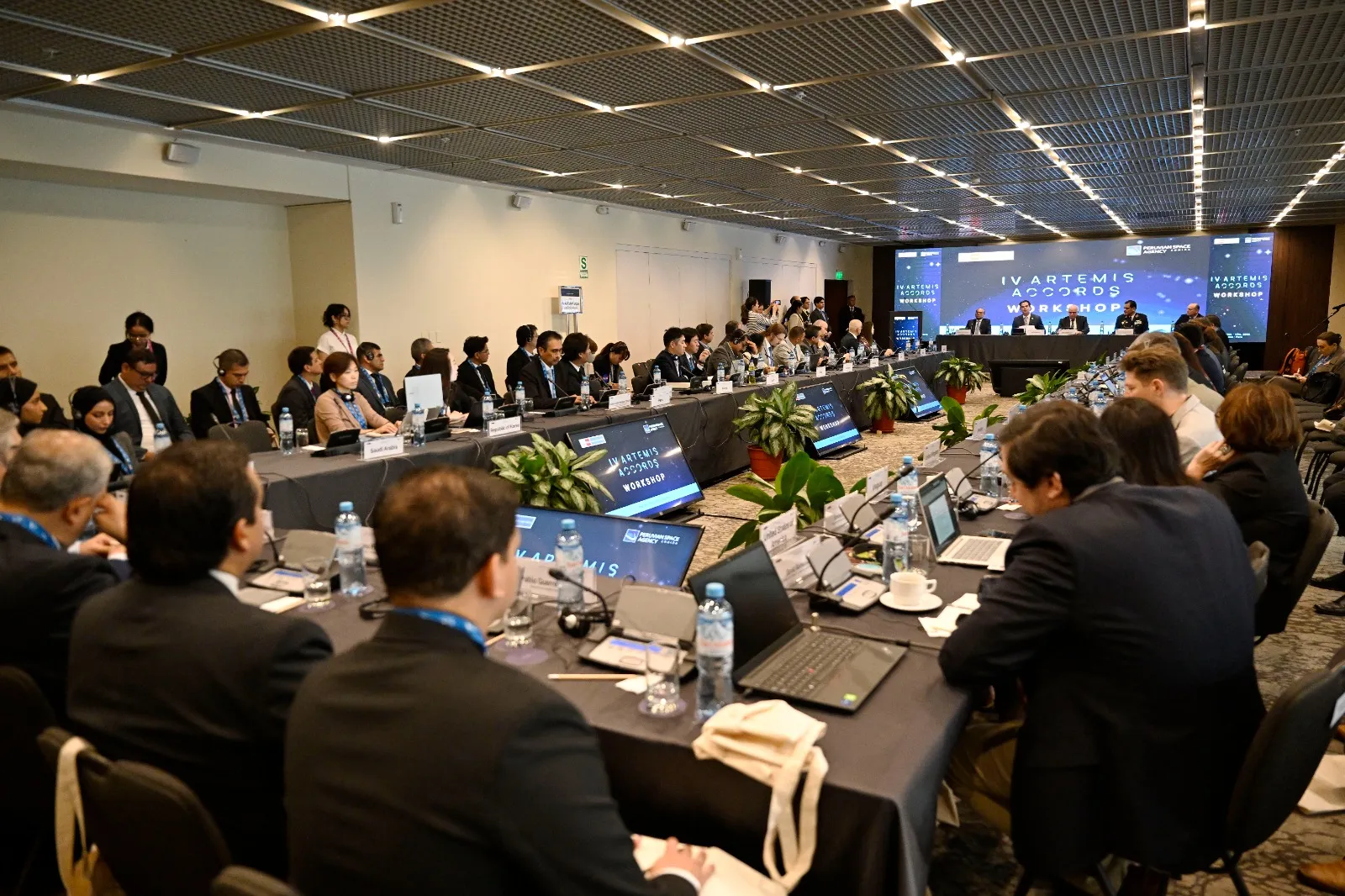
New signatories join technical discussions on safe lunar operations and debris mitigation ahead of planned Moon Base construction.
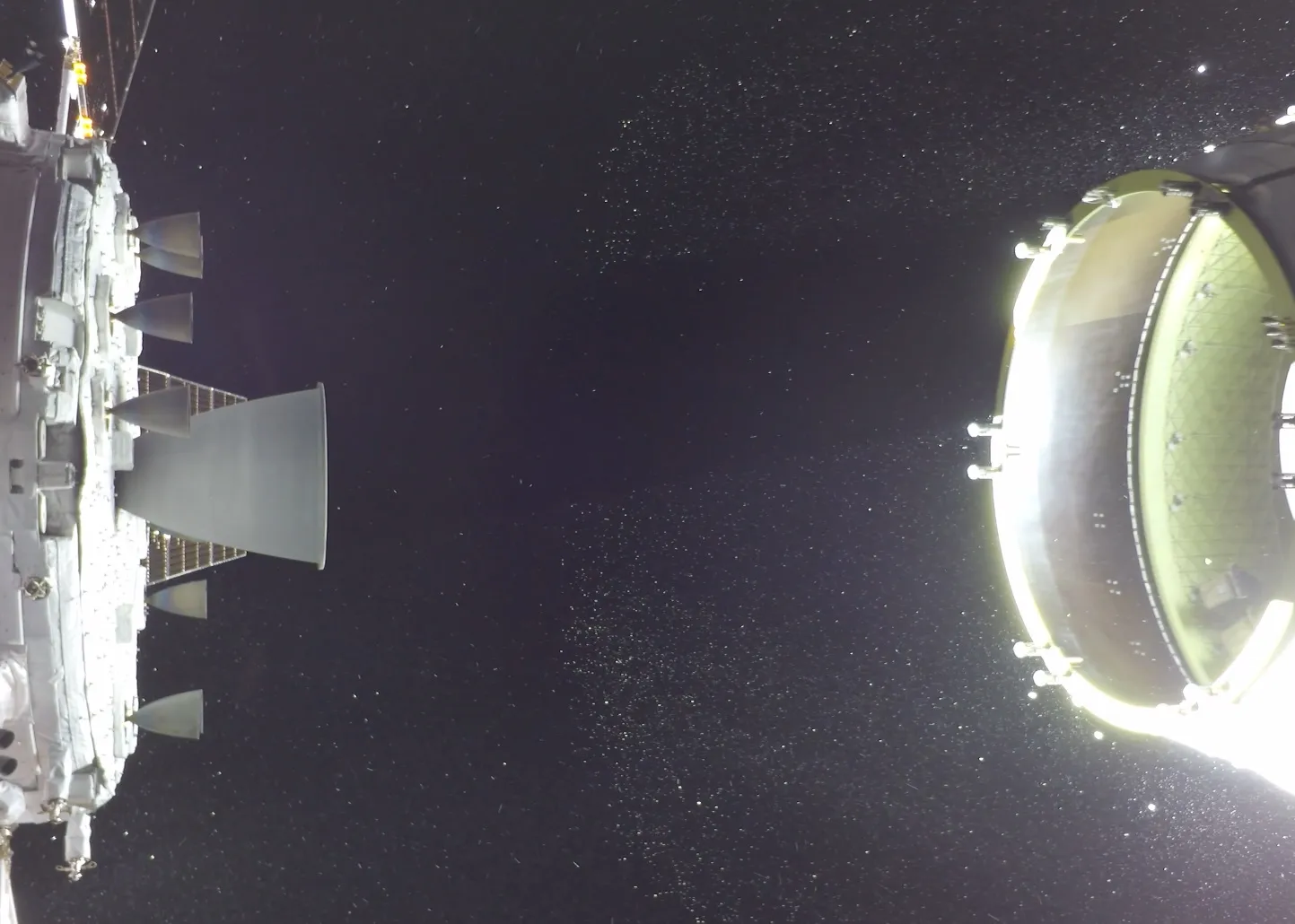
The US space agency is seeking proposals for 6U and 12U-sized nanosatellites, with a response deadline of Monday, June 1, to inform potential deployment opportunities on upcoming lunar missions.
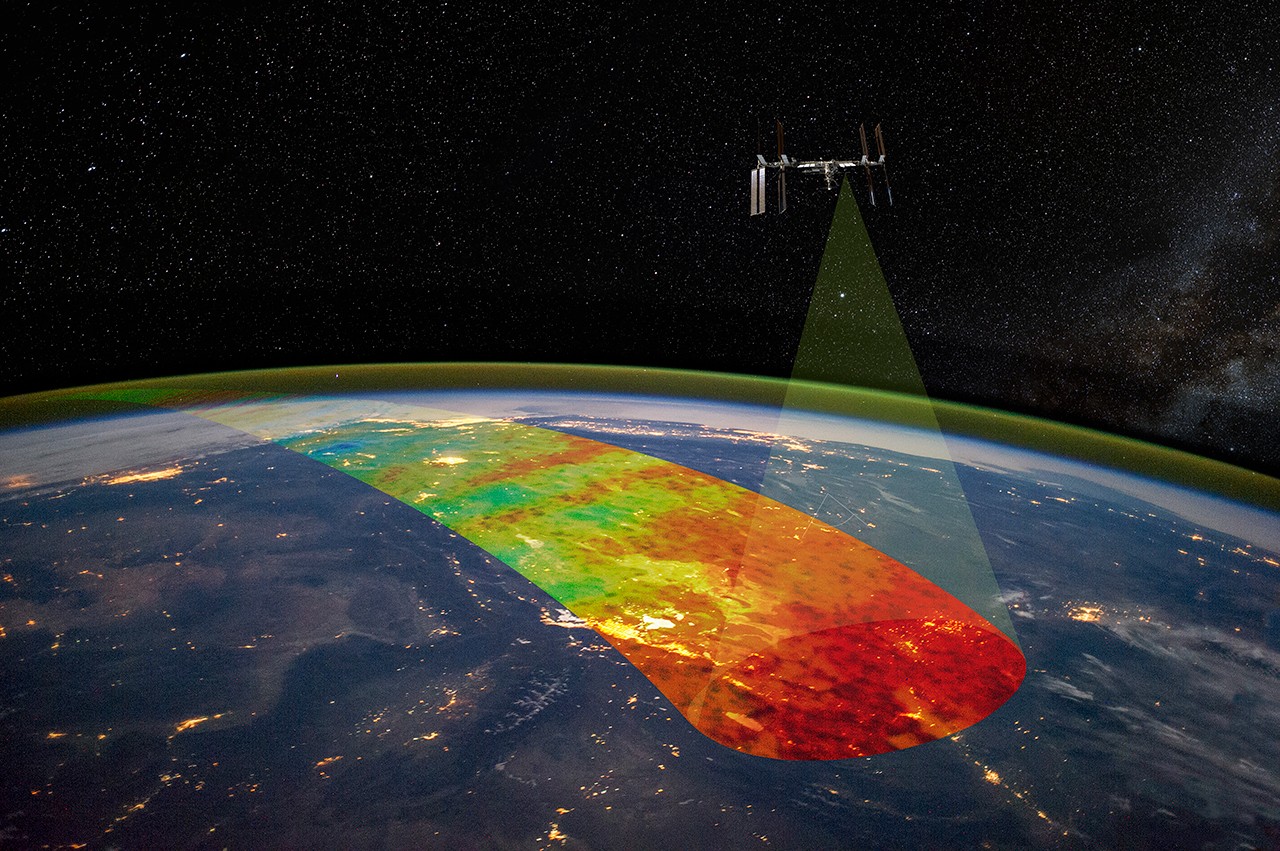
Data from the International Space Station-based sensor shows atmospheric gravity waves can disrupt satellite communications, with findings now available to the public.
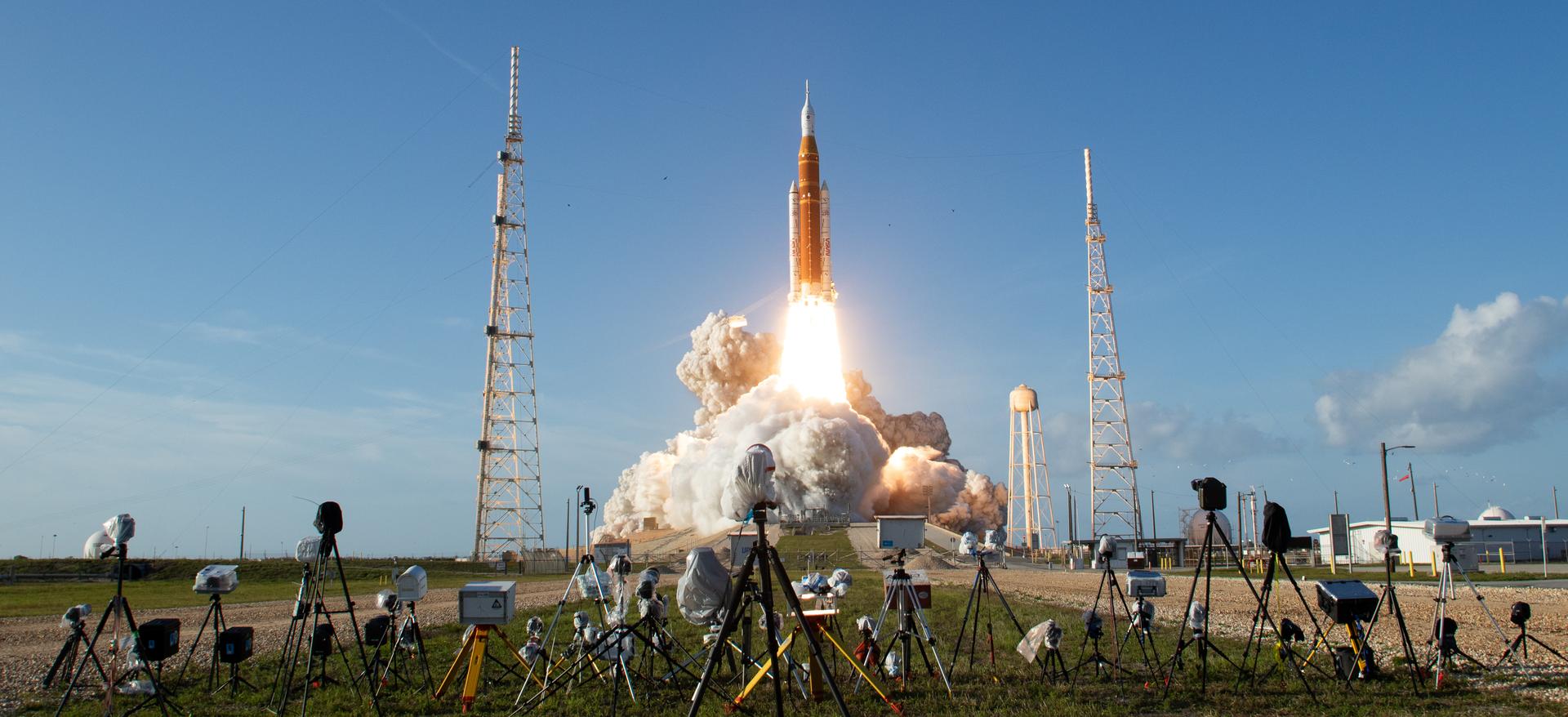
Awards recognise the Artemis II livestream, astronaut training documentation, and a telescope documentary narrated by John Rhys-Davies.
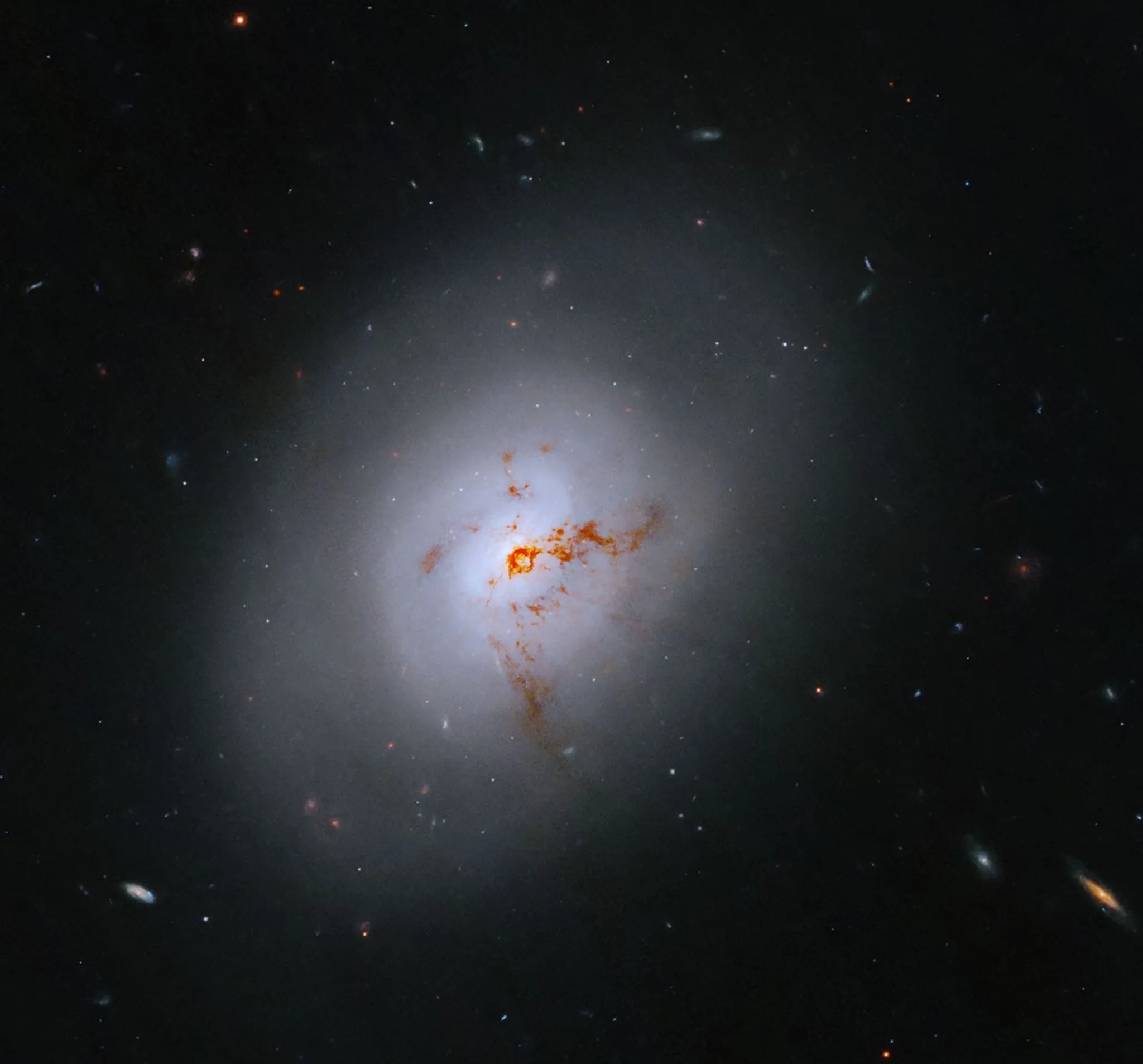
New observations of the enigmatic galaxy NGC 1266 highlight its lens-shaped structure, dust-obscured face, and minimal star formation, offering insight into galactic evolution.
The US space agency’s latest summary of research conducted in microgravity highlights advances in medical technology, materials science, and astronaut health ahead of future lunar and Martian missions.
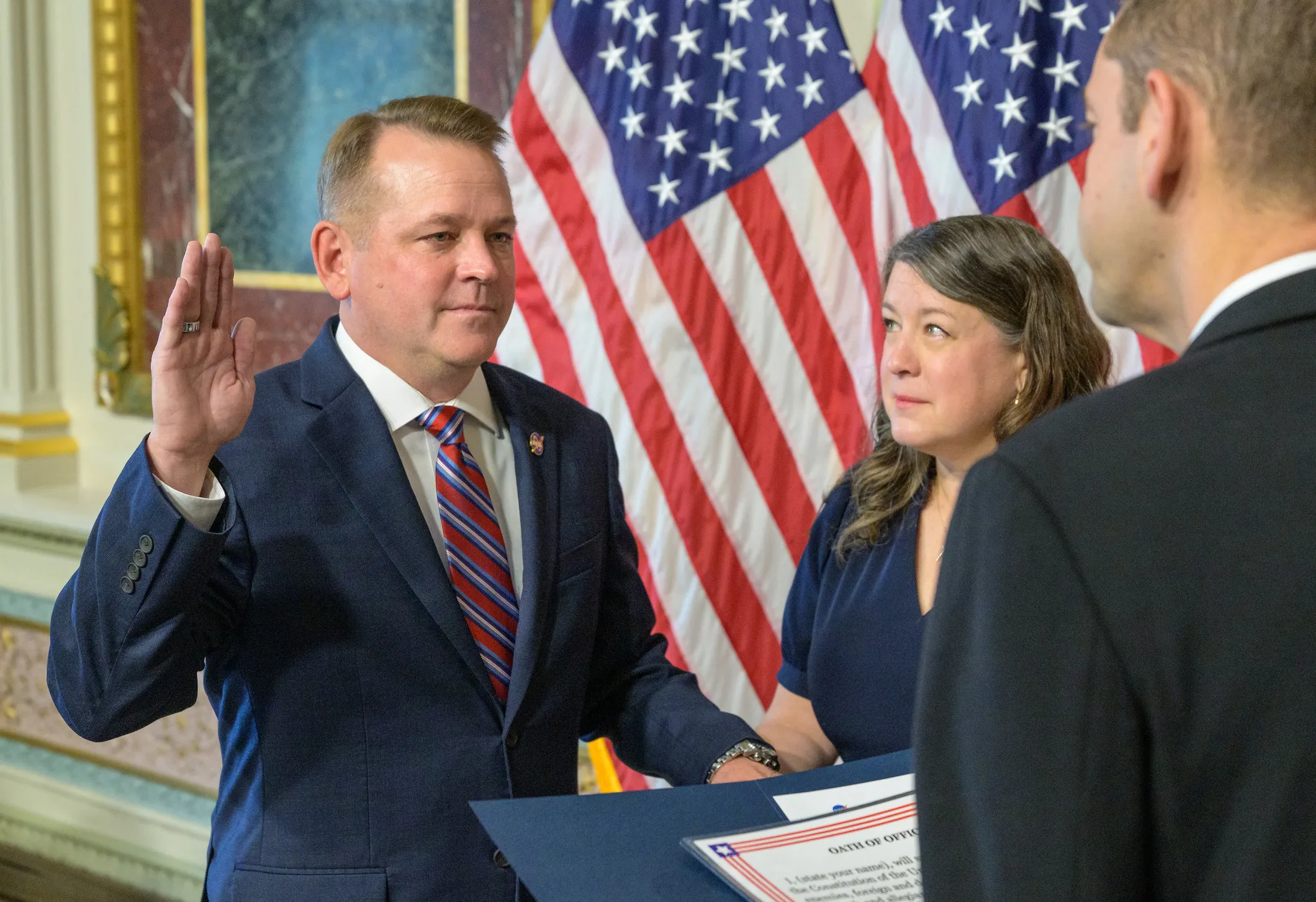
Anderson assumes role to assist in executing national space policy and strengthening US leadership in exploration, science, and aeronautics.
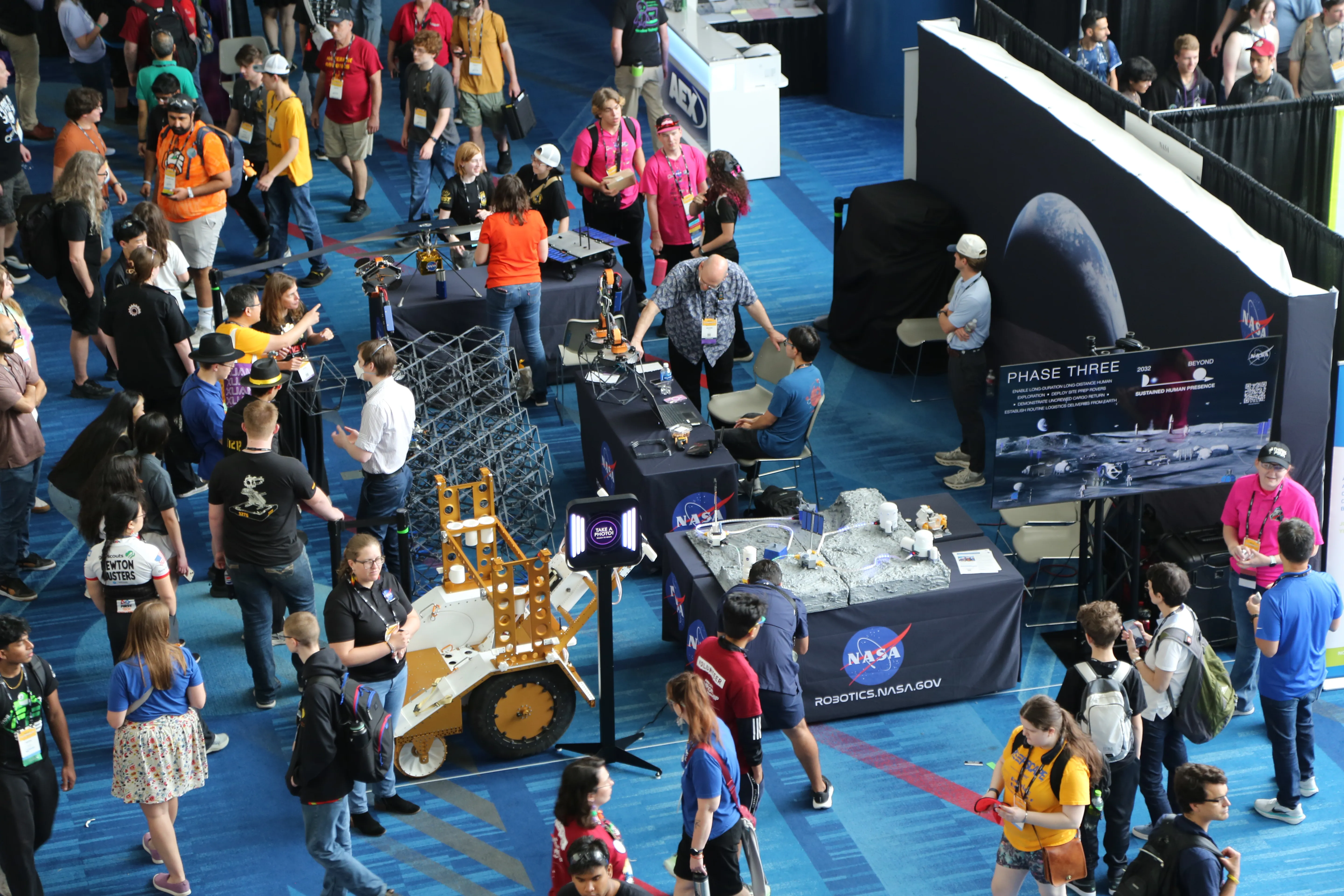
At the 2026 FIRST Robotics World Championship in Houston, NASA engaged 51,000 attendees while detailing its permanent lunar outpost vision and technical support for student teams.
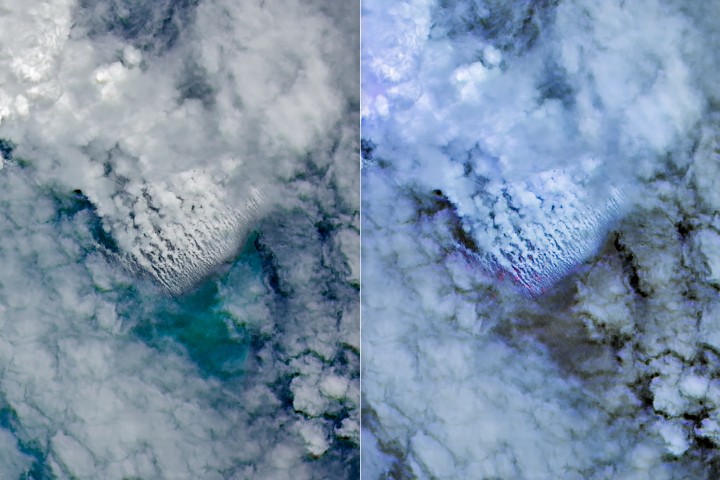
Seismic swarms and thermal anomalies detected since 8 May 2026 suggest a shallow vent, with scientists monitoring for potential new land formation.
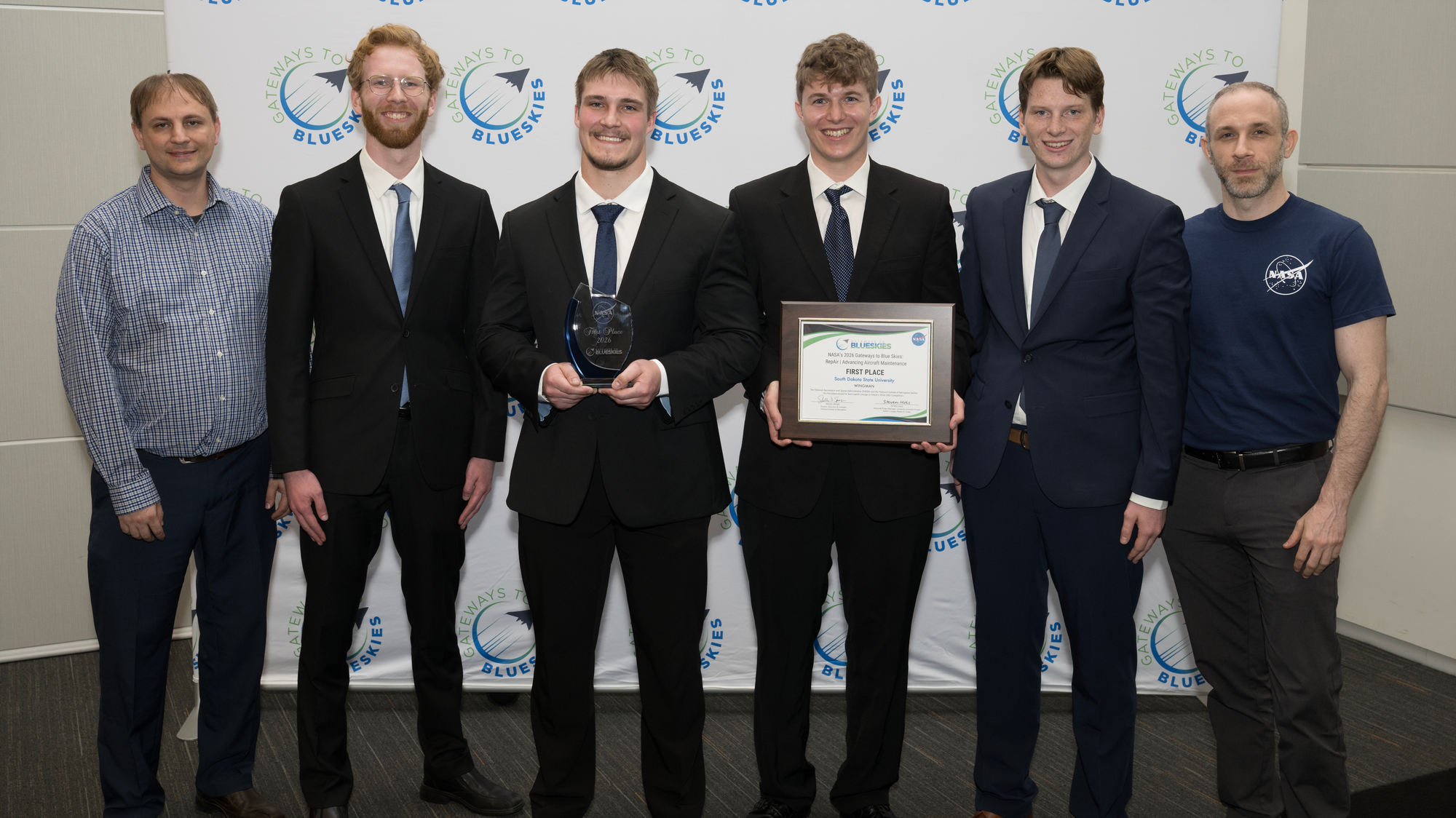
The fifth annual Gateways to Blue Skies Competition challenged students to address critical shortages in the aviation maintenance workforce by 2035.
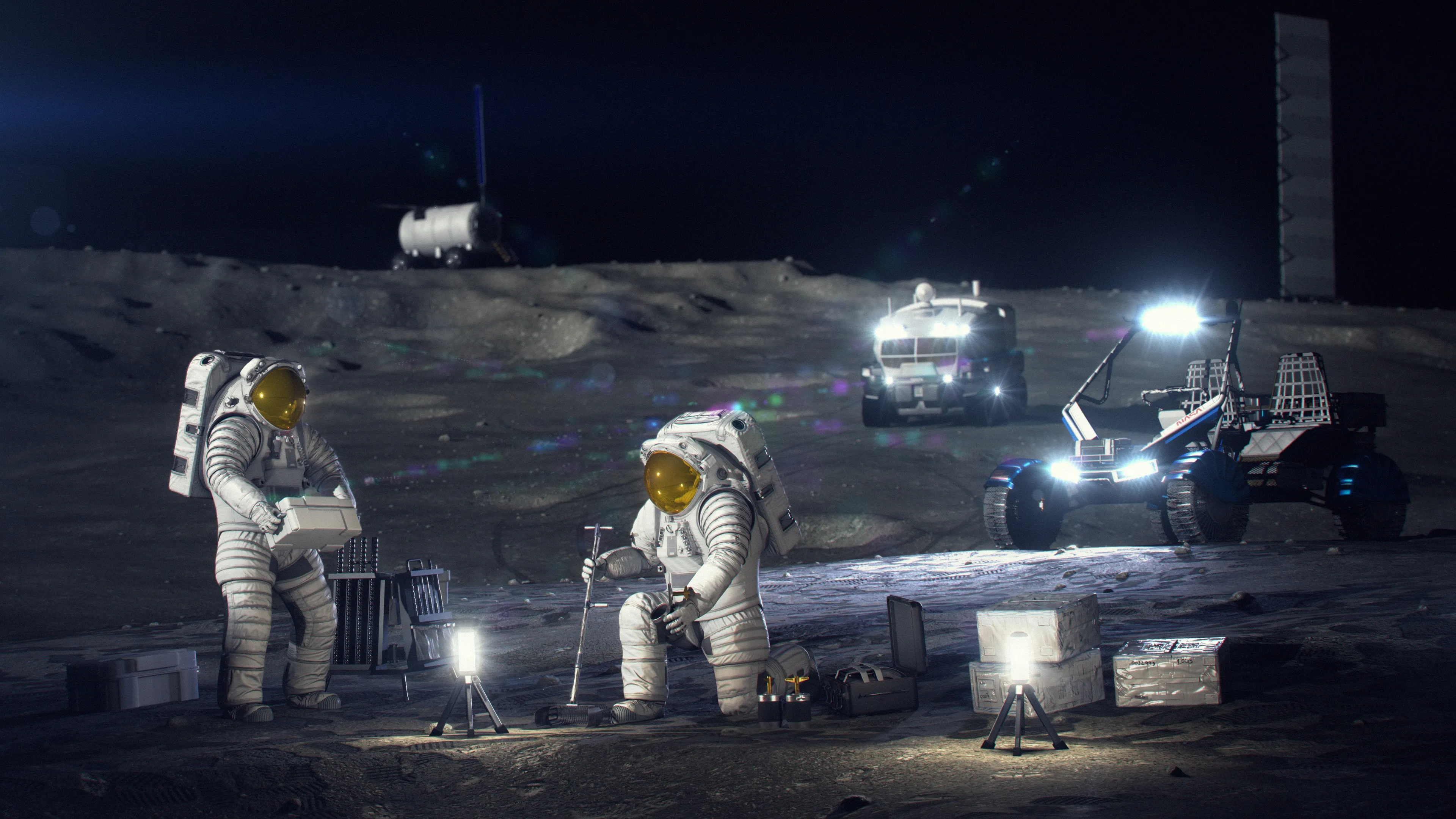
The US space agency will host a press conference on 26 May to detail plans for the Lunar Base, highlighting progress toward long-term exploration and infrastructure development.
The US space agency invites proposals for payloads capable of robotic manipulation in low Earth orbit, with winners set for a cost-free demonstration aboard the Fly Foundational Robots platform in 2028.
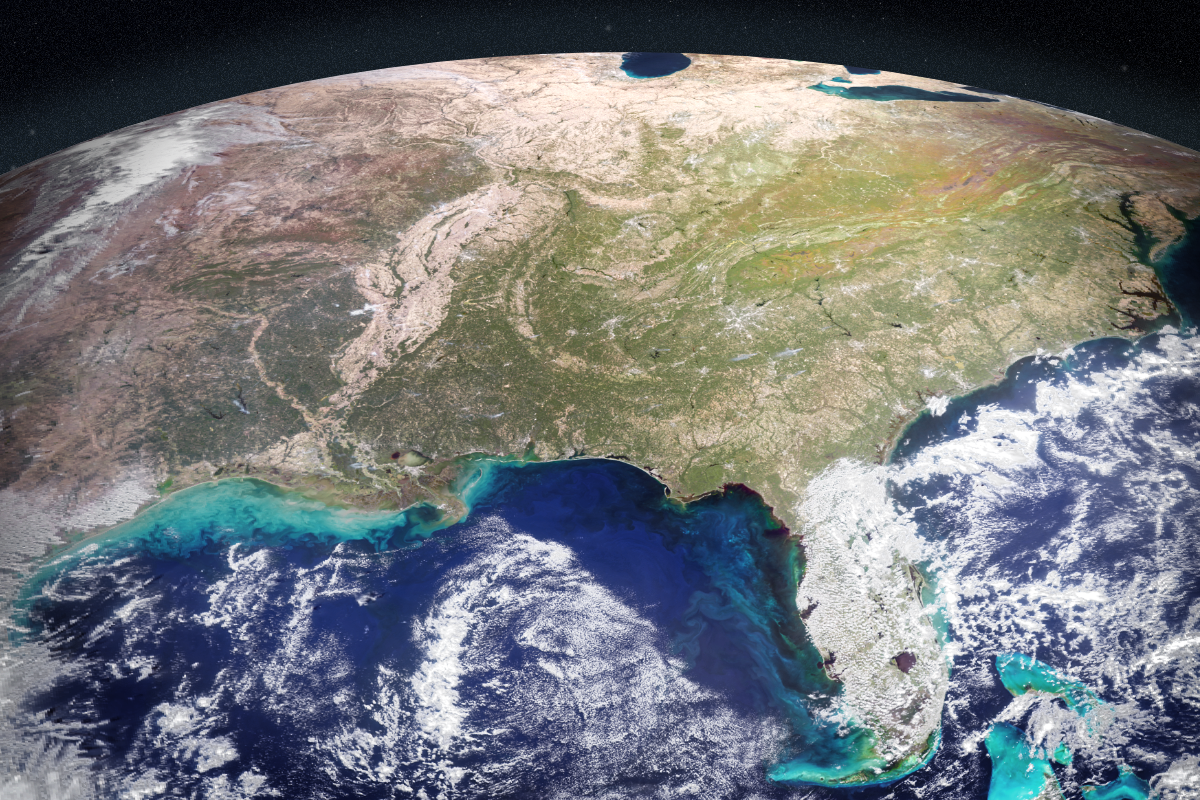
Researchers report the tool successfully detects specific algal species in complex coastal waters, aiming to help health agencies target water sampling and issue warnings more efficiently.
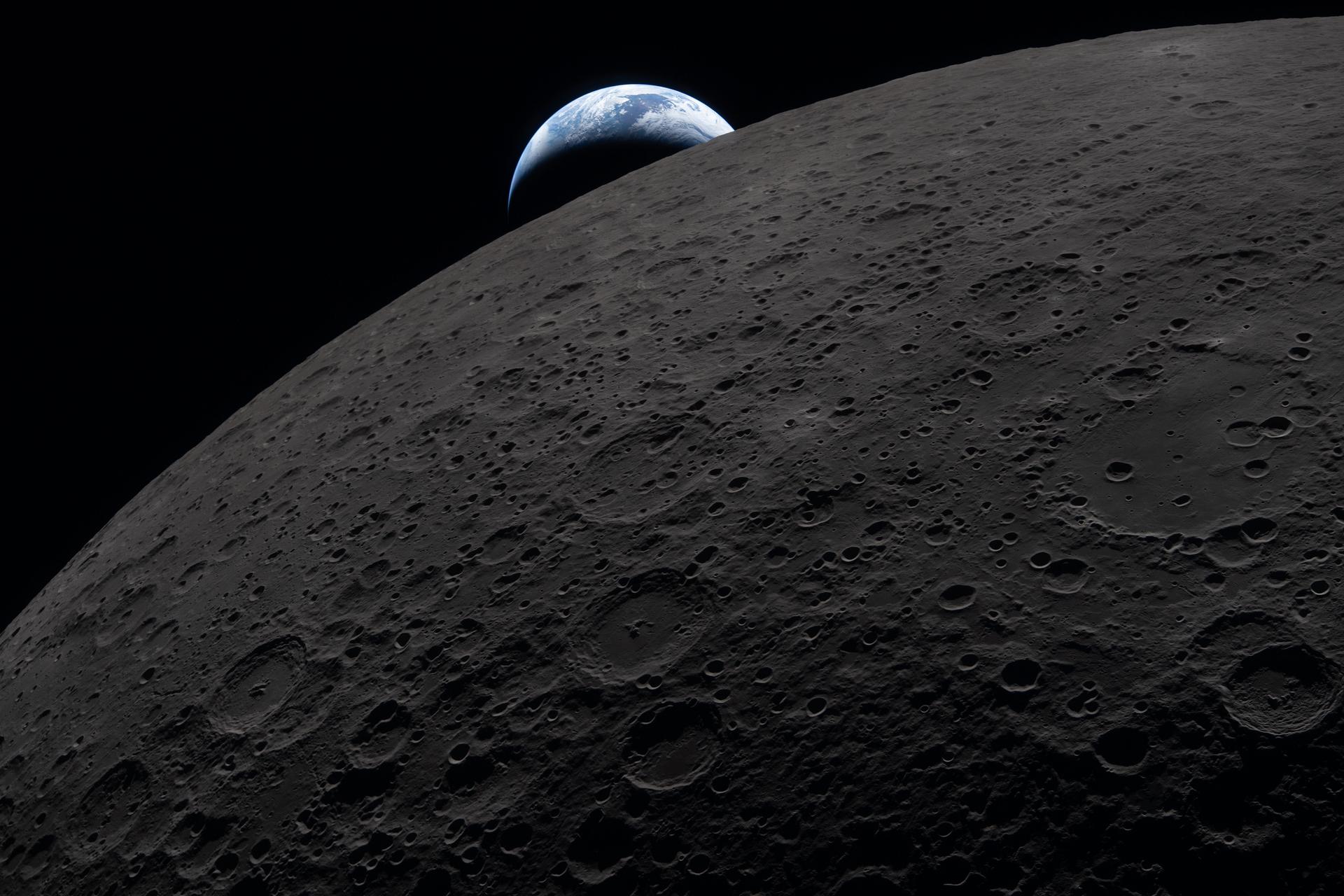
The 2026 Civil Space Shortfall Ranking streamlines feedback into 32 categories and selects 40 investment focus areas, including lunar surface operations and advanced computing.
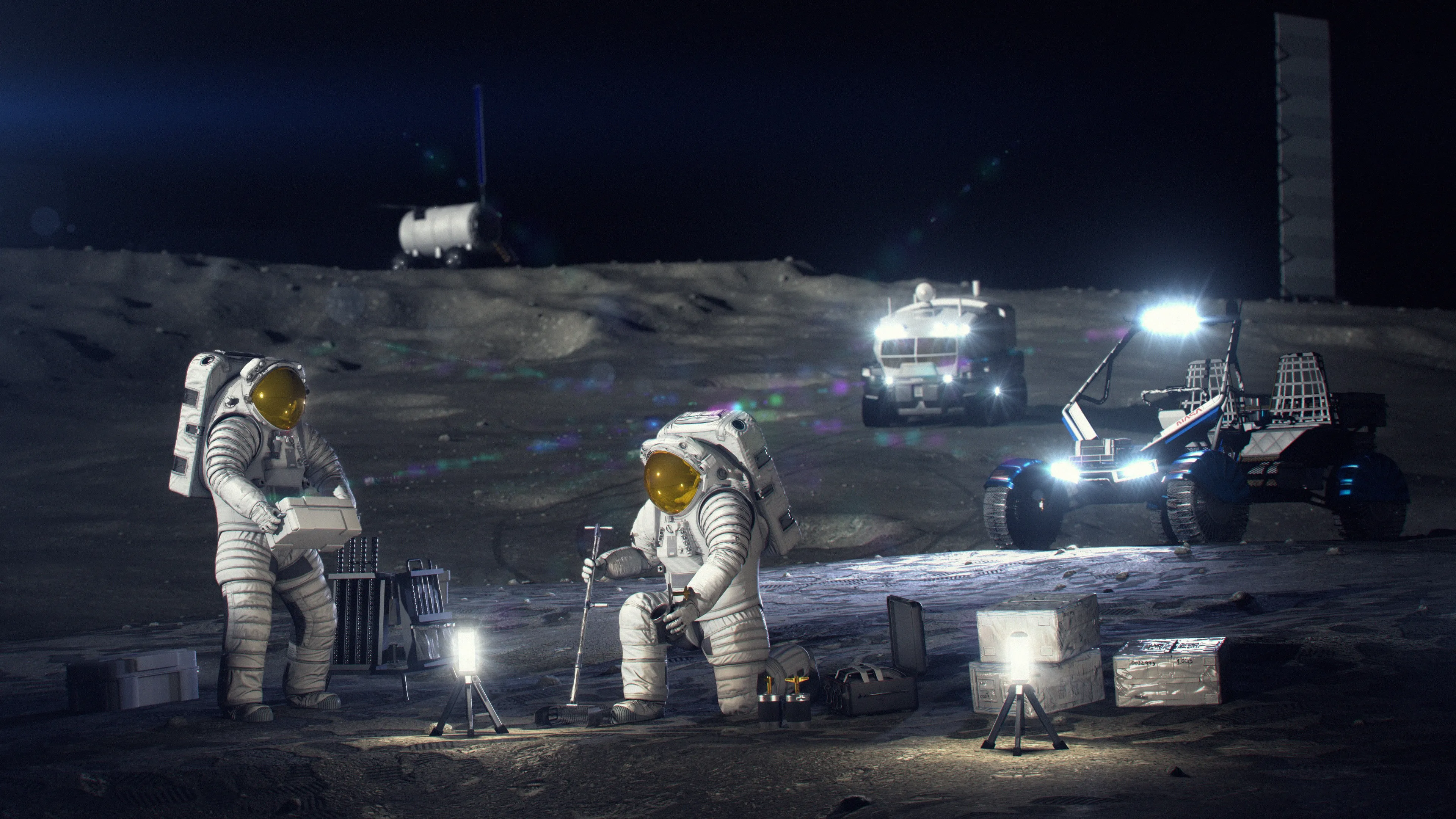
Leadership will discuss progress toward a sustained human presence at the lunar South Pole, including new industry partnerships and the strategic foundation for future Mars exploration.
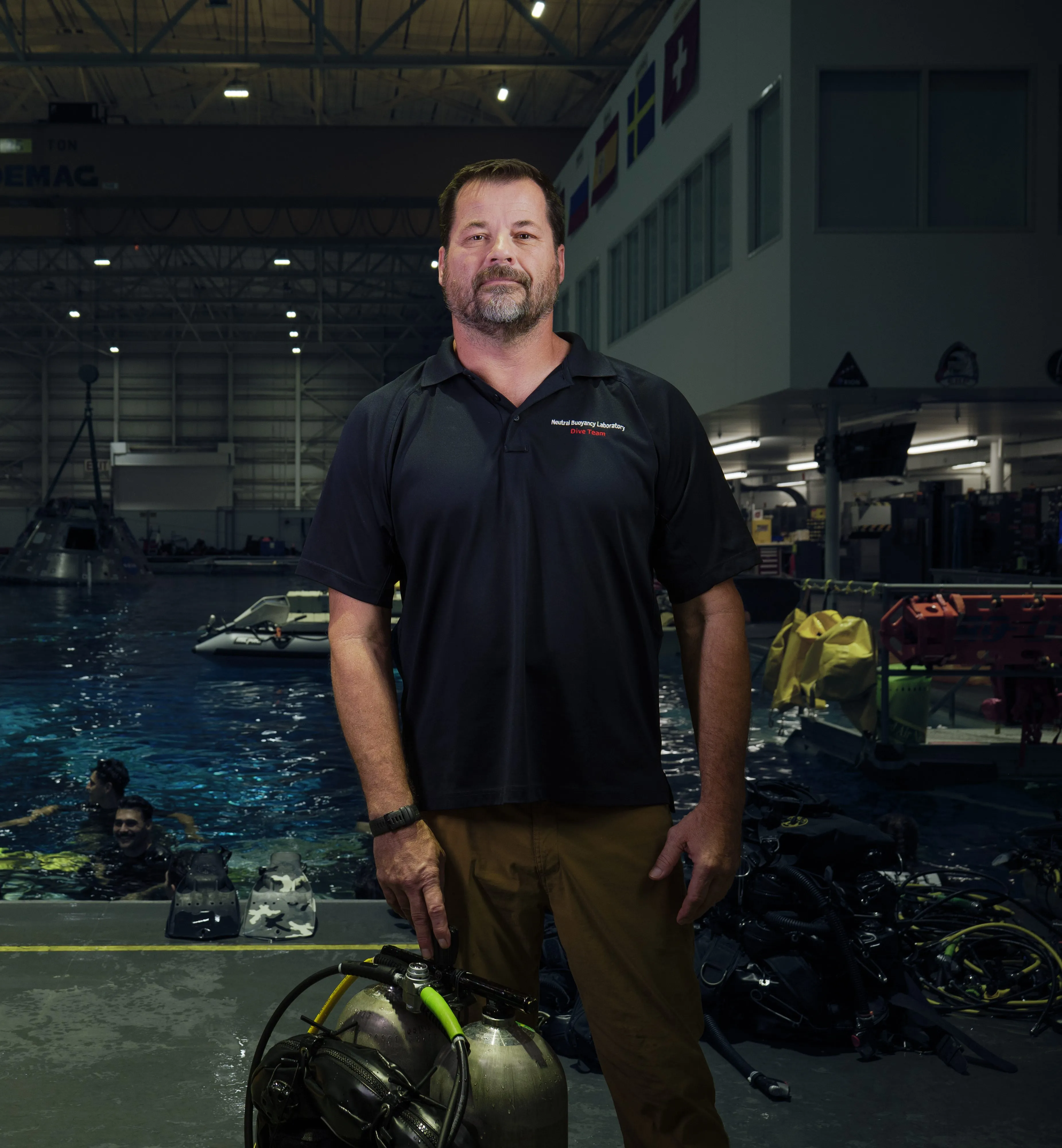
The open water lead explains the shift from capsule-focused to crew-first protocols following the Artemis II mission splashdown off San Diego.
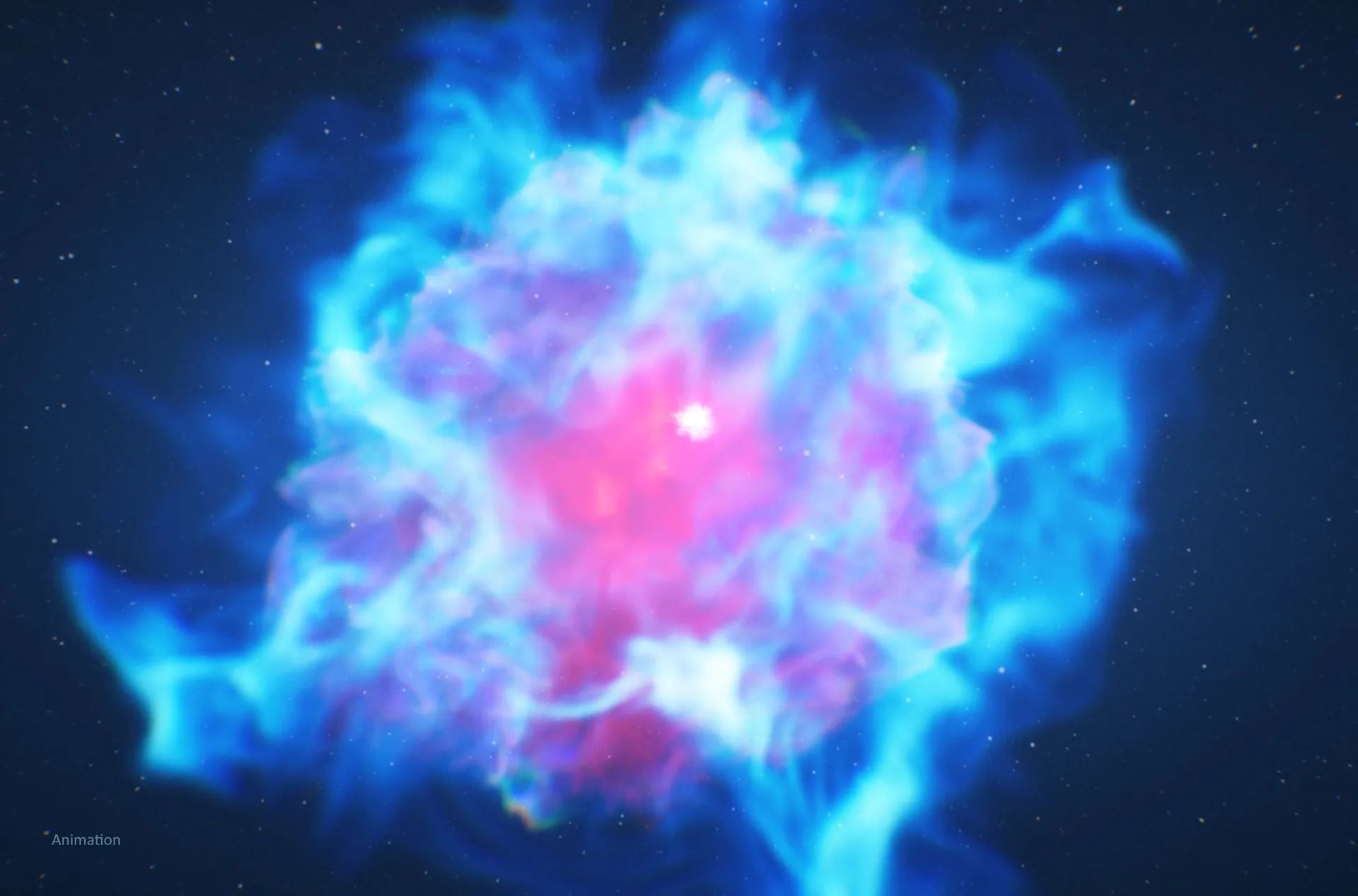
International team using 16 years of data identifies magnetar as power source for exceptionally bright supernova, marking a milestone in high-energy astronomy.
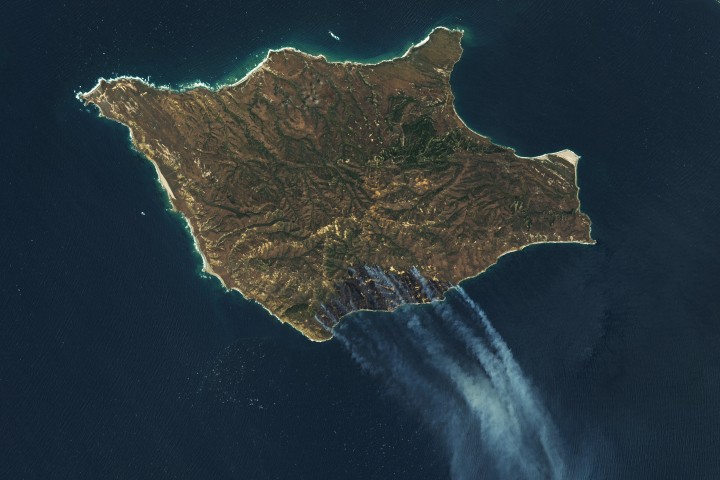
A wildland fire has burned approximately 16,600 acres on the second-largest island in the park, threatening rare Torrey pines and prompting public closures.
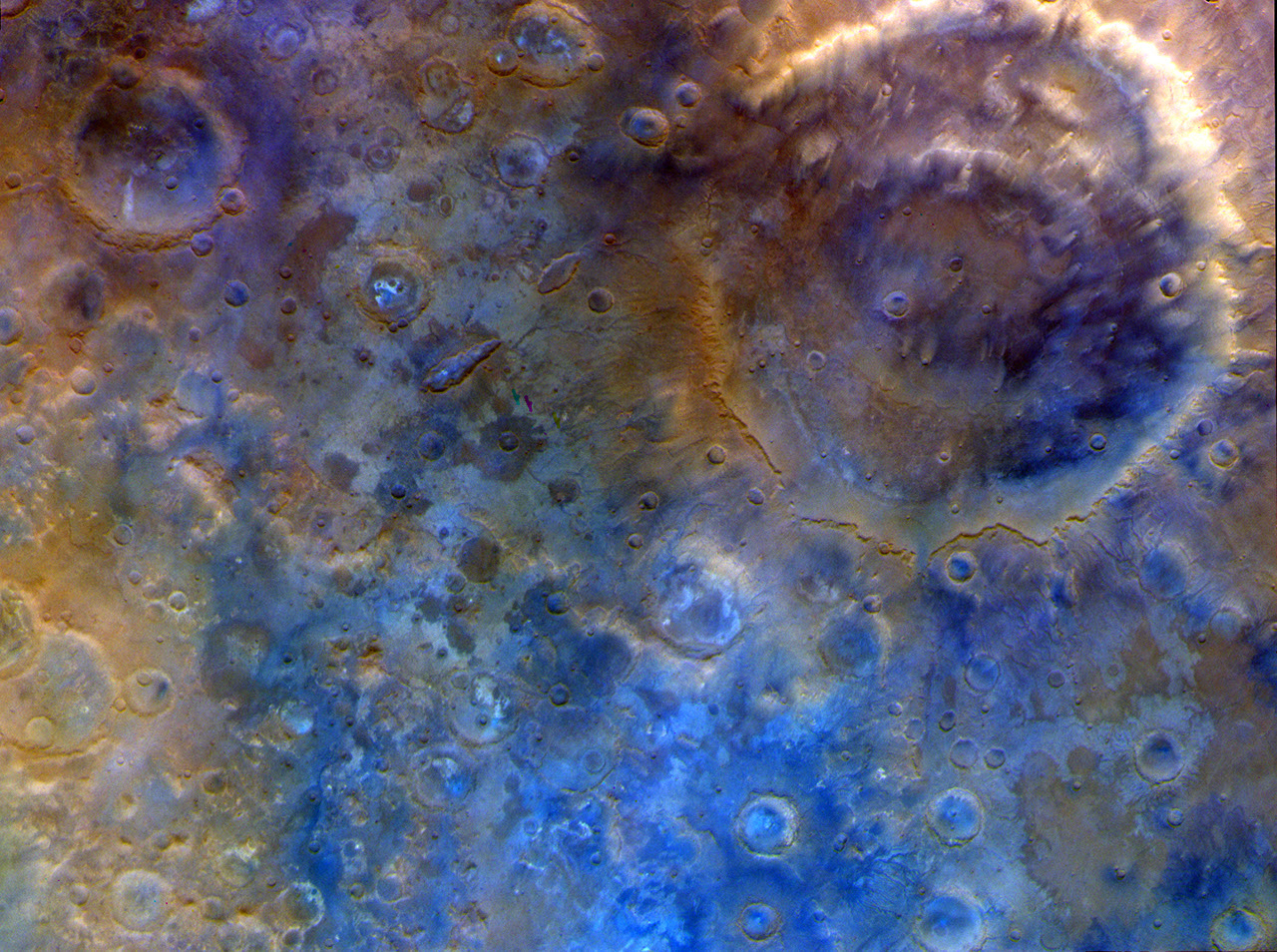
The image, acquired shortly after the spacecraft’s closest approach to the planet, highlights variations in dust, sand, and bedrock within the 470-kilometre-diameter crater.
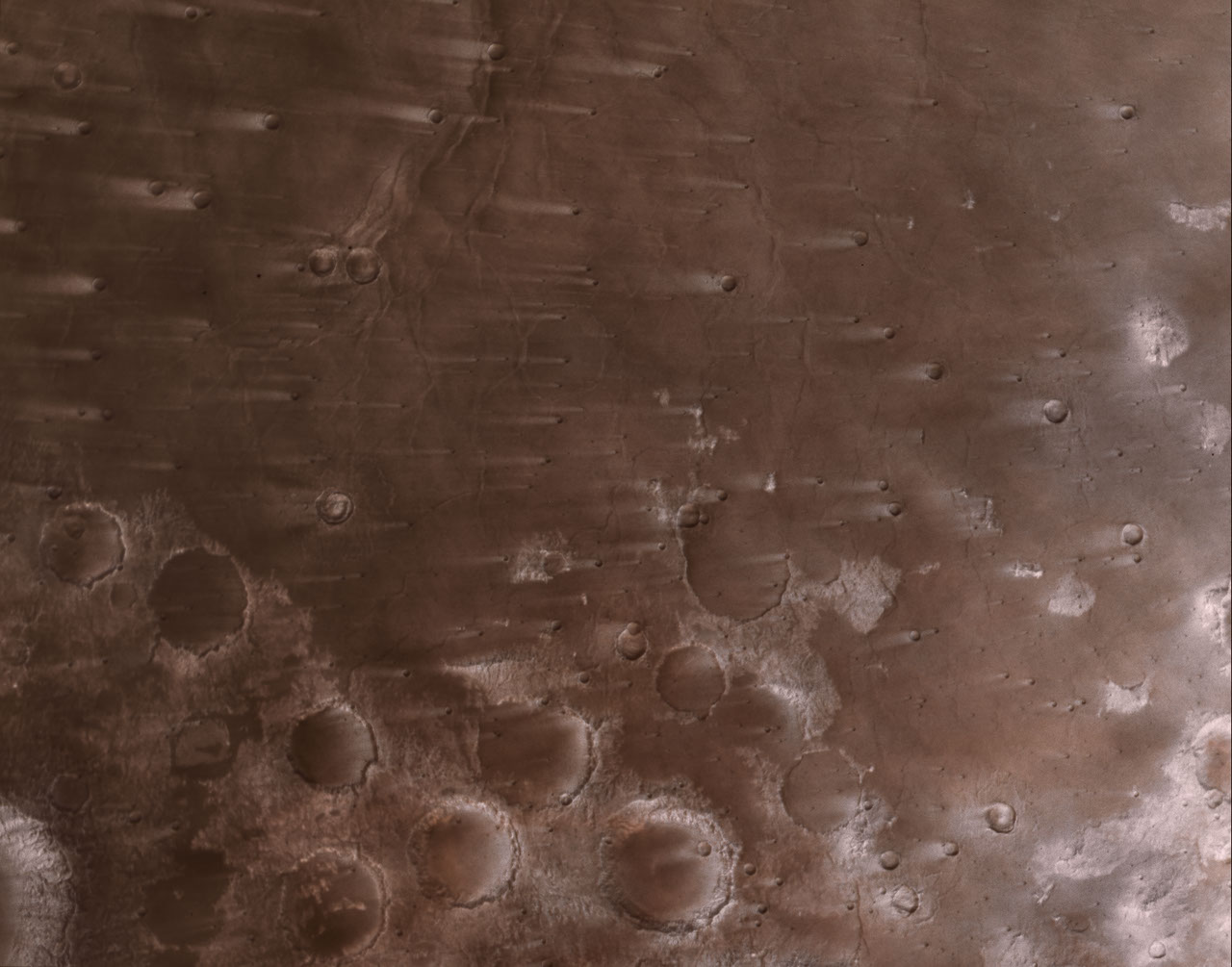
Newly released imagery from May 15, 2026, reveals wind streaks and impact craters in the Syrtis Major region, while calibration efforts leverage data from multiple orbital and surface missions.
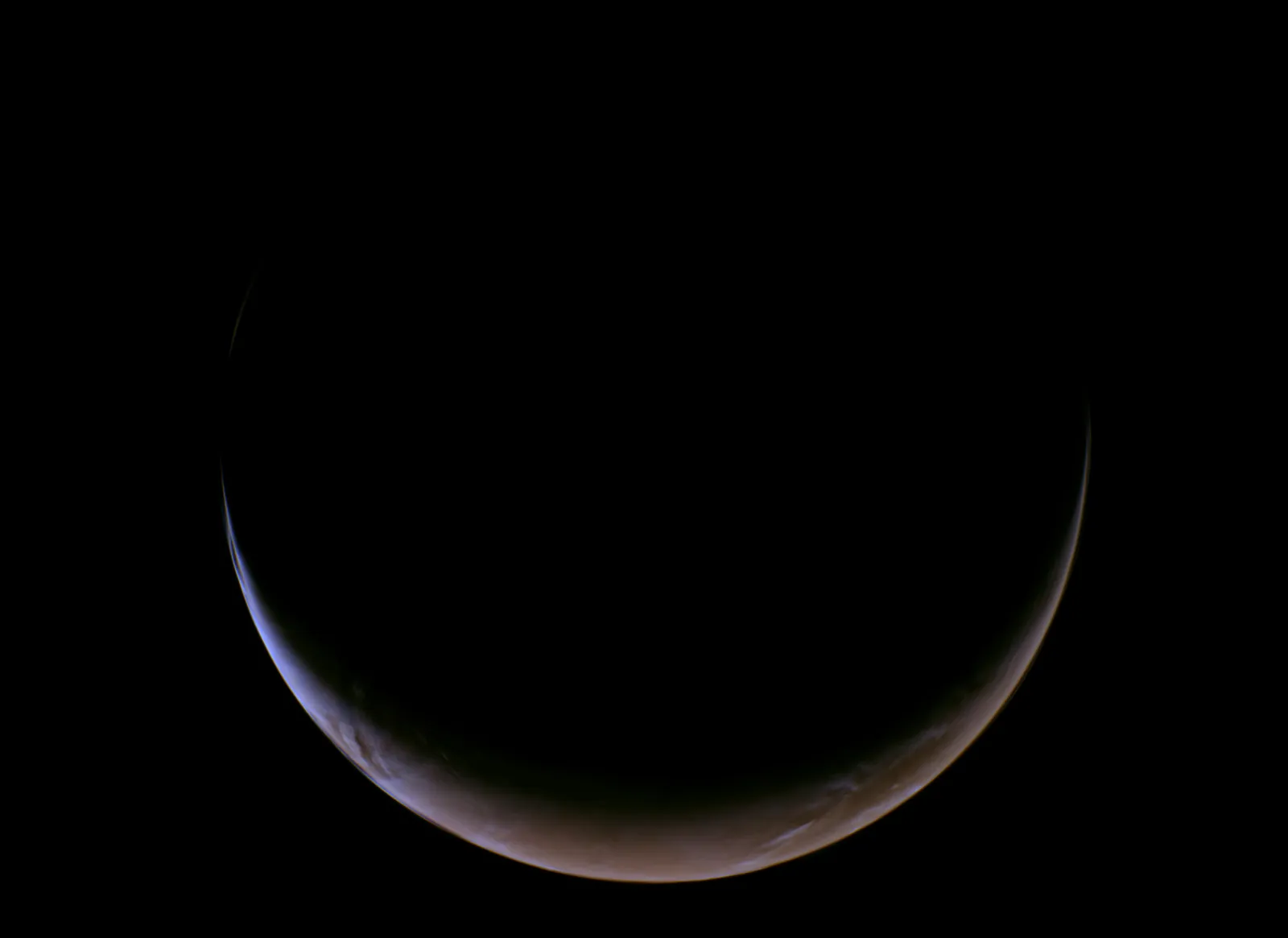
The mission’s instruments were calibrated during the encounter, with data gathered from multiple planetary missions supporting the spacecraft’s journey to the main asteroid belt.
Photographs taken on Monday reveal the Moon and Venus appearing close together above the Washington Monument, a visual effect created by their alignment from Earth’s perspective despite vast physical distances.
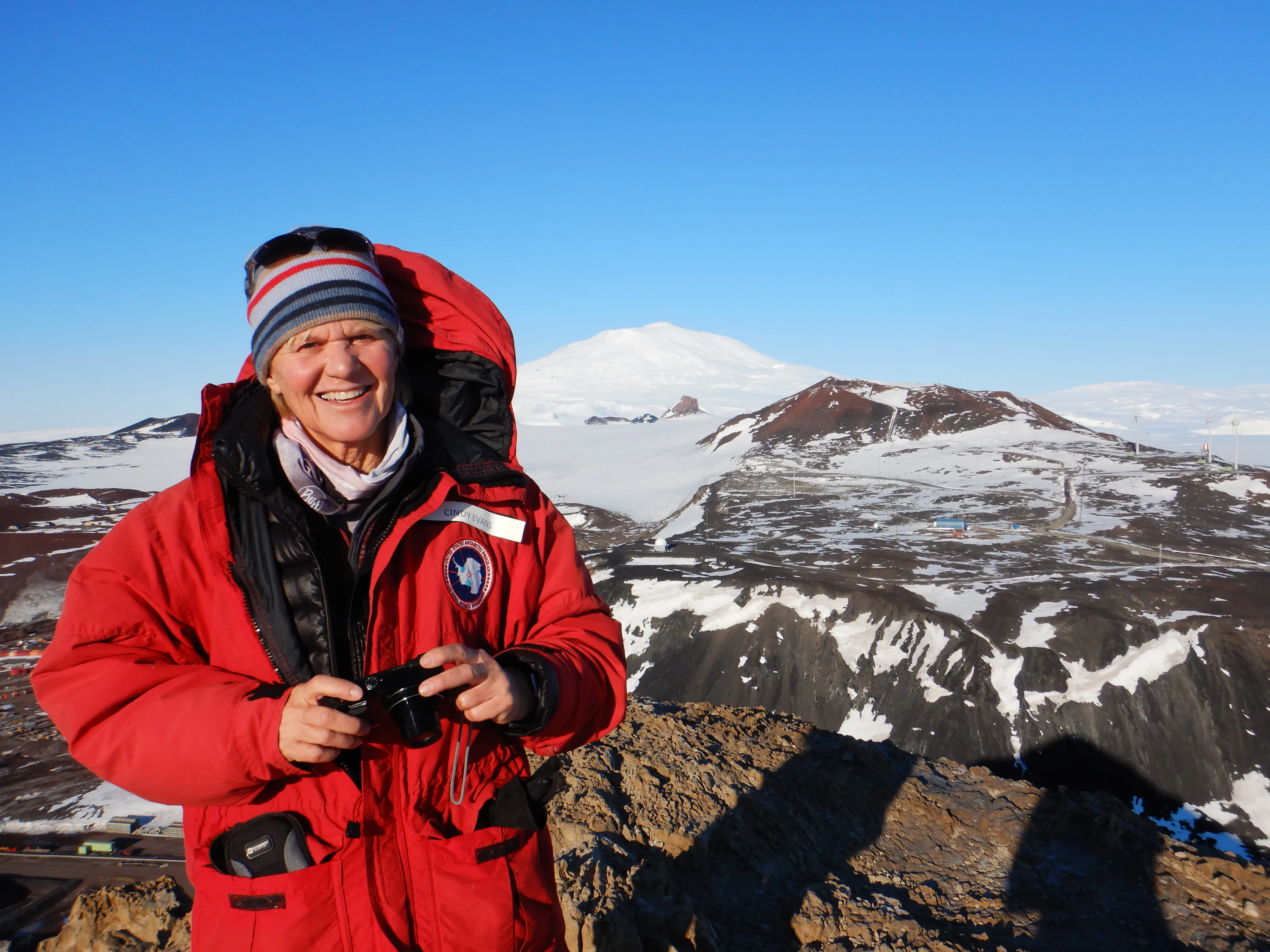
With 37 years of service, the exploration scientist combines classroom instruction and Antarctic field exercises to ensure crews can interpret the Moon’s geologic history from orbit.
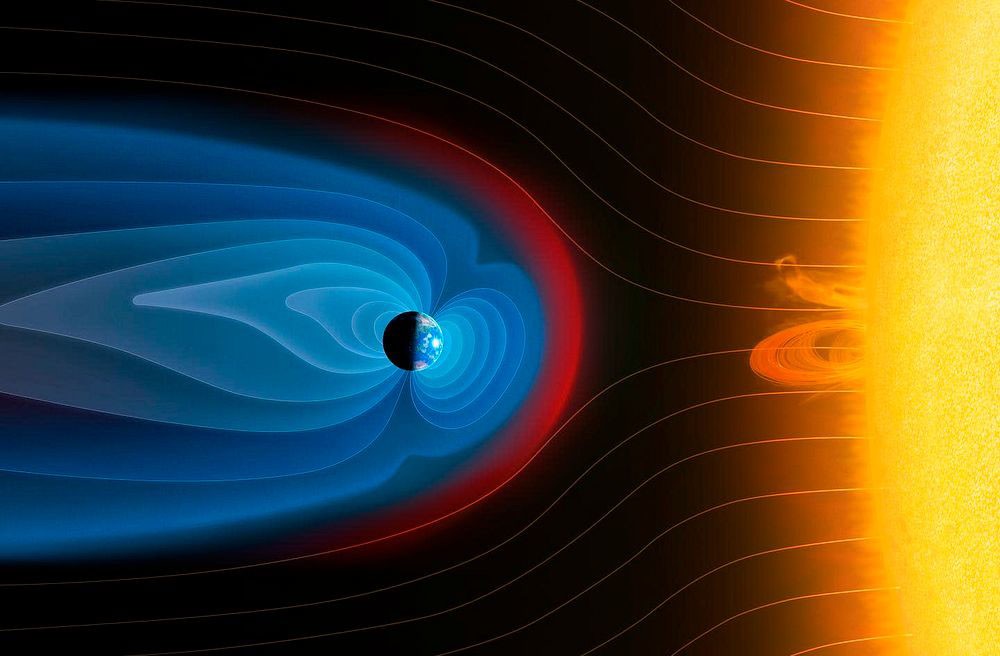
Volunteers will help sort chaotic and peaceful plasma regions using over a decade of Magnetospheric Multiscale mission data to improve understanding of space weather impacts.
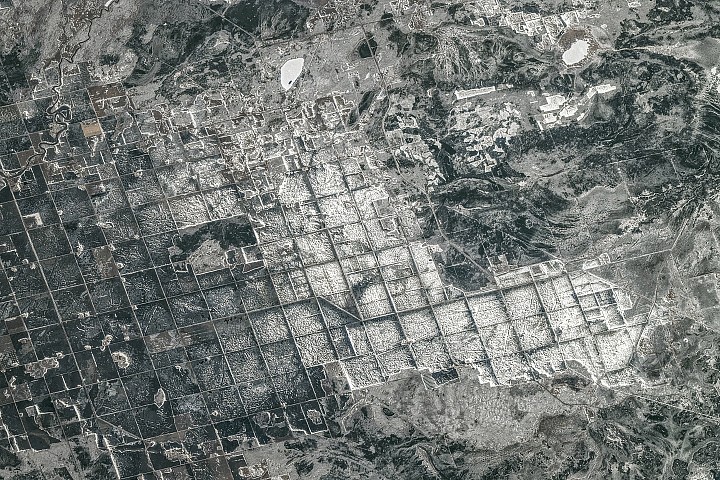
Astronaut imagery reveals how 15,000-year-old silt and clay, combined with 19th-century survey grids, shape Canada’s agricultural landscape.
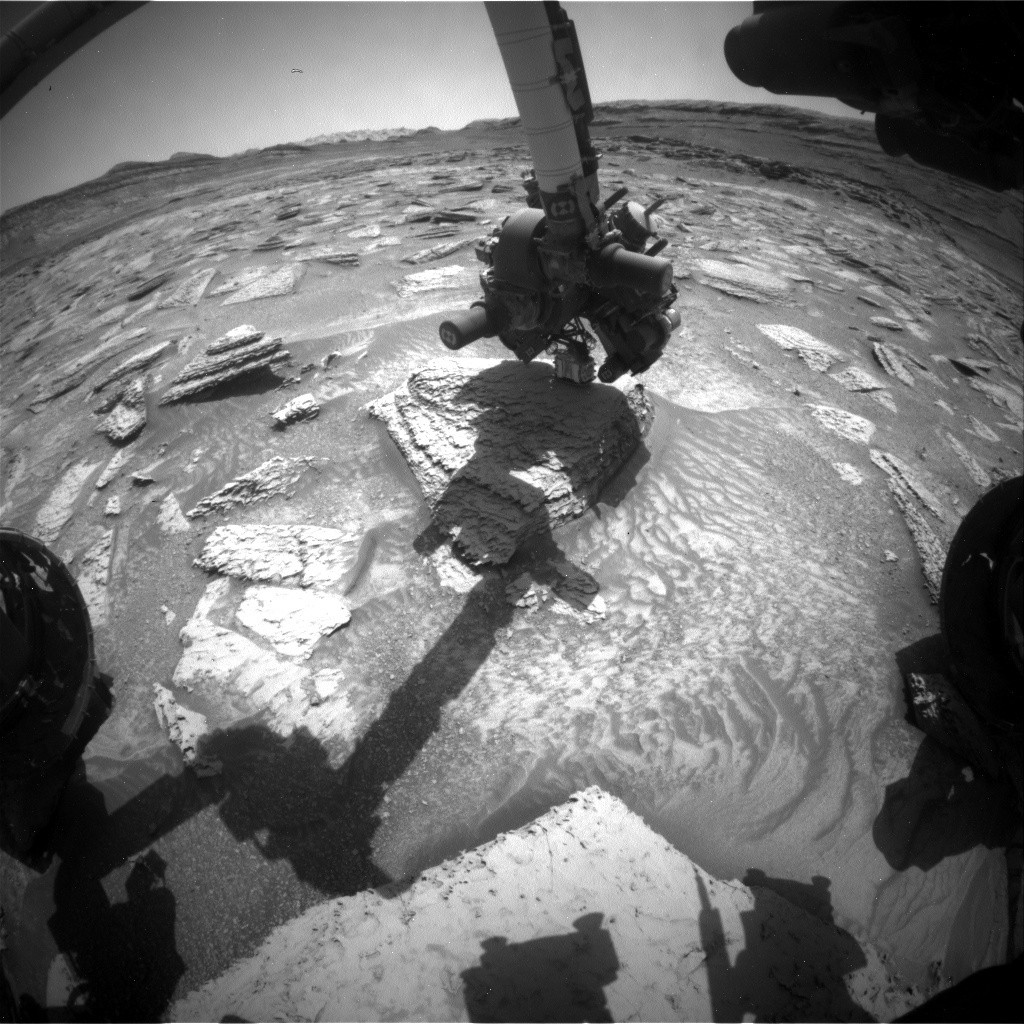
The Curiosity rover has begun drilling operations at a new site named Campo Marte, while simultaneously gathering atmospheric data to assist the Psyche spacecraft during its close approach to the Red Planet.
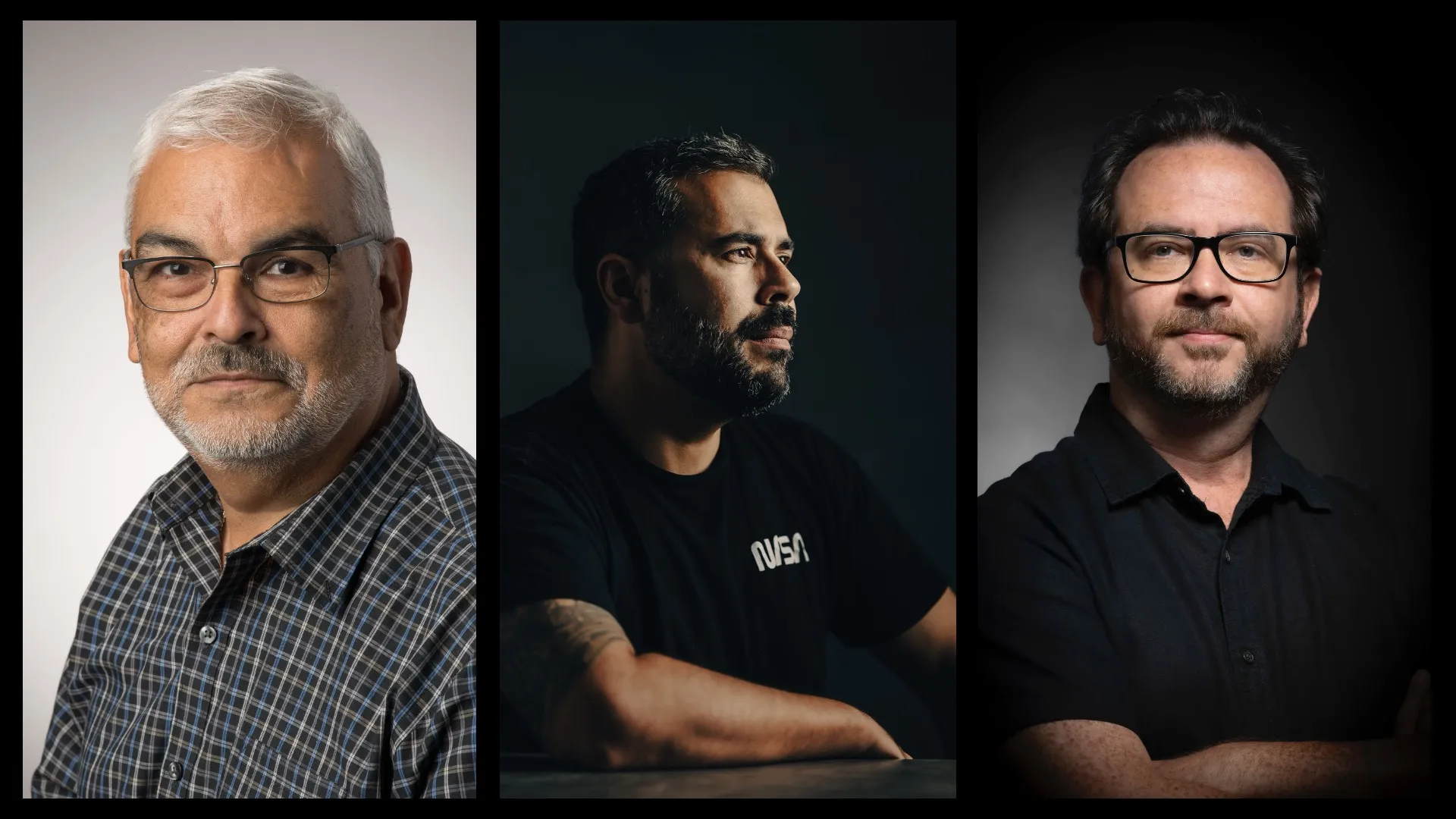
The trio received top awards in the portrait category at the 2025 NASA Imagery Experts Program Annual Awards, with Director Vanessa Wyche praising their documentation of the agency’s precision and creativity.
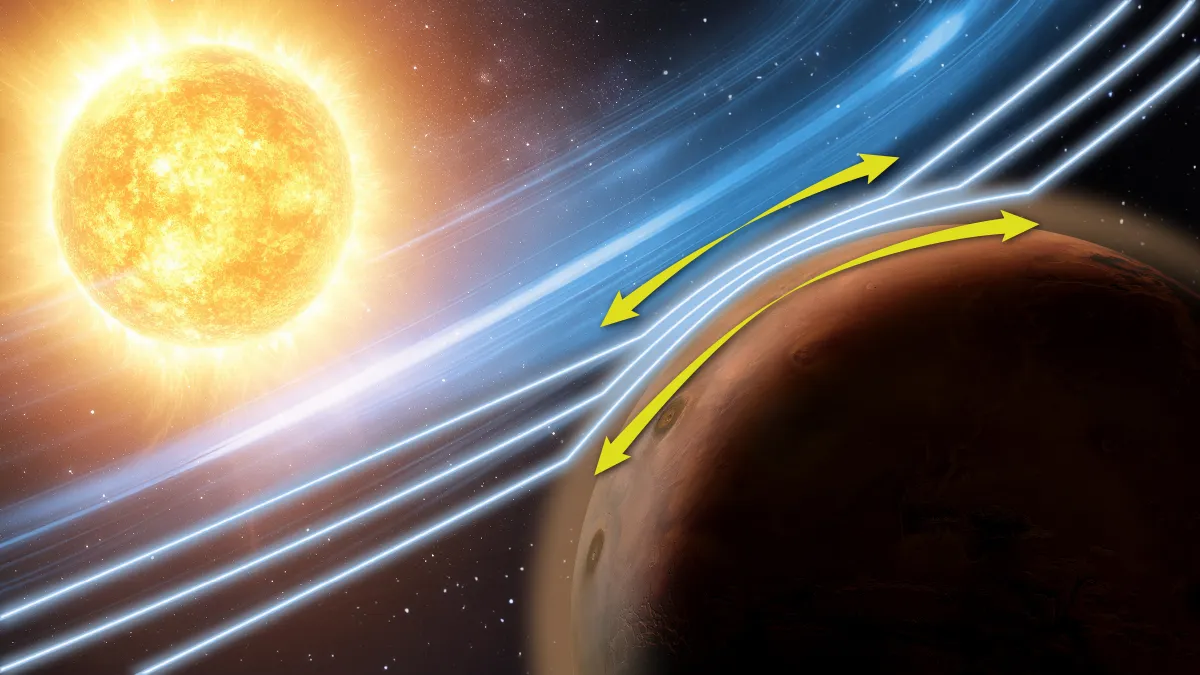
Data from a December 2023 solar storm reveals charged particles being squeezed along magnetic flux tubes in the Martian ionosphere, challenging previous assumptions about unmagnetised bodies.
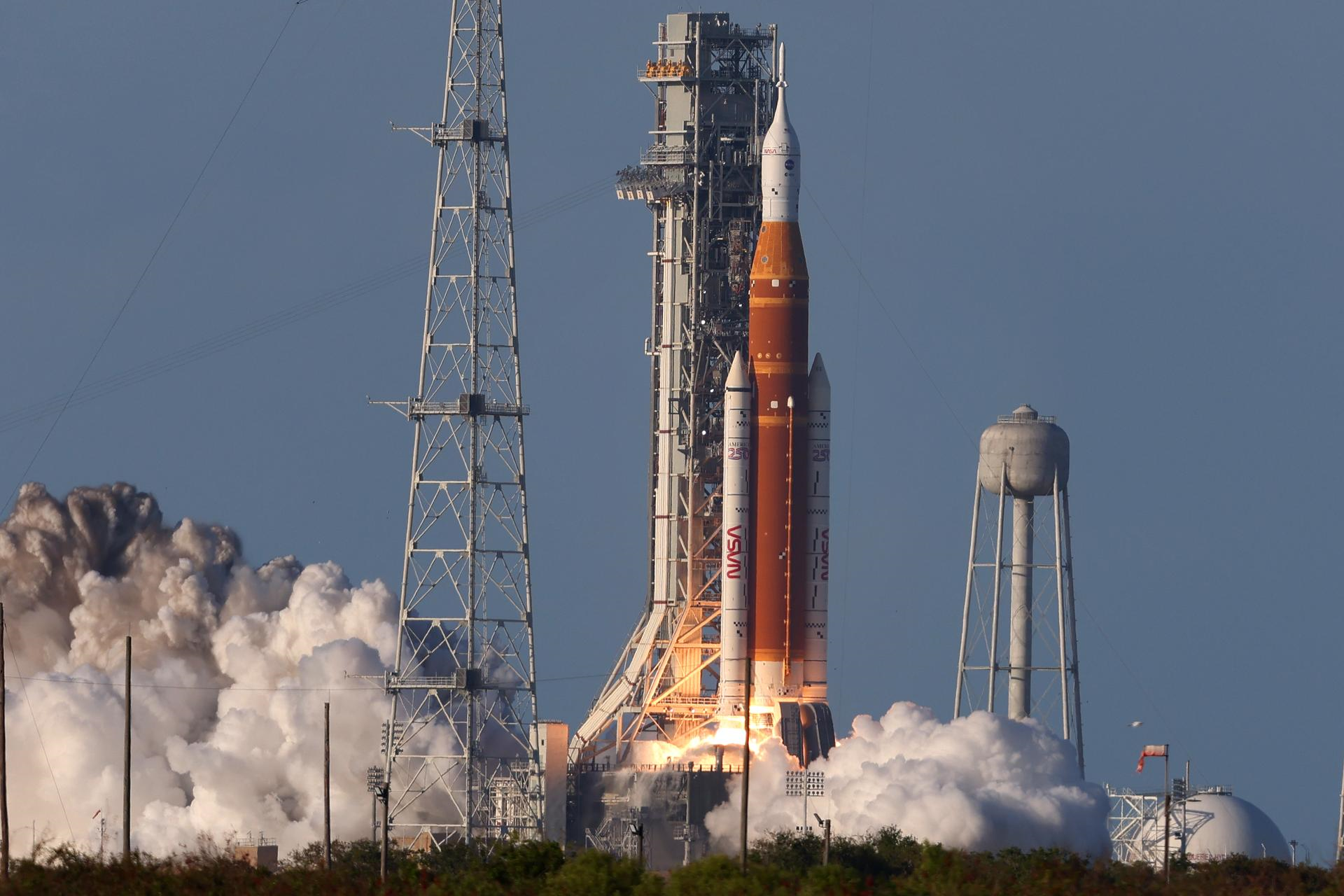
The Translational Research Institute for Space Health has appointed Dr Baiyang Liu and Dr Dylan Pham to its fellowship program, aiming to reduce spaceflight risks and improve terrestrial health outcomes.
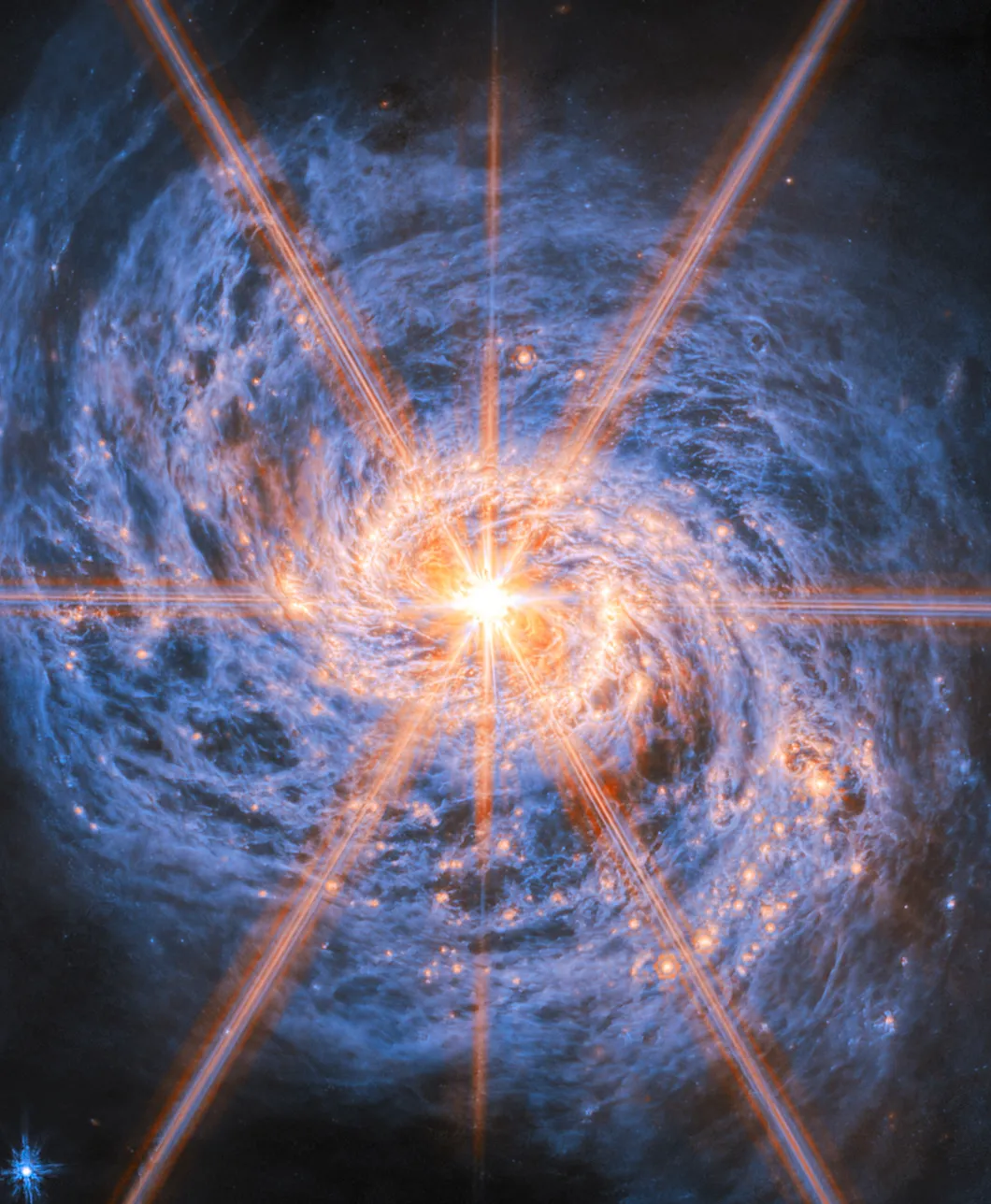
An image taken on 7 May 2026 shows gas heating up as it orbits the central black hole, while bright spikes are identified as optical artefacts of the telescope.
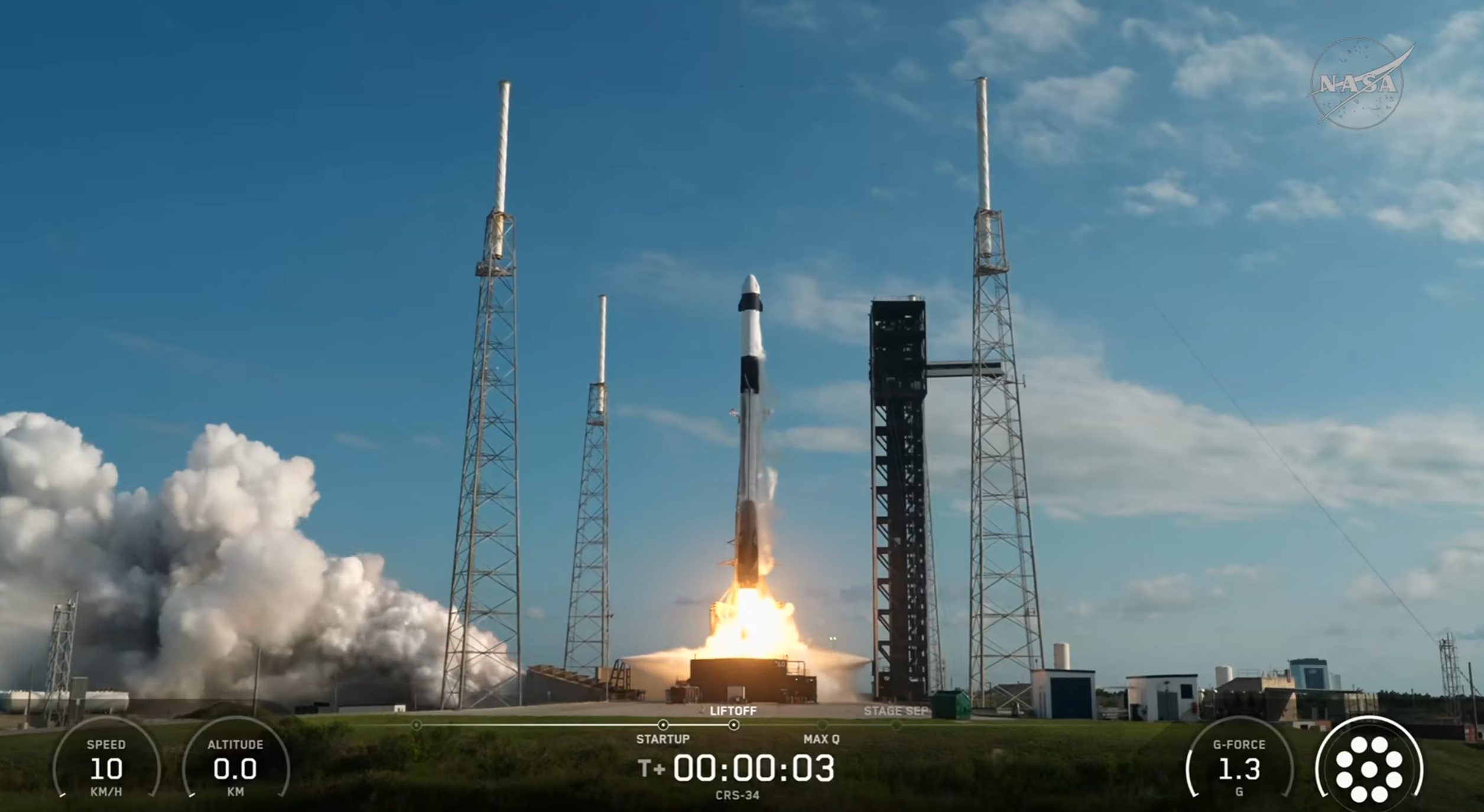
The Falcon 9 rocket lifted off from Cape Canaveral Space Force Station on Friday evening, with the Dragon spacecraft scheduled to autonomously dock with the International Space Station on Sunday morning.
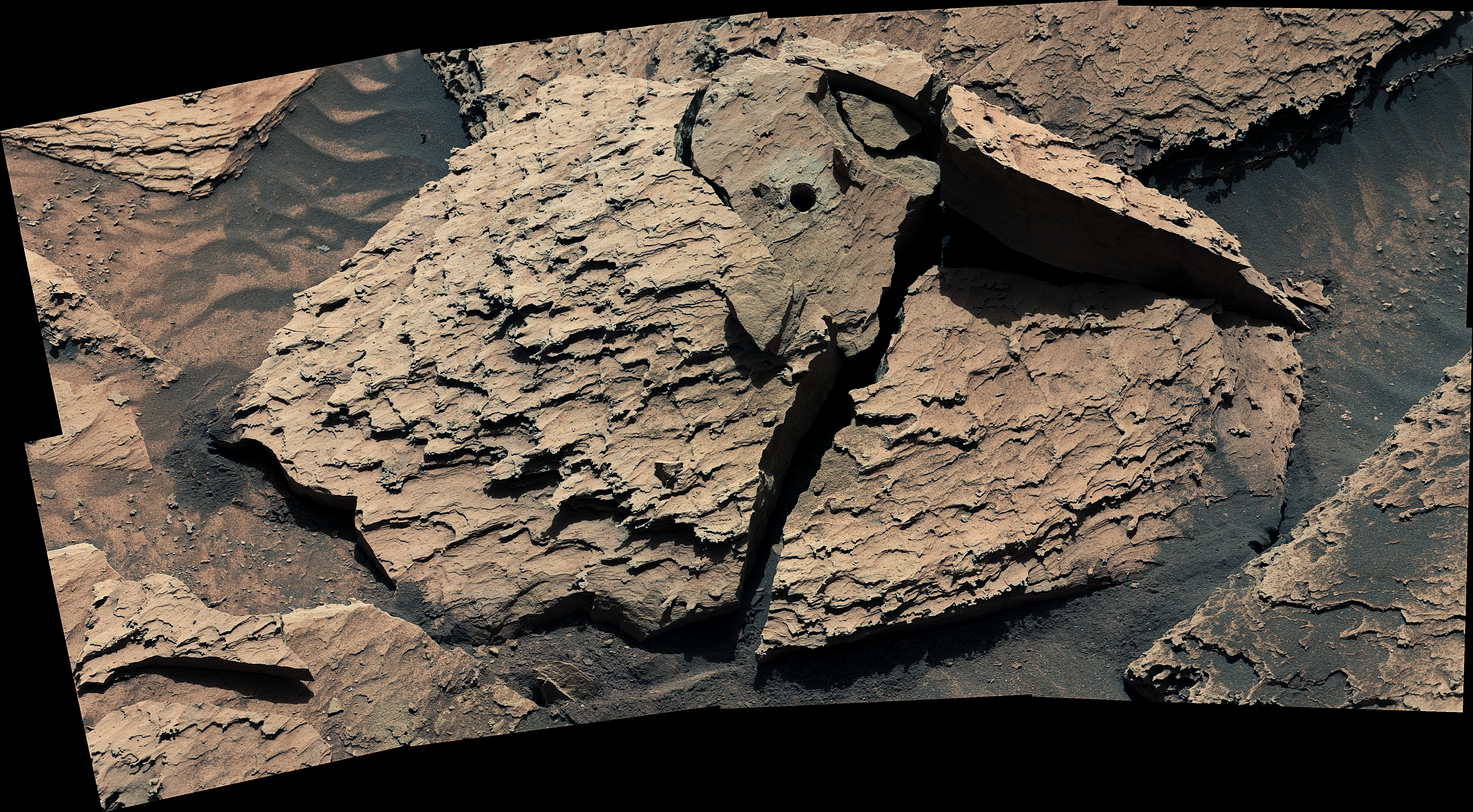
The rock, nicknamed Atacama, fragmented upon release after becoming lodged in the drill mechanism in late April.
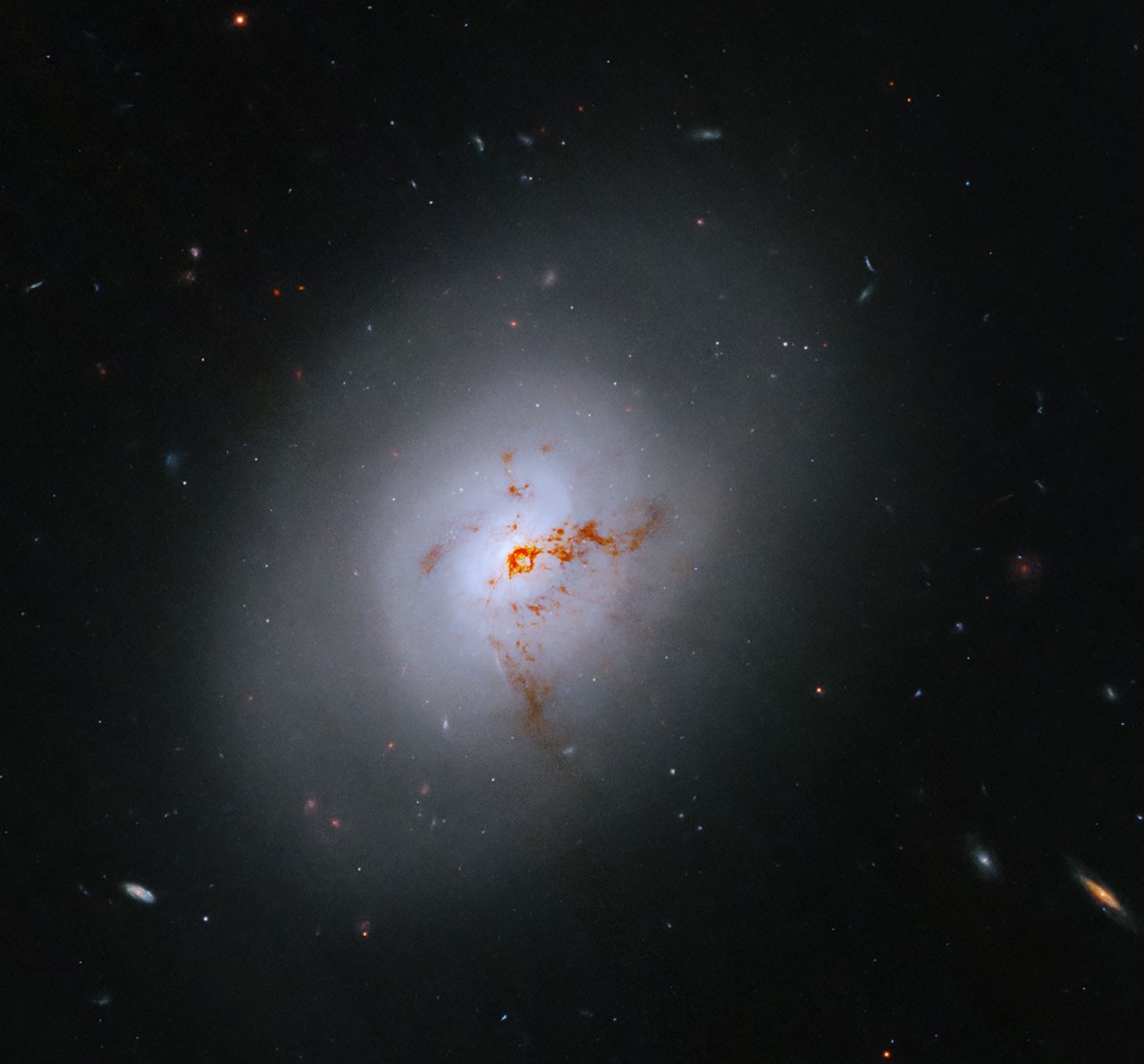
New observations reveal how a supermassive black hole’s powerful winds are stripping a distant galaxy of the material needed to create new stars.

New satellite data from 2014 to 2022 challenges assumptions of uniform growth, highlighting the impact of urban development, energy efficiency retrofits, and geopolitical crises on the night sky.
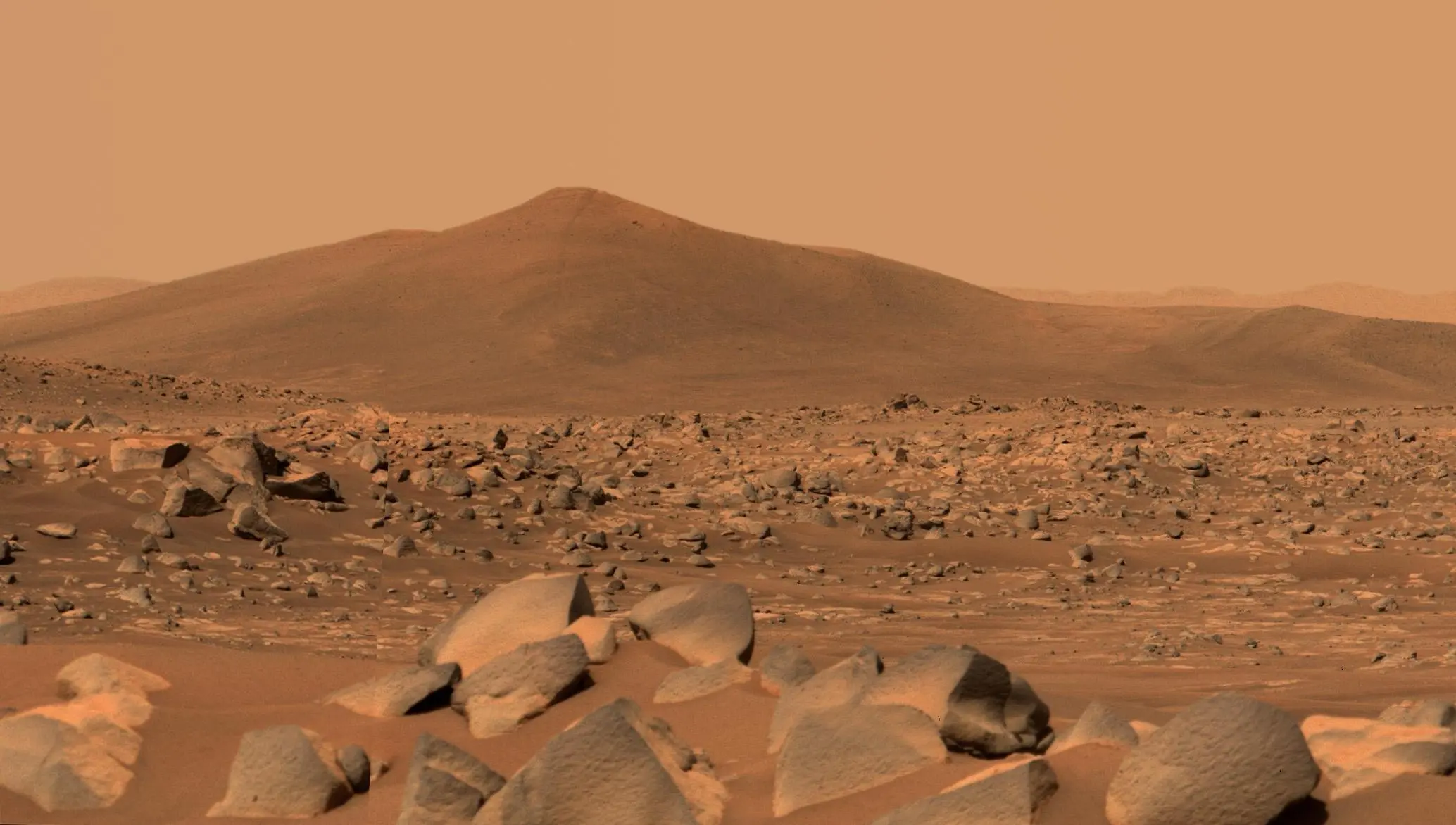
The Mars Telecommunications Network aims to provide high-bandwidth communications for science data and imagery, supporting future surface, orbital, and human exploration missions.
A nine-month mission launching no earlier than July 17 will evaluate 11 technologies to manage super-cold propellants in microgravity, supporting the development of in-space refuelling stations.
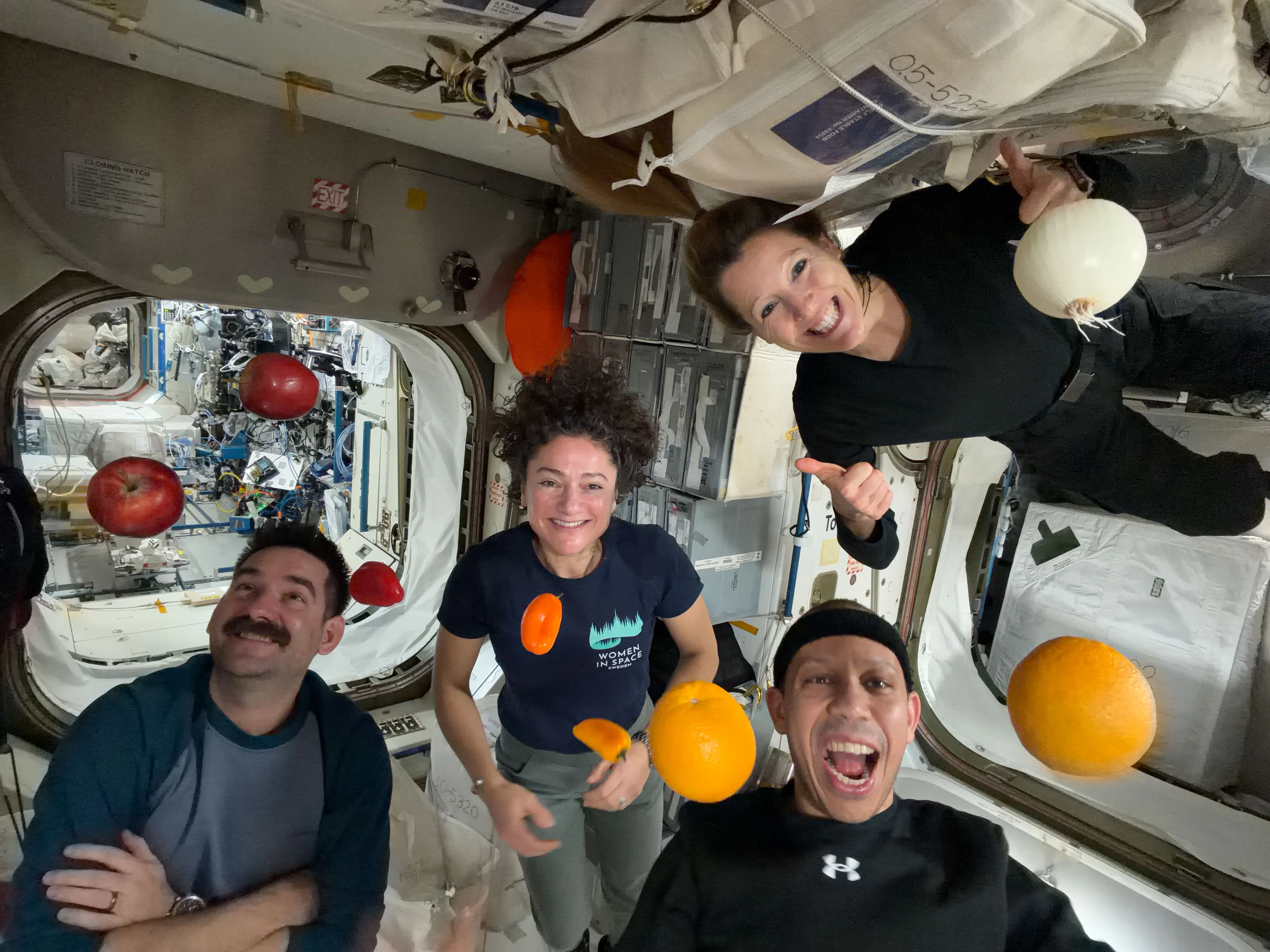
The latest resupply mission includes equipment for blood stem cell research, gut health protection, and an advanced exercise system from the European Space Agency.
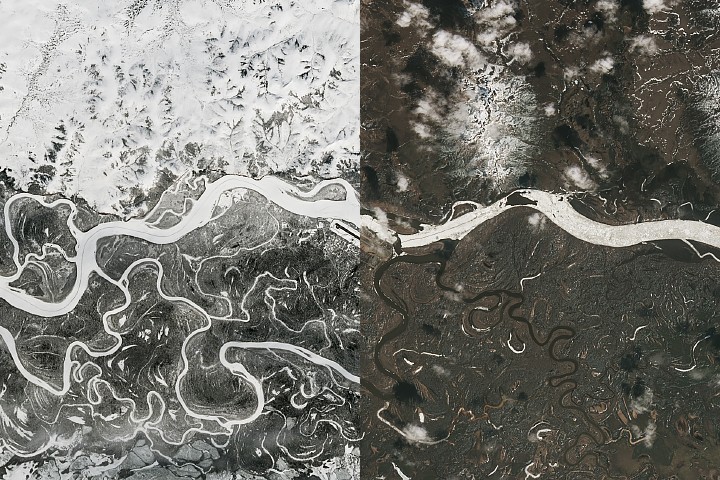
Landsat 9 observations detail the progression of a dynamic breakup event that triggered a flood watch and inundated low-lying areas in May 2026.
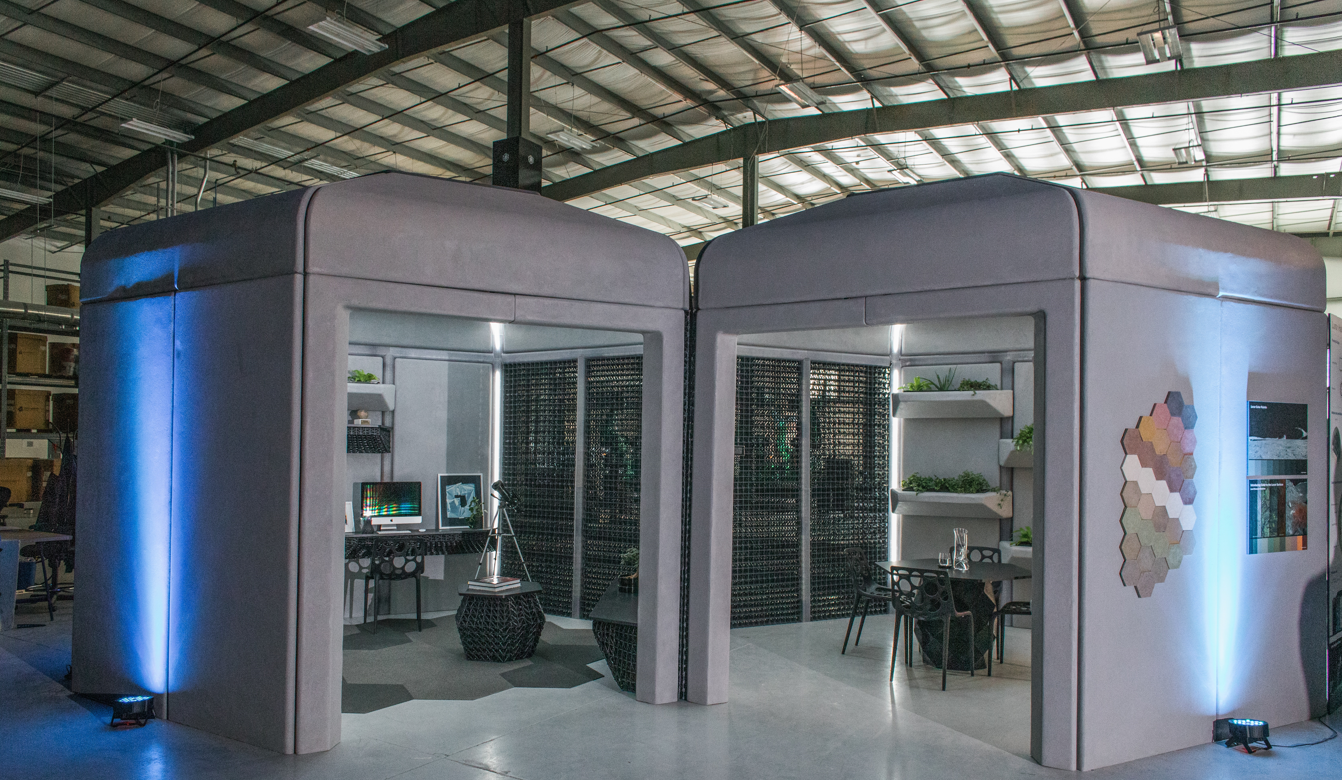
A Freeform 3D Printing process, originally supported by NASA for lunar habitat construction, is now being used to manufacture lightweight, efficient wall panels and cladding for buildings on Earth.