Ground crews keep NASA Armstrong aircraft fleet mission-ready
From high-altitude science campaigns to high-speed research flights, specially trained staff ensure the safety and reliability of NASA’s expanding aircraft roster.
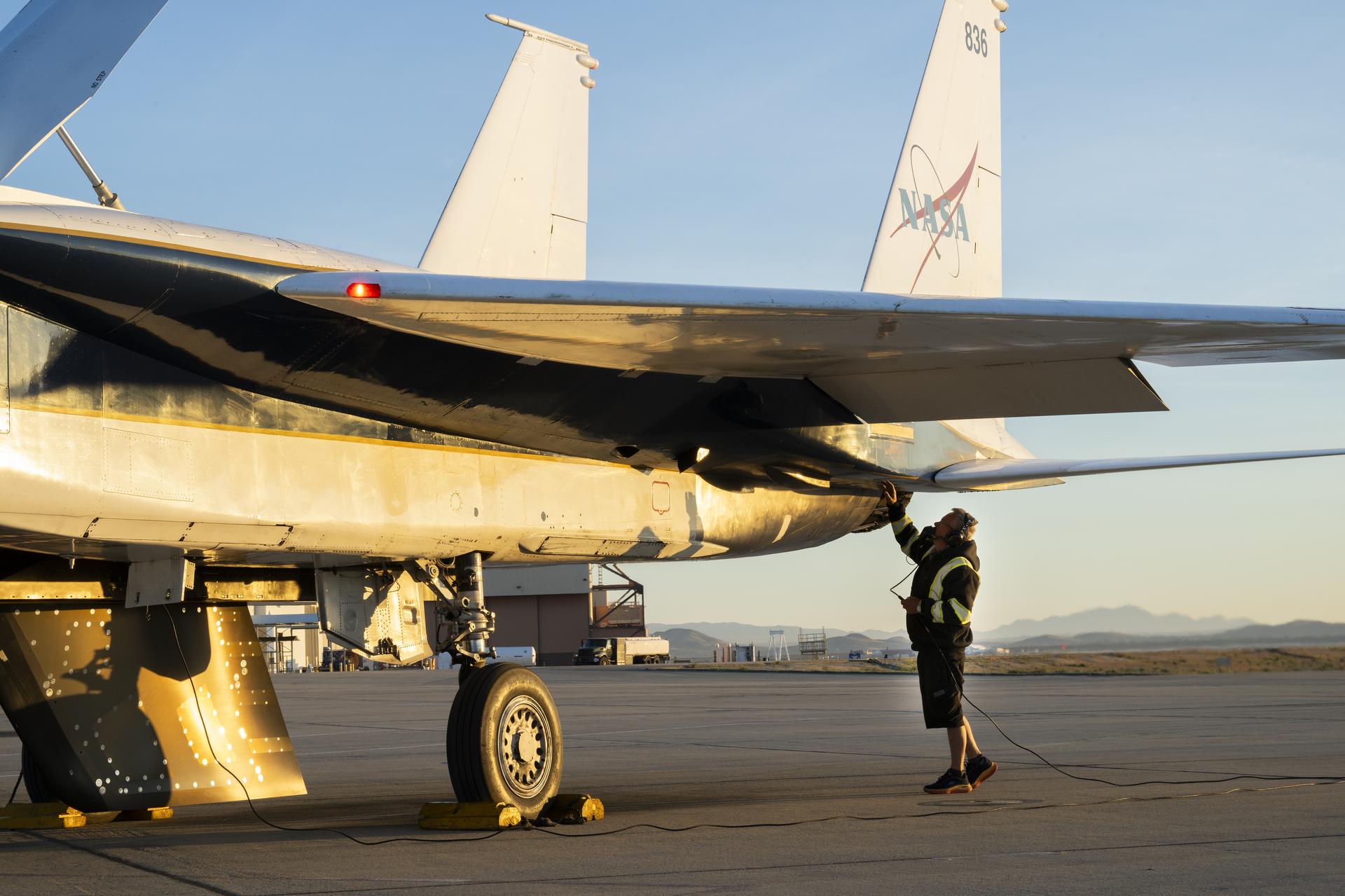
At NASA’s Armstrong Flight Research Centre in Edwards, California, specially trained maintenance crews are essential to keeping the agency’s aircraft flying safely and reliably. The team, comprising mechanics with both military and civilian backgrounds, conducts continuous maintenance tasks to support a wide range of capabilities, including science research, chase operations, and rocket launch assistance.
This year, NASA added two F-15s and a Pilatus PC-12 to its fleet at Armstrong. These aircraft join existing platforms such as the high-altitude ER-2s and the X-59 X-plane, reflecting a diverse operational portfolio. The maintenance staff is responsible for keeping each one mission-ready, adapting to changes that range from instrument loading to aircraft reconfiguration.
Jose “Manny” Rodriguez, NASA Armstrong Gulfstream G-IV crew chief, highlighted the versatility required for the role. He noted that the team must overcome any situation, whether fixing systems or managing fast-paced changes across different aircraft types. The job involves significant on-the-job training to handle the distinct requirements of both civilian and military platforms.
Currently, the center’s aircraft are active in multiple locations. The C-20A is flying in Peru and Panama, while the ER-2 is operating in Colorado to support the Geological Earth Mapping Experiment (GEMx). The X-59 is often flying twice per day with a chase plane, requiring the maintenance team to prep and fix aircraft as needed along the way.
To ensure aeronautics and science advancements are made safely, crews work continuously, checking ejection seats, refuelling tanks, and replacing parts such as brakes, wheels, and wiring that degrade with each flight. After maintenance ensures the aircraft is in the best condition possible, the team tows it to the flightline for a final safety check.
Each aircraft has an assigned crew chief responsible for its safety integrity. The crew chief and the assigned NASA pilot walk around the aircraft together before flight, with their combined signatures constituting that the aircraft is safe for flight. Maintenance crews also track each flight to ensure the mission completes without returning early.
If an aircraft returns to base early, the maintenance team stands ready to assist the research team and fix whatever is needed. Rodriguez described the work as difficult at times but rewarding, noting the expertise required to keep these varied aircraft flying.