NASA invites organisations to propose CubeSats for future Artemis missions
The US space agency is seeking proposals for 6U and 12U-sized nanosatellites, with a response deadline of Monday, June 1, to inform potential deployment opportunities on upcoming lunar missions.
NASA has issued a request for information inviting organisations to express interest in launching CubeSats on future Artemis missions. The agency has set a deadline of Monday, June 1, for initial consideration of responses. This initiative aims to identify potential opportunities for CubeSats to fly on Artemis III, IV, and V missions, which are currently under review by the space agency.
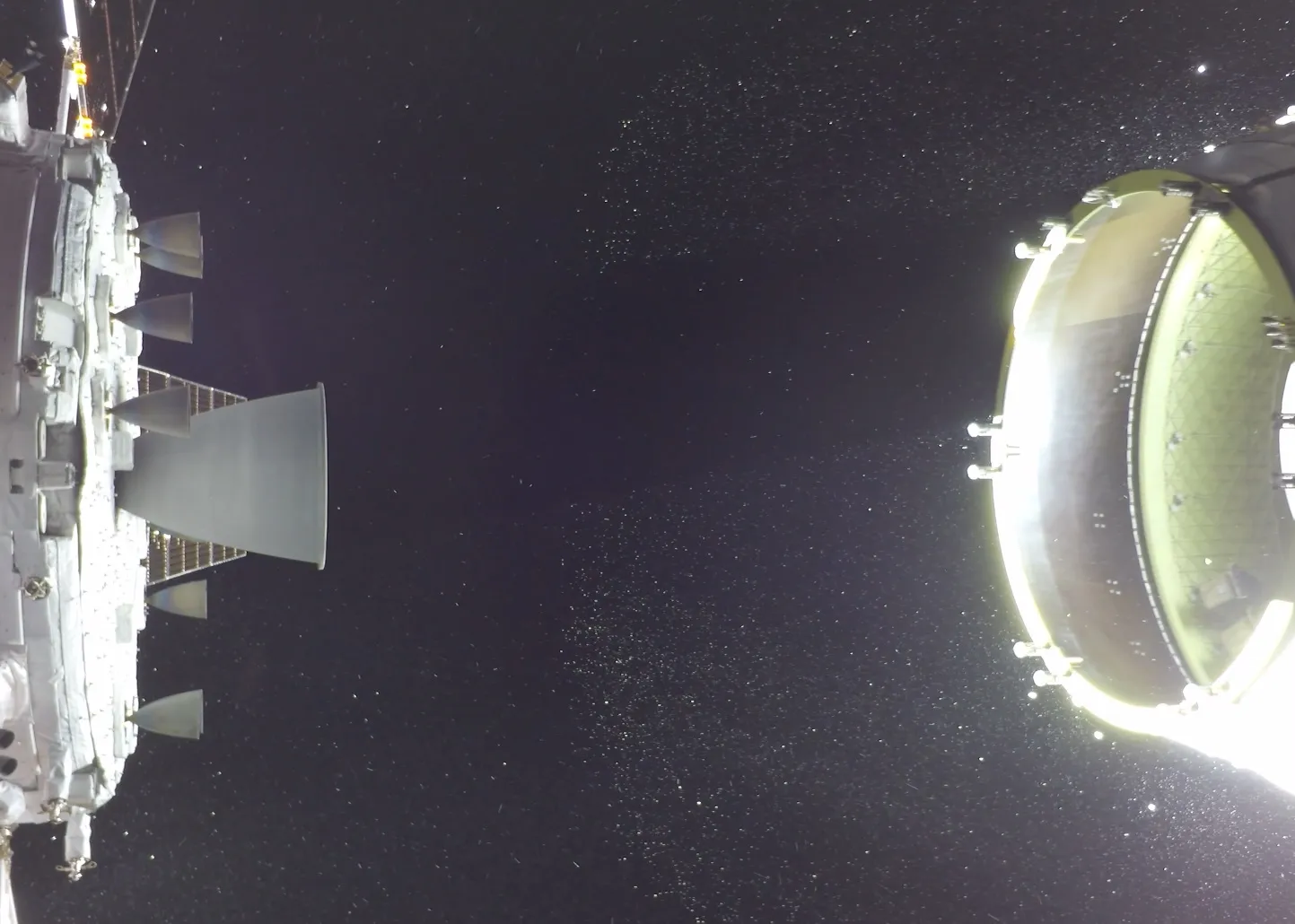
The request for information outlines that NASA expects to accommodate 6U and 12U-sized nanosatellites. These units would be deployed from a ring on the upper stage of the Space Launch System rocket. Deployment options include placing the satellites in Earth orbit or on a heliocentric disposal trajectory following the separation of the Orion spacecraft from the rocket. Opportunities may also exist for CubeSats deployed on a reentry trajectory from Earth orbit.
Courtney Ryals, acting manager of SLS payload integration at NASA’s Marshall Space Flight Centre in Huntsville, Alabama, stated that the Space Launch System rocket and the Artemis missions provide significant opportunities for teams to conduct important science and technology investigations. She noted that these efforts contribute to the expansion of human space exploration.
CubeSats are standardised nanosatellites measured in 1U increments, with each unit measuring 10x10x10 centimetres. NASA previously flew 10 CubeSats on the uncrewed Artemis I mission in 2022 and four on the crewed Artemis II mission. On both occasions, the nanosatellites were deployed after the upper stage detached from the spacecraft and Orion was flying free on its own to carry out its primary mission.
In addition to providing a ride to space as secondary payloads, the agency provides payload integration and engineering support. As part of its broader programme, NASA intends to send Artemis astronauts on increasingly difficult missions to explore more of the Moon for scientific discovery and economic benefits. The agency aims to establish an enduring human presence on the lunar surface and build a foundation for the first crewed missions to Mars.