Global artificial light at night shows bidirectional changes, NASA analysis finds
New satellite data from 2014 to 2022 challenges assumptions of uniform growth, highlighting the impact of urban development, energy efficiency retrofits, and geopolitical crises on the night sky.
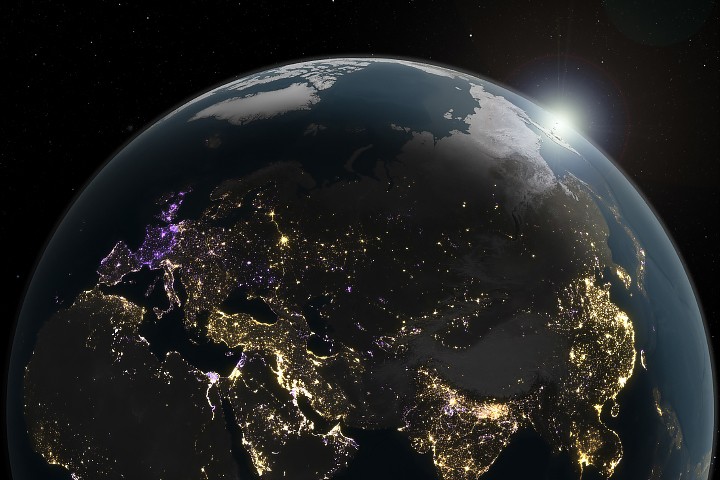
A recent analysis of NASA’s Black Marble satellite data, published in the journal Nature in April 2026, has revealed that the global increase in artificial light at night is not uniform. Instead, the planet is experiencing bidirectional changes, with a 34 per cent rise in global radiance between 2014 and 2022 masking significant regional dimming. The study, which utilises data from the Visible Infrared Imaging Radiometer Suite (VIIRS) sensors on the Suomi-NPP, NOAA-20, and NOAA-21 satellites, paints a nuanced picture of how human activity and policy are reshaping the night sky.
The research team found that brightening was concentrated in areas undergoing rapid population growth and urban development. The US West Coast, China, and northern India all recorded increases in nighttime brightness during the study period. These trends reflect the expansion of infrastructure and the growing demand for energy in developing and rapidly urbanising regions.
Conversely, the analysis identified substantial dimming in several developed nations. The US East Coast showed a decline in light emissions, which researchers attributed to the widespread adoption of energy-efficient LED lighting and broader economic restructuring. This shift away from older, less efficient lighting technologies has had a measurable impact on the intensity of artificial light in these regions.
In Europe, the data shows a sharp decline in nighttime brightness, particularly in 2022. France experienced a 33 per cent dimming, while the UK and the Netherlands saw reductions of 22 per cent and 21 per cent, respectively. These decreases were driven by a combination of factors, including energy-efficient LED retrofits, economic changes, and the regional energy crisis that followed the outbreak of the Russia-Ukraine conflict.
The Black Marble product uses advanced filtering techniques to distinguish city lights from other light sources, such as reflected moonlight and auroras. The visualisation of this data, which includes artistic touches like simulated sunlight and shadows, was featured on the cover of Nature. The findings challenge previous assumptions of a gradual, uniform increase in artificial light, instead highlighting a complex interplay of industrial booms, busts, and policy-driven changes.
The study underscores the value of satellite data in monitoring global environmental and societal shifts. By providing daily, monthly, and yearly records of nighttime lights, NASA’s Earth Observatory offers a critical tool for understanding how human activity impacts the planet. The data is available through NASA’s Scientific Visualization Studio, allowing for further exploration of these dynamic changes.
As the world continues to urbanise and transition to more efficient energy systems, the patterns of artificial light at night will likely continue to evolve. The 2014 to 2022 period provides a snapshot of this transition, revealing a world that is simultaneously brightening in some areas and dimming in others. This bidirectional change reflects the diverse and often conflicting forces shaping our global landscape.