NASA selects next class of space health postdoctoral fellows
The Translational Research Institute for Space Health has appointed Dr Baiyang Liu and Dr Dylan Pham to its fellowship program, aiming to reduce spaceflight risks and improve terrestrial health outcomes.
NASA’s Translational Research Institute for Space Health (TRISH) has selected two early-career scientists for its next cohort of postdoctoral fellows. The appointments, which commence in May, focus on distinct areas of human spaceflight health: space food systems and astronaut ocular health.
Dr Baiyang Liu of Columbia University in New York City will lead a project titled Developing a Diazotrophic and Nutritionally Optimized Spirulina Strain for Extended Space Missions. He will be mentored by Dr Harris Wang. This research aims to develop a specific strain of spirulina designed to support nutritional needs during long-duration spaceflight.
Dr Dylan Pham of Texas A&M University in College Station will investigate the Impact of Simulated Microgravity and Aging on Ocular Artery and Neural Retina Function. His work, under the mentorship of Dr Travis Hein, seeks to understand how simulated microgravity and the ageing process affect eye health, a critical concern for deep space exploration.
The TRISH Postdoctoral Fellowship Program supports independent research that advances biomedical, behavioural, and technological approaches relevant to human space exploration. The selected projects are intended to reduce spaceflight-related health risks while also delivering benefits for human health on Earth.
Dr Dorit Donoviel, executive director of TRISH and associate professor at Baylor College of Medicine in Houston, emphasised the strategic value of the initiative. She noted that the fellows bring new ideas and technical expertise to complex challenges, helping to build the capability required for a sustained presence on the Moon and deeper space exploration.
TRISH operates as a virtual institute empowered by NASA’s Human Research Program to address the challenges of human deep space exploration. It pursues and funds research to deliver scientific and technological solutions that help humans thrive in space and on Earth.
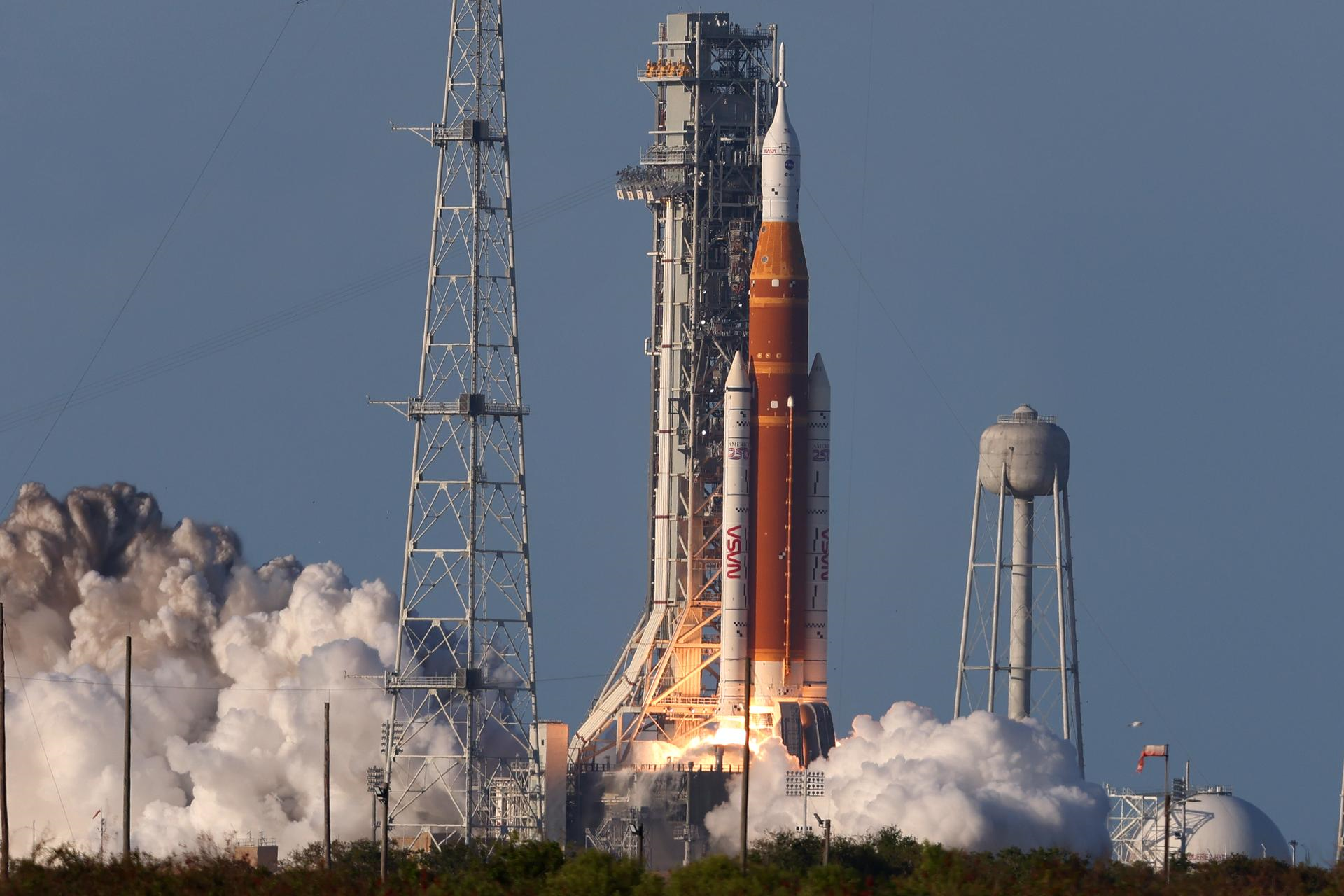
NASA’s Human Research Program scrutinises how spaceflight affects human bodies and behaviours through science conducted in laboratories, ground-based analogs, commercial missions, the International Space Station, and Artemis missions. This research drives the agency’s quest to innovate ways that keep astronauts healthy and mission-ready as exploration expands to the Moon, Mars, and beyond.