NASA’s Atmospheric Waves Experiment concludes 30-month mission to map Earth’s influence on space weather
Data from the International Space Station-based sensor shows atmospheric gravity waves can disrupt satellite communications, with findings now available to the public.
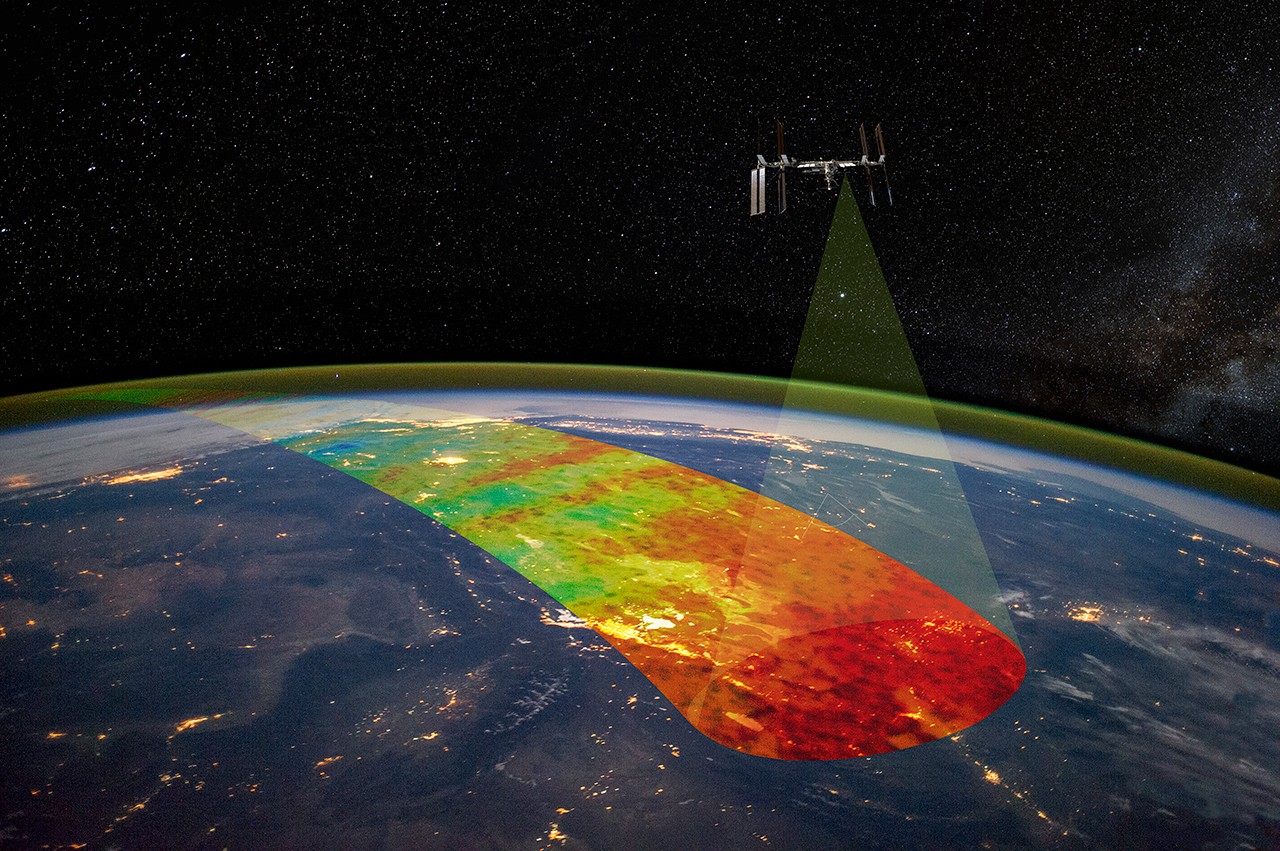
Ground controllers powered down NASA’s Atmospheric Waves Experiment (AWE) instrument on the International Space Station on May 21, marking the successful conclusion of its data collection phase. The mission operated for 30 months, exceeding its original two-year plan, and provided unprecedented insights into how extreme weather events on Earth influence conditions in space.
Installed on the exterior of the station in November 2023, AWE was designed to detect atmospheric gravity waves—giant ripples in the atmosphere caused by strong winds over mountains or violent weather. By observing these waves in the Earth’s airglow, the instrument mapped how terrestrial phenomena propagate upward to affect the upper atmosphere and space weather.
During its residency, the instrument captured more than 80 million nighttime infrared images, recording four frames every second. It observed wave signatures from significant events, including a tornado outbreak in the central United States in May 2024 and Hurricane Helene in September 2024. Researchers found that gravity waves with horizontal wavelengths between 30 and 300 kilometres have the greatest influence on upper atmospheric plasma density.
Variations in this plasma density can disrupt radio signals, degrading the accuracy and reliability of satellite navigation, timing, and communications systems. Ludger Scherliess, principal investigator at Utah State University, noted that the data provided a clear example of how intense weather systems generate measurable responses in the upper atmosphere, revealing differences in wave types generated by various storm categories.
The AWE instrument is being removed to make way for the CLARREO Pathfinder, a new sensor designed to measure reflected sunlight with five to 10 times greater accuracy than existing systems. A robotic arm will detach AWE, which will then be loaded into a SpaceX Dragon cargo spacecraft for deorbit and atmospheric burn-up. All mission data remains available to the public and scientific community via Utah State University’s website.