NASA researchers discover novel material to melt lunar regolith
A team at NASA’s Glenn Research Centre has identified a corrosion-resistant material formed from simulated Moon dust and scandium oxide, potentially enabling astronauts to extract resources from the lunar surface.
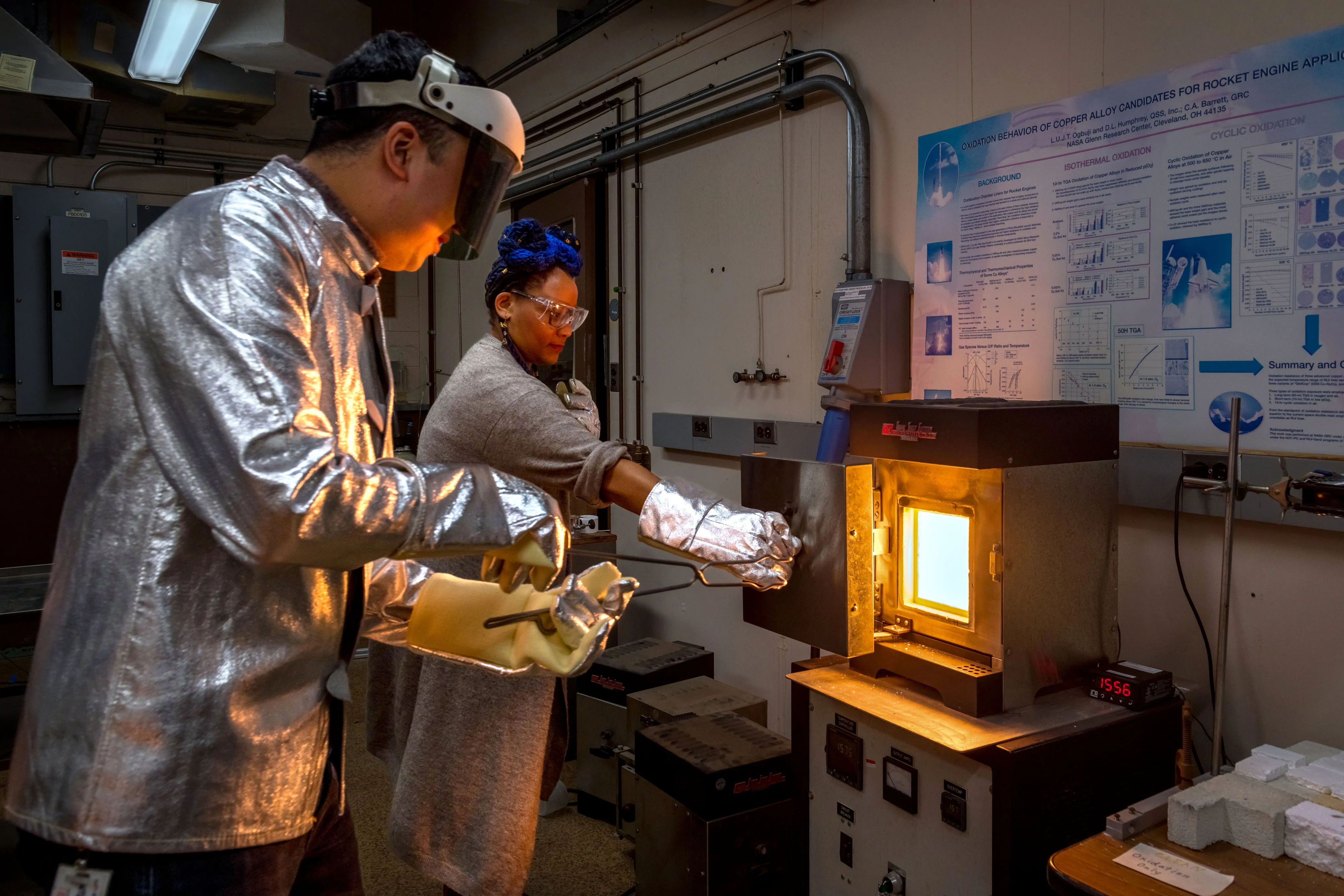
Researchers at NASA’s Glenn Research Centre in Cleveland have discovered and tested a new material capable of withstanding the extreme temperatures required to melt lunar regolith. The substance, formed by combining simulated Moon dust with scandium oxide, resists corrosion and costs less than precious metals like platinum. This development could enable astronauts to extract metals and oxygen from Moon rocks for infrastructure and life support, while also offering potential applications for heat-resistant coatings in jet engines.
The discovery was made by Dr. Kevin Yu, a technologist at NASA’s Jet Propulsion Laboratory, and Dr. Jamesa Stokes, a materials research engineer at NASA Glenn, during a study on how substances interact with liquefied Moon dust. The research was conducted as part of the Space Technology Graduate Research Opportunities fellowship. The team heat-treated a mixture of simulated lunar dust and scandium oxide, resulting in an unknown substance that did not match any of the 1 million substances in their X-ray analysis database.
The material exhibits a colour-changing property, turning from pink to light beige or tan, which serves as an indicator that the reaction has proceeded correctly. The substance can withstand temperatures up to 2,900 degrees Fahrenheit (approximately six times hotter than a standard kitchen oven) and is lighter, less dense, and a better heat insulator than current state-of-the-art coating materials.
NASA is researching methods for future Moon explorers to “live off the land” by harnessing lunar resources, specifically melting Moon rocks to extract metals for building infrastructure and oxygen for fuel and life support. Precious metals like platinum are typically used in high-temperature processes but are costly; this new material offers a potentially more affordable alternative.
The research is supported by NASA’s Space Technology Mission Directorate and NASA’s Aeronautics Research Mission Directorate. Materials research for lunar exploration also aims to advance terrestrial applications, such as improving jet engine components.