NASA scientist prepares Artemis crews for lunar science missions
With 37 years of service, the exploration scientist combines classroom instruction and Antarctic field exercises to ensure crews can interpret the Moon’s geologic history from orbit.
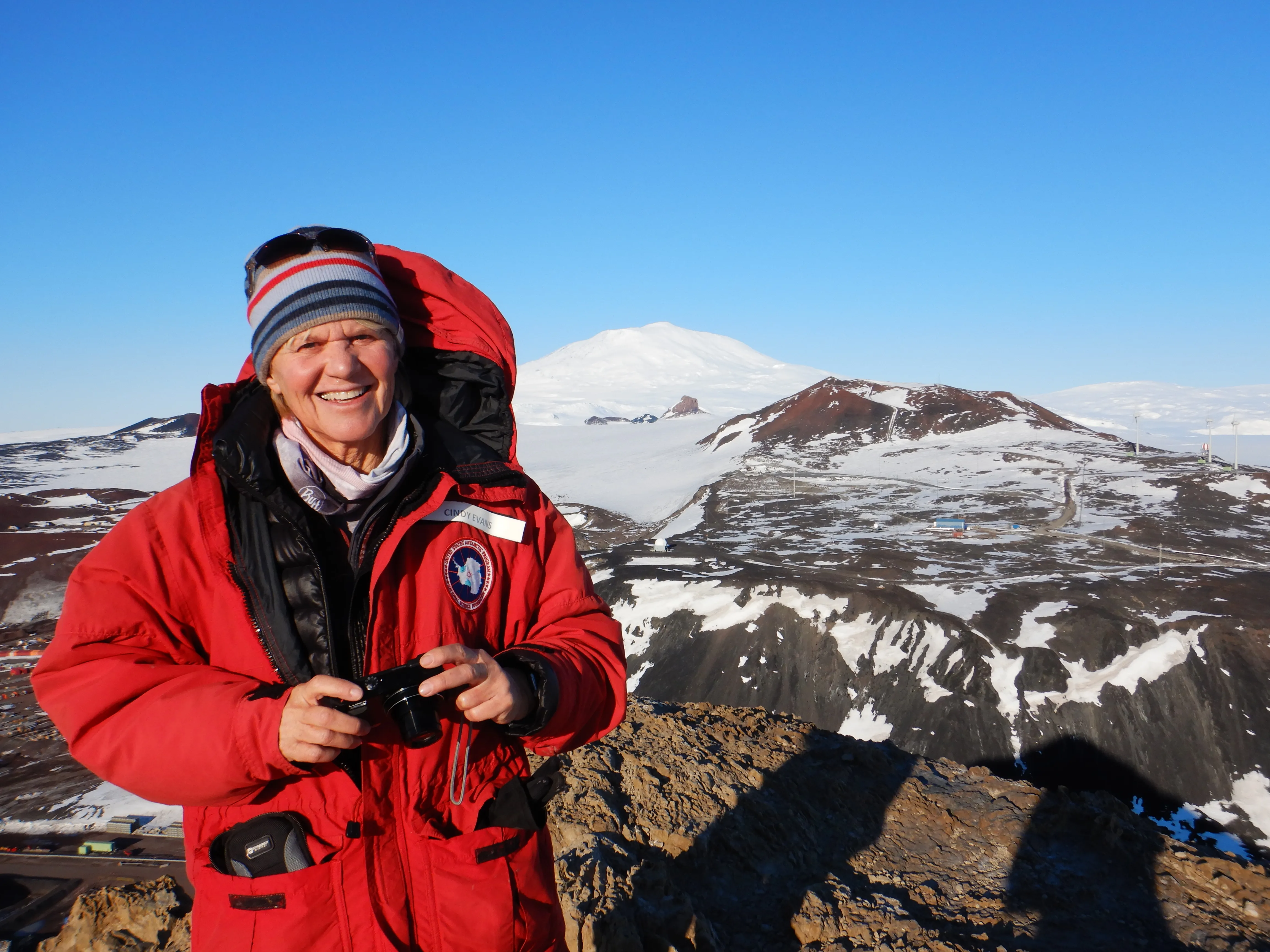
Cindy Evans, an exploration scientist and geology training lead at NASA’s Johnson Space Center, has spent decades preparing astronauts for the scientific demands of lunar exploration. As the Artemis Internal Science Team’s geology training lead, Evans spearheads a programme that integrates core classroom instruction with rigorous field exercises. This training ensures that crew members possess the necessary skills to execute science requirements from lunar orbit and on the surface.
The Artemis II crew recently utilised this preparation during their 10-day historic mission around the Moon. Flying by the far side of the lunar surface, the crew conducted geological observations and photography of features such as impact craters and ancient lava flows. Their role extended beyond technical operations, serving as scientific ambassadors who analysed and documented geologic nuances in shape, texture, and colour to reveal the area’s history.
Evans, based in the Astromaterials Research and Exploration Science Division, emphasises that astronauts must have the confidence and muscle memory to conduct observations and sampling. “Whether they’re looking out the spacecraft’s windows or walking the surface, Artemis astronauts are working on behalf of all scientists to collect clues to the ancient geologic processes that shaped the Moon and our solar system,” Evans said.
A former oceanographer who studied rocks comprising oceanic crust, Evans has contributed to the Space Shuttle, Shuttle-Mir, and International Space Station programmes over her 37-year tenure. Her background in interdisciplinary research informs her approach to planetary science, requiring collaboration with hardware engineers, operations teams, and management to bridge the gap between scientific inquiry and operational execution.
Evans’ training methodology includes deep-field geology sessions in Antarctica, where she has camped on blue ice near the South Pole to collect rocks. She encourages early-career professionals to build connections across different organisations, noting that human spaceflight is a dynamic endeavour where flexibility and teamwork are essential for professional fulfillment and mission success.