NASA details Artemis II recovery operations and crew safety priorities
The open water lead explains the shift from capsule-focused to crew-first protocols following the Artemis II mission splashdown off San Diego.
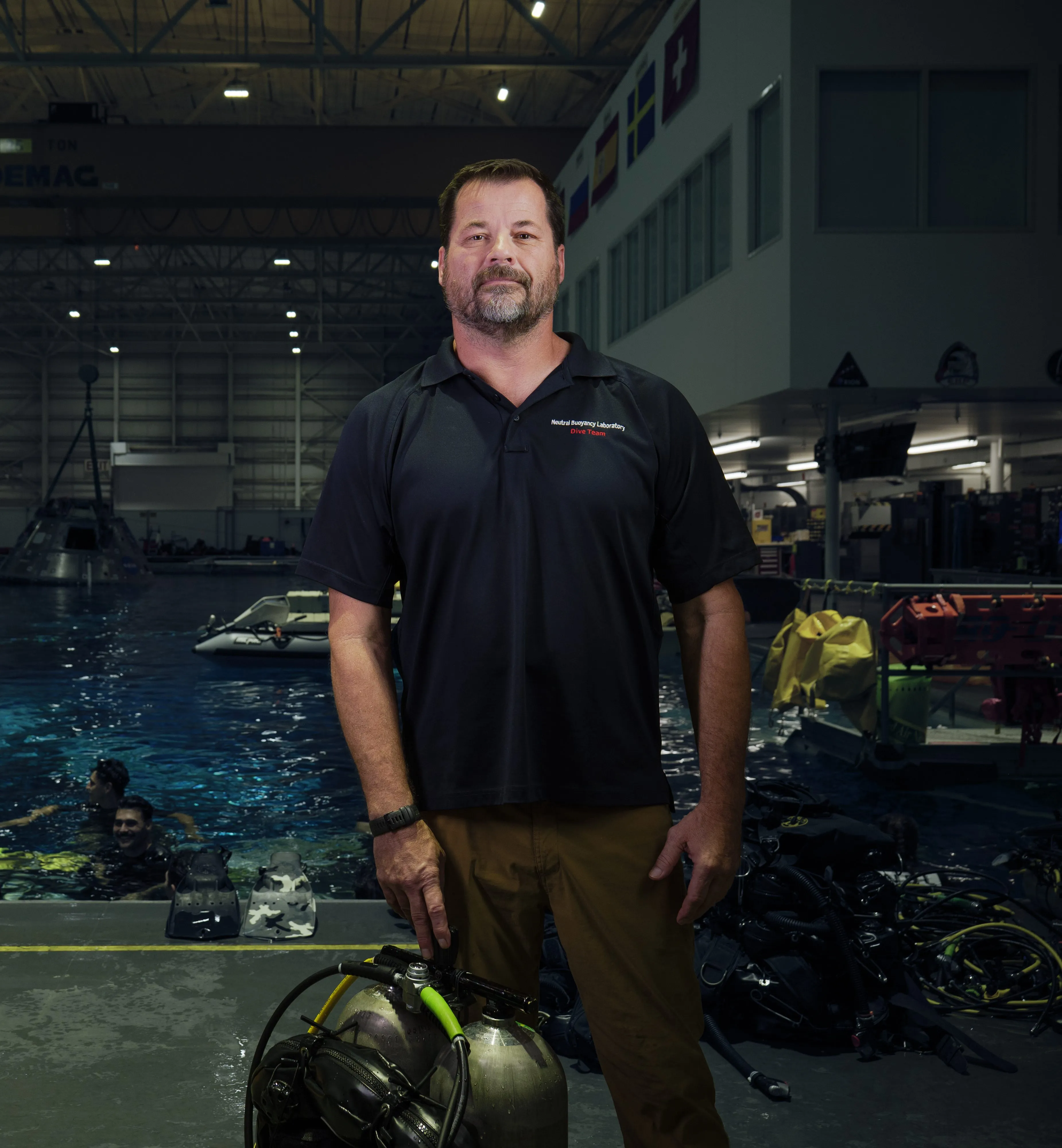
Tim Goddard, NASA’s open water lead, has detailed the intricate recovery operations for the Artemis II mission, which saw U.S. Navy divers and NASA personnel retrieve the Orion spacecraft and its crew from the Pacific Ocean off the coast of San Diego. Goddard, who has served as the open water lead for over a decade, described the coordination of multiple vessels, helicopters, and personnel required to bring the crew and capsule safely aboard an amphibious Navy ship.
The operation involved six small boats, four helicopters, and more than 50 personnel working in and around the water. Goddard noted that his portion of the recovery is just one element of a larger effort that includes coordination of the Navy ship’s operations, communications, vessel traffic, medical needs, and aviation activities. The complexity of the task requires precise timing and extensive preparation to ensure the safety of all personnel involved.
Training for these operations begins long before the mission, starting with representative Orion hardware at the Neutral Buoyancy Laboratory at NASA’s Johnson Space Center in Houston. This facility, one of the world’s largest indoor pools, allows the team to practice large-scale underwater and topside operations. The team then moves to San Diego for bay operations and open ocean drills, repeating each phase of the recovery process to ensure familiarity with every aspect of the mission.
Goddard is in his third recovery of the Orion capsule, having previously participated in the Exploration Flight Test-1 in 2014 and the uncrewed Artemis I mission in 2022. He joined NASA in the 1990s after a 27-year career as a U.S. Navy diver, initially working in dive operations at the Neutral Buoyancy Laboratory before pursuing mechanical engineering. His experience has been instrumental in developing the protocols used for Artemis II.
A significant shift in operational focus occurred with Artemis II, as the presence of a crew changed the priorities of the recovery team. Goddard stated that the primary focus has shifted from recovering the capsule to prioritising the safety of the crew first. Once the crew is safely aboard the ship, the team then shifts its operations to the recovery of the capsule. This change reflects the increased responsibility and stress associated with recovering human lives, which Goddard described as tenfold greater than previous uncrewed missions.
The relief experienced by the recovery team after Artemis II was profound, according to Goddard. He noted that while setting the capsule down was a moment of elation during previous missions, the feeling of relief after recovering the crew and ensuring the capsule was back in San Diego was immense. This highlights the critical importance of the recovery operations in ensuring the safe return of astronauts from space missions.
Goddard’s team practices extensively to ensure that by the time the real mission occurs, they have hours and hours of experience with each facet of the recovery. This repetition is crucial for handling the complexities of open water recovery, where conditions can be unpredictable and the margin for error is minimal. The success of Artemis II’s recovery operation underscores the effectiveness of this rigorous training regimen.
The Artemis II mission, a crewed flight around the Moon, follows the uncrewed Artemis I test flight. The recovery operation takes place after the Orion spacecraft splashes down in the Pacific Ocean, marking the end of the mission and the beginning of the complex process of bringing the crew and capsule back to safety. The coordination between NASA and the U.S. Navy is essential for the success of these operations, ensuring that the crew is recovered safely and efficiently.
Goddard’s role as open water lead involves the design, certification, procurement, and training for both the NASA and Navy teams. He oversees the hardware and operations needed to recover the crew and spacecraft from the open ocean, ensuring that all aspects of the recovery are meticulously planned and executed. His leadership and expertise have been vital in the success of the Artemis II mission’s recovery operations.
The recovery of the Orion spacecraft and its crew is a testament to the collaboration between NASA and the U.S. Navy, as well as the dedication of the personnel involved in these complex operations. Goddard’s insights into the process provide a glimpse into the challenges and rewards of space recovery operations, highlighting the importance of preparation, coordination, and safety in ensuring the successful return of astronauts from space.