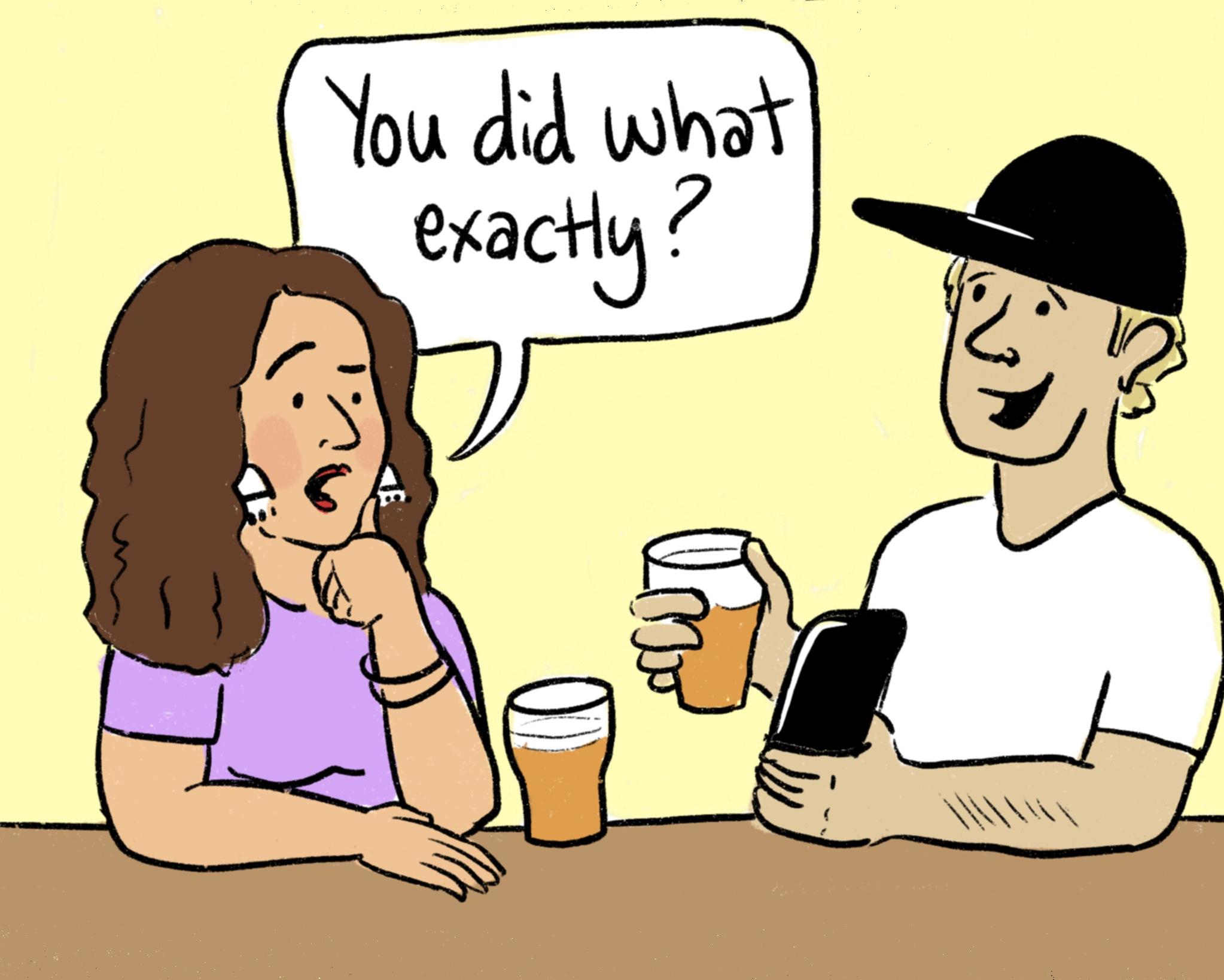
Guardian opinion piece highlights decline of spontaneous social hangouts among young people
Data shows rising domestic screen time in the US and Australia, with adults over 50 now spending more time socialising in person than teens and young adults
Sharp arguments, interpretation, and perspective on the forces reshaping public life.
Data shows rising domestic screen time in the US and Australia, with adults over 50 now spending more time socialising in person than teens and young adults
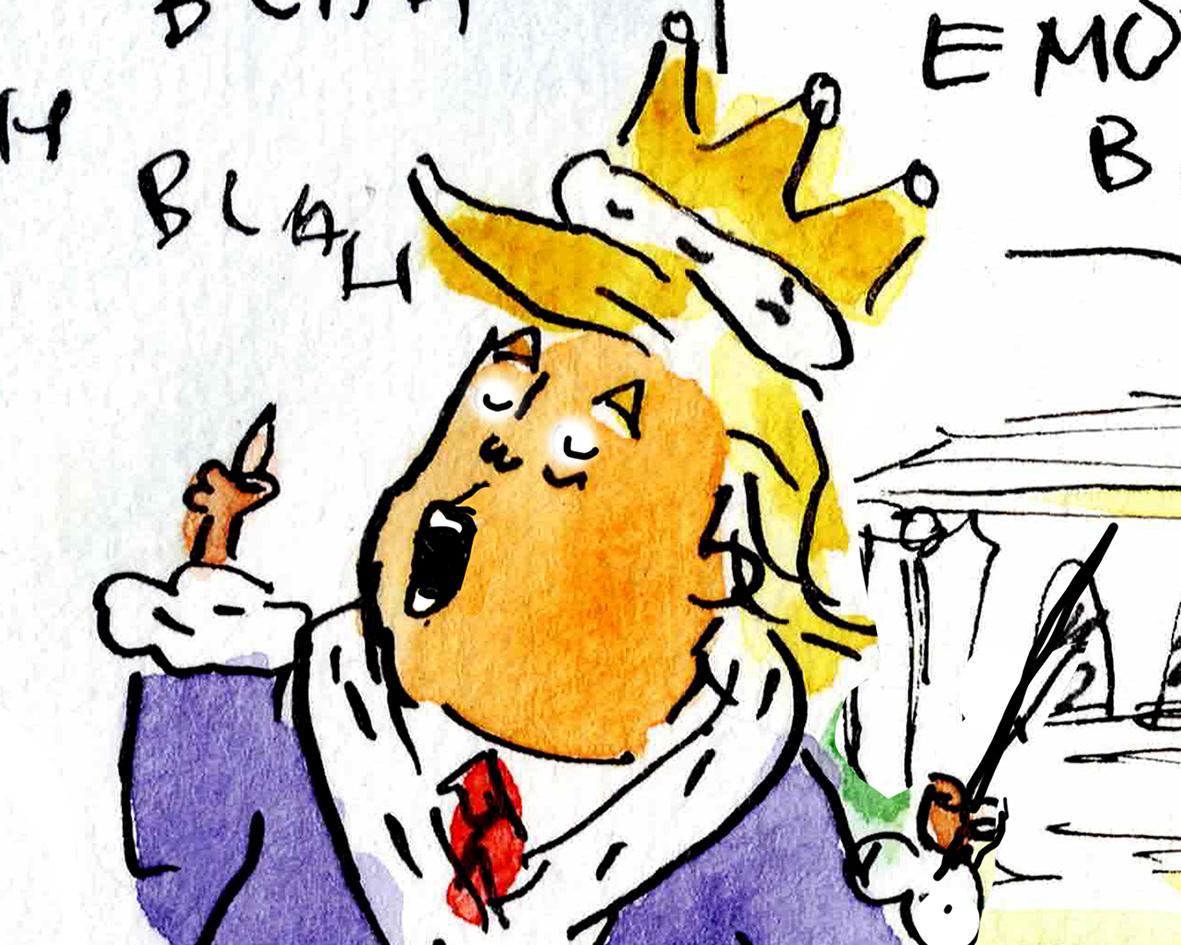
Fiona Katauskas’s latest work for The Guardian Opinion section questions the roots of Donald Trump’s wealth, portraying him as a figure who consistently places himself first.
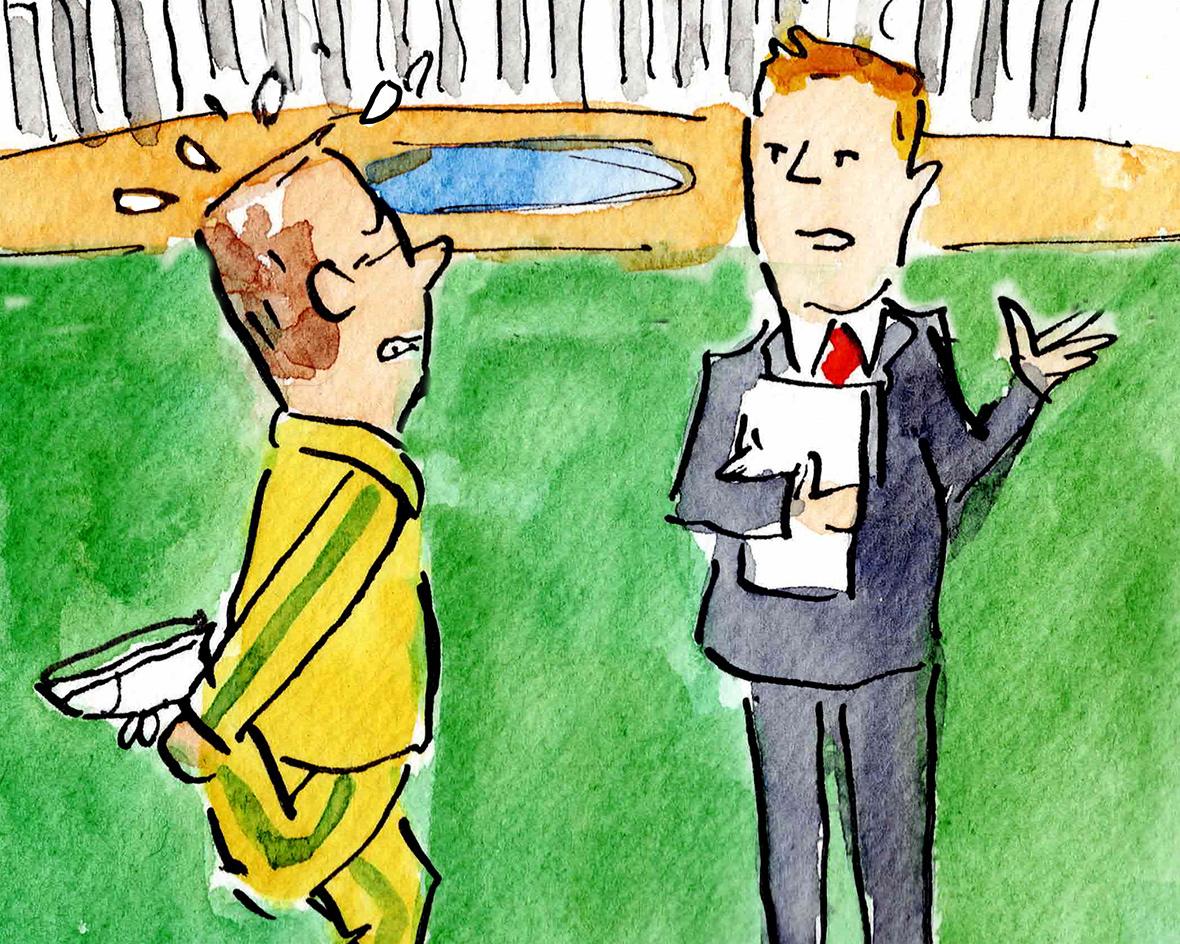
The May 2026 illustration depicts a character abandoning a list of 100 best novels after the invention of the internet
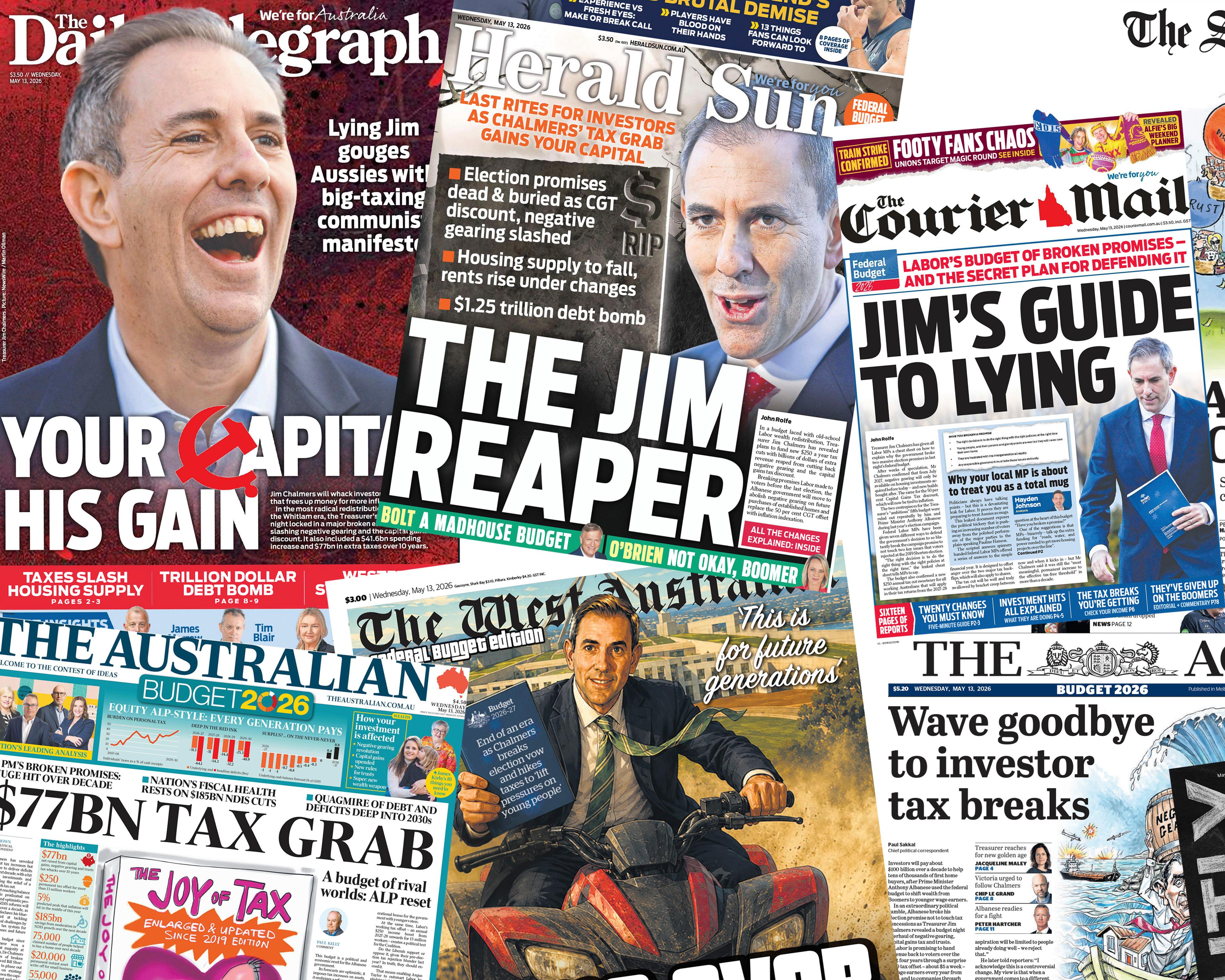
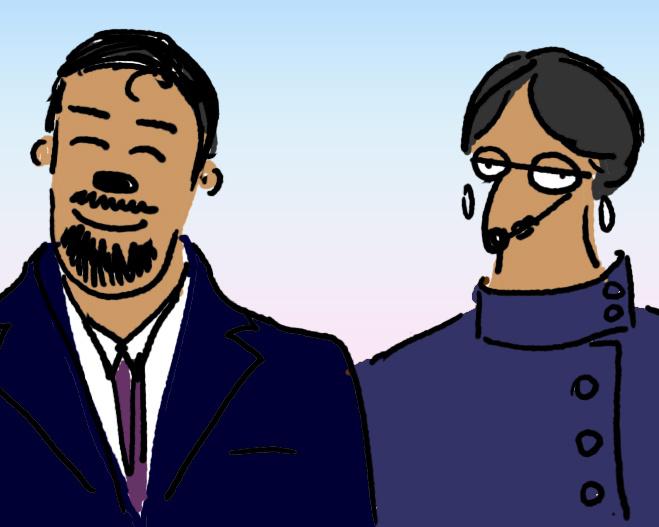
Former Treasurer Peter Costello warns of punishment for young investors, yet the author contends the risk lies in reforms going too little rather than too far.
In a recent Guardian Opinion article, Shaw reflects on personal experiences of depression and community support to argue that introducing friends to one another creates resilient networks essential for mental well-being.

In an opinion piece for The Guardian, Harwood contrasts the emotional resonance of human-made art with the lack of agency in AI, citing the Perth Comics Arts Festival’s ban on such materials as evidence of community resistance.

Fiona Katauskas published a work on The Guardian Opinion feed on 28 May 2026, asking whether the government can navigate the challenges ahead.

With consultations for the second action plan beginning, campaigners are urging strategic pressure on ministers ahead of the May 2026 budget handdowns.

Analysis highlights 11 per cent real-terms cut to disability scheme while media focus remains on tax reforms affecting high-income earners

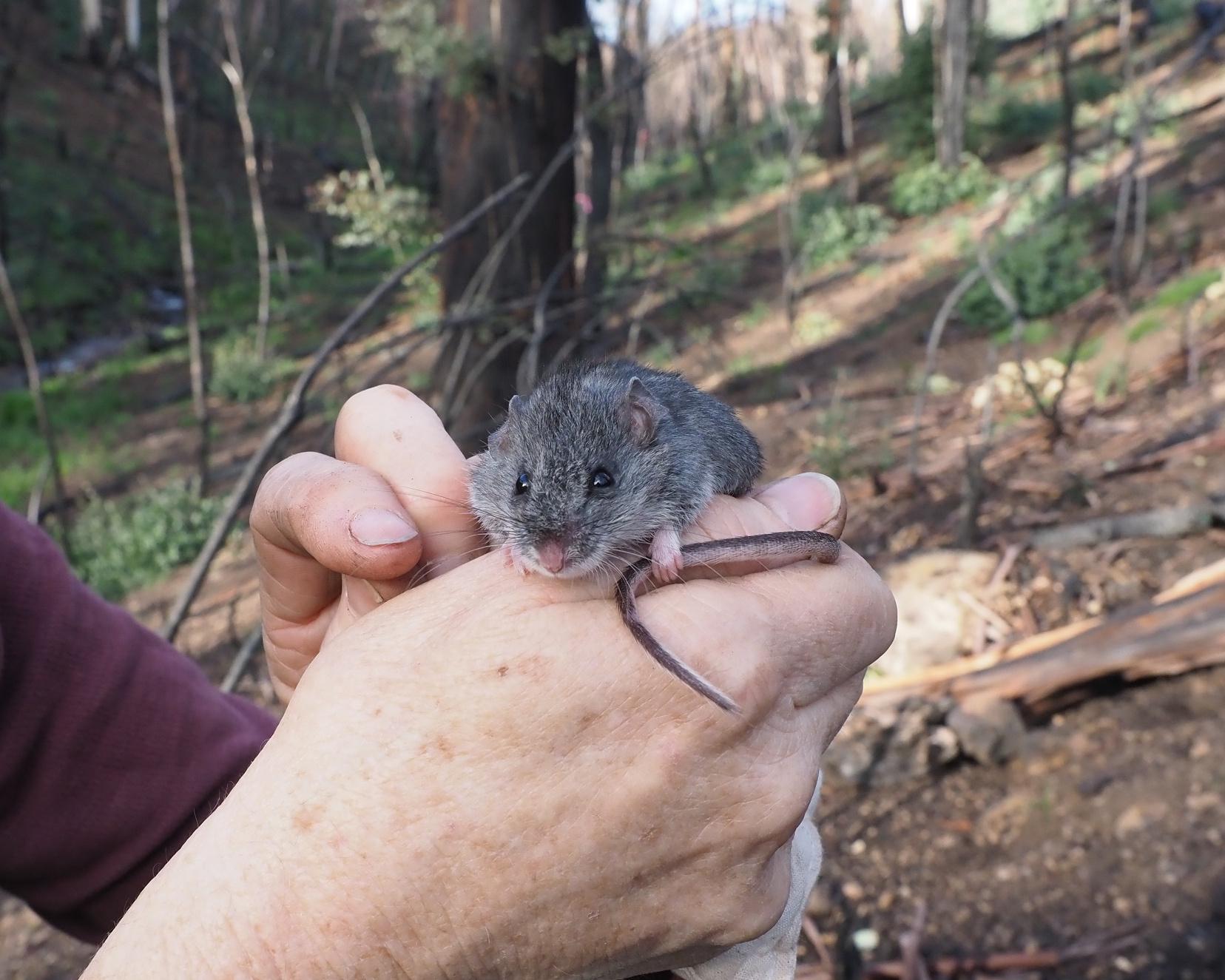
An article published on 27 May 2026 argues for a change to the country’s symbolic fauna, though the proposal remains a subjective assertion rather than a policy announcement.

The resignation of Paul Brereton has reignited debate over how the National Anti-Corruption Commission selects its leaders, with calls for a transparent, merit-based process to restore public confidence.

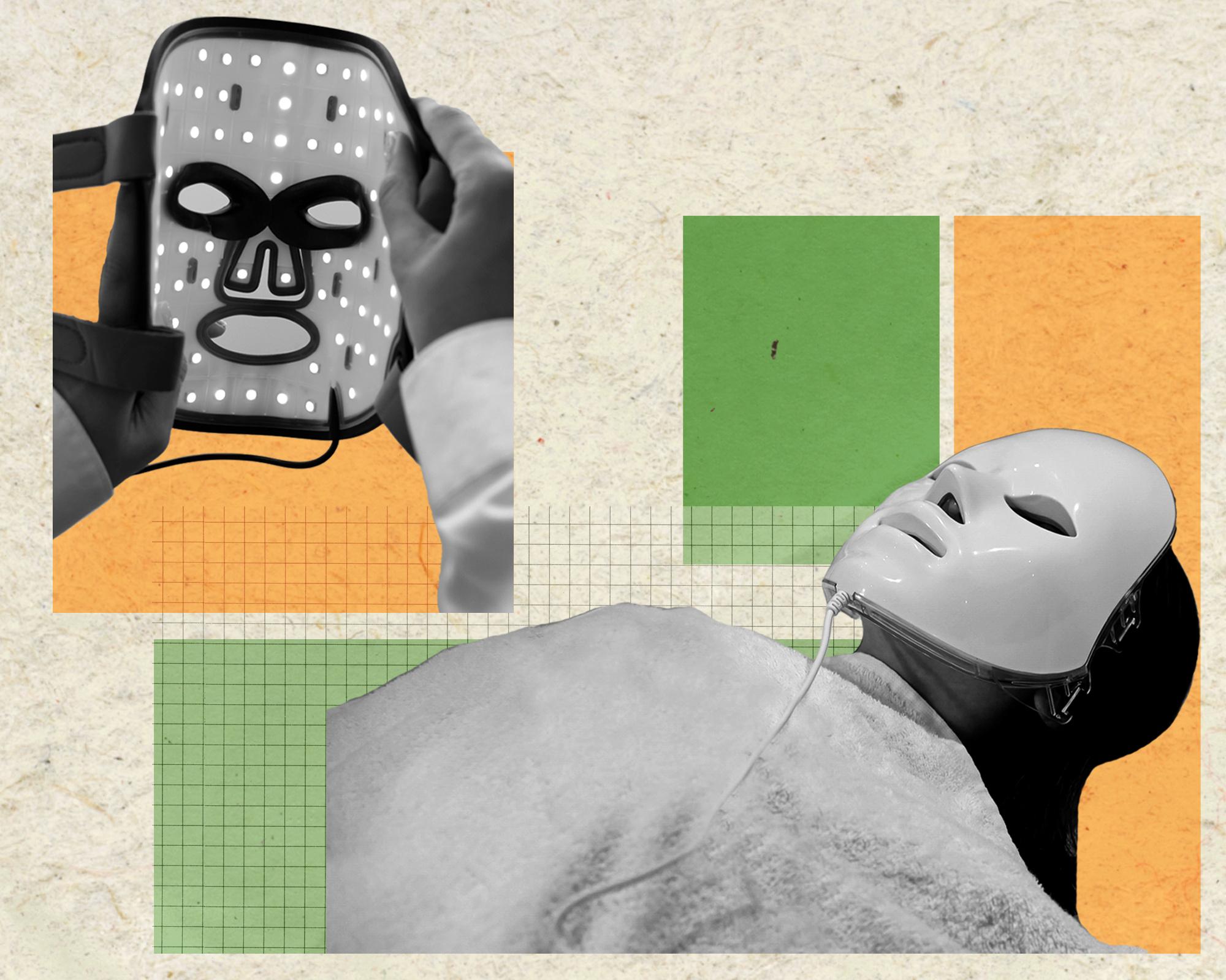
An opinion piece in The Guardian argues that despite popular claims regarding wound healing and pain reduction, current studies on red light therapy are too small and poorly controlled to confirm efficacy.

The executive director of Essential says the government is challenging established interests, but needs to prove the reforms improve material wellbeing to secure lasting support.

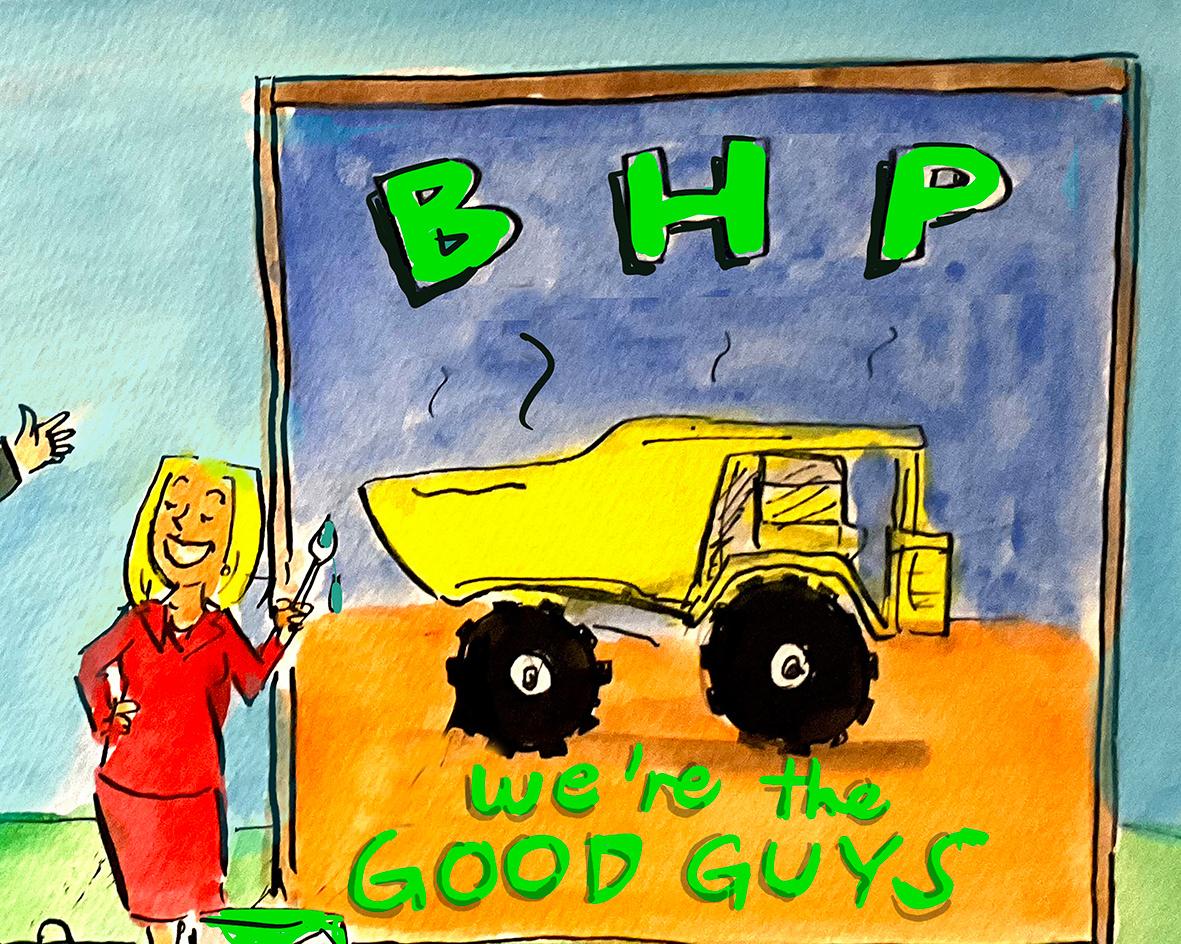
The piece, captioned 'It’s not easy being green', offers commentary on the mining giant’s practices without providing specific factual allegations.

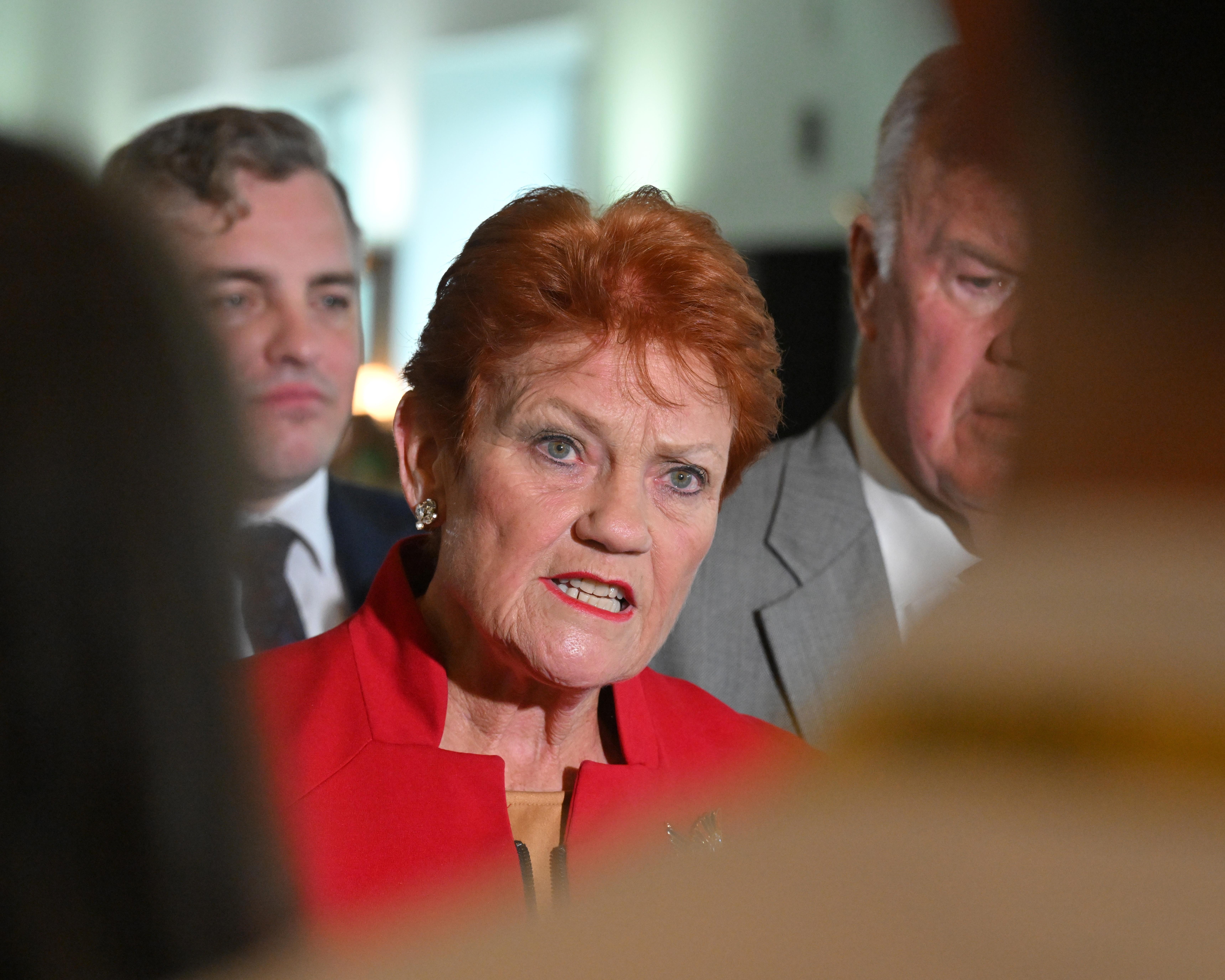
An opinion piece published in The Guardian and The Conversation highlights a pattern of media suppression by One Nation, including the ejection of reporters from the Farrer byelection press conference and verbal abuse by Pauline Hanson.

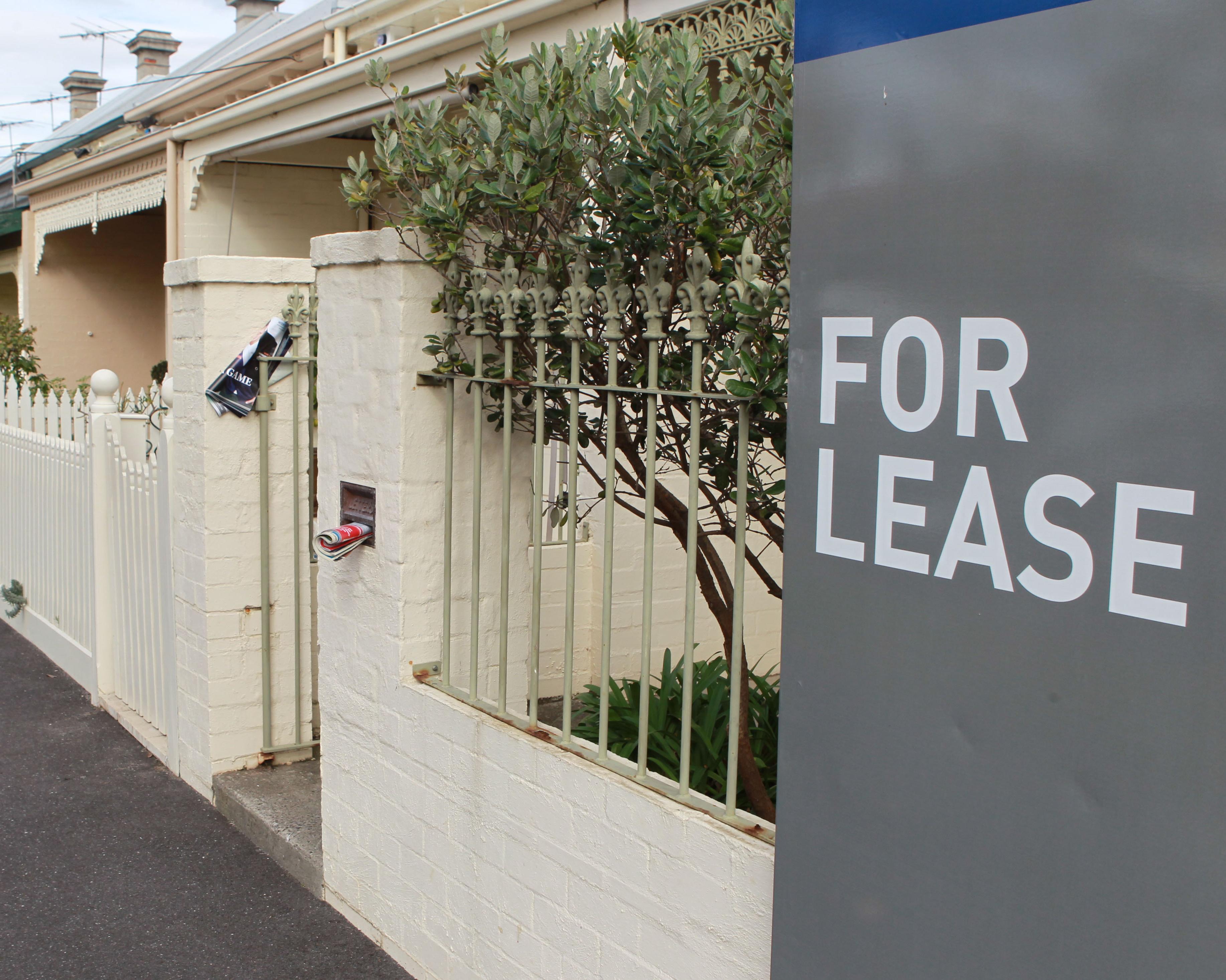
A Guardian opinion piece argues that warnings of soaring rents are a scare campaign, noting that existing investors are grandfathered under current tax rules while rents have already surged by hundreds of dollars weekly over the past decade.

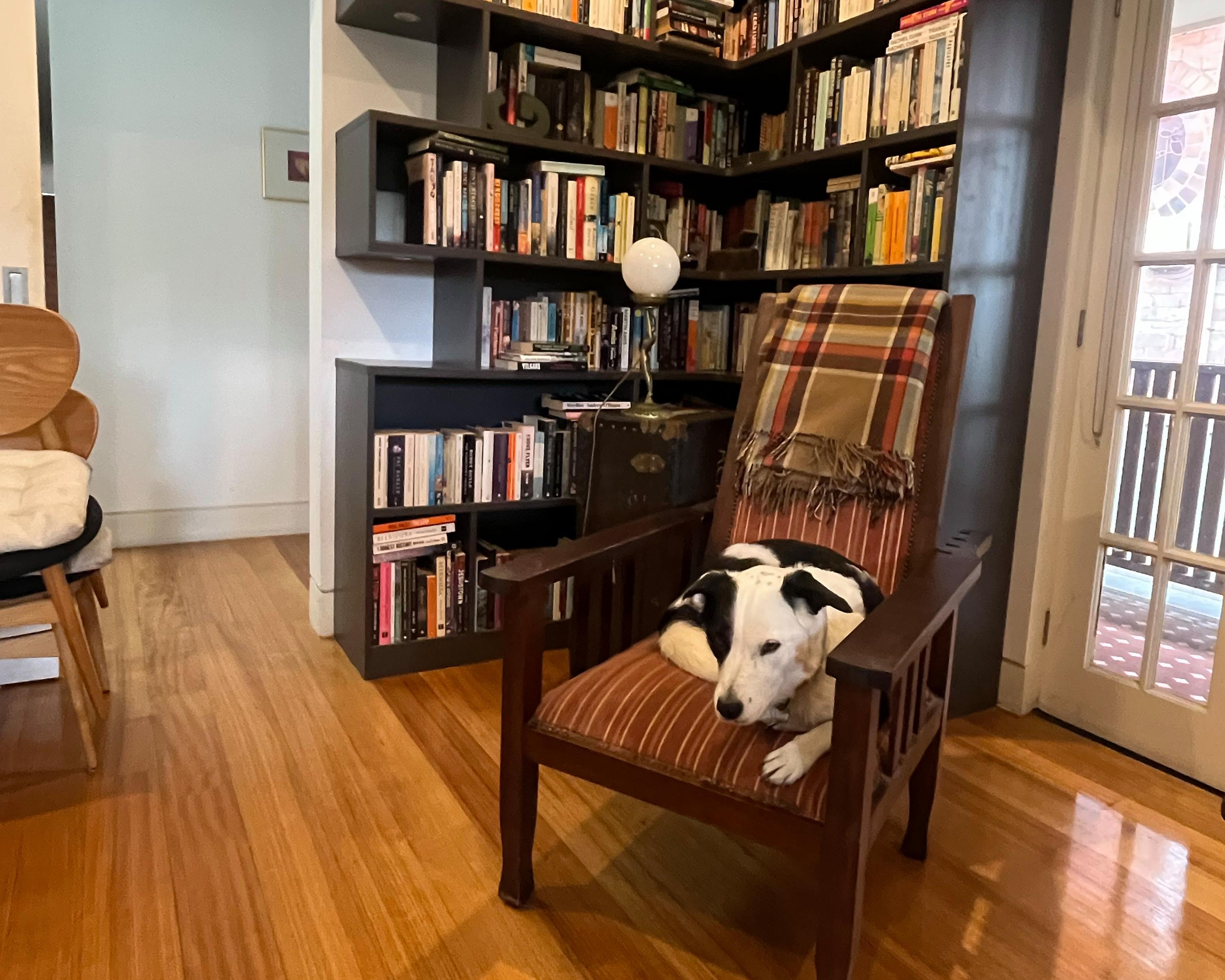
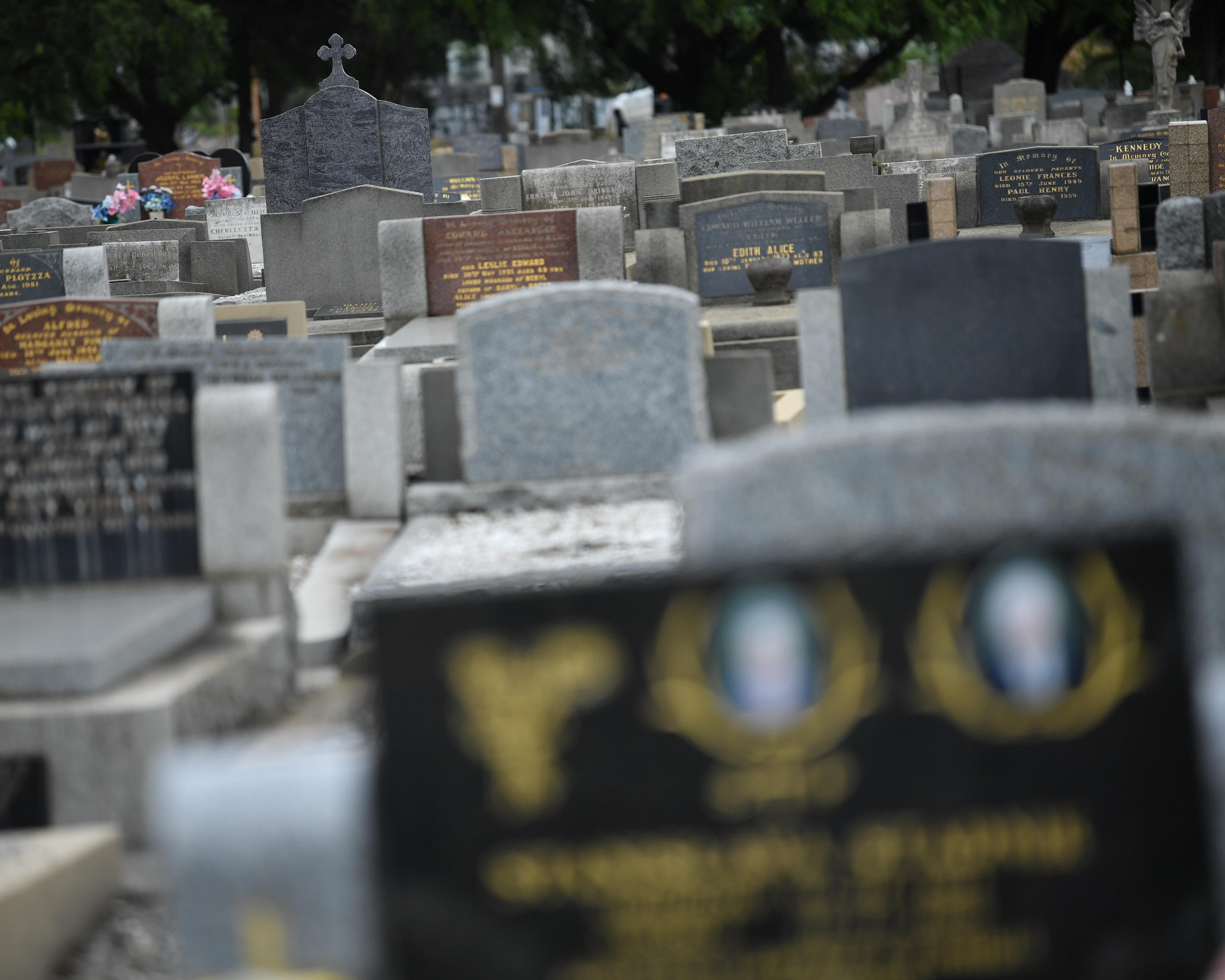
The journalist reflects on how rusted dog collars, paintings by late friends, and his parents’ belongings serve as tangible links to those who have passed.

The cartoonist and writer argues that workforce reductions at the Commonwealth Scientific and Industrial Research Organisation are ill-timed given anticipated global climate impacts.

Julianne Schultz argues that complex political messaging is struggling to resonate with a public fractured by intra-generational poverty and wealth, risking a similar fate to previous social cohesion initiatives.

Clinical psychologist Gaynor Parkin and personality psychologist Dave Winsborough argue that family estrangement is more common than perceived, with outcomes depending heavily on the underlying causes such as abuse or value differences.

Australian writer Ben O'Mara describes how a panic attack triggered by shifting his wife’s novels led to a broader reflection on post-bereavement guilt, the therapeutic nature of reading with his son, and the enduring connection provided by physical books.

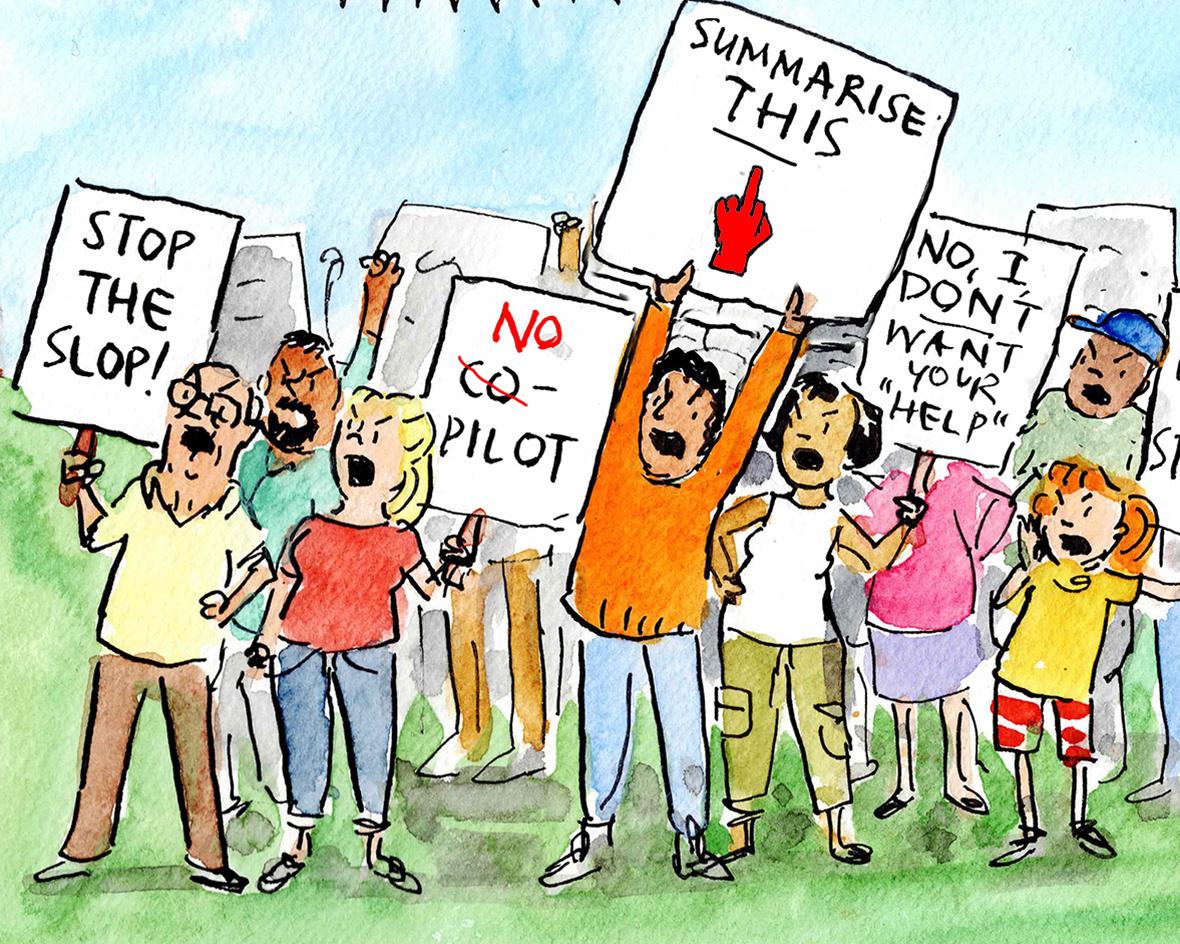
Fiona Katauskas’s latest work in The Guardian Opinion section suggests that indications of a growing counter-movement against AI are present, though the specific evidence remains within the visual context of the cartoon.

The executive director of Essential suggests a model inspired by Norway’s oil fund to capture public value from tech giants training models in Australia

The course, attended largely by healthcare professionals, emphasises process over perfection, offering a counterpoint to high-stress work environments.

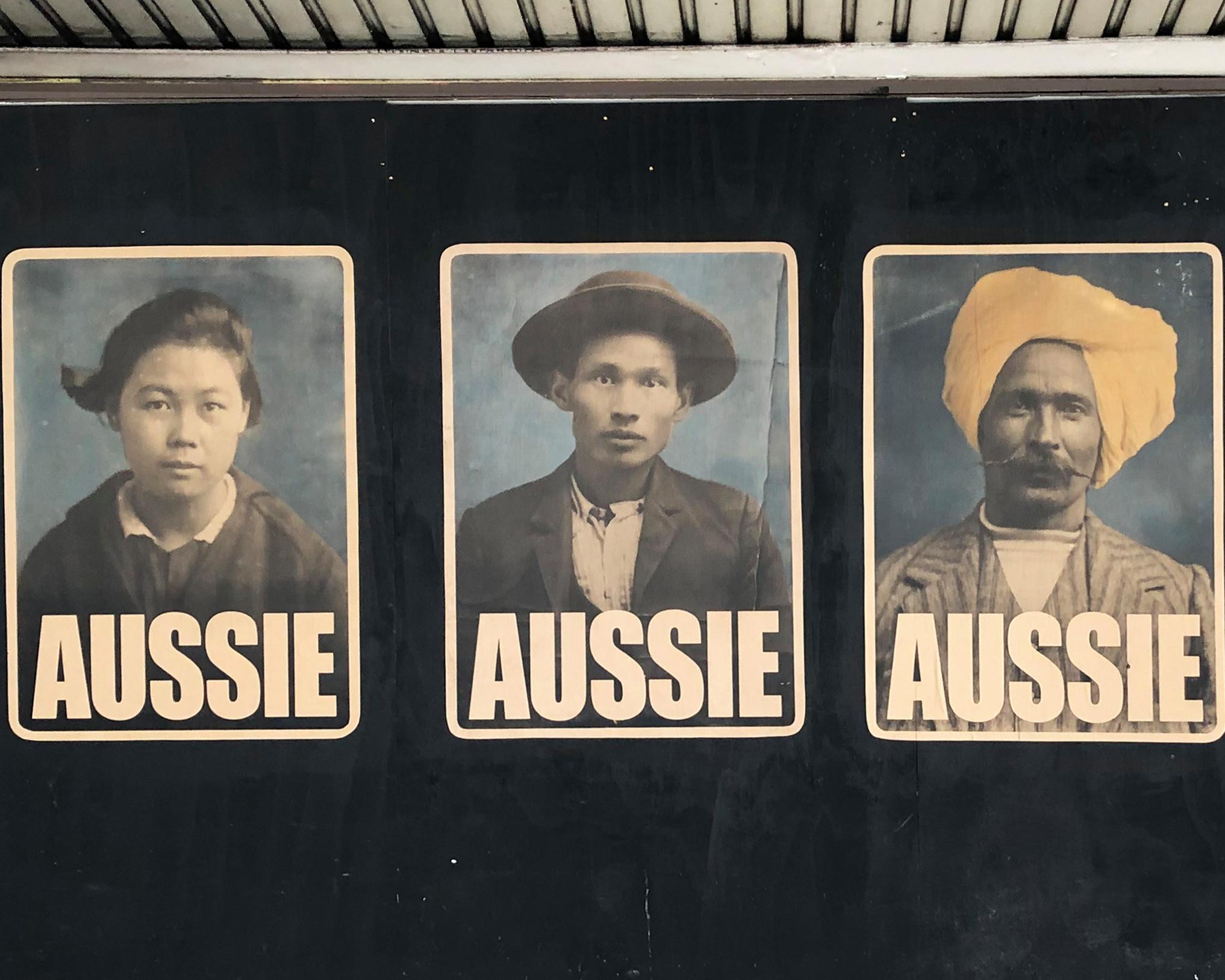
The Guardian opinion piece by Zoya Patel challenges claims that Australia is being overrun by foreigners, citing her parents’ migration from Fiji in 1992 as evidence of the economic and social contributions of immigrants.

The piece argues that domestic political figures, rather than flotilla activists, are responsible for weakening the nation’s standing.

Helen Clark calls for standing multidisciplinary bodies to map known risks and create geographically tailored protocols following outbreaks of Andes hantavirus and Bundibugyo Ebola.

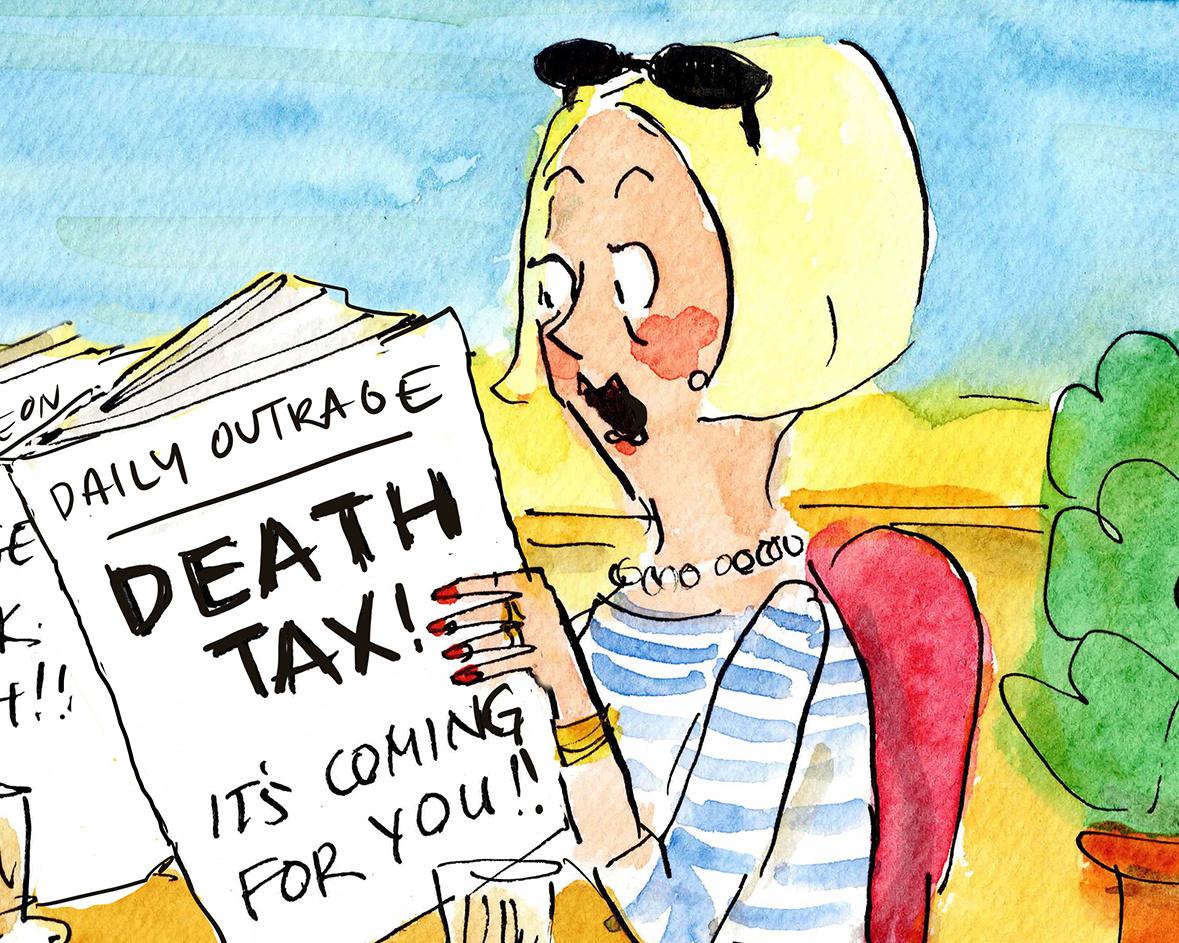
Greg Jericho contends that claims of a 'death tax' are unfounded scare tactics and that the government should prioritise a gas export levy to avoid political backlash.

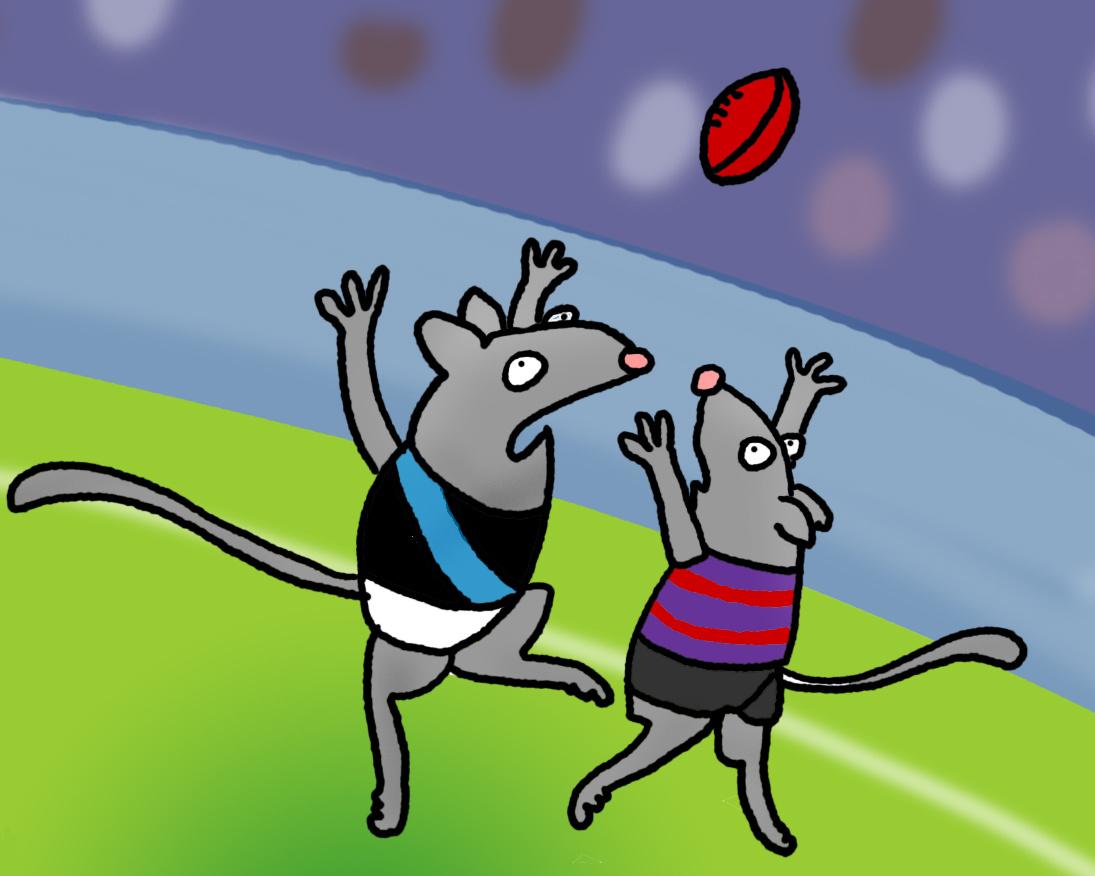
The Guardian Opinion piece questions the timing of the government’s announcement and the sport’s financial ties to betting.

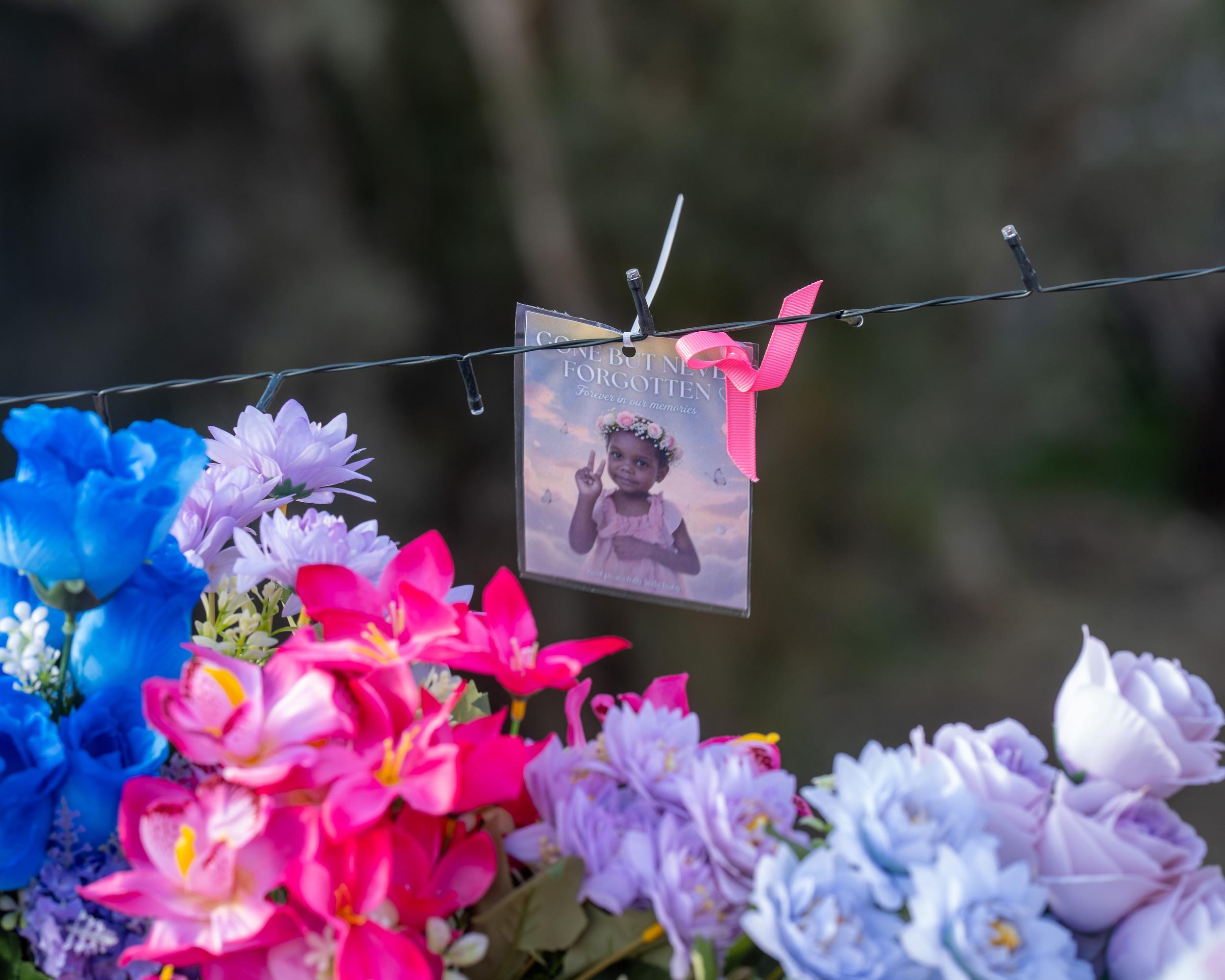
With Aboriginal children comprising 90 per cent of those in the Northern Territory’s child protection system despite being only 20 per cent of the child population, Professor Fiona Stanley says the state is repeating the failures of the 2007 intervention.

Legal scholar says $1.917bn annual reform could cap arts degrees at $30,000, contrasting with $16bn debt reduction already delivered

Gayford draws parallels between his family’s journey from Auckland and Boston to Australia, citing housing density data and personal anecdotes to examine what constitutes a place of belonging.

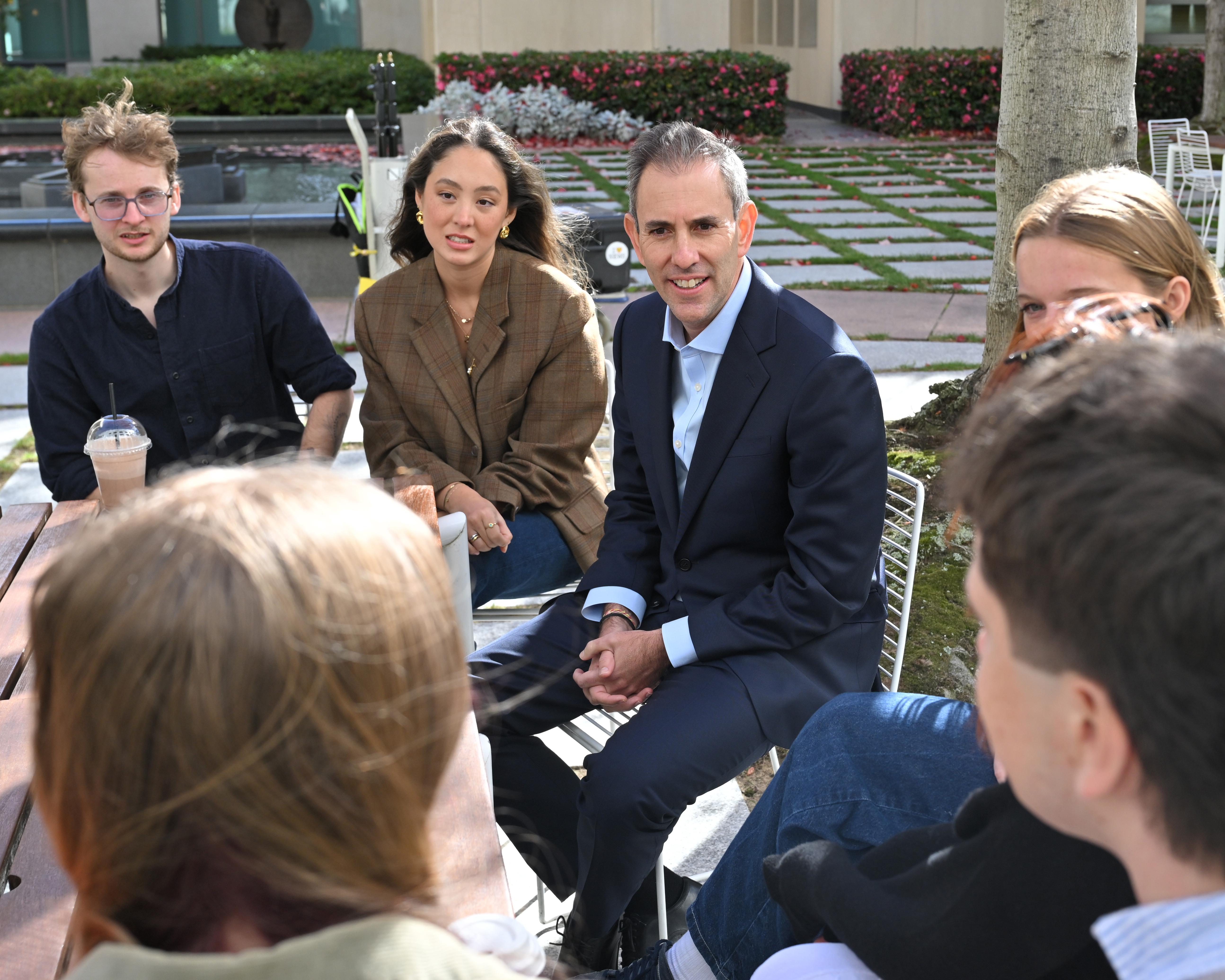
Data from 2022-23 shows only 4.4 per cent of taxpayers aged 18-34 reported capital gains, compared with 14.3 per cent of those aged 65 or over

The doctor accompanied a patient in financial hardship to a supermarket and cafe, an act of empathy that earned a five-star Google review and highlights the altruism often unseen in healthcare

The Guardian’s Fiona Katauskas published a cartoon on 18 May 2026 describing a “scare campaign” about tax reforms, underscoring the subjective nature of the commentary within the publication’s opinion section.

An opinion article published in May 2026 suggests New York politician Zohran Mamdani has successfully implemented measures addressing the desires of the general public during his first four months in office.

Authors point to declining on-ground funding and lack of issued certificates as evidence that the ‘green Wall Street’ model is not working

Dr Nadine Levy draws on Buddhist metaphors and psychoanalytic concepts to suggest beliefs should be treated as evolving tools rather than fixed truths

The federal budget grandfatheres negative gearing and omits a gas export tax, marking a strategic wedge against the Coalition’s defence of older, wealthier voters.

As US markets rise and tech leaders accompany the president, a Guardian cartoon characterises the trip with humour, though the specific content of the satire remains unverified.

In a Guardian opinion piece published on 16 May 2026, Burnard cites public figures and online inspirations to argue that natural ageing need not mean losing style or whimsy.

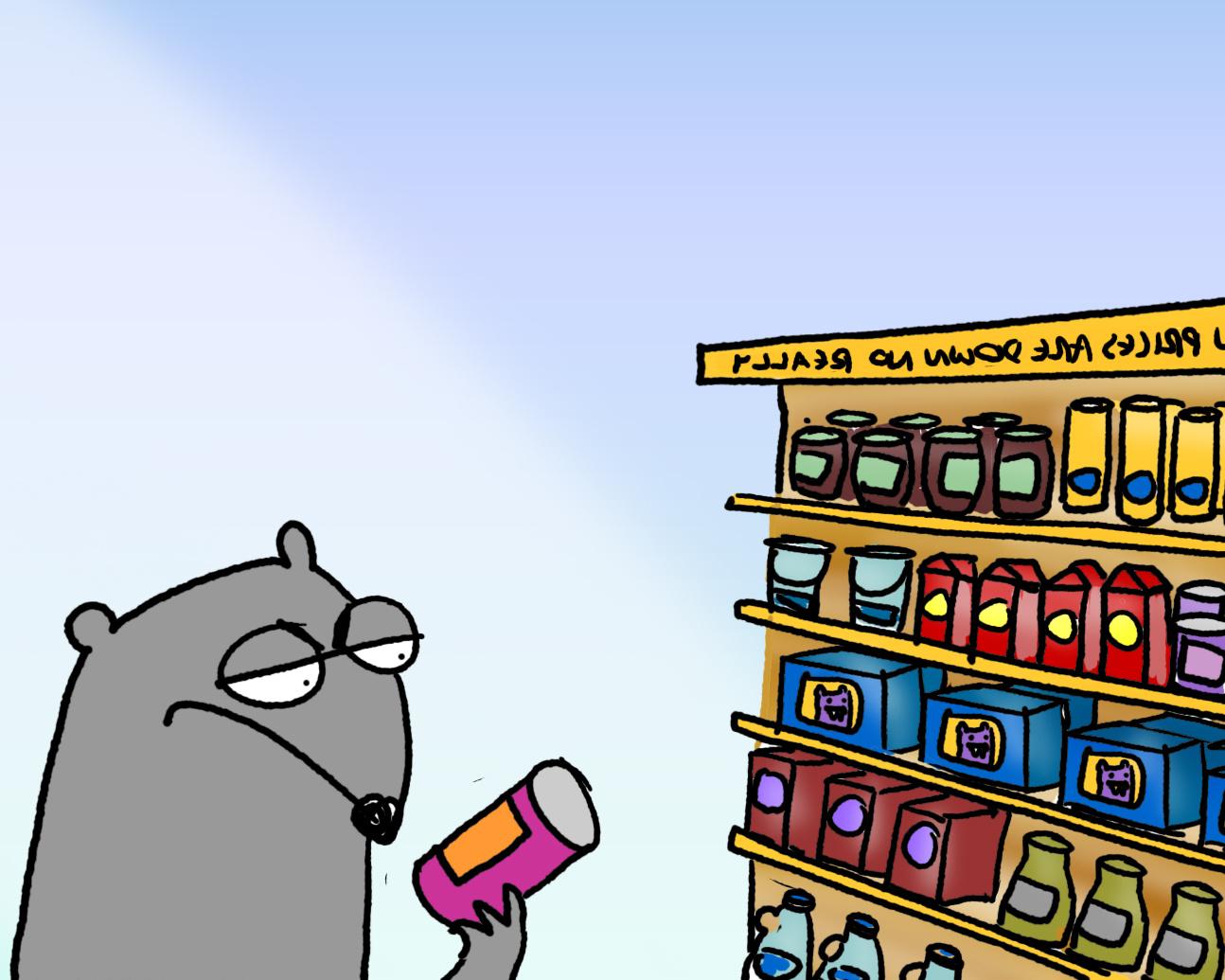
A recent commentary in The Guardian suggests Coles’ promotional pricing is misleading, though the piece is an editorial opinion rather than a regulatory finding.

Opinion piece in The Guardian contends that focusing on net migration targets ignores the complexities of managing the existing temporary population

Neha Madhok’s opinion piece in The Guardian details the financial strain of owning an unlivable investment property, linking policy shifts to voter anger and the rise of One Nation.

With the release of a Michael Jackson film and four Beatles features in production, the opinion writer contends the genre has become "expensive karaoke" that avoids darker truths in favour of musical performance.

The Coalition’s proposal to restrict disability, carer, and parental leave payments to citizens only has sparked debate over migrant belonging and system sustainability.

A new cartoon in The Guardian Opinion suggests the Coalition is exploiting known political divisions in its response to the federal budget.

New measures including the Working Australia Tax Offset and capital gains tax adjustments aim to address structural inequality as private sector wage growth lags behind inflation.