University of Melbourne academic condemns One Nation media bans as anti-democratic
An opinion piece published in The Guardian and The Conversation highlights a pattern of media suppression by One Nation, including the ejection of reporters from the Farrer byelection press conference and verbal abuse by Pauline Hanson.
Denis Muller, a senior research fellow at the University of Melbourne’s Centre for Advancing Journalism, has published an opinion piece criticising One Nation for excluding ABC journalists from press conferences and abusing reporters. Muller argues these actions constitute anti-democratic conduct comparable to strategies employed by Donald Trump in the United States. The article, published on 26 May 2026 in The Guardian and The Conversation, describes the Australian media industry’s silence regarding these incidents as a shameful failure to defend press freedom.
The criticism follows a series of specific incidents involving One Nation in May 2026. On 9 May, the day before the Farrer byelection, party chief of staff James Ashby ejected ABC journalists from the party’s election-eve press conference. Ashby reportedly told the reporters, “Bye, bye to the ABC.” This occurred shortly after an ABC story revealed that a One Nation candidate in the South Australian state election was wanted for questioning in the United Kingdom on allegations of sexual touching.
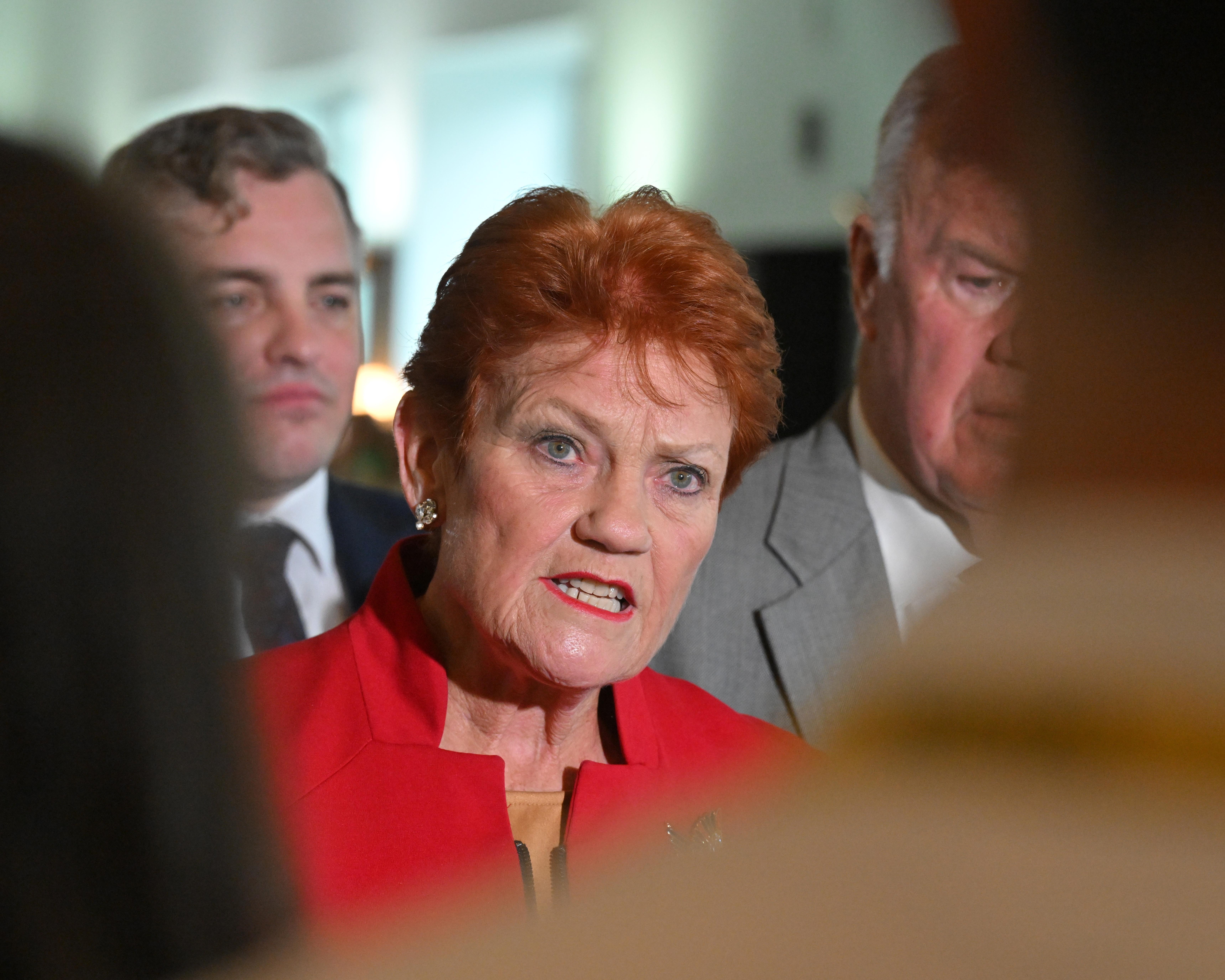
Further incidents of media exclusion and abuse were reported around 22 May. At a press conference in Adelaide regarding oil and gas policy, a Guardian Australia journalist was told to “shut up” by a party apparatchik. Pauline Hanson was later heard describing the journalist as a “nasty bitch”. Additionally, in late April, One Nation candidate Darren Hercus refused to speak to the ABC in the Victorian seat of Nepean, citing bias.
Muller’s article highlights a lack of public condemnation from major media bodies and leaders. No comments were issued by ABC editor-in-chief Hugh Marks or chair Kim Williams. Major newspapers, including those owned by Nine, provided reporting on the events but did not issue editorial commentary defending the principle of media access. The Media, Entertainment and Arts Alliance also remained silent.
The only substantive public criticism came from the ABC TV program Media Watch. Presenter Linton Besser described One Nation’s attitude toward the press as “ugly” and warned that slurs regarding “fake news” and “the enemy of the people” could be directed at other institutions. Besser noted that the ABC had declined to comment on the Farrer incident.
Muller draws parallels to the United States, where far-right populist leaders have turned on media outlets they dislike, branding them enemies of the people. He cites Sinclair Lewis’s 1935 novel It Can’t Happen Here as a warning against complacency. The article argues that while One Nation’s electoral success in Farrer and South Australia is significant, ignoring its anti-democratic behaviour demonstrates a wilful blindness to the functioning of Australian democracy.
Muller concludes that the exclusion of journalists from press conferences is not merely a story about journalists, but a matter of public interest concerning democratic principles. He asserts that the media’s consumption of One Nation’s political gains has led to a supine response, ignoring the broader implications for press freedom in Australia.