Chalmers budget pivots to intergenerational equity as Labor targets younger voters
The federal budget grandfatheres negative gearing and omits a gas export tax, marking a strategic wedge against the Coalition’s defence of older, wealthier voters.
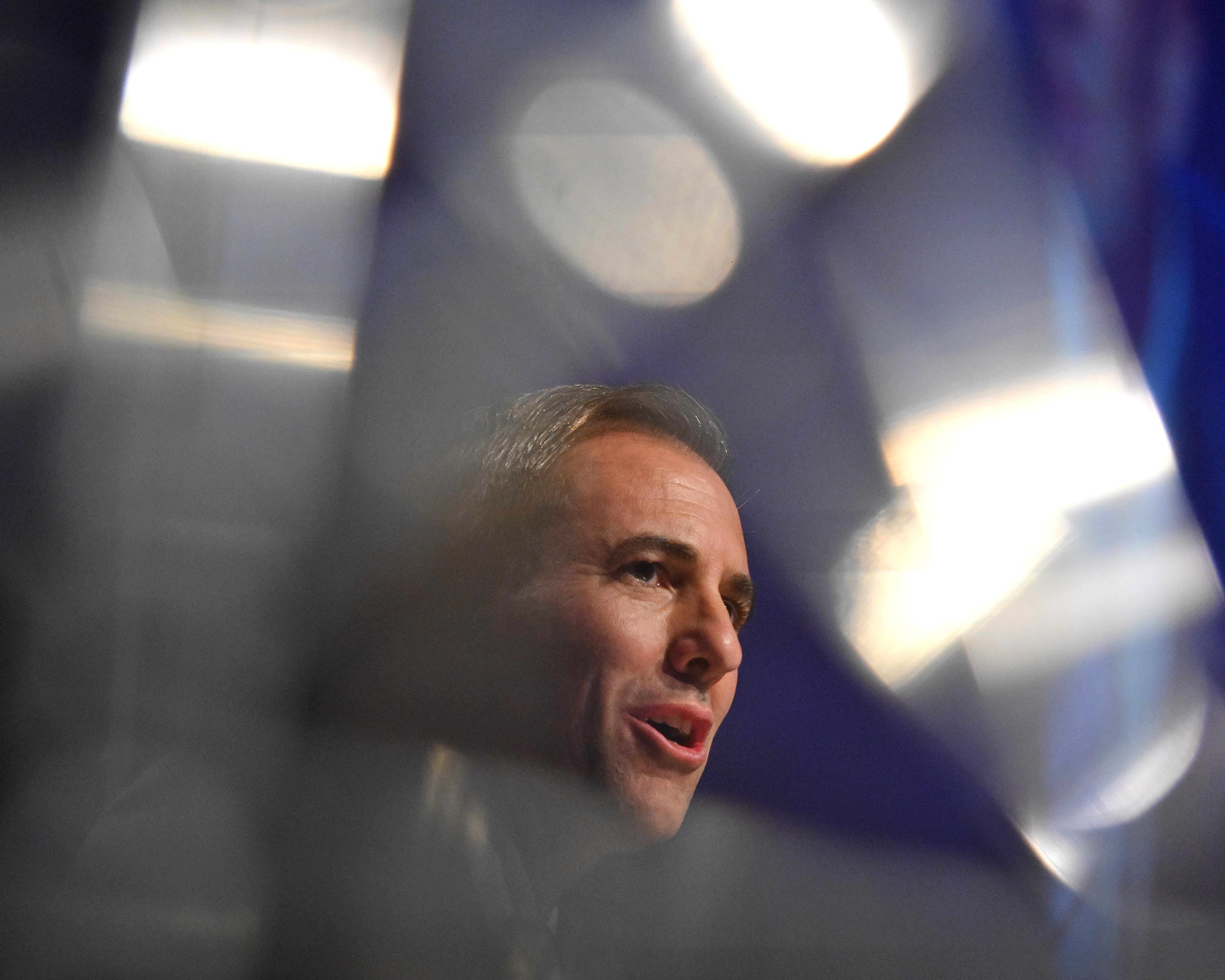
Treasurer Jim Chalmers has presented the federal budget as a pragmatic measure to address intergenerational equity and appeal to disenfranchised voters, a move described by some as an extraordinary political gamble. The government is positioning itself against older, wealthier voters in favour of younger demographics, aiming to counter the rising influence of One Nation, which has gained traction due to the widening gap between the haves and have-nots.
The budget includes grandfathering negative gearing and a modest future tax cut for wages, while omitting a tax on gas exports. Critics have labelled the approach a halfway house, noting potential disincentives for investment in shares and start-ups. However, the government argues the budget is designed to provide fairness and hope, drawing parallels to former Prime Minister John Howard’s willingness to make hard tax decisions to achieve stable government.
Opposition figures, including Shadow Treasurer Tim Wilson, have attempted to capitalise on broken election promises regarding capital gains tax and negative gearing. Prime Minister Anthony Albanese previously ruled out changes to these taxes during the 2025 campaign. The narrative was challenged on ABC 7:30, where host Sarah Ferguson questioned Wilson’s reliance on talking points while preaching honesty, though she did press Chalmers on whether breaking promises reflects a lack of integrity.
Labor is attempting to wedge the Coalition by contrasting its focus on younger workers with the Coalition’s defence of older, wealthier voters. With the Liberals holding 94 seats and described as being on their knees, the government sees an opportunity to secure its long-term future in a shifting political landscape. RedBridge’s Kos Samaras predicts 700,000 additional Gen Z voters will be on the roll at the next federal election, meaning half the roll will be Millennials and Gen Z.
Data suggests the government’s strategy may resonate with voters. A March national YouGov poll of 1,502 people showed 50% agreement that the government should reduce tax concessions for property investors, with 28% disagreeing. The budget aims to address the concerns of voters who swung to the right at the Farrer byelection, seeking immediate action, while acknowledging that more long-term action will be required to fully satisfy younger demographics.