Opinion: Property lobby’s rent spike warnings mislead public on housing reforms
A Guardian opinion piece argues that warnings of soaring rents are a scare campaign, noting that existing investors are grandfathered under current tax rules while rents have already surged by hundreds of dollars weekly over the past decade.
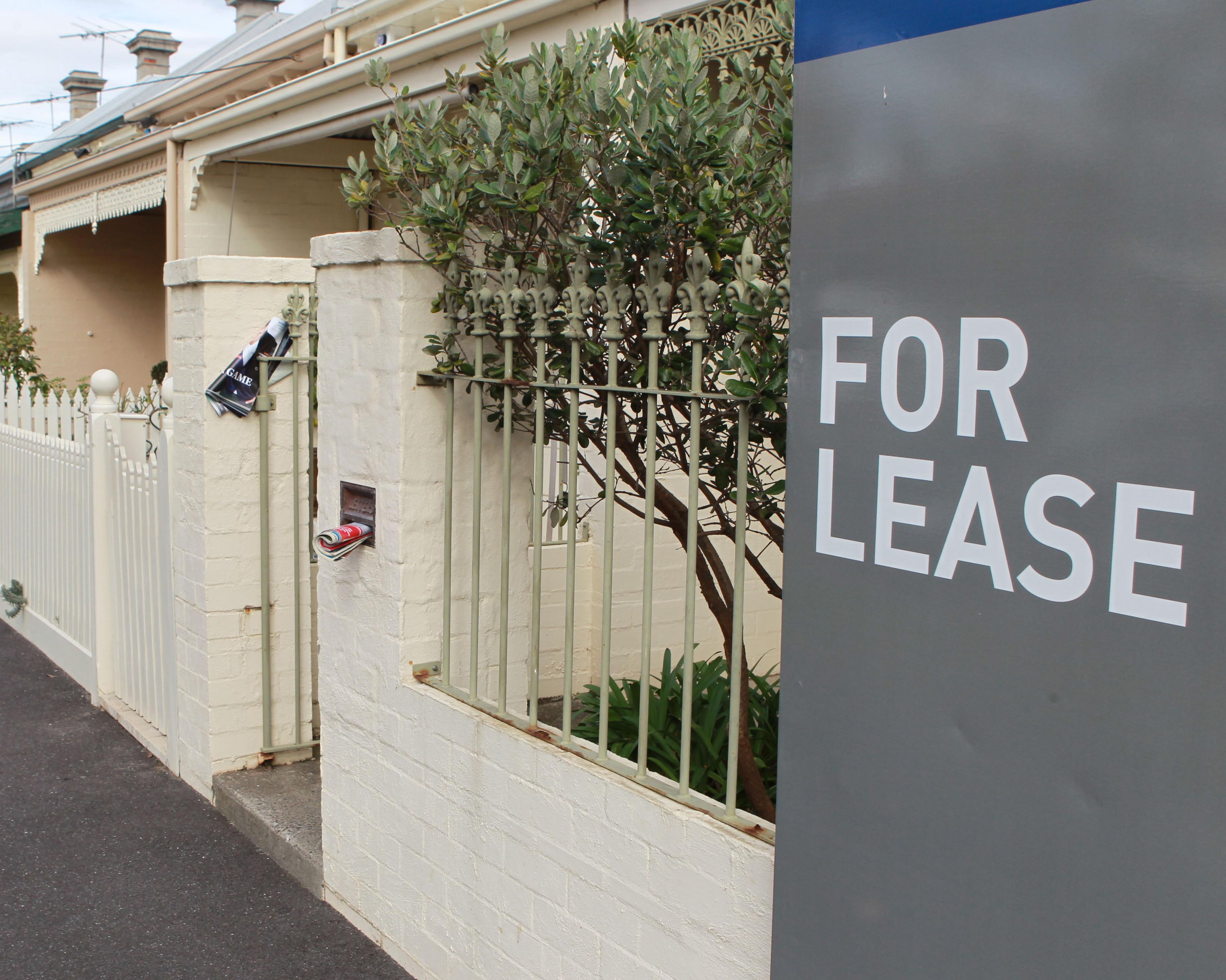
The Australian government is advancing reforms to reduce investor tax breaks, specifically targeting negative gearing, in an effort to address a severe housing affordability crisis. The proposed changes are structured to be prospective, meaning existing property owners will be grandfathered under the current rules, while new investors will face restrictions. This policy shift comes against a backdrop of significant rental cost increases, with national house rents rising by approximately $450 per week over the past decade.
According to an opinion piece by Maiy Azize in The Guardian, the property lobby’s opposition to these reforms relies on misleading narratives. Azize argues that claims suggesting the reforms will cause rent spikes or market collapse are dishonest, particularly given that the changes do not apply to current investors. The article asserts that the current system treats housing as an asset class rather than a basic need, prioritising investor profits over affordability.
Data cited in the article highlights the scale of the crisis, noting that national house rents have increased by about $450 per week over the last 10 years. In capital cities, the increase is even more pronounced, reaching $500 per week. For many households, this translates to an additional $25,000 annually, a burden that Azize describes as evidence that the existing tax concessions have failed to keep rents low.
The opinion piece contends that the property lobby is engaging in a scare campaign by portraying investors as selfless public servants. Azize suggests that the lobby’s warnings are opportunistic, designed to protect taxpayer subsidies that fund speculation. The article argues that if the current model provided affordable housing, Australia would not be experiencing what it describes as the worst housing crisis in living memory.
Azize concludes that any rent increases resulting from the reforms would be an opportunistic decision by landlords rather than a direct consequence of policy. The article suggests that if the property lobby genuinely cared about renters, it would support stronger renter protections and limits on excessive rent increases, rather than using the reforms as an excuse to justify profiteering.