Expert questions strength of evidence behind red light therapy claims
An opinion piece in The Guardian argues that despite popular claims regarding wound healing and pain reduction, current studies on red light therapy are too small and poorly controlled to confirm efficacy.
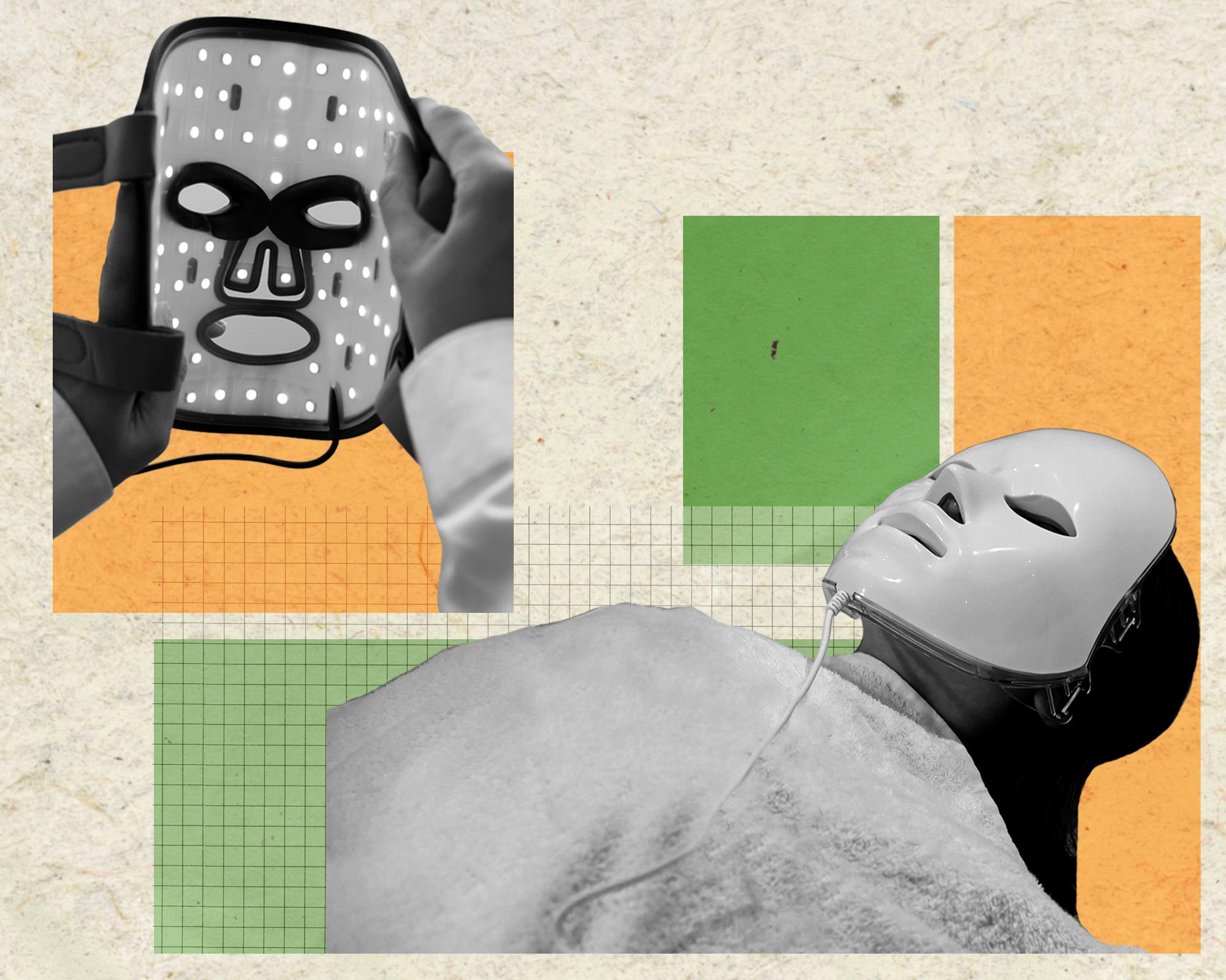
An opinion piece published in The Guardian on 27 May 2026 casts doubt on the scientific validity of red light therapy, arguing that existing evidence is insufficient to support widespread health claims. Dr Gideon Meyerowitz-Katz, an epidemiologist and senior research fellow at the University of Wollongong, contends that while the therapy has seen a surge in popularity on social media platforms such as TikTok and Instagram, the data behind its benefits remains remarkably weak.
The article, which appears in the publication’s fortnightly “Antiviral” column, notes that red light therapy has been discussed since the 1990s but operates largely within the wellness sector rather than standard medicine. Unlike medical treatments that typically rely on dozens of high-quality studies, the literature for red light therapy consists of thousands of papers that are often small, poorly controlled, and lack standardisation. Dr Meyerowitz-Katz points out that variables such as light wavelengths, intensity, and session length are frequently determined by subjective judgment rather than rigorous protocol.
Methodological flaws are cited as a primary concern in assessing the therapy’s efficacy. The author highlights instances where trials have used company employees as control groups, creating potential bias, and notes numeric inconsistencies in some published data. Furthermore, the inability to blind participants to whether they are receiving treatment or a placebo makes it difficult to eliminate subjective influence on measurements, such as the assessment of wrinkles or pain levels.
Despite the weak evidence base, Dr Meyerowitz-Katz acknowledges that some data exists, though he suggests it is not strong enough to confirm benefits with certainty. He notes that while the therapy might offer some benefit for conditions such as acne scarring or slow-healing wounds, consumers should not expect miracles. The piece concludes that a 10-minute walk outside might offer similar general wellness benefits to the therapy, which is often marketed with claims of cellular regeneration and skin rejuvenation.
The opinion piece serves as a factcheck of popular wellness claims, interrogating the evidence behind health headlines. Dr Meyerowitz-Katz emphasises that without strong evidence or at least one decent trial, it is impossible to know definitively whether shining red lights on the skin produces the advertised results. The article underscores the broader issue of unproven health fads growing in number, often funded by the sale of expensive machines rather than independent scientific inquiry.