Critics say nature repair market failing to protect threatened species
Authors point to declining on-ground funding and lack of issued certificates as evidence that the ‘green Wall Street’ model is not working
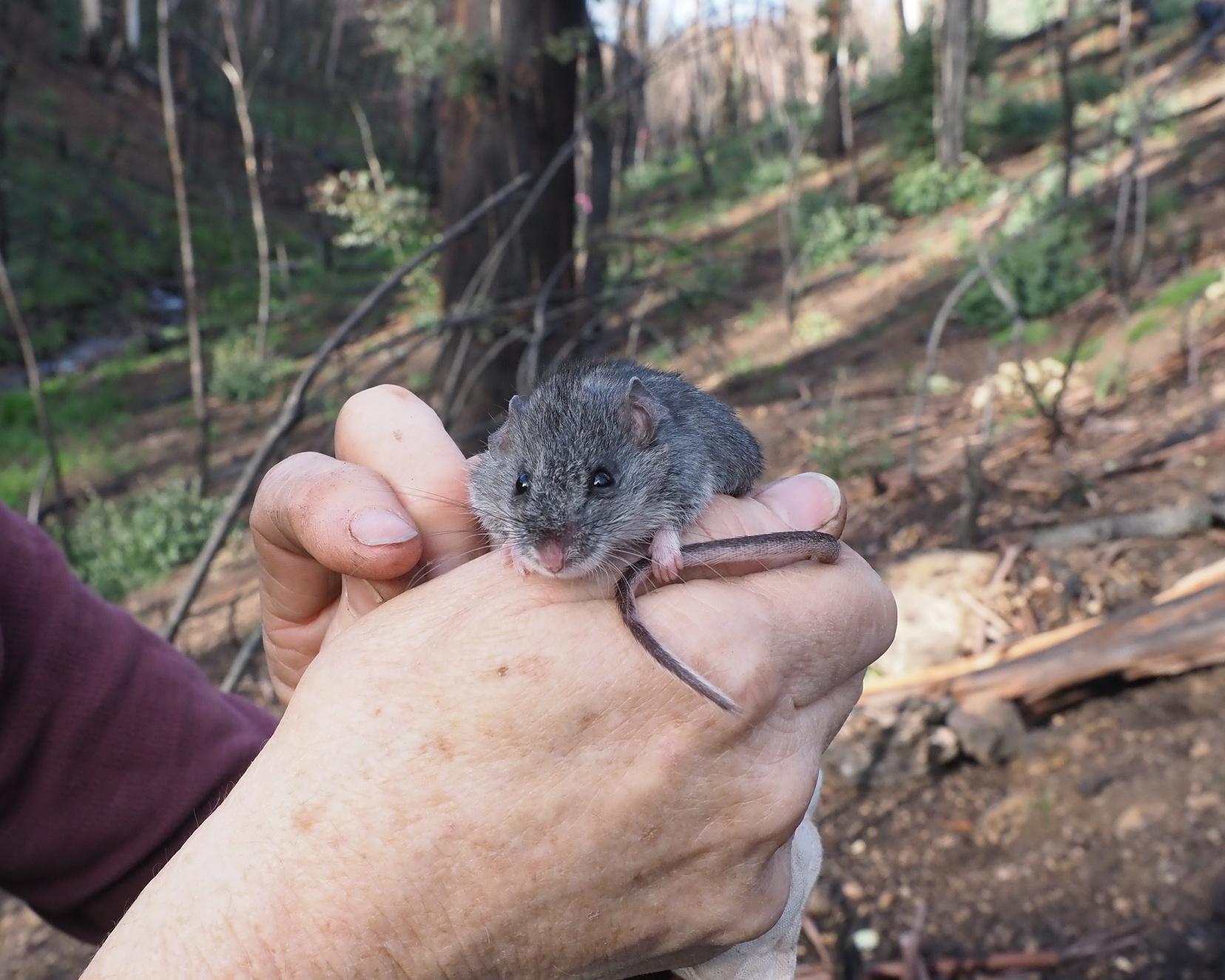
An opinion piece published in The Guardian on 18 May 2026 argues that the Albanese government is failing to deliver on its environmental promises, with critics pointing to a significant decline in funding for on-ground nature programs. Academics Euan Ritchie and Yung En Chee state that environmental funding for these programs is set to drop from 0.06% of the federal budget to less than 0.04% by 2028-29.
The authors characterise the national nature repair market as a "green Wall Street" that has failed to launch. They cite data from the biodiversity market register showing only one listed project and no biodiversity certificates issued, despite the government allocating $36.9m to the market and biodiversity offsets in the recent budget.
Ritchie and Chee contend that the government is prioritising business imperatives and fast-tracking development approvals over direct conservation investment. This approach, they argue, contradicts survey data indicating that 96% of Australians want more action to care for nature, with 76% believing at least 1% of the annual federal budget should be dedicated to conservation.
The article also highlights delays in finalising national environmental standards, a key component of the Environment Protection Biodiversity Conservation Act reforms passed in December 2025 following the Samuel review. Only two standards have been released for consultation, and none have been finalised. The authors note that the Department of Climate Change, Energy, the Environment and Water has altered its website language between January 2023 and April 2025, shifting focus from "setting clear demonstrable outcomes" to "give business clear rules".
Experts in biodiversity and environmental law have identified major flaws in the draft national standard for matters of national environmental significance, which covers threatened species and communities. The authors warn that slow progress on these standards handicaps the National Environmental Protection Agency and risks giving governments an excuse to sidestep their obligations to conserve nature.