Guardian contributor finds therapeutic release in beginner’s pottery course
The course, attended largely by healthcare professionals, emphasises process over perfection, offering a counterpoint to high-stress work environments.
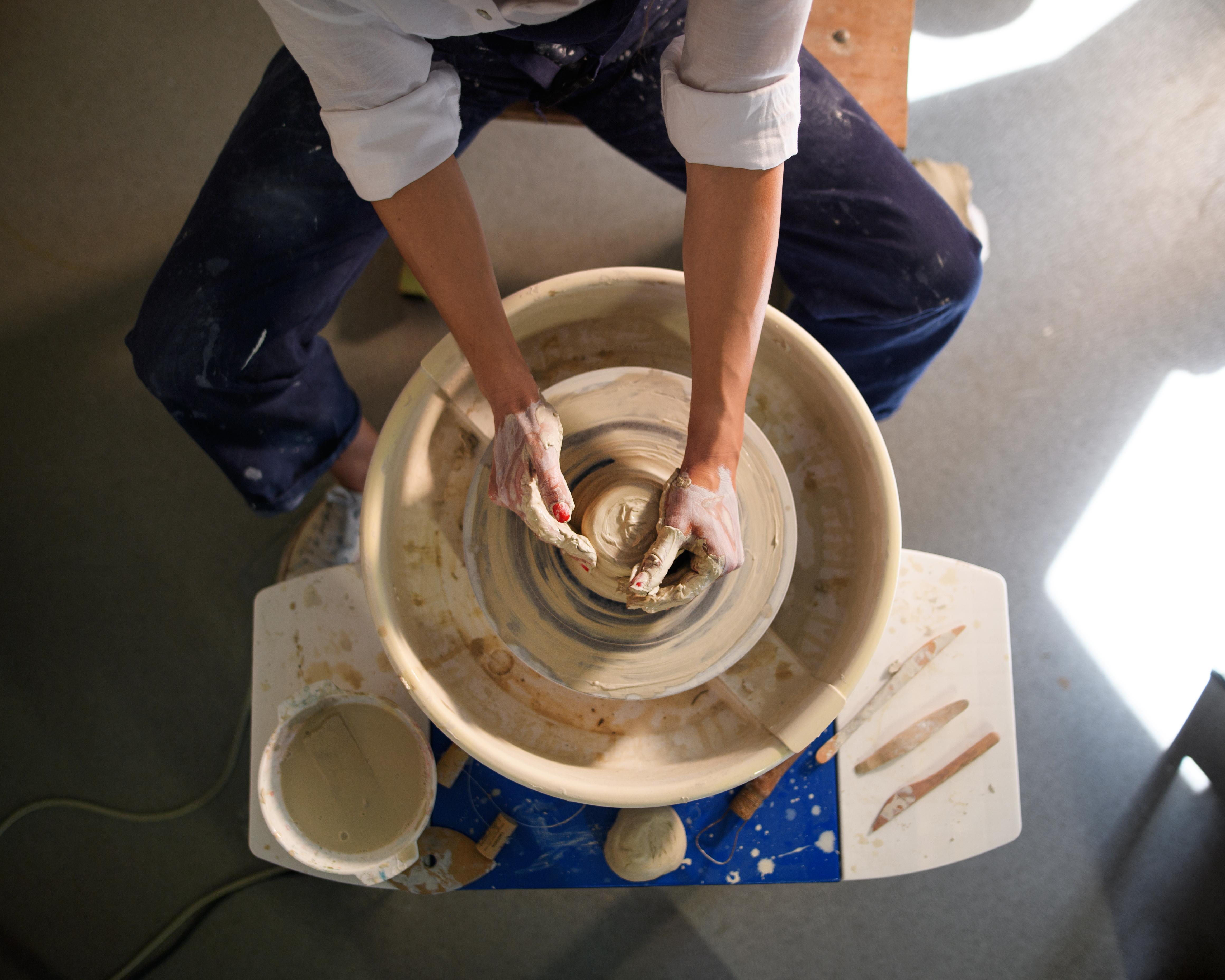
Nova Weetman, a contributor to The Guardian, has completed a six-week beginner’s pottery course aimed at managing burnout and acquiring a new skill. The class, held in an old warehouse studio, was attended primarily by healthcare professionals, including nurses, emergency doctors, social workers, and mental health practitioners. Many participants cited the need to calm their nervous systems and reduce stress as their primary motivation for enrolling.
Weetman’s decision to join the course followed a period where her youngest child entered their final year of school, providing her with more available time. She had previously attempted pottery with her son years earlier, producing what she described as "wonky" pieces compared to his neat bowls. That initial experience did not lead to continued practice due to life commitments, but this term offered a structured opportunity to engage with the craft.
The curriculum focused on the creative process rather than the finished product. Technical steps included centring, dropping in, widening, and pulling up walls, followed by glazing and dipping into vats of colour for a second firing. Weetman noted that shifting her focus from perfection to process helped her overcome physical tension and expectations, a sentiment echoed by many in the class who were seeking a break from the urgency often felt in taster classes.
Participants reported intense physical sensations during the sessions, including adrenaline, biting the inside of their mouths, stiff necks, and aching elbows. Weetman described muscle soreness the following morning as evidence of new muscle engagement. Despite the difficulty, with walls sagging and pots collapsing, the studio atmosphere was characterised by nervous laughter and appreciation for neighbours’ efforts.
By the end of the term, Weetman had produced seven functional but imperfect pieces. She noted reduced clumsiness and a sense of improvement, with the resulting items serving as reminders of her starting point. The course highlighted how tactile, creative activities can serve as therapeutic outlets for individuals in high-stress professions, allowing them to let go of expectations and embrace the learning curve.