Petition for femicide royal commission reaches 110,000 signatures as government pivots to action plan
With consultations for the second action plan beginning, campaigners are urging strategic pressure on ministers ahead of the May 2026 budget handdowns.
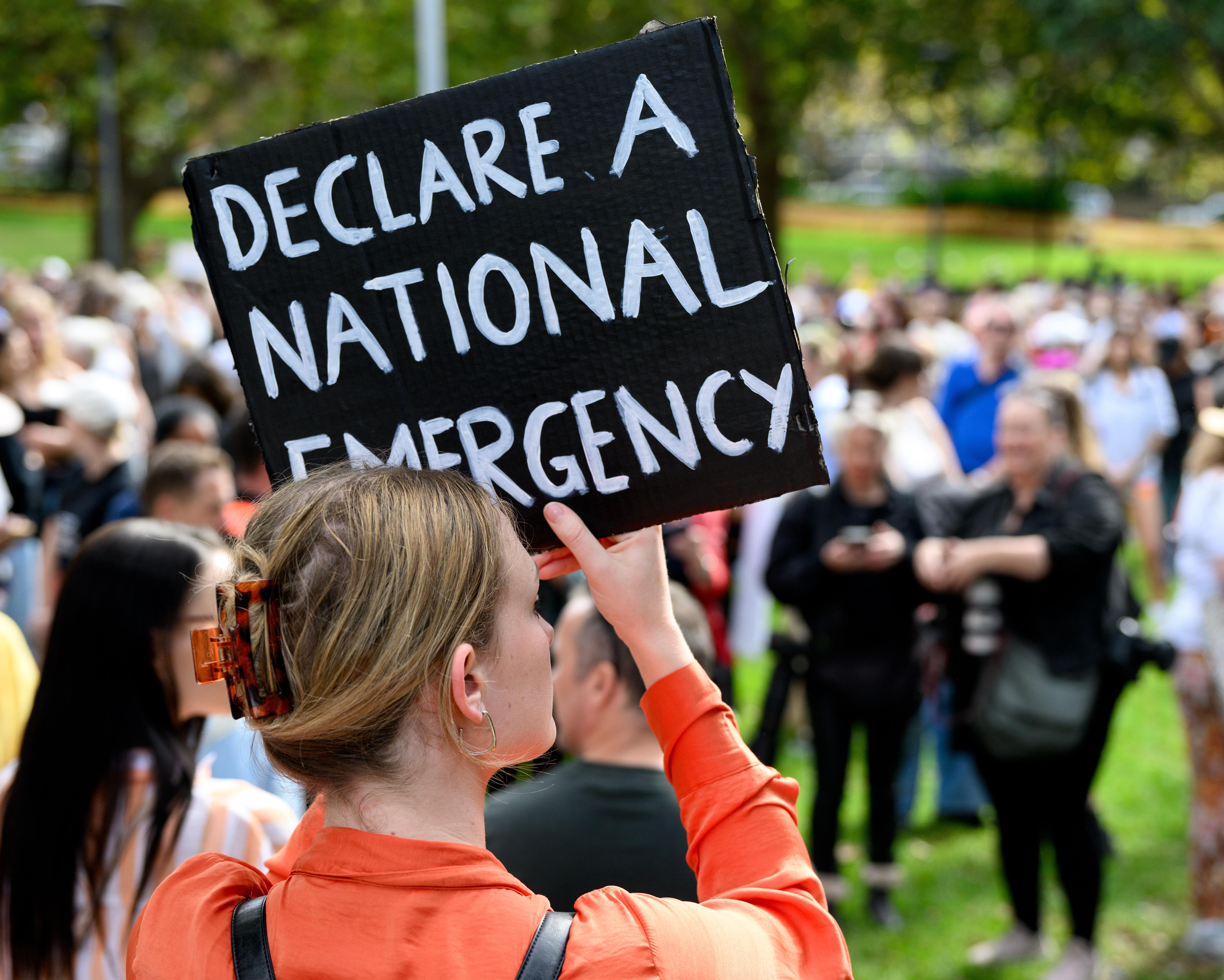
More than 110,000 Australians have signed a petition organised by Sherele Moody of Australian Femicide Watch, calling for a federal royal commission into femicide. The petition highlights systemic failures in policing and the courts regarding domestic, family, and sexual violence, citing inconsistent responses and a lack of accountability.
The demand for such an inquiry comes as public frustration reaches a boiling point 15 years after Australia first implemented a national plan to end gender-based violence. Signatories argue that only a process of this scale will expose the institutional failings that repeatedly lead to the killing of women and children.
However, journalist and rapid review panel member Jess Hill asserts that a royal commission is unlikely to occur during the current term of government. Instead, the federal focus is expected to remain on the second action plan to end violence against women and children.
Hill notes that while the prime minister has faced anger over the issue, the solutions to ending gender-based violence are not a mystery. The problem lies in government refusal to act on recommendations already made by coronial inquests, domestic violence death reviews, and parliamentary inquiries.
Campaigners are now urged to apply strategic pressure on federal and state ministers, particularly ahead of the May 2026 budget handdowns. This includes targeting Treasurer Jim Chalmers and state treasurers to ensure reforms are implemented and accountability is enforced.
In September 2024, National Cabinet agreed on four major focus areas, including tightening alcohol regulations. Yet, in the 18 months since, only South Australia and the ACT have followed through with liquor law reviews, highlighting the difficulty in compelling states to act.
Federal ministers Tanya Plibersek, Katy Gallagher, and Ged Kearney are identified as allies for change, with consultations for the second action plan beginning in the week of the article's publication. Campaigners are advised to identify where systems are failing and name the decision-makers responsible to keep up the pressure.