Intergenerational equity slogan fails to bridge Australia’s deepening economic divides
Julianne Schultz argues that complex political messaging is struggling to resonate with a public fractured by intra-generational poverty and wealth, risking a similar fate to previous social cohesion initiatives.
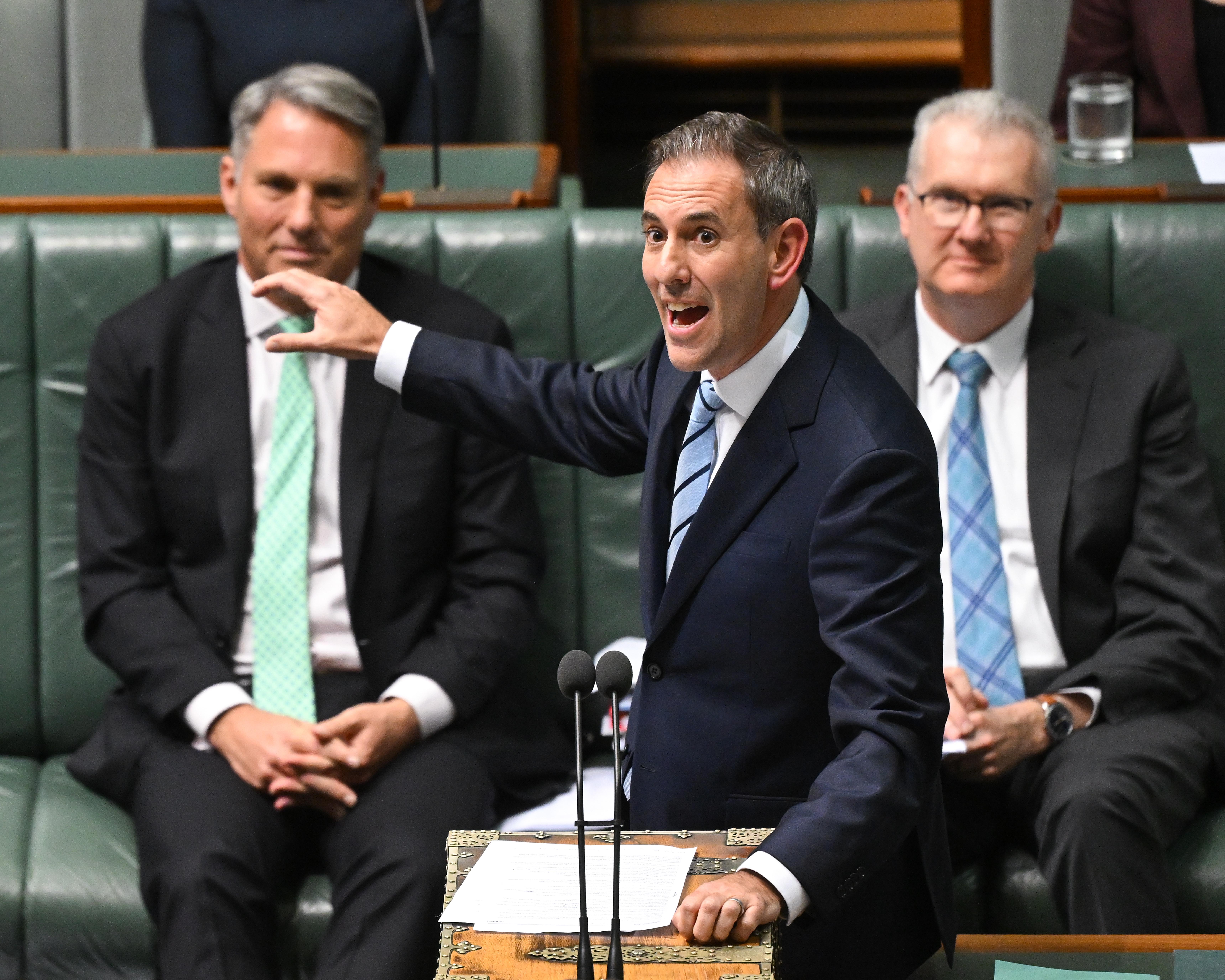
Treasurer Jim Chalmers’ emphasis on intergenerational equity is widely regarded as a laudable policy aspiration, yet it is failing to resonate with the Australian public. Surveys indicate that both younger and older Australians fear their economic future will be worse than the past, driven by concerns over housing affordability, education costs, and job security. Julianne Schultz, author of The Idea of Australia, argues that the term is a difficult political slogan due to its complexity and the non-homogeneous nature of generations.
The political narrative is complicated by significant intra-generational divides. While many young people face barriers to home ownership and university education, some young entrepreneurs are benefiting from family wealth, with 28% of baby boomers classified as wealthy. Conversely, a quarter of Australians over 50 live in poverty, and older women are the fastest-growing group of homeless people, challenging the notion of a simple generational divide.
Schultz critiques the opposition’s plan to reverse capital gains tax proposals as avoiding the underlying systemic inequities in the tax system. The article argues that managerial politics and a profit-driven market system have eroded the public good, contributing to voter alienation and rising support for parties such as One Nation.
The government’s previous focus on social cohesion failed due to a lack of an inclusive, operational framework, raising concerns about the current message’s efficacy. Schultz notes that while the sentiment is good, the explanations and processes are falling short, risking a similar fate to previous initiatives.
The piece suggests that the hollowing out of the public good has left people feeling lonely and isolated. Schultz applauds the treasurer for taking tentative steps to reform a taxation system that has been mired in stasis and perpetuated inequality, but warns that refining details will be necessary to address the broader challenges.