Professor Stanley condemns NT government’s ‘law-and-order’ response to Kumanjayi Little Baby’s death
With Aboriginal children comprising 90 per cent of those in the Northern Territory’s child protection system despite being only 20 per cent of the child population, Professor Fiona Stanley says the state is repeating the failures of the 2007 intervention.
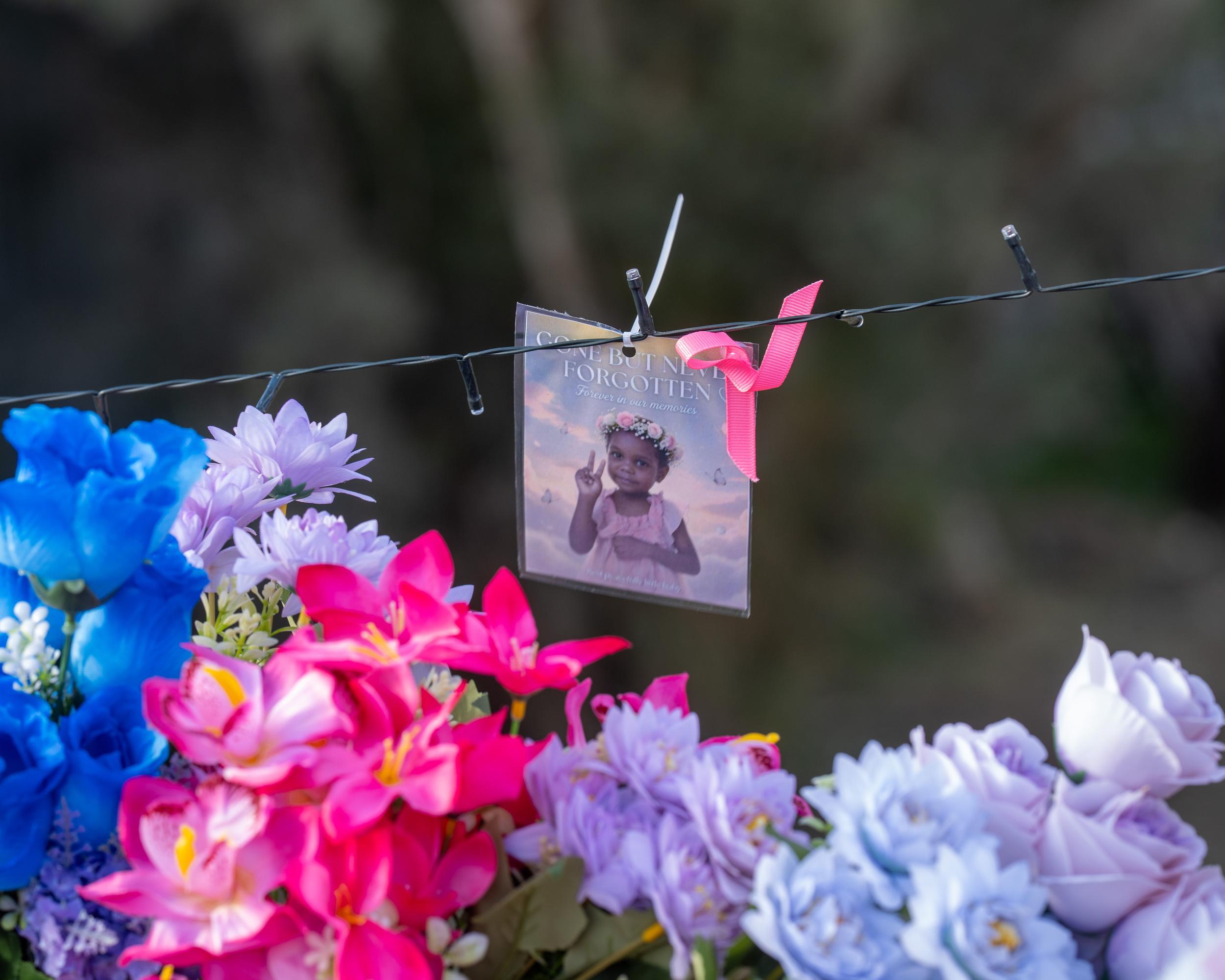
Professor Fiona Stanley has issued a stark critique of the Northern Territory government’s handling of the death of Kumanjayi Little Baby in Alice Springs, arguing that the state’s approach is actively failing Aboriginal children. In an opinion piece published in The Guardian on 20 May 2026, the patron of The Kids Research Institute Australia described the government’s response as “deeply alarming” and indicative of a broader pattern of policy failure that has persisted for nearly two decades.
Stanley highlighted that the NT government has appointed a former police commissioner to lead an inquiry into the death, a move that excludes Aboriginal involvement at a critical juncture. Simultaneously, the government is reducing the number of child protection officers. The article notes that widespread criticism of the inquiry’s terms of reference has not altered this course, despite clear evidence that supportive services for mothers, carers, and children are the most effective means of ensuring safety and healthy socialisation.
The disparity in the child protection system was a central focus of the critique. Stanley pointed to statistics showing that while Aboriginal children make up approximately 20 per cent of the NT’s child population, they account for 90 per cent of those in the child protection system and 95 per cent of those detained. She rejected the notion that these outcomes reflect a lack of love within families, instead attributing the crisis to systemic neglect and the criminalisation of children.
Drawing on historical context, the article contrasted current policies with the failed 2007 NT intervention, which Stanley described as a “disaster” that saw child sexual abuse increase annually. The piece also referenced the dismantling of 75 Aboriginal community-controlled family and children’s services by previous federal governments between 2015 and 2026, arguing that the loss of these nurturing environments has contributed to the current rates of out-of-home care, truancy, and detention.
Robin Granites, the grandfather of Kumanjayi Little Baby, was quoted emphasising the necessity of cultural competency, stating that Aboriginal people understand the language, culture, and lived experience required to support families. Stanley cited the Maari Ma Health Aboriginal Corporation in far west NSW, which has supported families for over 30 years, as a successful model of community-controlled service provision that stands in contrast to the failures of non-Aboriginal bureaucratic administration.
The article concluded by referencing the 2025 Snaicc Family Matters report, which calls for a national, systematic, and sustainable approach to funding Aboriginal community-controlled organisations (ACCOs). Stanley argued that the NT inquiry should have included experts such as Snaicc CEO Catherine Liddle and Mr Granites to ensure that future reforms are developed in full partnership with Aboriginal peoples, rather than relying on crisis-driven, law-and-order responses that perpetuate overrepresentation.