Clark urges systemic overhaul of pandemic surveillance after Ebola and hantavirus failures
Helen Clark calls for standing multidisciplinary bodies to map known risks and create geographically tailored protocols following outbreaks of Andes hantavirus and Bundibugyo Ebola.
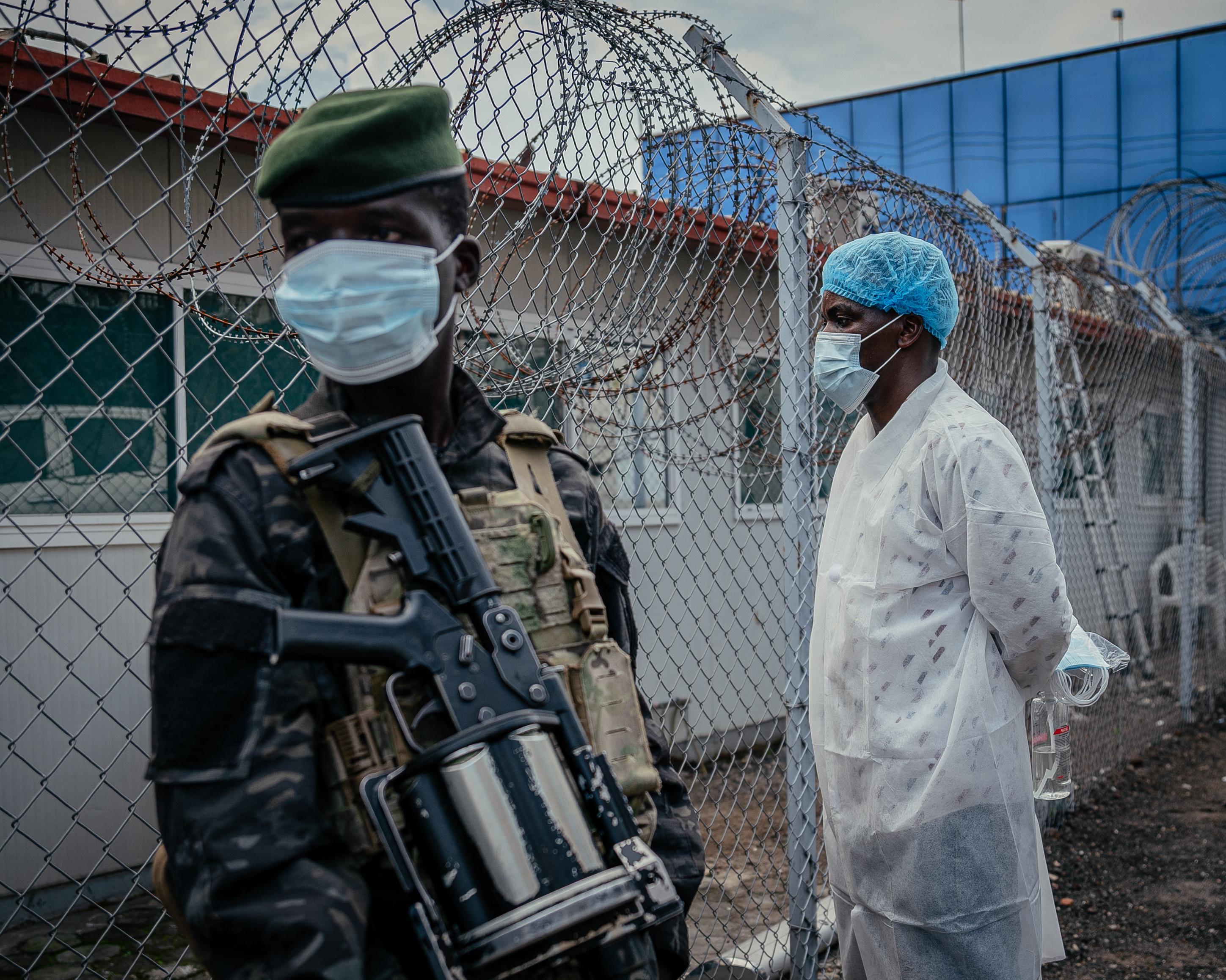
Former New Zealand Prime Minister Helen Clark has published an opinion piece in The Guardian warning that recent outbreaks of Andes hantavirus and Bundibugyo Ebola expose critical failures in global pandemic preparedness. Clark argues that current surveillance models are insufficient because they fail to account for endemic risks at departure ports or treat haemorrhagic fever clusters with appropriate precaution. She calls for the establishment of standing multidisciplinary bodies to map known risks and develop geographically tailored health protocols to anticipate future pandemics.
The article details two specific recent outbreaks: an Andes hantavirus outbreak on the MV Hondius cruise ship in the South Atlantic, where three weeks passed between the first death (11 April) and the linkage to hantavirus (2 May); and a Bundibugyo Ebola outbreak in the Ituri province of the Democratic Republic of the Congo (DRC), with an Africa Centres for Disease Control and Prevention (Africa CDC) report citing 65 deaths and more than 260 cases. Clark notes that the hantavirus outbreak involved close-contact transmission, citing a 2018 precedent where an infected man transmitted the virus to four people sharing a table. The article states that both outbreaks carry a 32% case fatality rate. Clark suggests that vaccine development for the Ebola outbreak will take six to nine months, according to WHO estimates.
Andes hantavirus is endemic to Argentina, with cases rising this year. More than 500 ships depart from Ushuaia annually. The Bundibugyo strain of Ebola is endemic to the DRC. The Ituri region is described as vulnerable due to conflict and successive health crises, having endured the DRC’s worst Ebola outbreak until 2020. The World Health Organization (WHO) has declared the Ebola outbreak in the DRC and Uganda a public health emergency of international concern, assessing the global risk as low. Historical context includes a 2018 hantavirus outbreak demonstrating person-to-person transmission through close contact.