Guardian columnist calls for moratorium on music biopics amid genre fatigue
With the release of a Michael Jackson film and four Beatles features in production, the opinion writer contends the genre has become "expensive karaoke" that avoids darker truths in favour of musical performance.
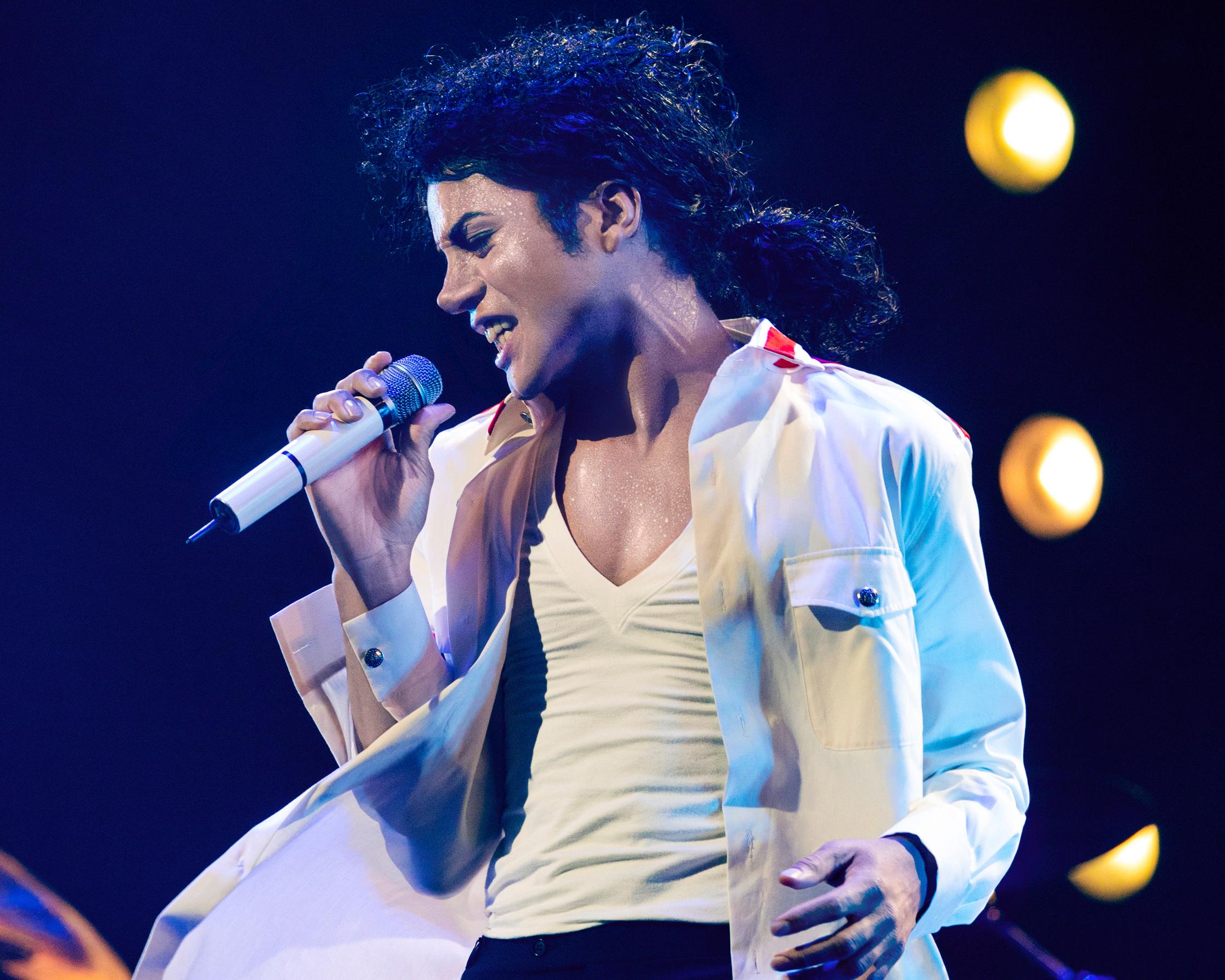
Rebecca Shaw has published an opinion piece in The Guardian calling for a temporary halt to the production of music biopics, citing a saturation of the market with repetitive narratives. Shaw points to the recent release of a Michael Jackson biopic and the ongoing production of four separate feature films about the Beatles as primary evidence of genre fatigue.
The author describes the current output of the genre as "expensive karaoke," arguing that these productions often prioritise musical performance over narrative depth. Shaw notes that the Michael Jackson film, despite achieving box office success, has received mixed and predominantly negative reviews, with critics describing it as shallow and noting its deliberate choice to end in 1988 to avoid addressing darker aspects of the artist's later life.
Shaw, who previously described the film Bohemian Rhapsody as a "gay hate crime," argues that the industry is trapped by competing obligations. Filmmakers must navigate the artist’s reputation, rights clearances, access to musical catalogues, and cooperation from family members and co-creators. These constraints often result in flattened stories that compromise the truth in favour of a palatable, prestige recreation of fame.
The columnist highlights that audience discourse surrounding these films frequently centres on casting accuracy and vocal mimicry rather than content, given the public’s existing familiarity with the subjects. Shaw lists a recent history of biopics covering Bob Dylan, Elton John, Elvis, Robbie Williams, Bruce Springsteen, and Amy Winehouse, questioning the utility of continuing to produce legacy films about already canonised, deeply famous men.
Instead of focusing on established male icons, Shaw advocates for a shift towards lesser-known musicians, misunderstood figures, or those whose stories have been distorted. She specifically cites Cass Elliot of the Mamas & the Papas as a subject of interest, pointing to the false myths surrounding her death and the fatphobia she endured as narratives that could offer meaningful commentary on contemporary society.