Essential analysis: Labor’s tax reforms face communication hurdles despite broad public mandate
The executive director of Essential says the government is challenging established interests, but needs to prove the reforms improve material wellbeing to secure lasting support.
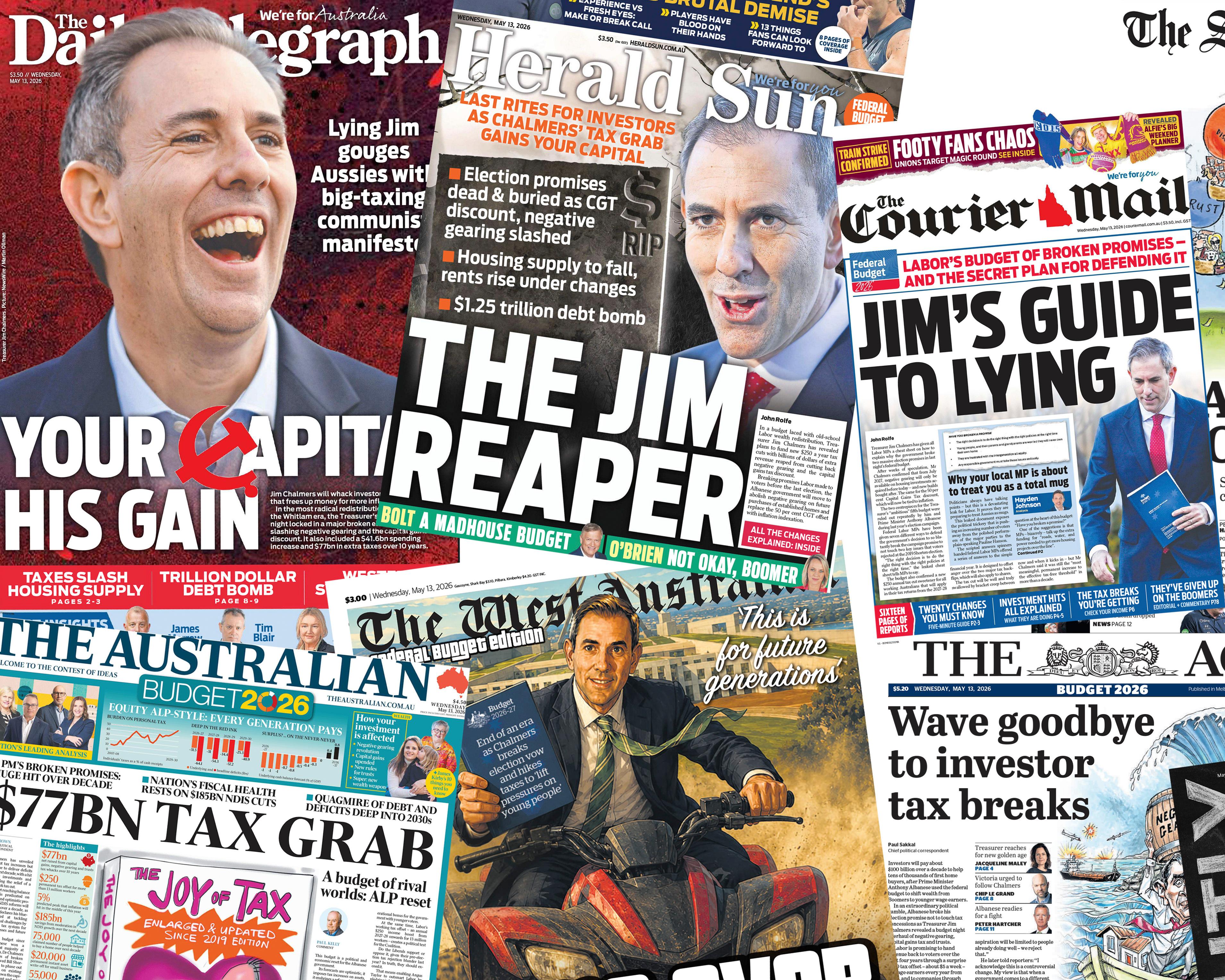
Peter Lewis, executive director of Essential, has argued that the Albanese government’s recent budget reforms regarding housing and tax are meaningful but face significant communication challenges in convincing the public of their merits. In an analysis published in The Guardian, Lewis contends that the intense criticism from News Corp and the spread of AI-generated memes indicate that Labor is successfully challenging established interests, specifically the legacy of pro-wealth settings from the Howard era.
Lewis notes that the political landscape has shifted into a new asymmetric contest, with a fragmented opposition and a growing band of independents looking to formalise a coalition. He suggests that while the government has suffered from incendiary online campaigns, the underlying sentiment reveals a mandate to unwind previous tax settings. Essential polling data cited in the report shows that two-thirds of Australians support recalibrating the tax system so that investments and shares are not taxed lower than wages.
The analysis highlights three strategic contests the government must navigate. The first involves breaking election commitments, such as the decision to walk back stage-three tax cuts. Lewis observes that for many Australians, breaking promises is now viewed as acceptable if justified by compelling outcomes, though he warns of long-term risks to democratic trust. The government is banking on the calculation that the majority will benefit from these shifts, despite potential collateral damage.
The second battle centres on demonstrating a real impact on the material wellbeing of young people. While the fairness argument for tax changes resonates most strongly with this demographic, Lewis argues there is substantial work required to bring the changes to life for them. He emphasises that beyond tax policy, the availability of rentals and the delivery of affordable and social housing will be just as important in earning support over the life of the parliament.
In contrast, Lewis describes the Coalition as deploying housing policy as a weapon, specifically targeting immigrants in a strategy he characterises as populist window dressing that has received little attention since the budget. He concludes that the budget defines Labor’s term by challenging the logic of a shareholder society, while offering the Liberal party a chance to re-anchor itself on a vision of individual thriving free from state intervention.