Parent reflects on managing anxiety after daughter’s injury during Philippines holiday
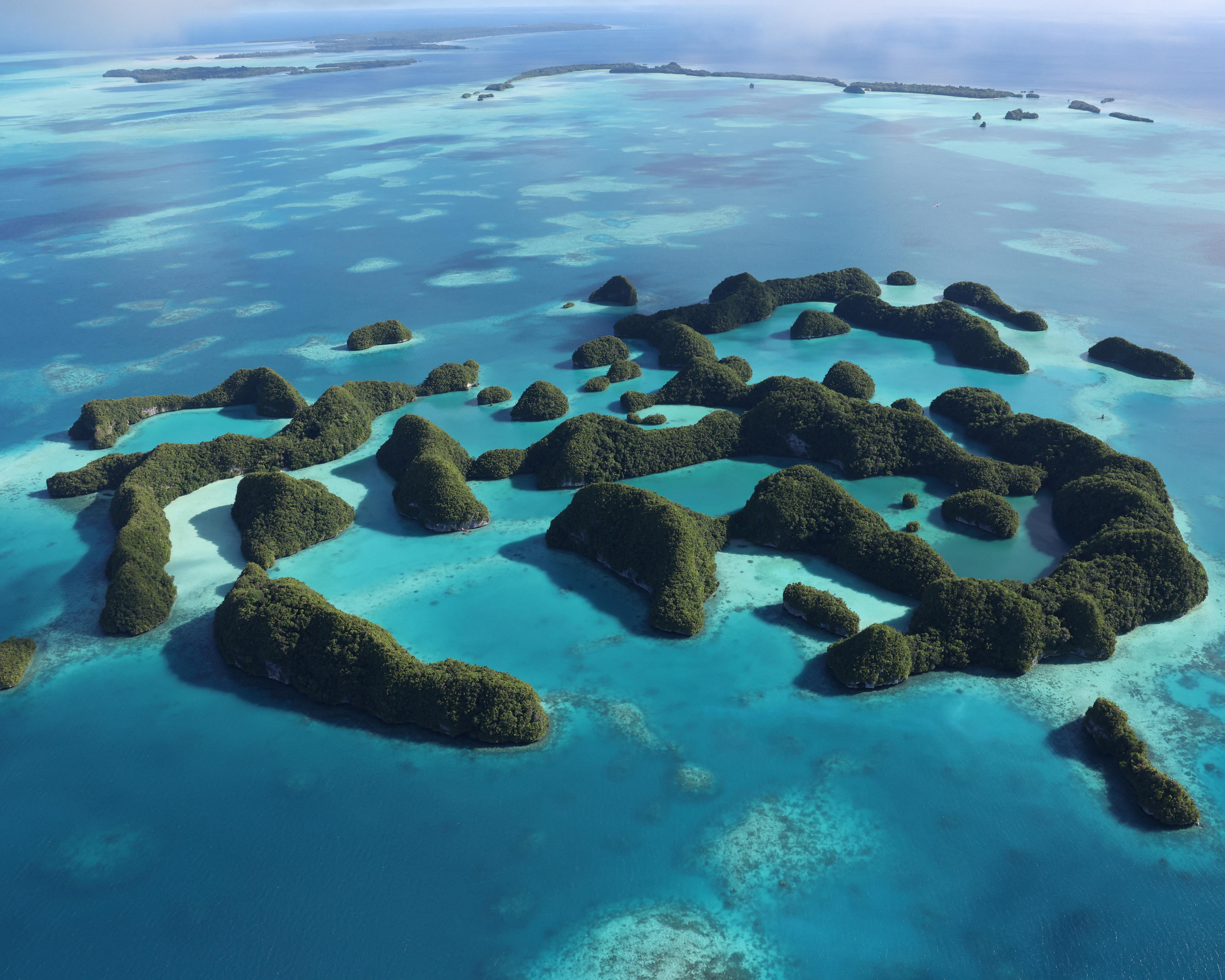
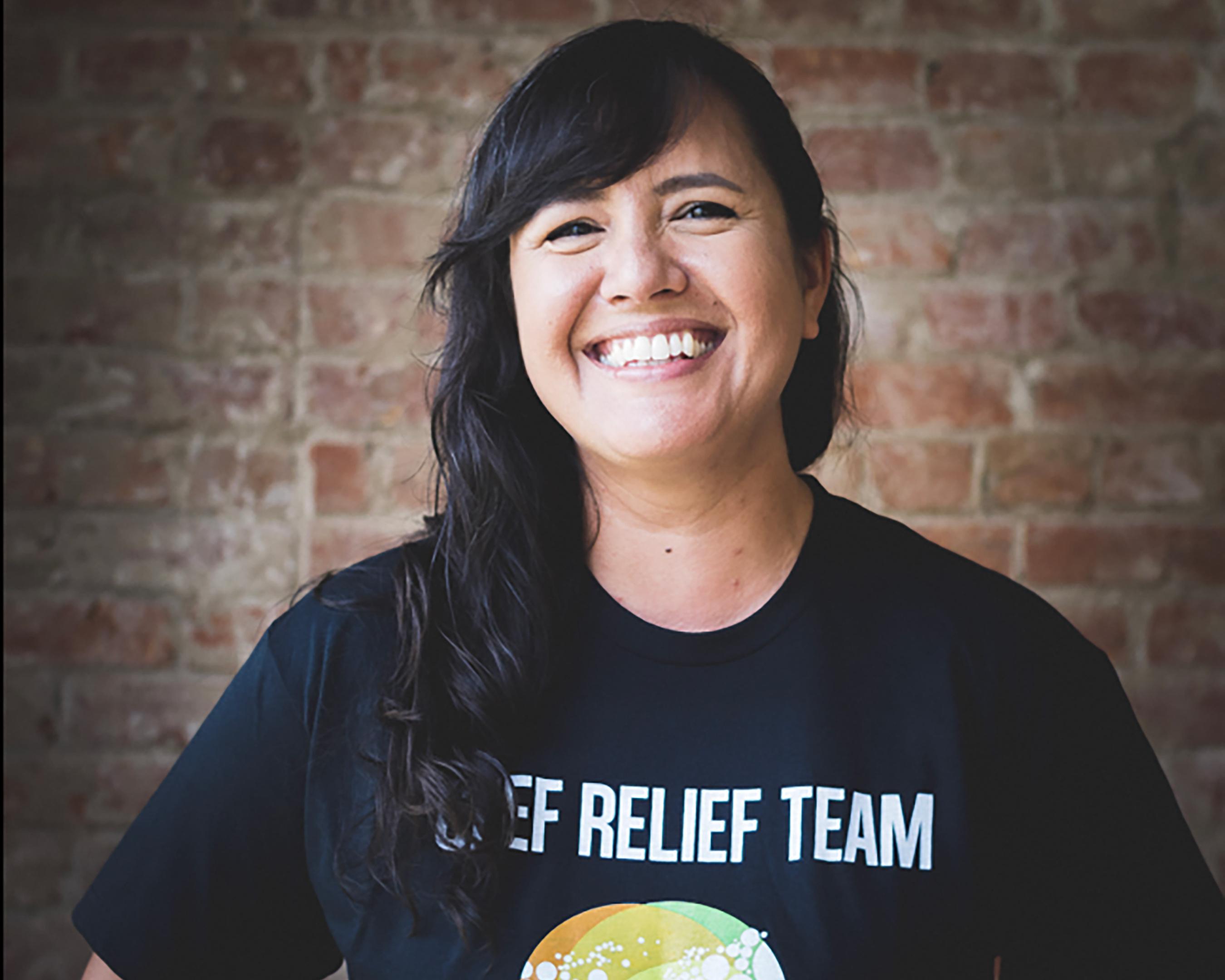
A family trip to Cebu Island turned into a medical emergency when a seven-year-old girl required stitches, teaching her mother the limits of anticipatory fear.
Sharp arguments, interpretation, and perspective on the forces reshaping public life.
A family trip to Cebu Island turned into a medical emergency when a seven-year-old girl required stitches, teaching her mother the limits of anticipatory fear.
The Guardian Opinion published a satirical illustration on 23 June 2026 comparing Keir Starmer and Anthony Albanese, though the specific visual details remain unverified.
The Australian advocate credits his ex-wife and new partner with helping him break the cycle of radicalisation, a process that preceded his public coming out in late 2025
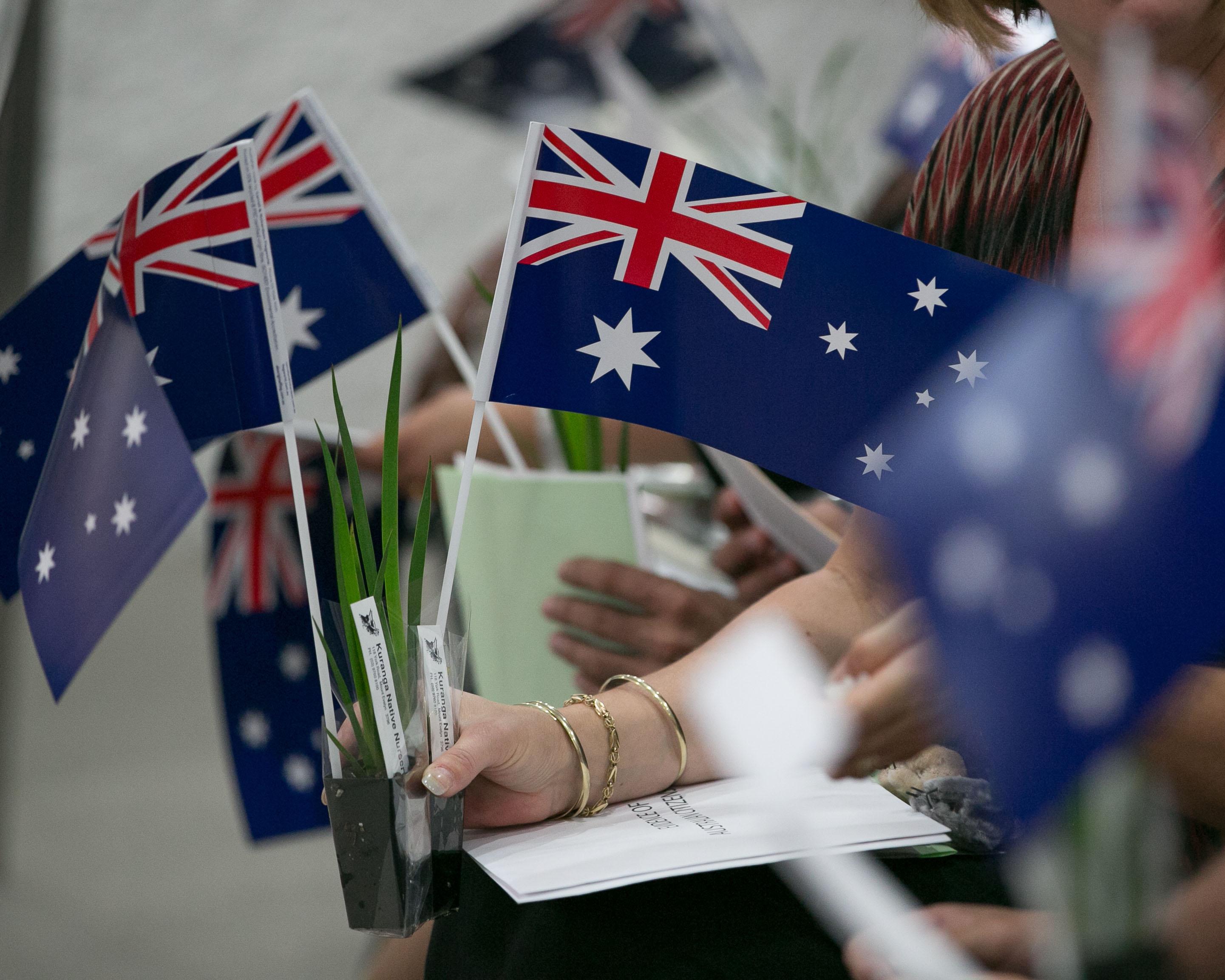
A citizenship ceremony in Melbourne’s south-east offered a glimpse into the quiet dignity of new Australians, contrasting personal settlement with broader political debates on migration and housing.
An analysis of two anonymised case studies reveals the difficulty of recognising and interrupting inherited family dynamics, with outcomes ranging from ongoing therapy to entrenched isolation.

A Guardian opinion piece by Bruce Wolpe attributes Pauline Hanson’s rising poll numbers to global economic turmoil, contrasting her pre-election campaigning phase with the former US president’s post-peak standing.

New Zealand and Australian festivals mark their highest figures in decades, with observers attributing the trend to a collective desire for physical socialisation.

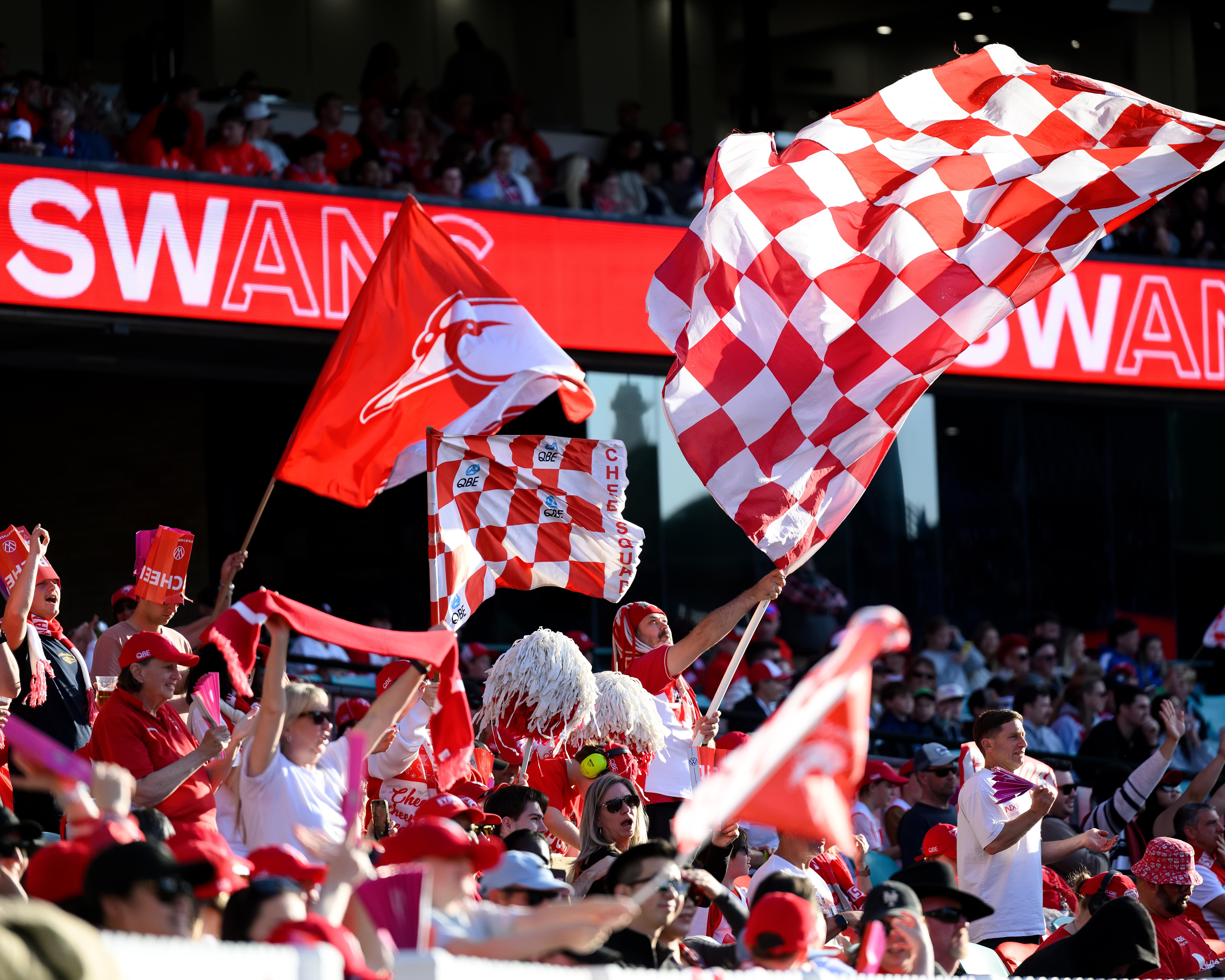
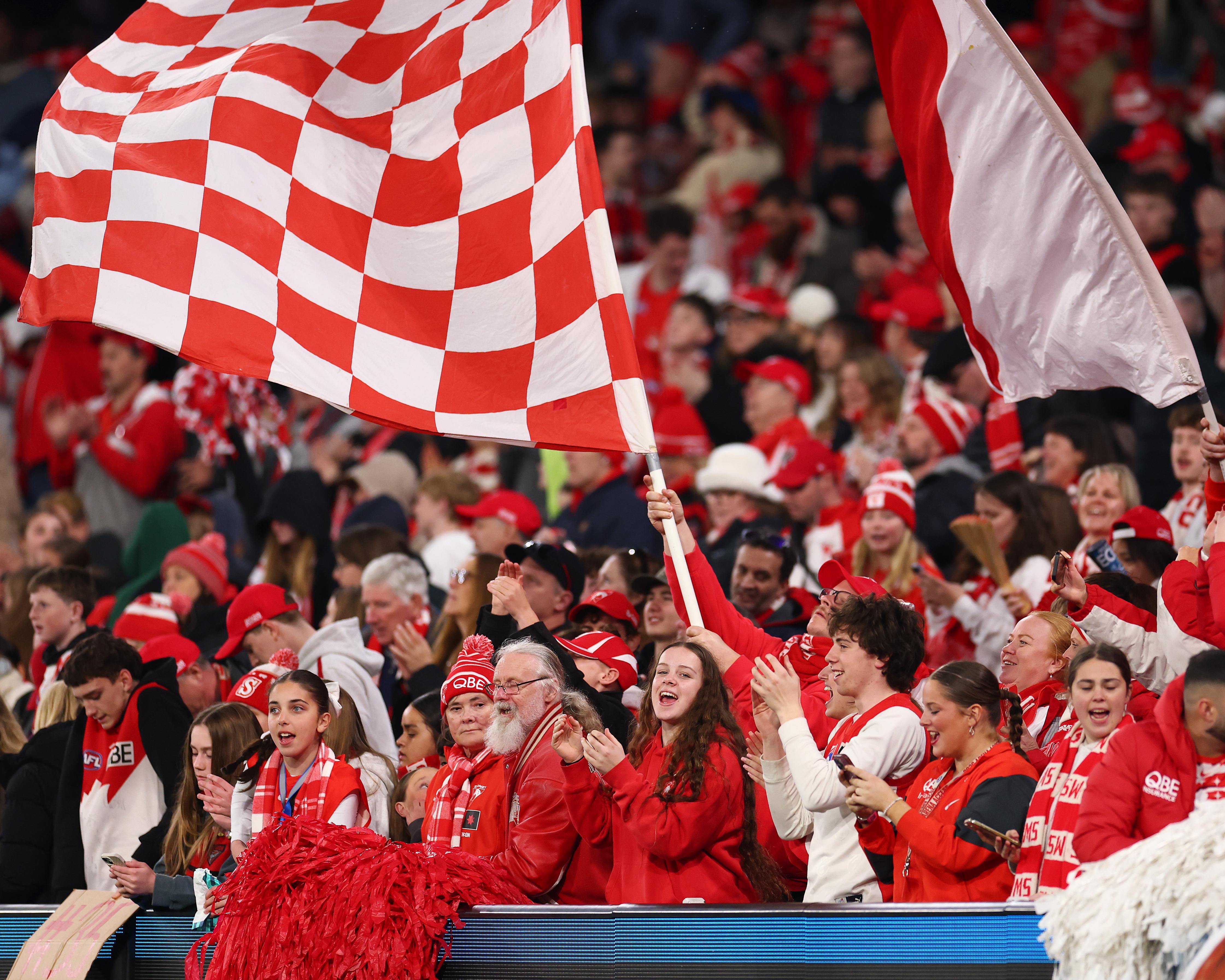
In a Guardian opinion piece published on 13 June 2026, the writer suggests that football’s triviality provides a safe space for cooperation and social connection in an increasingly isolated world.

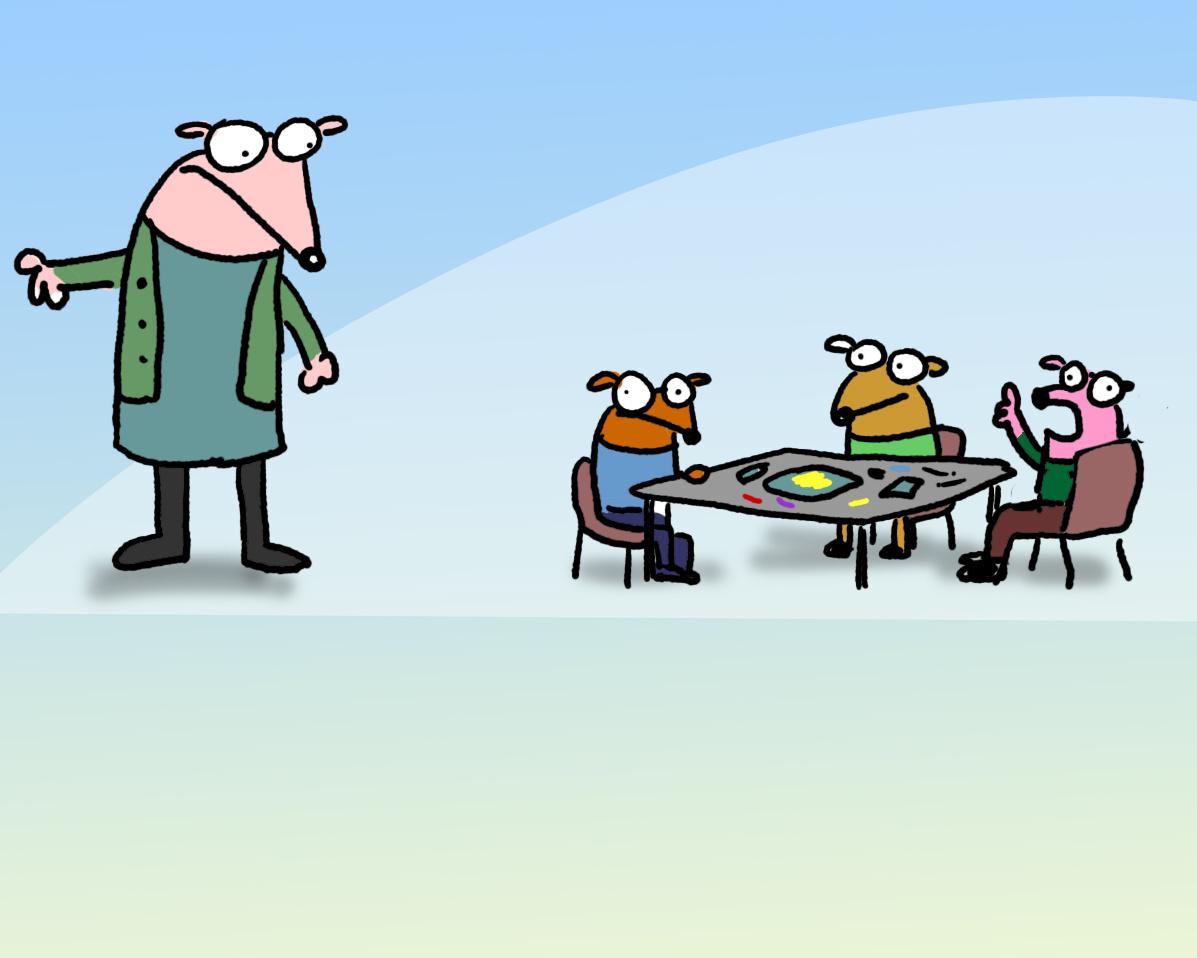
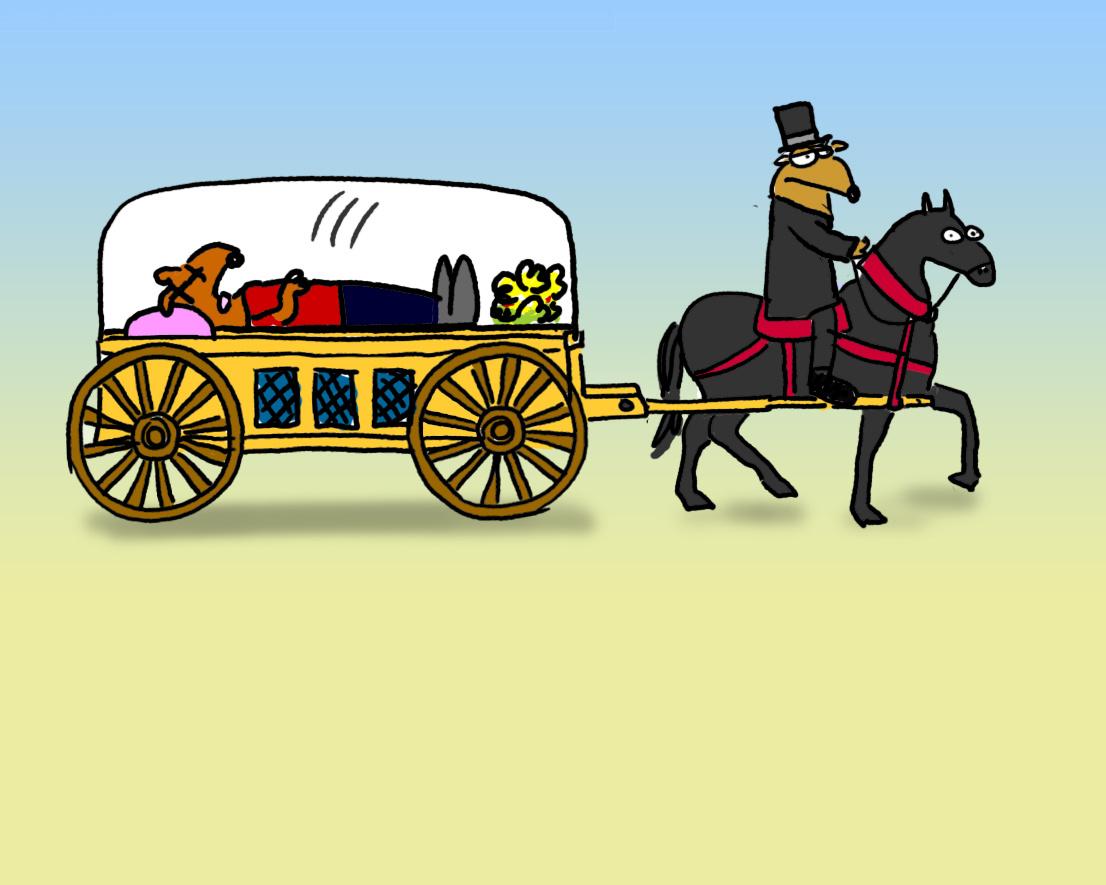
The cartooning collective advises readers to show gratitude to scientists while avoiding awkward interactions, noting the existential weight of their work.

A display at the State Library of Victoria prompts Shadi Khan Saif to contrast the emotional weight of vintage recordings with modern digital communication

Paul Daley cites ABC documentary and his own experience in London to contend that Harris’s predatory behaviour is inextricably linked to his cultural output.

Treasurer Jim Chalmers cites Wilson’s 2020 book to highlight inconsistencies between his academic writings and current political conduct.

Analysis by the Australia Institute’s Greg Jericho indicates that recent budget reforms to capital gains tax and negative gearing are insufficient to reverse decades of unaffordability, with a hypothetical 10 per cent price drop only restoring conditions to three years ago.

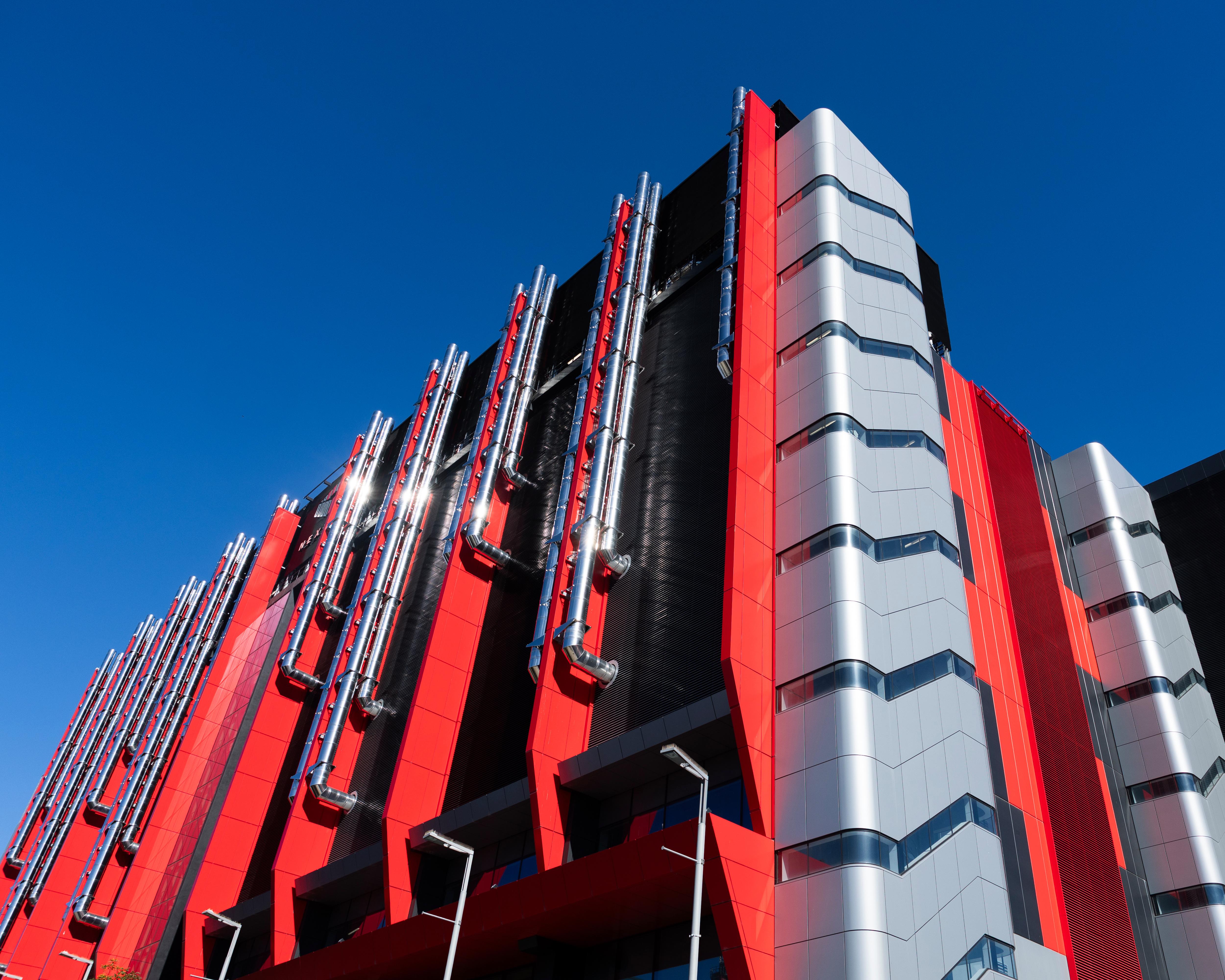
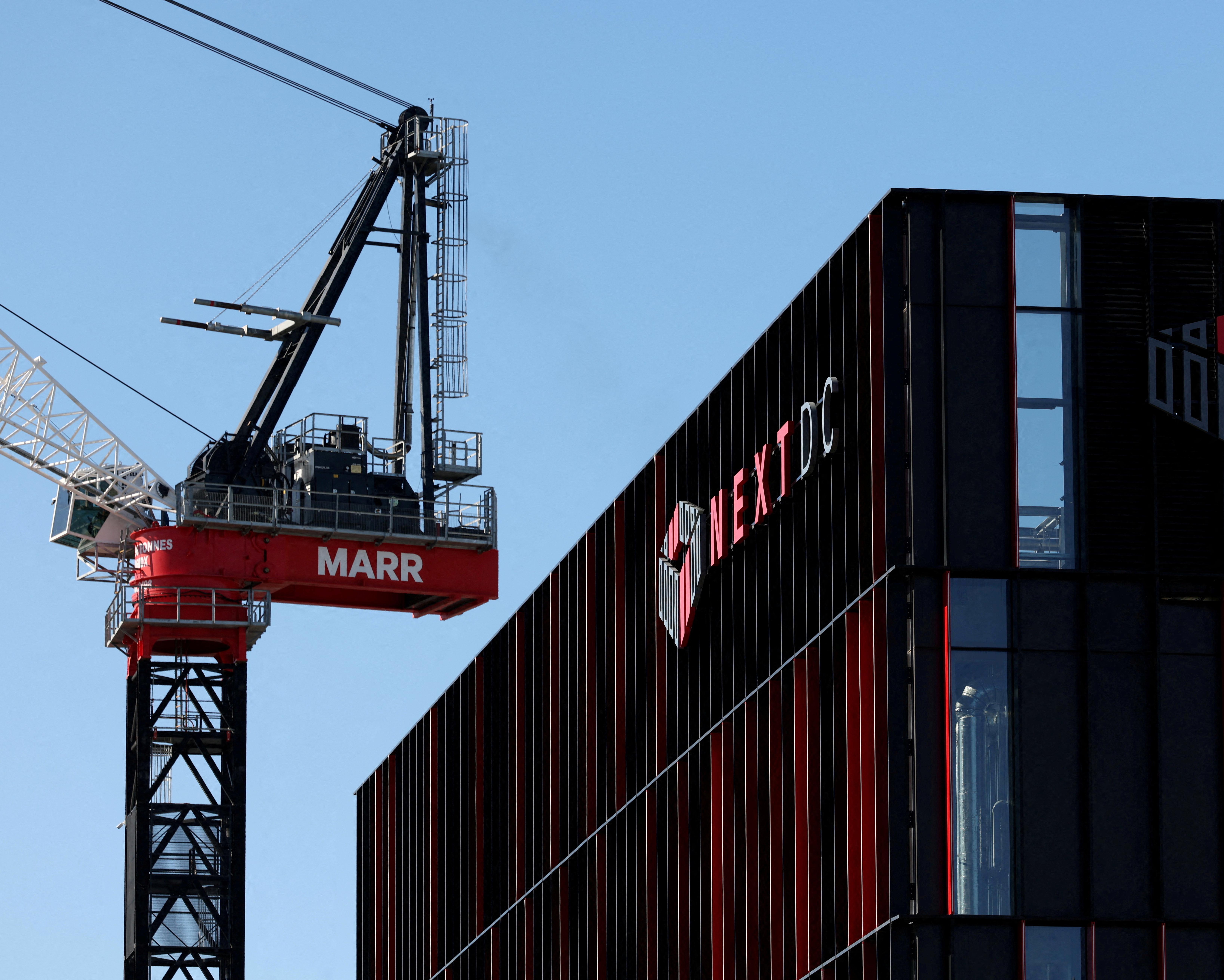
First Dog on the Moon’s commentary published on 10 June 2026 criticises the construction of massive facilities during economic hardship.

The Guardian opinion piece argues that both figures challenge humanity to resist corporate power and preserve dignity through shared responsibility

Professor Aaron Jex and dietitian Danielle Shine clarify that natural ingredients in over-the-counter cleanses cannot replicate the efficacy of purified pharmaceuticals, while visual ‘proof’ of parasites is often misidentified intestinal material.

Purcell argues that sexist slurs against women in leadership, including Victorian Premier Jacinta Allan, deter female political participation and contribute to a culture of gendered violence.

Illustration published on 9 June 2026 reflects sentiment of prolonged difficulty as year reaches midpoint.

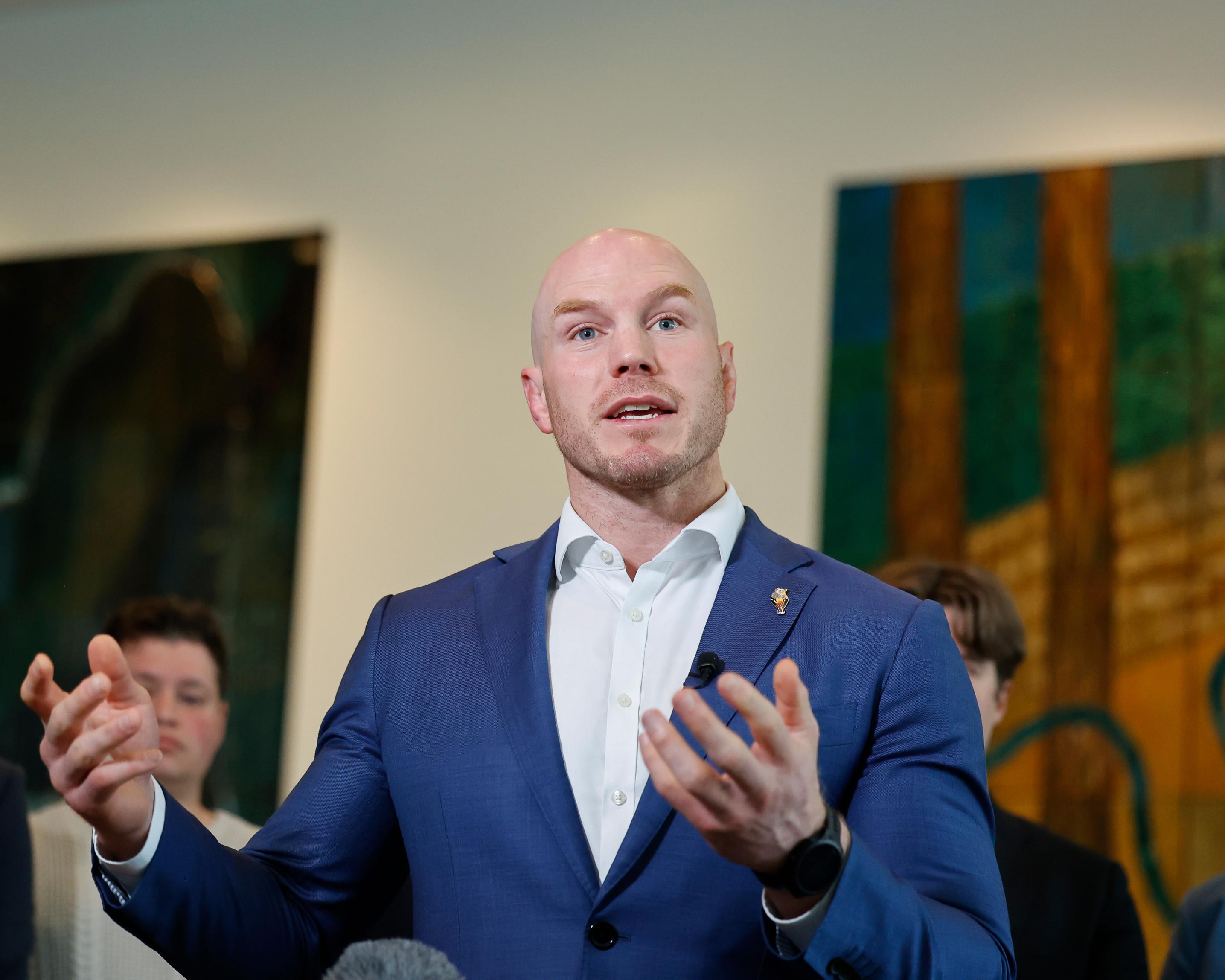
David Pocock argues that without robust regulation and fair taxation, Australian communities will bear the environmental and social costs of the artificial intelligence boom while profits flow offshore.

Alan Finkel says readers must be informed if opinion pieces are AI-generated, urging newspapers and institutions to adopt specific verification procedures rather than broad principles.

International law scholar argues Canberra must cease defence trade, enforce ICC warrants and provide humanitarian places for Palestinian refugees following UN findings of war crimes and genocide.

Schultz left the Lutheran Church in the 1980s over the issue, later joining the Uniting Church, and attended the 2025 ordination of Rev Sue Westhorp
A Guardian columnist argues that willpower is insufficient against the 'attention economy' and suggests practical interventions such as greyscale mode and time-out applications to help users reclaim cognitive capacity.
Commentary notes humorous preference for pudding rankings amid debate over literary selections

An opinion piece published in The Guardian details how artificial intelligence provided incorrect material estimates and unsafe structural suggestions, highlighting the necessity of human critical thinking.

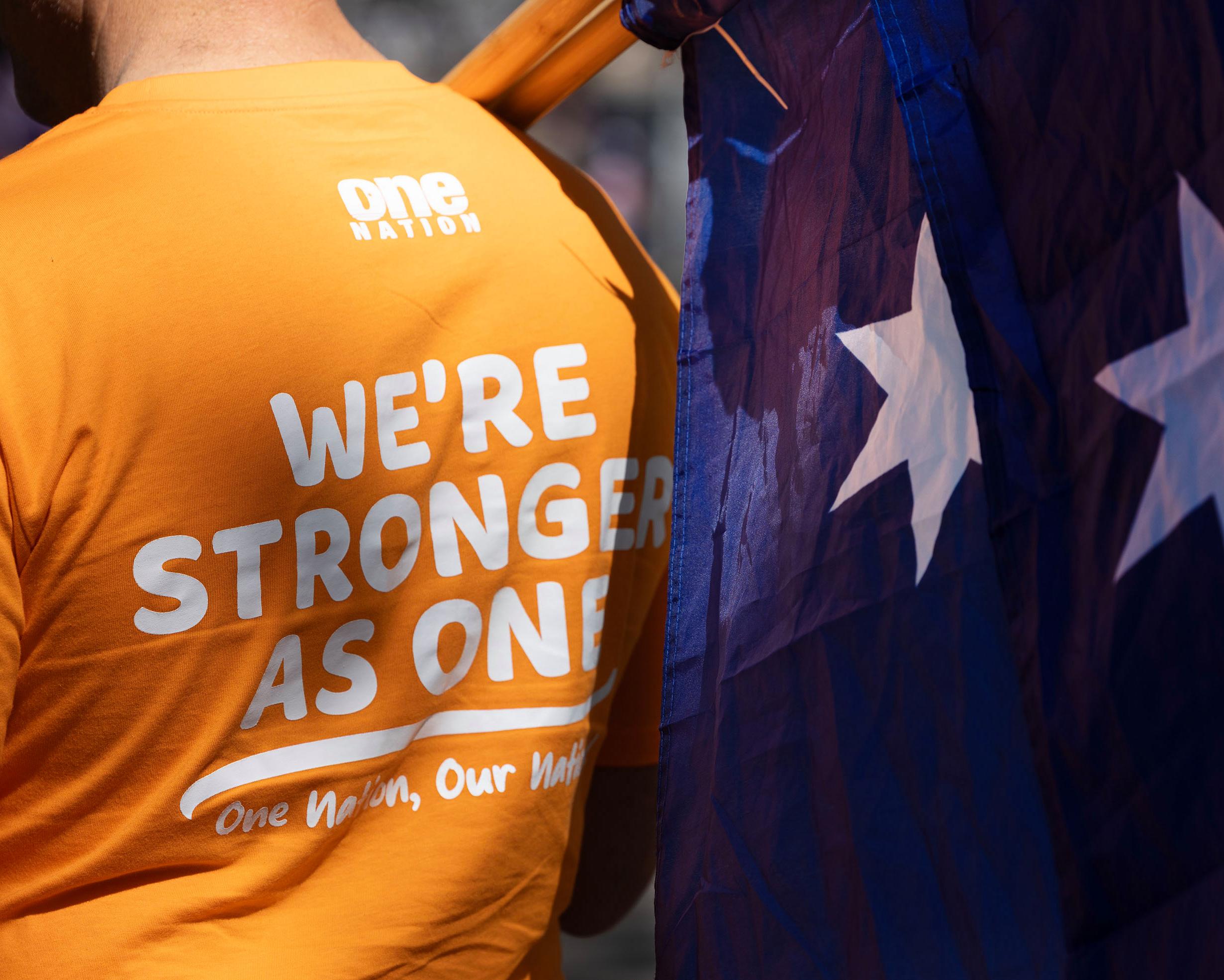
The Guardian reports that One Nation’s alignment with fringe anti-abortion groups raises concerns about reproductive rights, as support for abortion rights in Australia remains above 80 per cent.

While the economy expanded, the primary driver was private investment in datacentre equipment rather than construction or exports, raising questions about long-term sustainability and household welfare.

The Guardian’s First Dog on the Moon highlights the conflict between education infrastructure and conservation as a school proceeds with works that remove existing koala habitat.

A new survey reveals One Nation has surpassed both Labor and the Coalition to lead the primary vote at 30 per cent, while widespread dissatisfaction with the federal budget and economic outlook fuels anti-establishment sentiment across key demographics.

Defence officials cite supply chain simplification and cost efficiencies as key drivers for the revised submarine acquisition strategy.

Visits marks first overseas trip for Wale, who appointed former PM Rick Hou as foreign minister, as experts urge Canberra to prioritise domestic needs over geopolitical rivalry

Data from Cotality shows Sydney and Melbourne prices have dipped from peaks, while national growth stalls for the first time since early 2023

In a *Guardian* opinion piece, Peter Beattie draws on his 1998 experience defeating One Nation in Queensland to advise the ALP on strategies for the next federal election.

The June 2026 publication targets former One Nation leader Pauline Hanson, challenging the mechanisms that allow controversial statements to persist without factual correction.

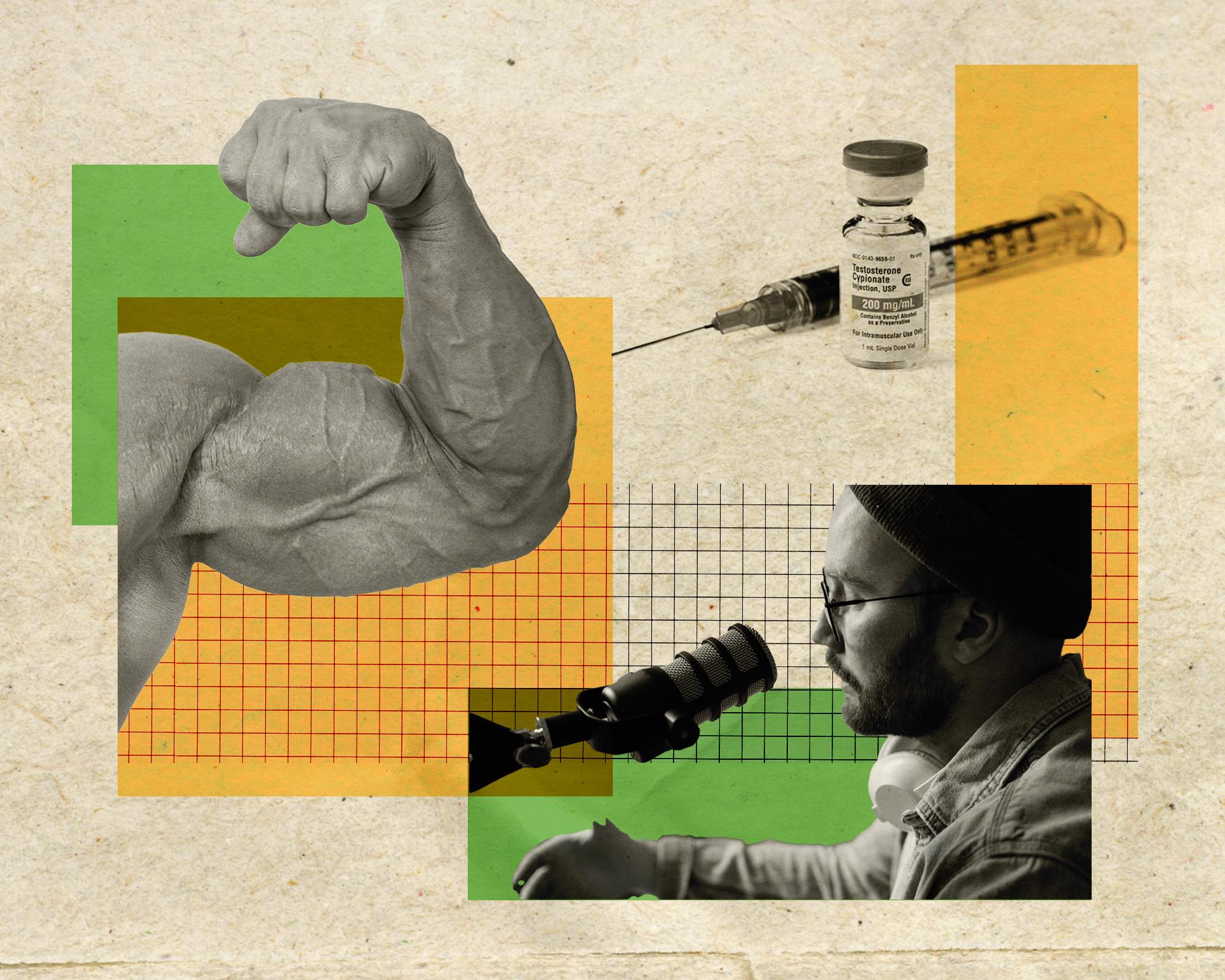
A recent opinion piece in The Guardian highlights the growing influence of unqualified influencers on patient decisions, citing clinical cases of harm and a significant trust gap between traditional medicine and digital platforms.

Satirical duo’s June 2026 artwork mocks narrative of ‘hard-earning’ landlords amid Prime Minister Anthony Albanese’s housing policy proposals.

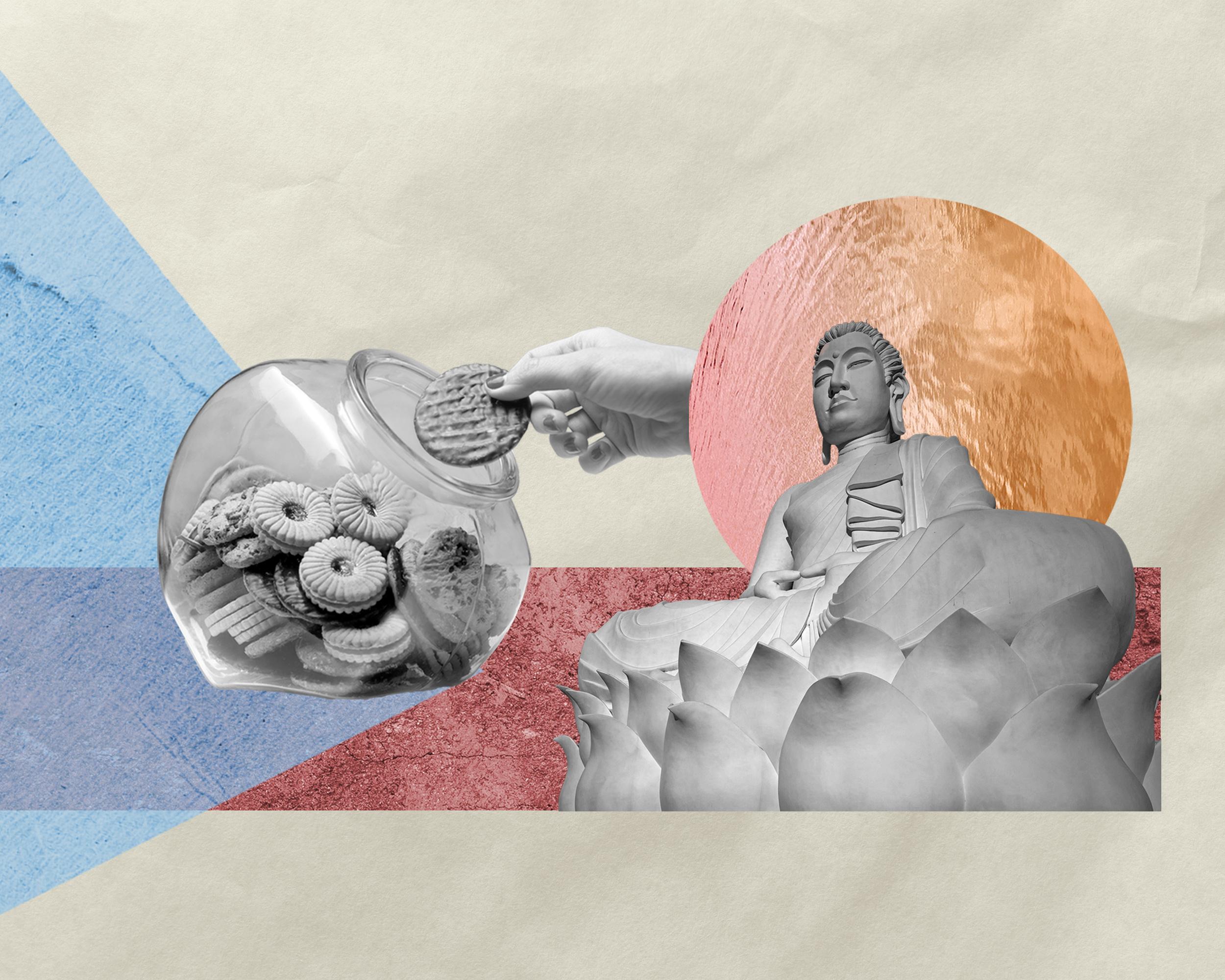
In a recent opinion piece for The Guardian, Bailey outlines how cultivating joy for others’ good fortune can counteract resentment, drawing on Buddhist teachings and neuroimaging research.

Data shows rising domestic screen time in the US and Australia, with adults over 50 now spending more time socialising in person than teens and young adults

Fiona Katauskas’s latest work for The Guardian Opinion section questions the roots of Donald Trump’s wealth, portraying him as a figure who consistently places himself first.

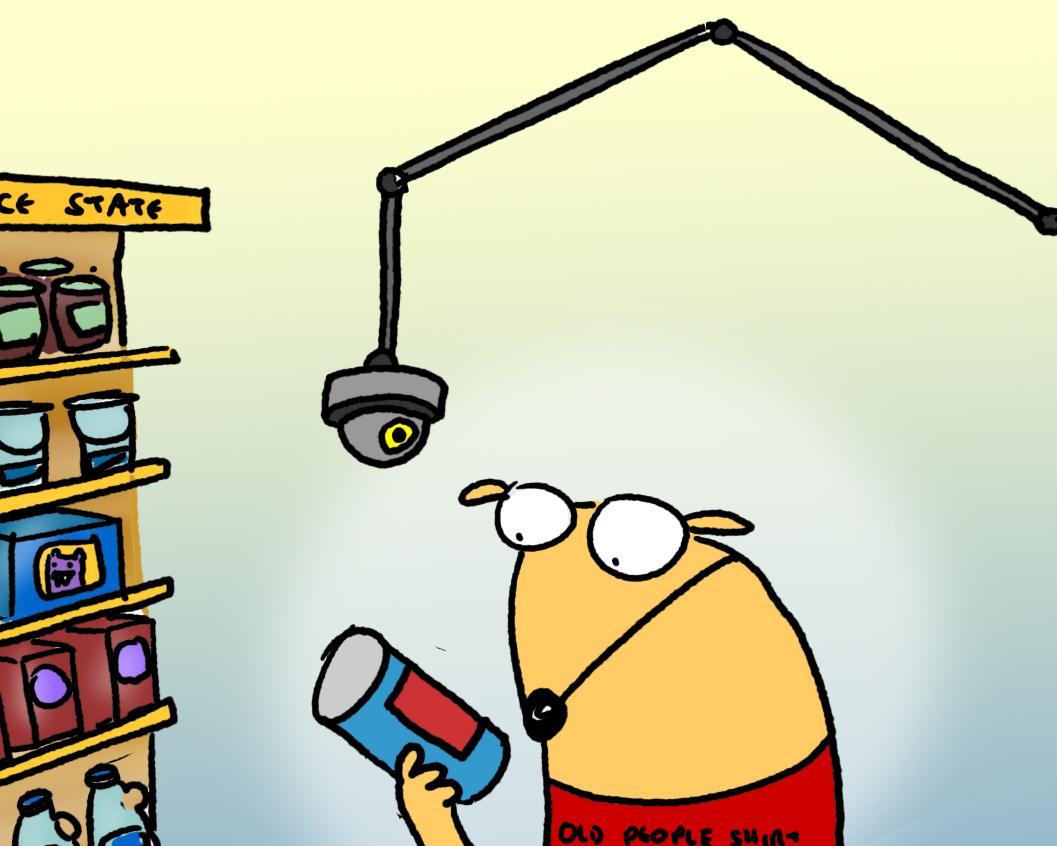
The May 2026 illustration depicts a character abandoning a list of 100 best novels after the invention of the internet

Former Treasurer Peter Costello warns of punishment for young investors, yet the author contends the risk lies in reforms going too little rather than too far.

In a recent Guardian Opinion article, Shaw reflects on personal experiences of depression and community support to argue that introducing friends to one another creates resilient networks essential for mental well-being.

In an opinion piece for The Guardian, Harwood contrasts the emotional resonance of human-made art with the lack of agency in AI, citing the Perth Comics Arts Festival’s ban on such materials as evidence of community resistance.

Fiona Katauskas published a work on The Guardian Opinion feed on 28 May 2026, asking whether the government can navigate the challenges ahead.

With consultations for the second action plan beginning, campaigners are urging strategic pressure on ministers ahead of the May 2026 budget handdowns.

Analysis highlights 11 per cent real-terms cut to disability scheme while media focus remains on tax reforms affecting high-income earners

An article published on 27 May 2026 argues for a change to the country’s symbolic fauna, though the proposal remains a subjective assertion rather than a policy announcement.

The resignation of Paul Brereton has reignited debate over how the National Anti-Corruption Commission selects its leaders, with calls for a transparent, merit-based process to restore public confidence.