Waleed Aly argues liberalism is under strain as faith in progress fades
In a Guardian opinion essay, Aly links repeated economic, social, political and cultural shocks to growing disillusionment with the liberal order.
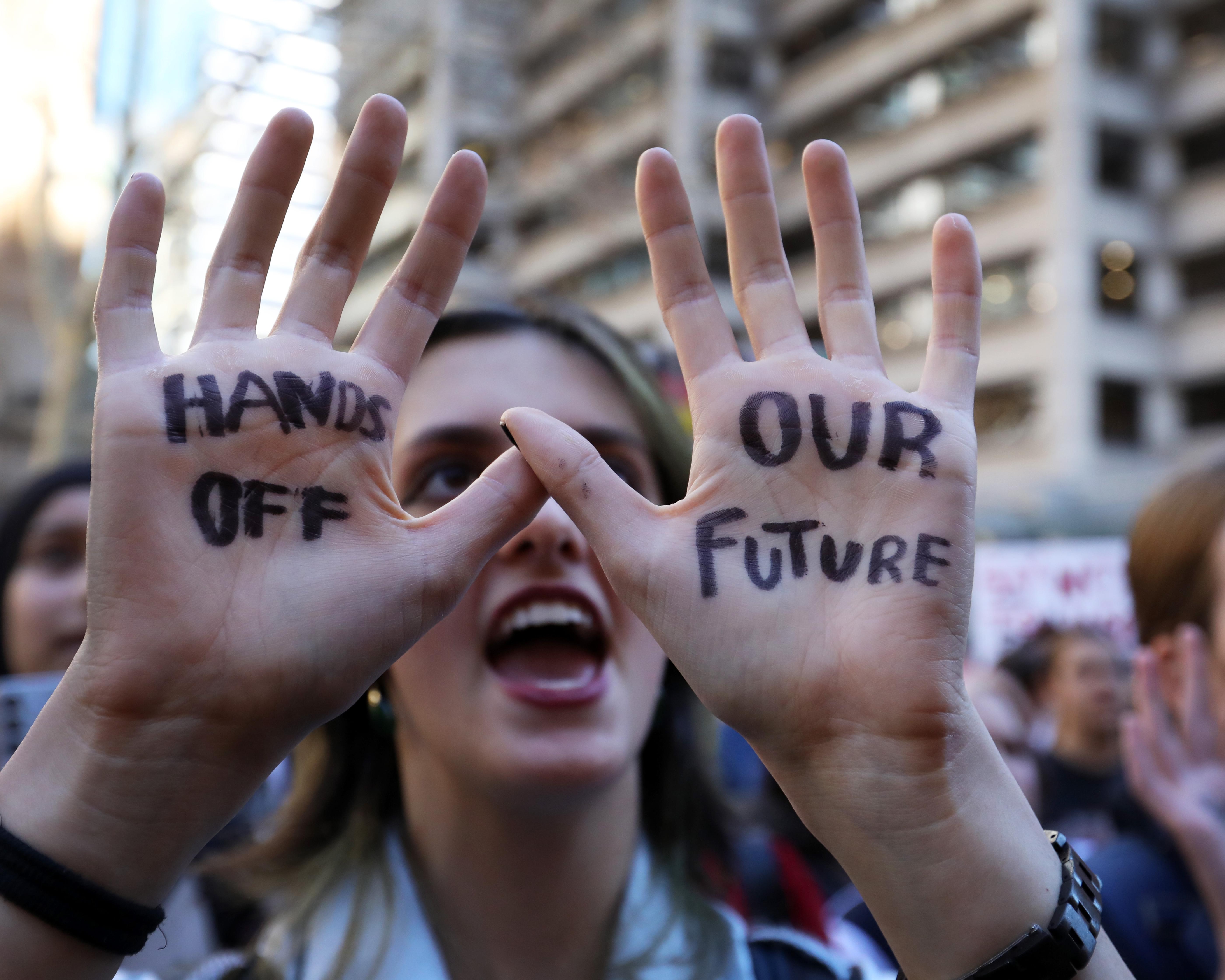
Waleed Aly has argued that liberalism is facing a deep crisis as belief in progress declines across western democracies.
Writing in The Guardian, Aly describes a compounding sequence of economic, social, political and cultural upheavals, including the global financial crisis, Brexit, Donald Trump’s elections, the COVID-19 pandemic, inflation, the Israel-Gaza war and the rapid development of artificial intelligence.
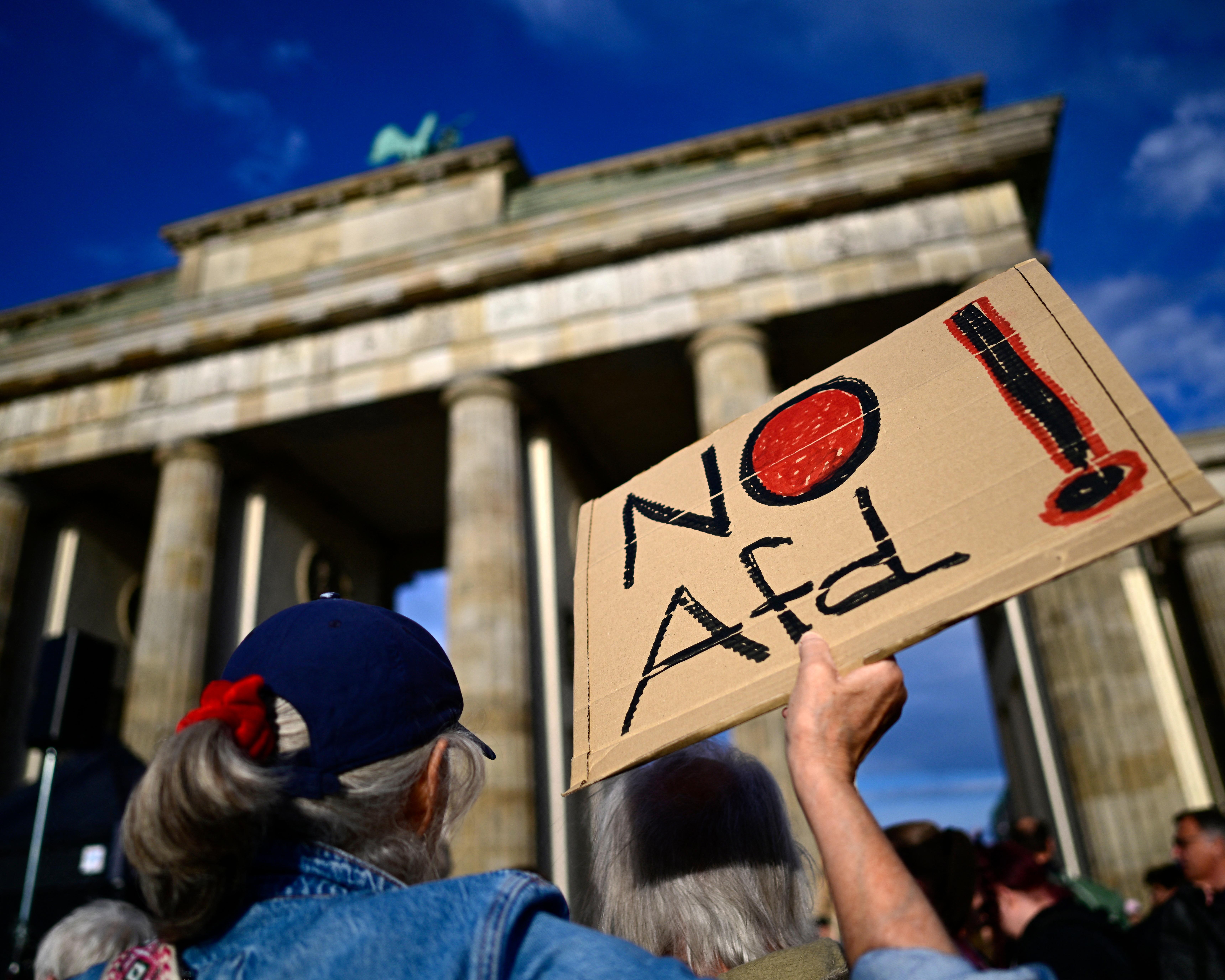
He argues that the effect has been a near-constant sense of crisis, weakening trust in institutions and fuelling movements that reject the conventional political order. Some populist movements, he suggests, are driven less by fixed policy programmes than by anger at major parties and a prolonged sense of neglect.
Aly defines liberalism through institutions and principles including free expression, independent courts, limited government, individual freedom and political equality. He says movements on both the right and left can be understood as reactions to tensions within that order, describing them collectively as “post-liberal”.
The essay refers to polling suggesting up to 60 per cent of Australians believe immigration is too high, and cites RedBridge analyst Simon Welsh’s view that immigration is not the central concern for a substantial share of One Nation voters. Those claims are presented in the essay and have not been independently verified here.
Aly stops short of declaring liberalism finished, but argues that the postwar version of the western liberal order may be ending. His conclusions are an interpretation of current events, rather than evidence that most people have abandoned belief in progress.