RBA urged to scrutinise data before rate hike despite GDP beat
Greg Jericho argues the Reserve Bank should look beyond the headline June quarter growth figure, which was inflated by imported datacentre equipment and a surge in electric vehicle sales.
The Reserve Bank of Australia should exercise caution before raising interest rates again, according to Greg Jericho, who argues that the recent gross domestic product figures do not reflect a robust economy. While the Bureau of Statistics reported June quarter GDP growth of 0.4%, exceeding the 0.3% consensus expectation, Jericho contends that the difference is essentially a rounding error. He notes that the Bureau has previously revised growth figures by larger margins, suggesting the current data may not warrant an immediate policy response.
Markets reacted swiftly to the release, pricing in a potential rate rise by November. However, Jericho points out that the economy has grown by just 0.7% over the past six months, a pace he describes as half-speed. Over the past 30 years, the economy has grown faster than 0.4% in more than two-thirds of quarters, making the current figure unremarkable in historical context.
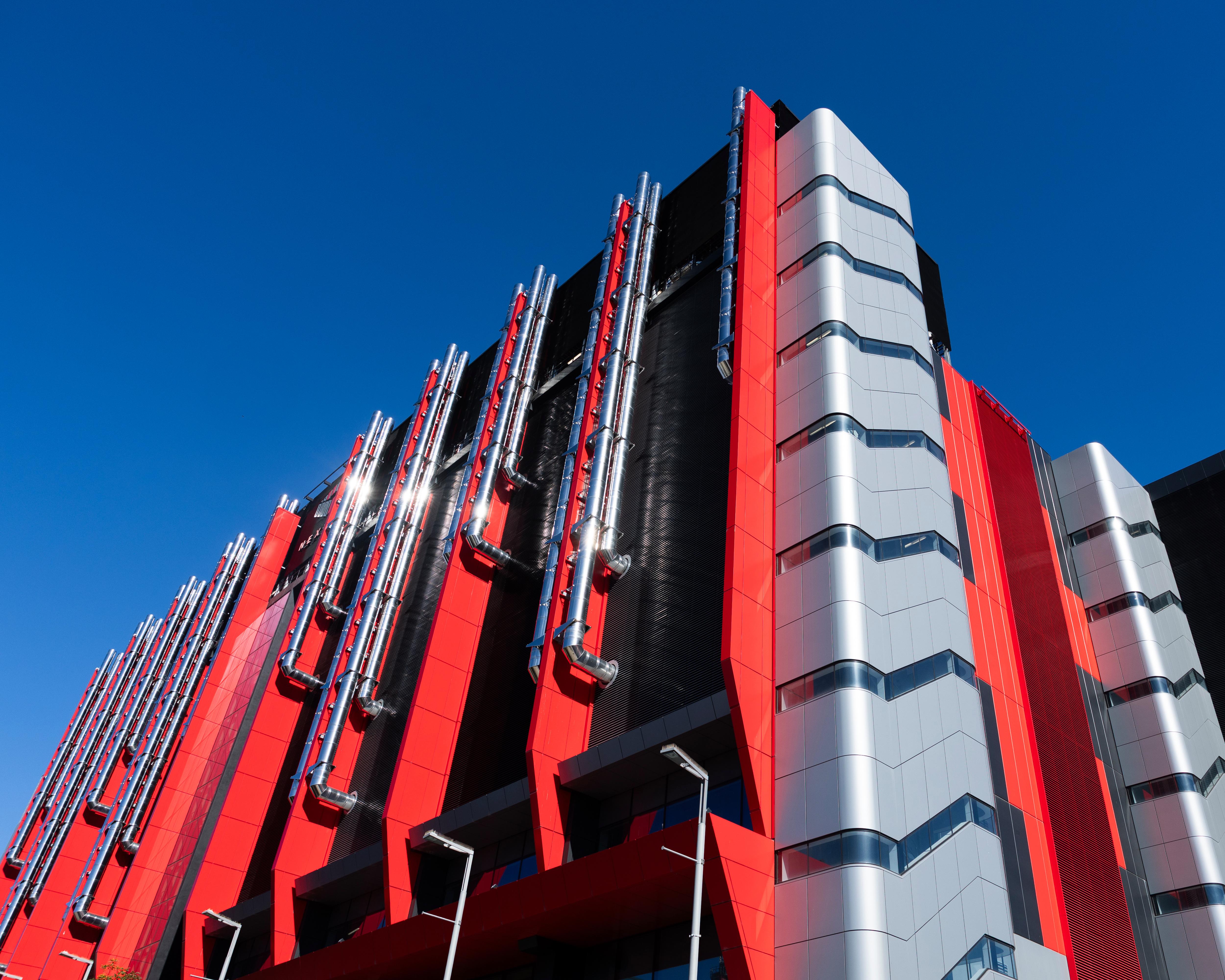
A key factor in the June quarter data was investment in machinery and equipment, primarily for datacentres. This sector was the biggest driver of growth in the March quarter but became the biggest drag in the June quarter as purchases slowed. Jericho highlights that much of this equipment is imported, which boosts GDP under business investment while simultaneously reducing net trade. This dynamic creates a misleading picture of domestic economic strength.
Household spending also showed a superficial boom that Jericho believes masks underlying restraint. Discretionary spending jumped 1.4% in the June quarter, but this was driven largely by a 10% increase in vehicle sales, specifically electric and hybrid models. With petrol costs rising due to the Iran war, consumers shifted to more efficient vehicles to lower operating costs, rather than spending out of broad consumer confidence.
The impact of higher borrowing costs on households remains significant. Australian households spent 10.4% more on mortgage repayments in the June quarter, wiping out a third of the increase in household income. Meanwhile, overall inflation rose by 3.1%, driven by profits growth rather than wages. Jericho suggests that these factors indicate an economy that is limping along rather than overheating.
Ultimately, Jericho urges the RBA to look at the reality of the data rather than market expectations. He argues that the current economic conditions, characterised by limited local employment benefits from datacentre investment and constrained household budgets, do not justify further rate hikes.