T-maxxing: Manosphere trend promotes testosterone therapy despite limited medical evidence
A new analysis of social media posts suggests the surge in testosterone replacement therapy is driven by commercial interests and fear, rather than clinical necessity, with experts warning of significant health risks.
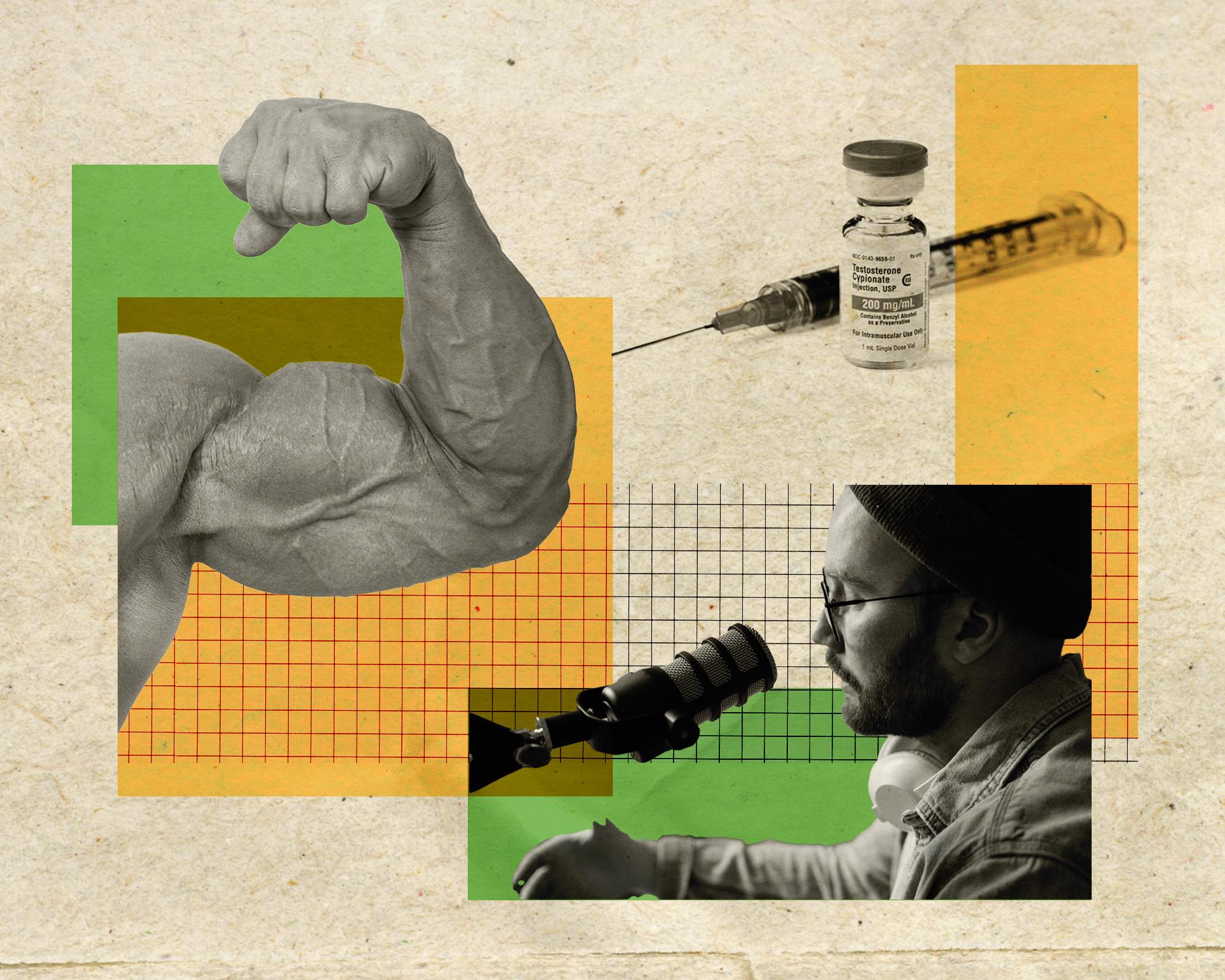
The “T-maxxing” trend, which encourages men to maximise their testosterone levels through natural or artificial means, has seen a 60 per cent increase in global search interest compared with the previous year. While social media influencers and right-wing commentators have framed low testosterone as a crisis of masculinity, medical experts argue that clinically low levels of the hormone are rare.
Testosterone replacement therapy (TRT) is being promoted by high-profile figures, including podcasters Joe Rogan and Andrew Huberman, and US politician Robert F Kennedy Jr, who described the treatment as part of an “anti-ageing protocol”. The trend has also gained institutional support in the United States, where Defence Secretary Pete Hegseth announced in July that soldiers aged 30 and over would undergo annual testing to ensure they maintain the “right testosterone levels”.
Despite these endorsements, prescriptions for testosterone in the UK and US have risen sharply, even though male hypogonadism affects fewer than two per cent of men. Professor Ada Cheung, an endocrinologist at the University of Melbourne, noted that testosterone levels naturally fluctuate throughout the day and decline with age, often due to the accumulation of chronic conditions such as obesity and diabetes. She cautioned that these natural variations do not necessarily indicate a need for treatment.
Research co-authored by Dr Brooke Nickel, a senior research fellow at the University of Sydney’s school of public health, was published in January in the journal Social Science & Medicine. The study analysed 46 popular social media posts from accounts with a combined following of 6.8 million and found that nearly three-quarters of the accounts had vested financial interests in selling testosterone tests or therapies. Dr Nickel described the marketing as “fearmongering”, targeting younger men with symptoms that are frequently caused by lifestyle factors or other medical conditions.
Experts warn that unwarranted TRT carries serious health risks, including infertility, heart disease, and blood clots. Professor Cheung explained that taking exogenous testosterone shuts off the body’s natural production of the hormone and sperm. She noted that recovery from steroid-induced infertility can take months to years and is not always guaranteed. Other reported side effects include gynaecomastia, testicular atrophy, and sleep apnoea.
For men who bypass regulated medical channels, the risks can be compounded by sourcing issues. Australian research has found that anabolic steroids obtained from underground markets often contain traces of carcinogenic heavy metals, including lead, arsenic, and cadmium, as well as product mislabelling. Health practitioners advise men concerned about their symptoms to consult a general practitioner rather than relying on social media testimonials.