Historical fear drives shark cull calls despite conservation science
An analysis published in The Guardian traces shark-related anxiety from Aboriginal rock art to modern beach netting, highlighting the tension between ecological evidence and political response to recent incidents.
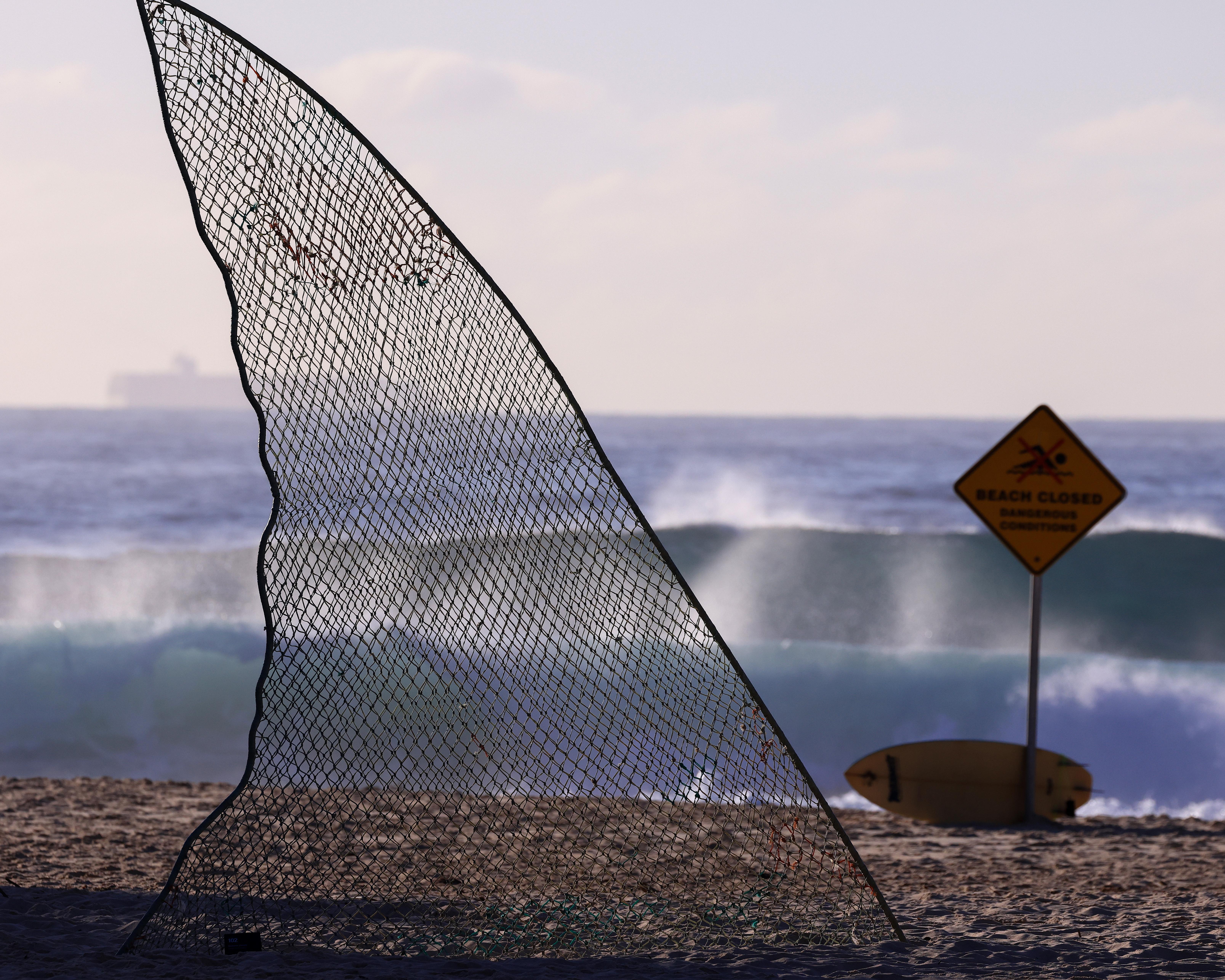
Professor Anna Clark of the University of Technology Sydney has published an analysis in The Guardian examining the historical roots of shark-related panic in Australia and its ongoing impact on conservation efforts. The article argues that despite growing scientific understanding of sharks as keystone species, public fear following recent shark incidents continues to drive calls for culling and mitigation measures.
Clark notes that a terrifying spate of bites earlier this year has reignited demands for shark culls, altering public perception of ocean swimming and surfing. The Australian Shark Incident Database registers growing numbers of dangerous shark interactions in recent years, with anecdotal evidence suggesting an increase in unreported encounters. However, the exact reasons for this rise remain unknown.
Archives reveal that sharks have been a figure of fear and fascination throughout the continent’s human history. Depictions of hammerhead and tiger sharks appear in Aboriginal rock art at Murujuga in Western Australia, dating back tens of thousands of years. Similar motifs are found near Bondi Beach in Sydney, where engravings on sandstone outcrops are thought to depict shark attacks.
Early colonial accounts further document this anxiety. William Dampier named Sharks Bay in 1699 after noting the “abundance” of sharks, and the Sydney Gazette reported on attacks in 1807 and 1812. By the 1920s, a series of fatal attacks in Sydney and Newcastle led to public panic, prompting the implementation of beach safety measures including steel cable nets and swimming enclosures.
By the mid-1930s, the NSW Shark Menace Advisory Committee recommended the systematic meshing of beaches, a strategy later adopted by Queensland and other states. While these measures were initially supported by a public sentiment that viewed sharks primarily as threats, scientific consensus has since shifted. Researchers now recognise sharks as critical to marine ecosystem health, with many species critically endangered, leading to a change in terminology from “attacks” to “incidents”.
Clark, who is writing a history of the Australian beach for Penguin scheduled for publication in 2027, concludes that the tension between scientific evidence and public safety will persist. Politicians continue to weigh ecological data against political pressure, but in the absence of robust data explaining recent interaction trends, conservation efforts remain vulnerable to fear-driven policy shifts.