Labor and Coalition strike deals on gambling, NDIS and media diversity
Bipartisan agreements bypass the crossbench, prompting critics to question whether the major parties are prioritising political survival over voter preferences.
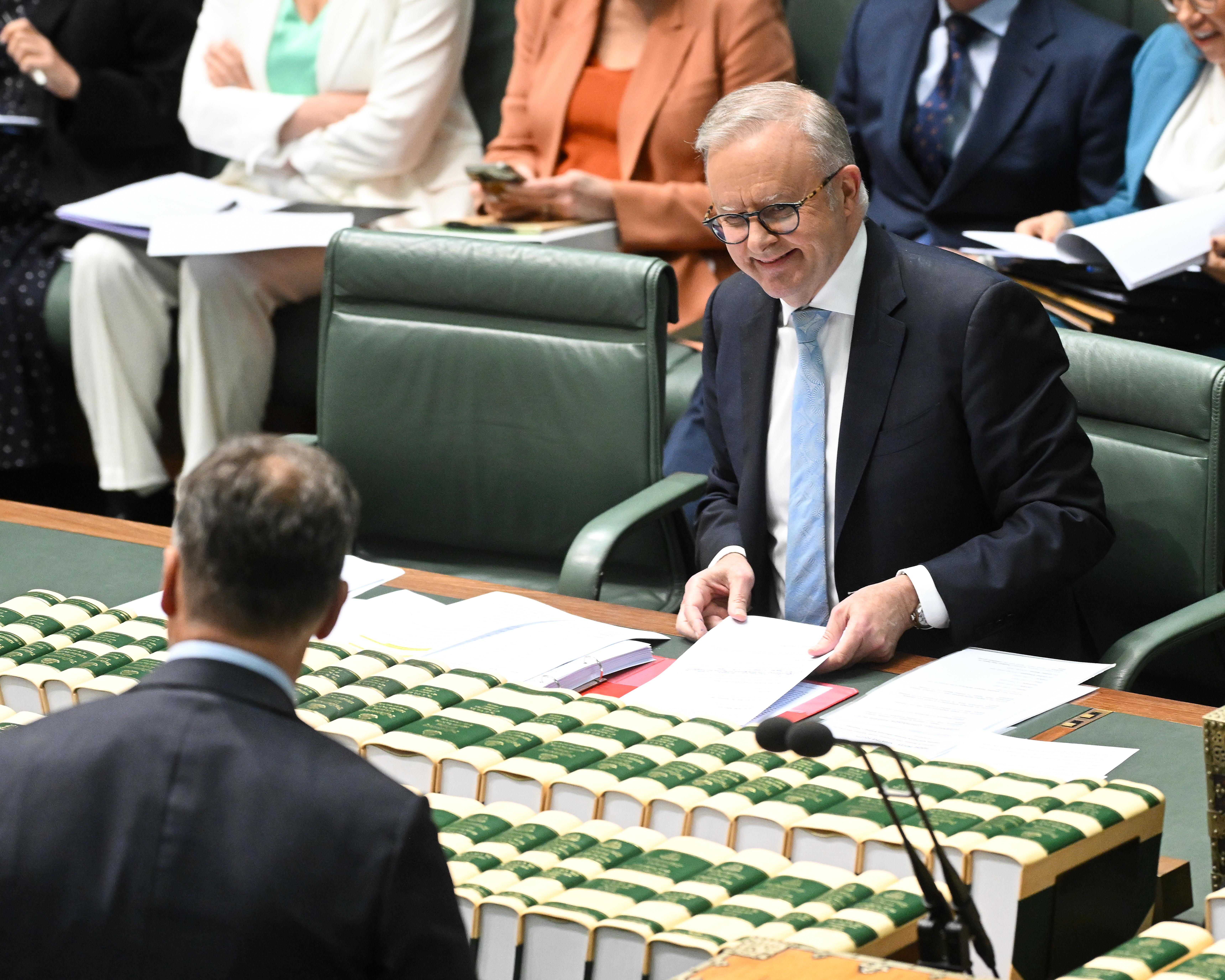
The Australian Labor Party and the Coalition have reached agreements on three contentious policy areas: gambling reform, the National Disability Insurance Scheme (NDIS), and media diversity. The deals were finalised last week, with the government choosing to negotiate directly with its nominal opposition rather than seeking support from the crossbench.
On gambling, the agreements follow the recommendations of the Murphy report. While the Coalition claims its amendments have strengthened the reform package, critics note that the resulting tweaks are less ambitious than proposals put forward by Peter Dutton prior to the last election. The government has characterised the outcome as a significant display of bipartisanship.
The specific legislative details regarding the NDIS and media diversity agreements remain less defined in public reporting, though both areas were central to the negotiations. The decision to bypass the crossbench is significant, as that bloc had previously outlined proposals that arguably reflected public sentiment more closely and could have provided an alternative pathway to a Senate majority.
This move has drawn sharp criticism from observers who argue the major parties are prioritising political survival over community concerns. The agreements arrive at a time when support for the major parties has declined to approximately 50% in total, with voters increasingly favouring independents or One Nation.
The dynamic contrasts with recent rhetoric from both sides of the house. The Liberal and National parties have recently described modern Labor as “socialist” or “communist,” while Prime Minister Anthony Albanese has labelled the right-wing bloc the “Noalition” as they align with Pauline Hanson’s One Nation. Despite this mutual antagonism, the parties have chosen to neutralise contentious issues to safeguard their respective positions.
Critics describe the arrangement as a “not-so-grand coalition,” suggesting it signals a deeper realignment where the government and opposition are uniting to manage risk rather than address the expressed desires of the electorate.