AI investment boom fails to lift Australian living standards, data shows
June quarter construction figures reveal a 2.1% decline, suggesting the artificial intelligence investment surge is not yet translating into broader economic gains or wage growth.
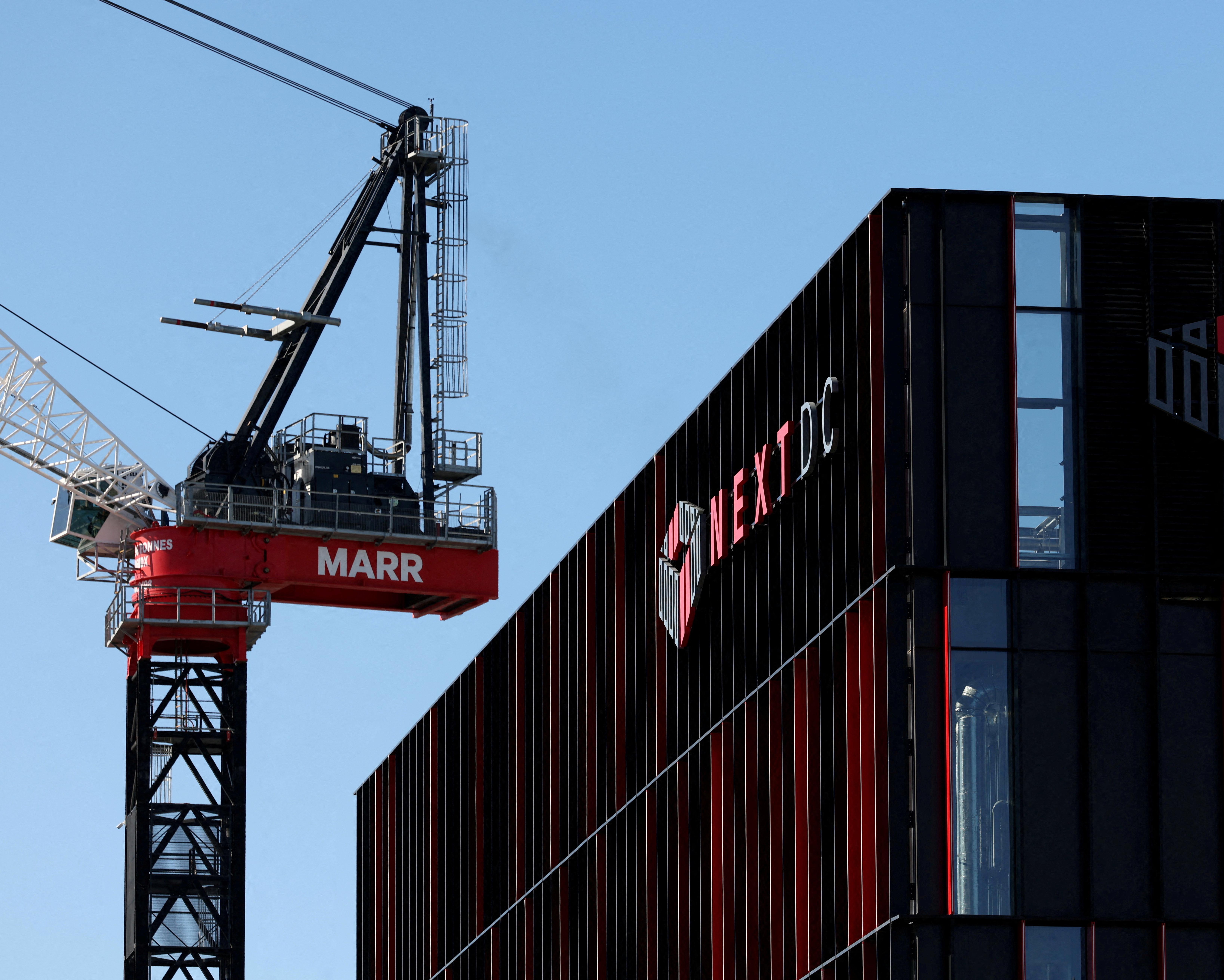
Despite significant capital expenditure on artificial intelligence, recent Australian data indicates the investment boom is not translating into improved living standards. The primary economic impact has been the importation of computer chips and equipment, with profits flowing overseas to manufacturers. This leaves the country with a growing number of energy-hungry datacentres, while the broader benefits for household income remain unproven.
The June quarter construction figures, released on Wednesday, showed an overall decline of 2.1%. This drop was driven primarily by a fall in engineering construction, which outweighed the increase in non-residential building work, including datacentres. Consequently, total construction activity is expected to detract approximately 0.3 percentage points from the June quarter gross domestic product, a reversal from the 0.5 percentage point contribution recorded in the March quarter.
The Reserve Bank of Australia has raised concerns that such investment is causing capacity constraints and inflationary pressures. In volume terms, total construction work is currently higher than it was at the height of the mining boom, a level that might suggest the sector is saturated. However, wage data indicates the market is not as tight as during previous booms, such as the period between 2004 and 2006.
In the June quarter, average wages for private sector construction workers rose at an annual rate of 3.3%. This figure is only marginally above the overall private sector average wage growth of 3.2%. The modest increase suggests that while non-residential building work remains at relatively high levels, the construction sector is not experiencing the wage surge typical of a major economic boom.
The Australian Financial Review has questioned the productivity benefits of importing computer equipment, noting that the spending involves purchasing data processing chips from overseas. Once installed, these imported assets generate little in the way of direct jobs or income for Australian households. The June quarter GDP figures are scheduled for release next week, alongside new investment, government spending, and trade figures.
For now, the data suggests the main economic impact of the AI boom will be the accumulation of imported machinery and equipment. Whether this investment will eventually translate into higher wages and improved living standards remains uncertain, with the specific benefits of the datacentres for medical and scientific research not yet fully quantified.