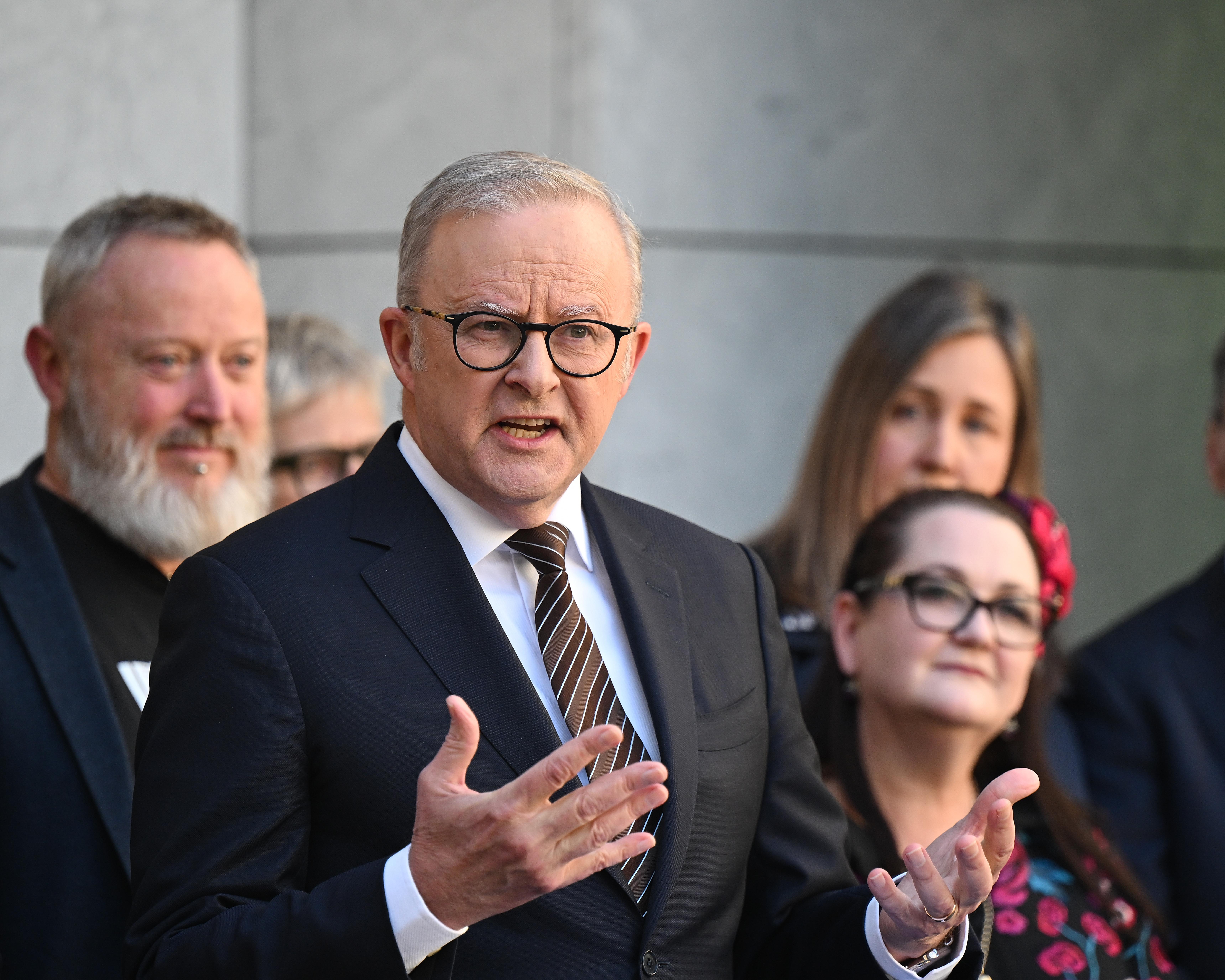
Essential director urges Labor to heed Turnbull’s centrist failures
A decade after analysing Malcolm Turnbull’s governance, strategic communications consultant warns that being right on policy is insufficient without execution.
Sharp arguments, interpretation, and perspective on the forces reshaping public life.
A decade after analysing Malcolm Turnbull’s governance, strategic communications consultant warns that being right on policy is insufficient without execution.
Australian doctor says mistake resulted from excessive patient loads and complex needs, not personal failings, and calls for political courage to restructure care delivery.
An article published on 10 August 2026 describes the output as 'hard right AI slop', though the full text of the commentary remains unavailable for verification.
A Senate inquiry into Australia’s gambling sector has heard testimony alleging that major operators provided illicit drugs, sex workers, and alcohol to high-roller clients. While industry representatives deny the claims, advocates argue the government’s proposed reforms fall short of the recommendations made in the Peta Murphy report.
New figures from the Australian Bureau of Statistics reveal a drop in the crude marriage rate and a concurrent increase in divorces, while commentators argue the trends reflect greater self-awareness among younger cohorts.

In an opinion piece published on 10 August 2026, Bailey draws on Hebrew and Greek etymologies to propose that sin should be understood as a cue for right action, drawing parallels with Buddhist concepts of alignment and Islamic and Jewish traditions of innate innocence

Alan Finkel argues that informal safeguards are insufficient to prevent dystopian outcomes, proposing a modernised version of Isaac Asimov’s robotics laws to be embedded in all frontier models.

An Australian writer has publicly acknowledged reaching a personal milestone of being "unc" (uncool) after having to search for the meaning of "quiet on the creek", citing the end of an era for unified online language.

The satirical outlet’s 7 August 2026 artwork characterises the nation as a destination for “rapacious amoral gambling company”, reflecting ongoing scrutiny of the sector’s regulatory landscape.

Andrew Denton argues that federal barriers prevent telehealth use in voluntary assisted dying, citing patient suffering and broad health sector support for reform.

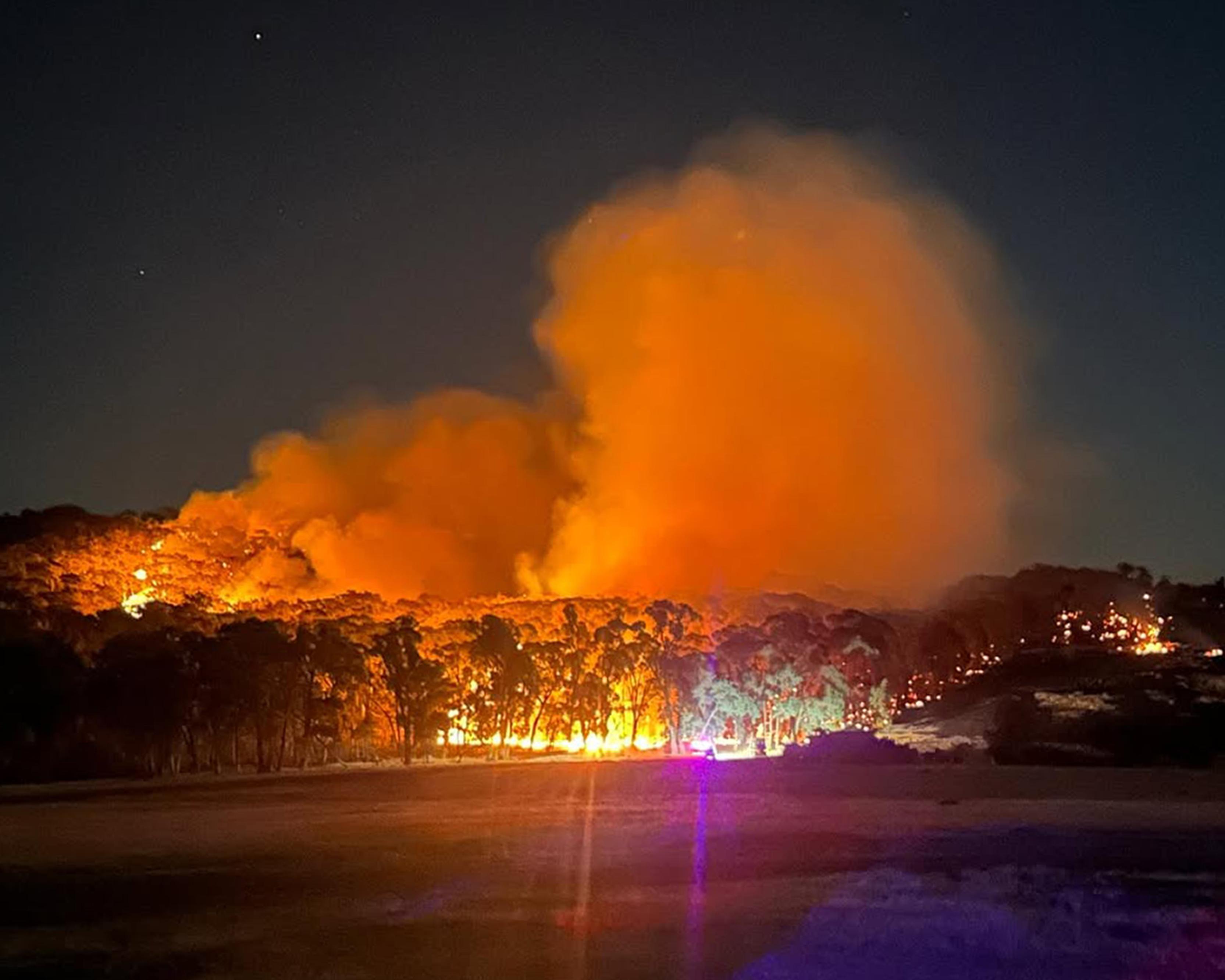
Published on 28 July 2026, the piece titled “What do the heatwaves in Europe and North America tell us about our future?” carries the tagline “The signs are there”

An opinion piece published in The Guardian highlights how a conversation about buying salad leaves helped an elderly patient understand the risks of cancer surgery, illustrating the need for plain-language tools in healthcare.

A party in the Australian winter featuring Chaunsa and Alphonso varieties brought together expatriates from both nations, offering a moment of connection beyond geopolitical animosity.

The Australian lawyer and journalist links her parenting practice to the broader concept of mitzvah and a national day of kindness announced following the Bondi terror attack

Critics point to high costs and substandard services at assets such as Thames Water and Sydney Airport, arguing that shareholder enrichment came at the expense of the public

Opinion piece draws parallels between Hanson’s recent comments on domestic violence and Donald Trump’s 2016 campaign tactics, questioning the role of legacy media in amplifying her platform.

The reviewer draws parallels between the film’s depiction of the Trojan Horse and contemporary issues, including AI-generated content and political deceit

A recent analysis of modern rudeness by The Guardian has triggered a significant response from its audience, prompting the publication of a satirical cartoon on 24 July 2026.

An opinion piece in The Guardian details the dangers of relying on outdated heating methods, contrasting them with the efficacy of flannel bedding in poorly insulated homes.

The Guardian Opinion piece published on 23 July 2026 asks whether the annual gathering will accommodate differing viewpoints.

A victim-survivor and representative of the Women’s and Girls’ Emergency Centre argues that blaming the cost of living for abuse undermines the reality that responsibility lies solely with the perpetrator

Members are set to vote on a platform change pledging fairer returns from natural resources, a move interpreted as support for a 25 per cent levy on liquefied natural gas exports.

Peter Garrett argues the upcoming national conference in Adelaide will not accommodate meaningful discussion on the nuclear deal, citing cost blowouts, deployment mathematics, and a lack of government participation in the public inquiry.

A group of animal enthusiasts in the UK has volunteered to participate in a six-week experiment where they live as wild animals, according to a recent report.

Dr Joumanah El-Matrah argues that specialist services are overwhelmed and demands practical commitments from political parties to address the root causes of family violence.

Health professionals and research foundations caution that the test’s specificity rate could generate thousands of false positives, leading to unnecessary medical procedures and psychological harm for women in Australia.

The July 2026 illustration by Fiona Katauskas, titled "How much does Australia spend on offshore detention in Nauru?", uses the caption "It’s hard to tell where it all goes…" to underscore ongoing debates regarding financial accountability in Australia’s offshore processing policy.

Historical review shows how Labor-led initiatives in the 1940s boosted home ownership, while subsequent policy shifts reduced public stock, offering context for the federal government’s recent fiscal measures.

The Australian cartooning duo’s latest work, published on 20 July 2026, references a survey suggesting increased public frustration and asks whether the national ethos of egalitarianism has endured.

A recent opinion piece in The Guardian examines the rising anxiety of workplace obsolescence, citing empirical data and expert advice on navigating the shift from technical roles to human-centric capabilities.
Julianne Schultz argues that while Prime Minister Anthony Albanese’s speech on artificial intelligence was a good start, Australia must confront larger questions regarding sovereign data capacity, security, and public benefit to avoid becoming dependent on foreign infrastructure.

NDIS Minister Mark Butler refutes claims of disproportionate enrolment, while immigration sources cite strict health checks

The Guardian’s opinion section features a new cartoon by Fiona Katauskas, reflecting on how Donald Trump’s presidency has altered public perception and the nature of political discourse.

Malcolm Farr’s commentary in The Guardian Opinion highlights a lack of policy substance and rising internal friction, as speculation grows regarding leadership succession within the party.

A July 2026 commentary contrasts the rigid Chronos model with Kairos, drawing on care work, seasonal rhythms, and Indigenous knowledge to reframe how society views ageing.

A new opinion piece published on 16 July 2026 asks whether emerging artificial intelligence frameworks will successfully govern major technology companies or if they will operate outside such constraints.

David Pocock argues that while commitments to protect intellectual property are welcome, the government’s vision for artificial intelligence omits critical frameworks on taxation, sovereign capability, and workforce planning.

Analysis of One Nation’s platform highlights support for a people’s bank to challenge the big four, but criticism mounts over plans to divert the Housing Australia Future Fund and politicise monetary policy

The Guardian’s First Dog on the Moon has published an opinion piece describing Meta’s latest smart glasses as a device that is 'undetectable' and constantly transmitting data, though specific technical specifications remain unverified.

Internal Labor perspective highlights need for social guardrails to manage economic disruption and political risk

An opinion piece published in The Guardian suggests that real social power is moving away from material trophies toward partnerships with equals, citing viral trends that celebrate older men with partners of similar age and status.

The swift removal of the Perth Stadium statue follows the former AFL player’s domestic violence conviction, sparking scrutiny of enduring tributes to colonial figures linked to Aboriginal dispossession.

In a personal account published in The Guardian Australia, the Australian oncologist describes a teenage grandson’s presence at a dying patient’s bedside as evidence that exposure to decline is necessary for developing coping mechanisms.

A Guardian opinion column published on 14 July 2026 describes Pauline Hanson’s presence in the United Kingdom as generating discussion, though specific details of the interactions are not provided.

A recent opinion column in The Guardian has noted that Pauline Hanson is receptive to ideas concerning Karl Stefanovic, though the specific nature of these proposals remains undefined.

Proposed capital gains tax changes appear to be influencing housing prices, while official taxation statistics refute assertions that younger Australians are the primary beneficiaries of the current discount.

A Guardian opinion piece published on 24 June 2026 refutes calls for a monocultural society, pointing to the diverse origins of the colony’s founders and the economic benefits of pluralism in early seaports.

While the mechanism of controlled skin damage is plausible, Dr Gideon Meyerowitz-Katz says consumers should wait for better data before undergoing the treatment.