Buddhist thought offers new perspective on human desire
A senior lecturer at the Nan Tien Institute argues that modern culture’s “war on want” is misguided, suggesting instead that individuals meet desire with curiosity and wisdom.
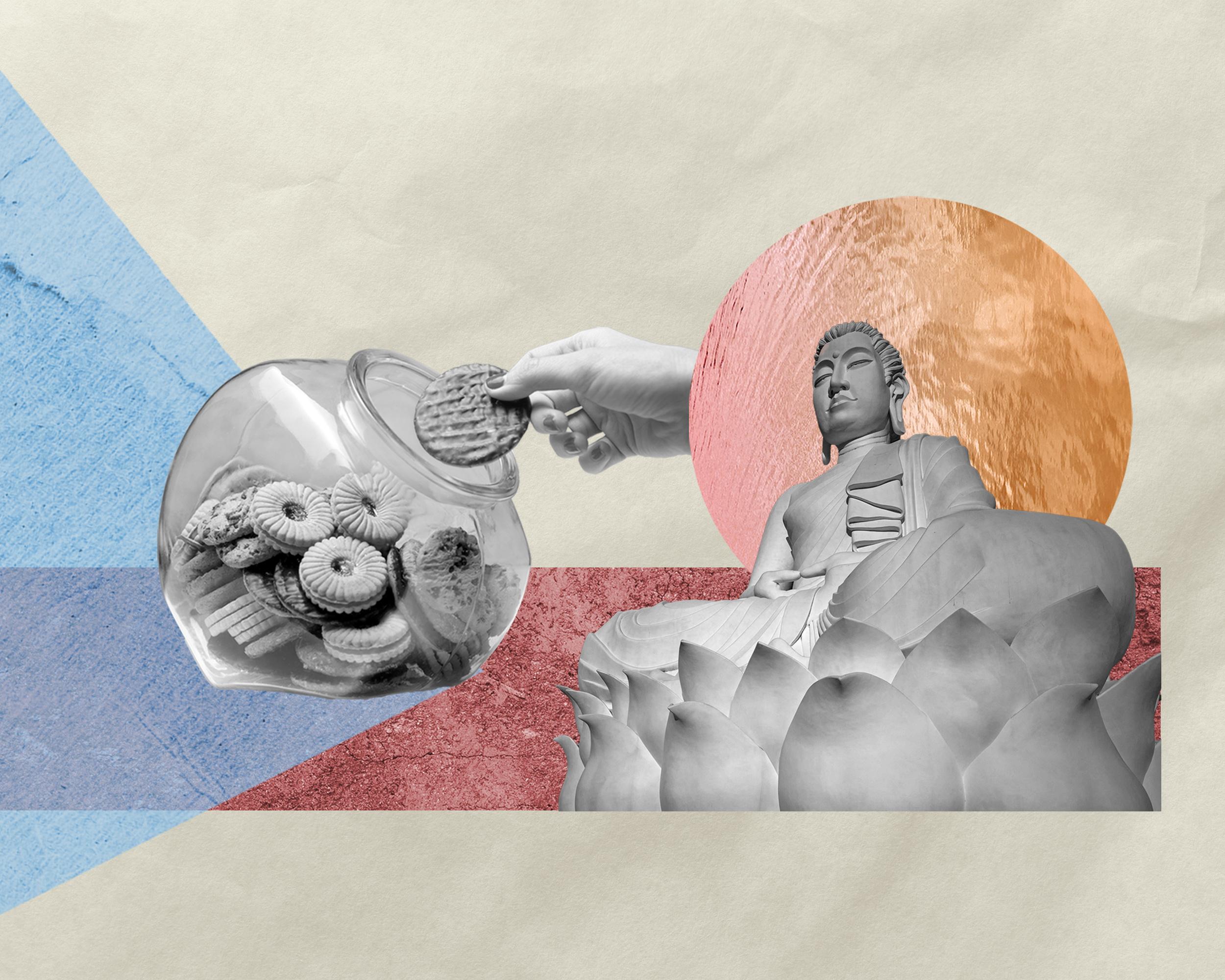
Dr Nadine Levy, a senior lecturer at the Nan Tien Institute, has published an opinion piece in The Guardian arguing that Buddhist philosophy provides a more effective framework for understanding human desire than the prevailing cultural approach. Levy contends that the work is less about fighting what we feel and more about meeting desire with curiosity, integrity, and wisdom.
In the article, Levy distinguishes between two types of wanting. She identifies “taṇhā,” the Pali word for craving or thirst, as a sticky and insistent form of desire that is difficult to release. This is contrasted with wholesome aspirations, such as the intention to care, grow, or minimise suffering, as well as practical instincts like the need to eat or rest.
The piece highlights a modern cultural paradox where digital platforms and algorithms increasingly anticipate and stimulate desires, sometimes before individuals register them themselves. Levy notes that contemporary culture is adept at encouraging distrust of desire while simultaneously selling products that address it, citing viral food trends and GLP-1 medications that suppress appetite and calm “food noise” as examples.
Levy proposes that by observing the body and understanding the nature of wanting, individuals can better navigate their needs without resorting to immediate gratification or repression. She references the late American poet Mary Oliver, who implored readers to let the “soft animal of your body” love what it loves, suggesting this opens the possibility of lingering in the wanting without extinguishing it.
The article also draws on traditional Buddhist mindfulness teachings, which instruct disciples to “know the body in the body” to directly sense instinct and craving. Levy suggests that some desires are “too small,” masking broader aspirations for freedom, peace, or completeness that are central to spiritual practice.
Levy, who coordinates the health and social wellbeing program and the graduate certificate in applied mindfulness at the Nan Tien Institute, concludes that there is no war on wanting. Instead, she advocates for noticing the desires that make us contract and quicken, and those that make us feel spacious and connected.