Pocock criticises gambling deal as 'stitch-up' ignoring committee advice
Independent Senator David Pocock has condemned the gambling legislation agreed between the Labor government and the Coalition, arguing it disregards unanimous recommendations and prioritises industry interests over community safety.
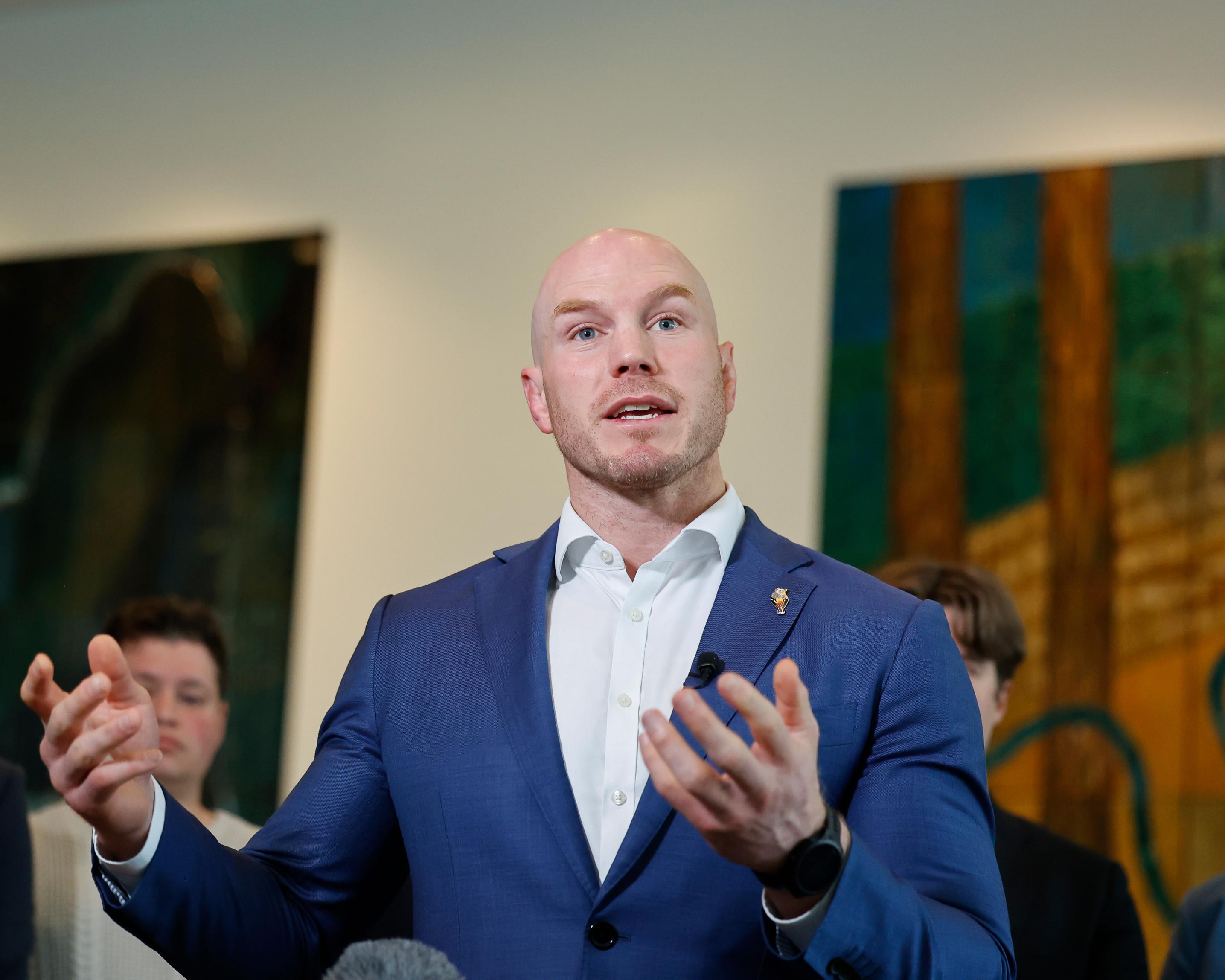
Independent Senator David Pocock has published a critique of the gambling legislation recently agreed between the Australian Labor government and the Coalition, describing the arrangement as a "stitch-up" that favours vested interests over the public good. In an opinion piece for The Guardian, Pocock argued that the final bill represents a failure of the major party system to respond to widespread calls for action on gambling advertising and harm.
The senator cited testimony from a family who lost a son to gambling addiction during a recent Senate inquiry, noting that the family shared the deceased’s final words regarding pathological addiction. Pocock stated that hearing such evidence, alongside accounts of shame and financial ruin from predominantly young men, highlighted the overwhelming harm caused by the industry. He questioned how the prime minister could respond to this evidence with what he described as "a few tweaks to a weak package."
Pocock asserted that the legislation ignores 31 unanimously supported recommendations from a government-led committee, specifically referencing the "Murphy report" which identified the gambling industry as "predatory." He noted that backbenchers from both Labor and the Coalition had defied party solidarity to call for stronger reform but were ultimately ignored and forced to vote with their respective parties.
The article identifies the gambling lobby, including free-to-air television and major sporting codes, as having influenced the outcome. Pocock argued that the deal was pushed by the gambling industry, resulting in a "damaging legacy" for the prime minister. He contended that the situation demonstrates a lack of long-term thinking in the current political system, prioritising industry profits over the protection of children and the broader community.
Independent Senator Kate Chaney, a member of the committee that produced the Murphy report, was quoted in the piece as saying the situation shows why politics in the country is broken. Pocock used this assessment to advocate for a shift towards minority governments, citing Nordic models that have operated with consensus-based lawmaking for decades.
Pocock argued that minority governments foster a culture of negotiation that leads to more robust legislation, referencing his experience in the previous term of parliament where bills passed after negotiation with independents and minor parties. He suggested that Australians should consider this model when voting to ensure better long-term outcomes, rather than succumbing to what he described as self-interested scare campaigns from the major parties.