Dolly Parton’s death sparks debate on billionaire wealth and generosity
A Guardian columnist argues that the global outpouring of tributes to the country music icon should induce shame in the super-rich, who often prioritise profits over people.
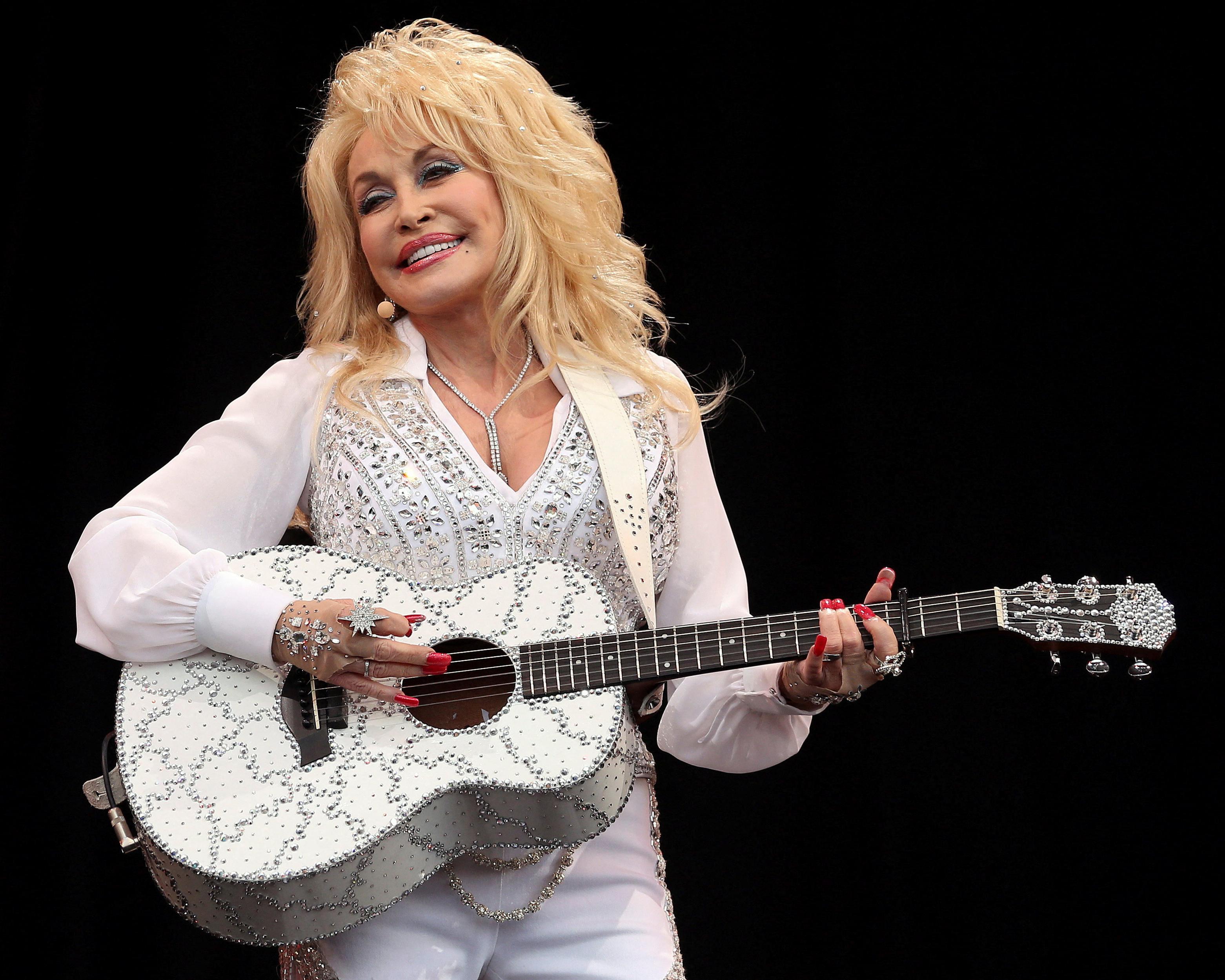
The death of country music icon Dolly Parton has triggered a global wave of tributes, prompting a call for the world’s wealthiest individuals to reflect on their own legacies. In an opinion piece for The Guardian, columnist Rebecca Shaw argues that the widespread affection for Parton should serve as a source of shame for millionaires, billionaires, and trillionaires who hoard resources while the majority of the global population struggles.
Shaw contends that the current discourse surrounding Parton’s passing is missing a crucial element: accountability. She notes that while the internet has been flooded with positive stories about Parton’s musical genius, sense of humour, and support for marginalised communities, the super-rich have not faced similar scrutiny. Shaw suggests that the gulf between the rich and the poor has never been greater, with the wealthiest 10% of the global population owning 75% of all wealth, while the poorest 50% holds only 2%.
The columnist draws a sharp contrast between Parton’s self-made status and the inherited wealth of many elites. Shaw argues that Parton’s drive to improve others’ lives was rooted in her own upbringing in poverty, providing a perspective often absent in those born into affluence. This experience, Shaw writes, gave Parton a deeply ingrained understanding that money is a means, not an end, allowing her to respond to the needs of others rather than simply accumulating more.
Shaw explicitly rejects the notion that Parton would not judge the ultra-wealthy. While some have suggested that Parton’s kind spirit would keep her heart open to those who prioritise profits over people, Shaw argues that she herself judges these individuals. She posits that Parton’s legacy of kindness acts as an indictment on those who use their resources to accelerate environmental destruction or escalate culture wars without consideration for the rest of humanity.
The piece urges the ultra-wealthy to ask themselves what Dolly Parton would do with their fortunes. Shaw notes that Parton had enough money to do whatever she wanted in life and did not need more, yet she used her position to make the world a better place. In contrast, Shaw argues that many of the richest people on the planet have the capacity to change society for the better but choose not to.
Shaw concludes that if the super-rich do not feel shame about their apathy, the public must demand more. She warns against allowing the wealthy to luxuriate in indifference while the world faces increasing challenges, suggesting that Parton’s life has demonstrated that humanity and grace can be real priorities for those with significant financial resources.