Royal Commission into Antisemitism concludes with calls for deeper scrutiny
The inquiry into social cohesion has ended its public hearings, with critics arguing that key cultural gatekeepers and the Prime Minister should have been called to account for missed opportunities.
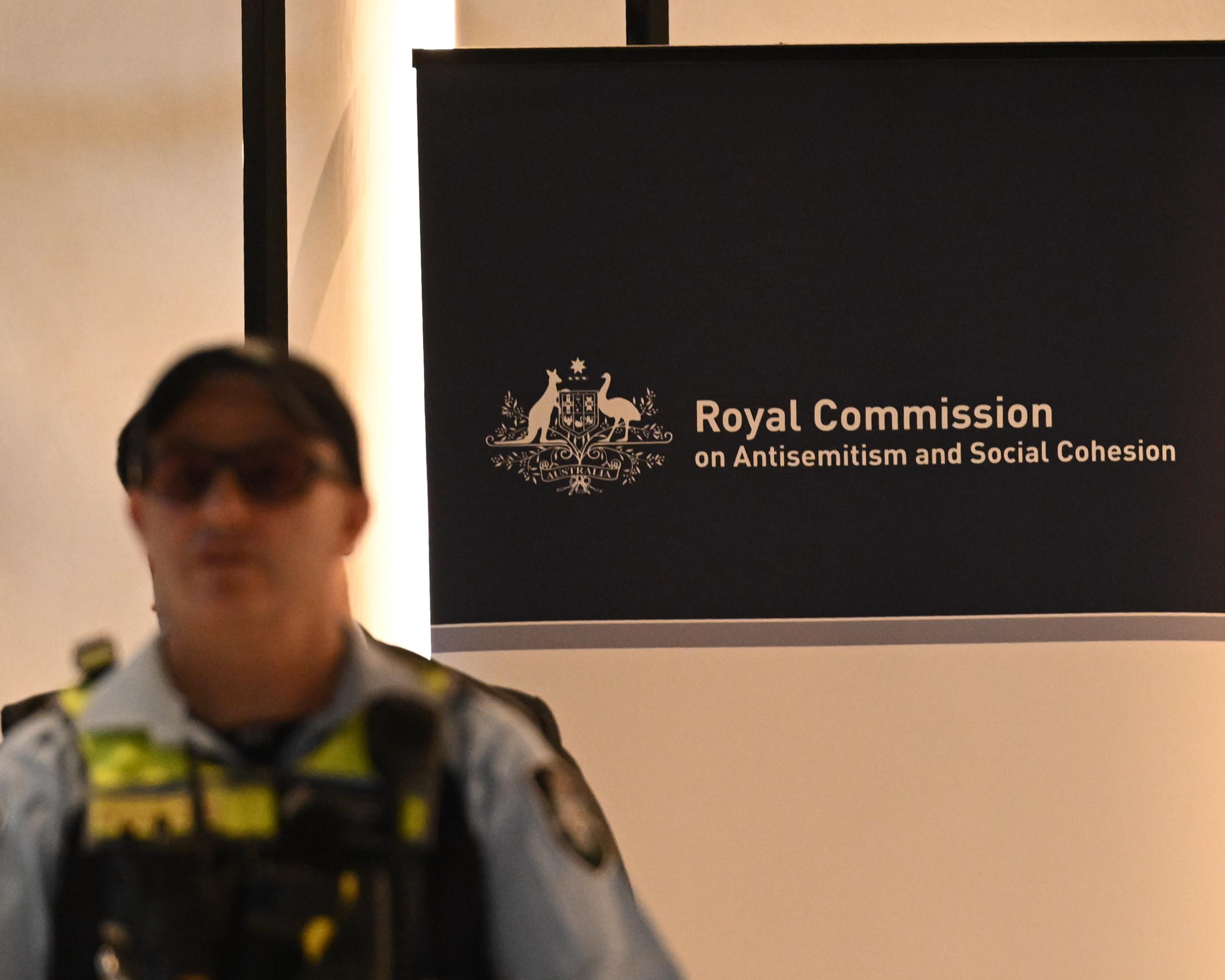
The Australian Royal Commission into Antisemitism and Social Cohesion has concluded its public hearings, completing a process that spanned less than four months. Led by Commissioner Virginia Bell, the inquiry was established to investigate the spread of antisemitism, the Bondi massacre, and the subsequent impact on social cohesion. The final report is due by 14 December 2026, which coincides with the anniversary of the Bondi massacre.
Testimony during the hearings indicated that antisemitism has permeated various sectors of Australian life, including schools, universities, the public service, the union movement, arts, entertainment, politics, and healthcare. Much of this hostility emerged following the Hamas attacks of 7 October 2023 and the subsequent war in Gaza. Witnesses described a shift where antisemitism had become normalised due to its open expression in public spaces.
Commissioner Bell noted that within three weeks of the hearings commencing, the commission had received reports of a dramatic increase in online hate messages directed at witnesses. This digital hostility was mirrored in physical demonstrations, including an incident during the first week where a man was observed outside the Sydney commission building wearing a T-shirt featuring a swastika around a Star of David and the text “Antisemitism. Proud to be accused”.
While the inquiry examined the conduct of NSW Police regarding the Opera House demonstration and university leaders regarding student encampments, opinion writer Michael Visontay argues that the commission missed key opportunities to interrogate specific gatekeepers. Visontay, a senior writer at The Jewish Independent, suggests that the heads of Creative Australia and the Sydney Biennale Board should have been called to account for incidents of antisemitic rhetoric within their sectors.
Specifically, Visontay points to the absence of the Sydney Biennale Board, who could have addressed an American DJ’s opening night rant against the “Zio-Australian-Epstein empire” and the “Zionist entity”. The writer also notes that Indigenous activist Marcia Langton testified that she had been labelled a “Zio” for expressing support for Jewish Australians, highlighting a pattern of coded language that was not thoroughly interrogated by the commission.
Visontay further argues that Prime Minister Anthony Albanese should have been called to testify. Following the Bondi massacre, the Prime Minister admitted he could have done more to address rising antisemitism. The writer suggests that calling Albanese would have allowed the commission to clarify whether this admission was performative or genuine, and to outline specific policy measures intended to address the issue.