Sydney Swans stand down five players as police probe alleged sexual assault
The club says the sanctions relate to breaches of internal standards, distinct from the ongoing Victoria Police investigation into an alleged sexual assault.
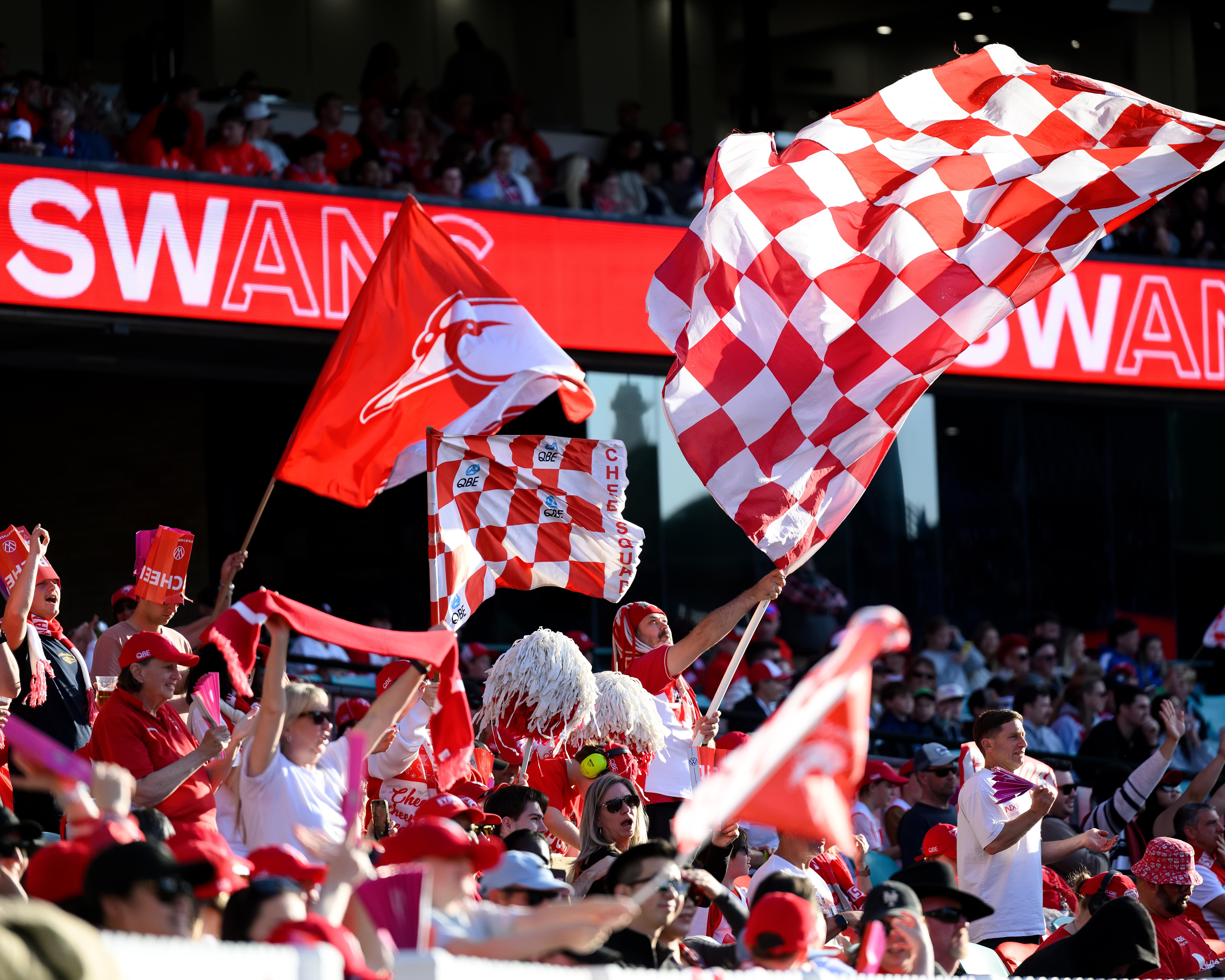
Five Sydney Swans players have been stood down for the remainder of the AFL season, including the finals, following a decision by the club that they breached internal standards. This move comes while a Victoria Police investigation into an alleged sexual assault remains ongoing. The incident has triggered a public debate regarding the boundaries between criminal liability, workplace conduct, and broader cultural norms in professional sport.
The allegations surrounding the incident include heavy drinking, the presence of adult entertainers, and women being brought to the team hotel during the lead-up to the finals. The Swans have maintained that their sanctions are separate from the criminal investigation, citing specific breaches of club standards. However, the precise rationale behind these standards—whether they relate to security, safeguarding, or a moral code—has not been explicitly detailed to the public.
At the time of writing, no formal charges have been laid, and the five players have reportedly denied any criminal wrongdoing. This distinction has prompted scrutiny from commentators and fans, who are questioning what specific line was crossed if no crime is ultimately proven. The uncertainty lies in whether the players’ actions constituted a specific contractual breach or a broader judgment call by the club’s administrators.
The public response has been heightened by the wider context of sexual violence in Australia, with statistics indicating that one in five Australian women has experienced sexual violence since the age of 15. This backdrop has made the community particularly sensitive to the intersection of footballers, alcohol, and alleged assault. Yet, as noted in analysis by sports broadcaster Rana Hussain, there is a risk of conflating the visceral public reaction with the specific facts of the case.
Hussain argues that the current discourse is entangled in three distinct conversations: the criminal line, the workplace line, and the cultural line. She suggests that if no criminal charges are laid, the public and the club must be able to articulate precisely what workplace or cultural standard was breached to justify the sanctions. Without this clarity, “standards” risks becoming shorthand for an inherited moral code rather than a defined set of professional expectations.
The debate also touches on the role of athletes as public figures. While some argue that footballers should not be held to the status of moral leaders, the industry often monetises their personalities and reputations. This creates a tension where the influence attached to the athlete is valued by brands but may be deemed irrelevant when that influence becomes inconvenient. As the police investigation continues, the distinction between what is illegal and what is culturally tolerated remains a central point of contention.