Albanese in Palau as Pacific leaders weigh climate and security threats
The annual summit is marked by the absence of several key leaders, with climate change, fuel shortages, and regional security dominating the agenda in Palau.
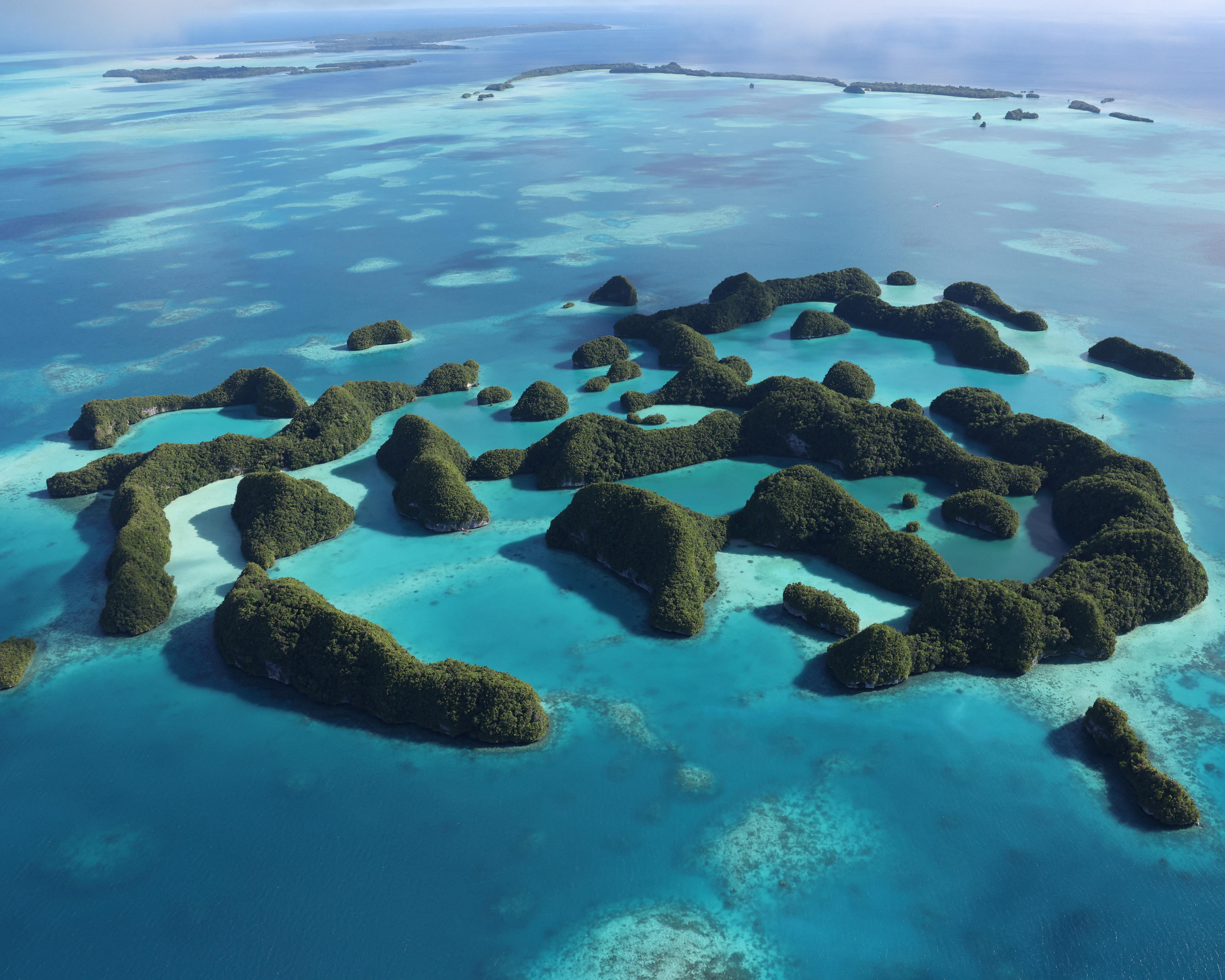
Australian Prime Minister Anthony Albanese has arrived in Palau for the annual Pacific Islands Forum, where climate change, regional security, and fuel shortages are expected to dominate the discussions. The summit is notably marked by the absence of several key leaders, including Solomon Islands Prime Minister Matthew Wale, who departed Palau hours after arriving to address a domestic leadership challenge. The leaders of Kiribati, Samoa, and Vanuatu are also not attending, while it remains unclear whether Fiji’s Prime Minister, Sitiveni Rabuka, will be present.
Regional security concerns have been heightened by recent geopolitical developments, including China’s launch of a nuclear-capable test missile in July that flew over multiple Pacific nations. The US-Iran war has further exposed the region’s heavy reliance on imported fossil fuels, with approximately 80 per cent of the region’s energy sourced from oil products. A new report indicates that Fiji’s annual refined fuel import costs could rise by US$375m (A$520m) if high oil prices persist, a figure exceeding the country’s entire healthcare budget.
Pacific nations are urging Australia, as the incoming president of the Cop31 climate talks, to reaffirm the 1.5C temperature goal and secure finance for island nations. In 2025, Earth was 1.44C warmer than the long-term average, and the world’s oceans are currently the warmest on record, fuelled by climate change and a rapidly intensifying El Niño event. Pacific countries are experiencing stronger cyclones, dying reefs, and ocean acidification, leading them to describe climate change as the single greatest threat to their security.
To address energy costs, Palau President Surangel Whipps Jr, the incoming chair of the Pacific Islands Forum, has stated that US$120m (A$166m) is needed to add 60MW of solar and battery storage. This investment would enable 90 per cent of Palau’s power needs to be met by renewables, aligning with the region’s goal to become the first in the world 100 per cent powered by renewables.
Australia has pursued a web of bilateral security deals with Pacific nations, including Tuvalu in 2023, Nauru in 2024, Papua New Guinea in 2025, and Vanuatu in 2026. These agreements aim to shore up Australia’s position as a Pacific security partner amid shifting dynamics, including Solomon Islands’ 2022 security deal with China.
Australia is also helping Fiji and Tuvalu host a pre-Cop summit in October, ahead of the Cop31 climate talks scheduled for November. Pacific negotiators are seeking new finance for a Pacific-owned climate fund to invest in community-scale adaptation projects, arguing that collaboration with the Pacific is crucial to Australian strategy in the region.