Author details how online scams have become an ambient condition of modern life
The Australian writer recounts specific incidents involving second-hand goods and unsolicited interview requests to argue that fraud is now a constant, alienating feature of daily existence.
Australian author Brigid Delaney has published an opinion piece in The Guardian reflecting on the pervasive nature of online scams and the resulting erosion of trust in digital interactions. Delaney, the author of five books including The Seeker and the Sage, uses a series of personal encounters to illustrate how fraud has become an ambient condition of contemporary life.
The article details a sequence of events beginning with an email purportedly from radio host Sally Sara, requesting an interview for Delaney’s 2009 book, This Restless Life. Delaney notes the request was suspicious due to the sender’s use of a Gmail account rather than an ABC address, and the irrelevance of the topic to Sara’s usual programming. Upon replying out of curiosity, Delaney received extensive forms designed to harvest personal data.
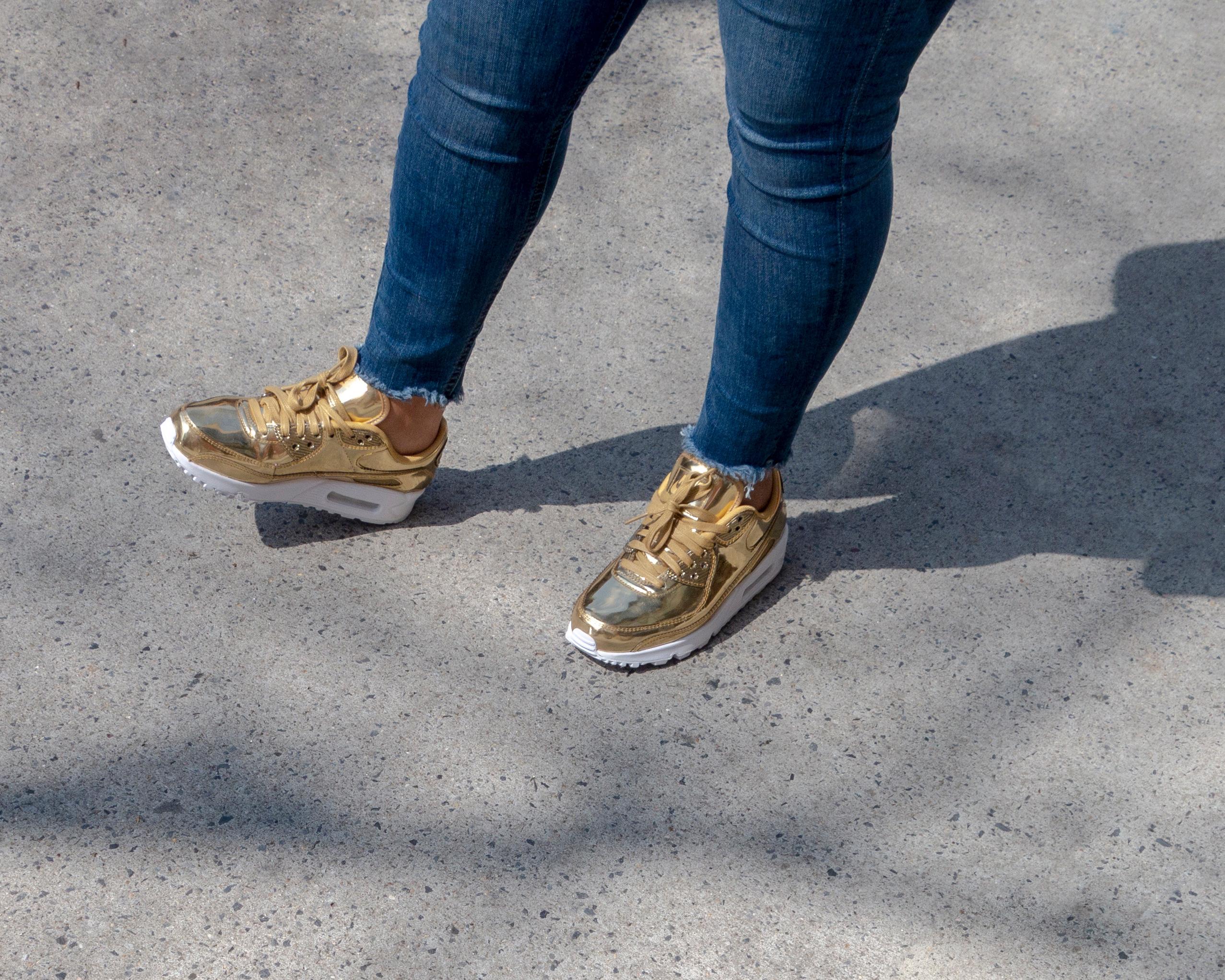
Simultaneously, Delaney describes purchasing second-hand gold trainers on Depop. While walking in Bondi Junction, the soles of the shoes detached, causing her to stumble and eventually walk barefoot to the station. She suspects the seller had glued broken footwear together to pass them off as barely worn, a deception that left her feeling physically compromised and socially exposed.
The narrative expands to include other fraudulent attempts, such as emails from a US television company and a US book club demanding payment for interviews or mailing list access. Delaney also references a prior impersonation attempt by someone claiming to be from the Australian Taxation Office seeking her tax file number, as well as a friend’s experience of a romance scam involving tens of thousands of dollars sent overseas.
Delaney argues that these incidents foster a profound sense of alienation, where individuals no longer assume others are trustworthy. She describes the emotional toll of being targeted as a "greasy, low-level unclean feeling," noting that scammers exploit human vulnerabilities such as the desire for recognition, security, and connection.
The piece concludes that scams are now so common they are internalised as a standard part of life, filtering every unknown number, marketplace purchase, and online message through a lens of suspicion. Delaney questions how one can determine what is real or honest in a society where even basic transactions and communications are pre-filtered by distrust.