One Nation’s Secret Harbour win highlights shift in Australian political engagement
A new by-election victory for Pauline Hanson’s party is being contrasted with the declining membership of the union movement, prompting questions about how Australians seek connection in an era of social atomisation.
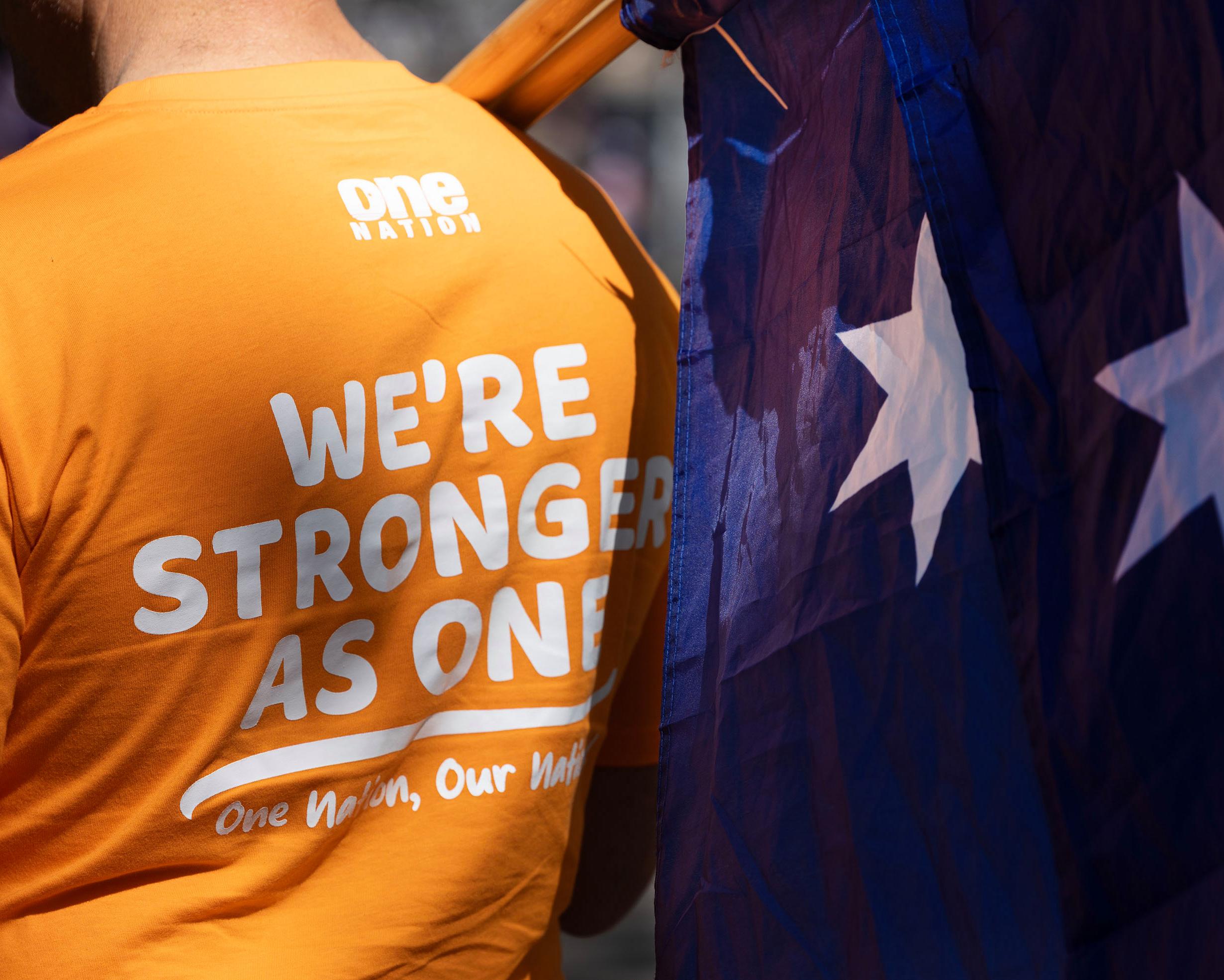
Pauline Hanson’s One Nation party has secured a victory in the Secret Harbour by-election, a result that commentators suggest reflects a growing public desire for belonging and shared identity. While the win may be attributed to the politics of anger and exclusion, analysis indicates it also points to a nostalgia for unity amidst increasing social isolation.
The timing of the election result coincides with a report from The Guardian Essential, which found that one-third of those surveyed have never joined any organisation in their lives. This data highlights a broader trend of social atomisation, accelerated by the growth of the gig economy, algorithmic sorting, and emerging artificial intelligence applications that reduce citizens to individual universes.
This political shift is occurring against the backdrop of a significant transition within the Australian union movement. Sally McManus and Michele O’Neil are stepping down after close to a decade of leadership, handing over to a new generation. The union movement, which peaked at representing approximately 60 per cent of the workforce in 1975, now sees private-sector coverage in the single digits.
Despite low membership density, public opinion polls suggest that 60 per cent of Australians still view unions as important for working people. The movement is currently navigating a contradictory position, holding deep institutional influence within the current centre-left government while struggling with historically low participation rates.
The coming battle over artificial intelligence adoption is expected to be fought on multiple fronts, including the workplace. Critics note that One Nation’s 30-year parliamentary record has often sided with big business, whereas the union movement offers a structured foundation for resisting technological disruption and elite power.
Other sectors are also entering the debate, with the Catholic church, gender advocates, and environmental groups raising concerns about datacentres and algorithmic control. As these movements converge, the focus remains on whether Australians will join organisations to reclaim agency or cede the common ground to populist narratives.