ScienceDraft
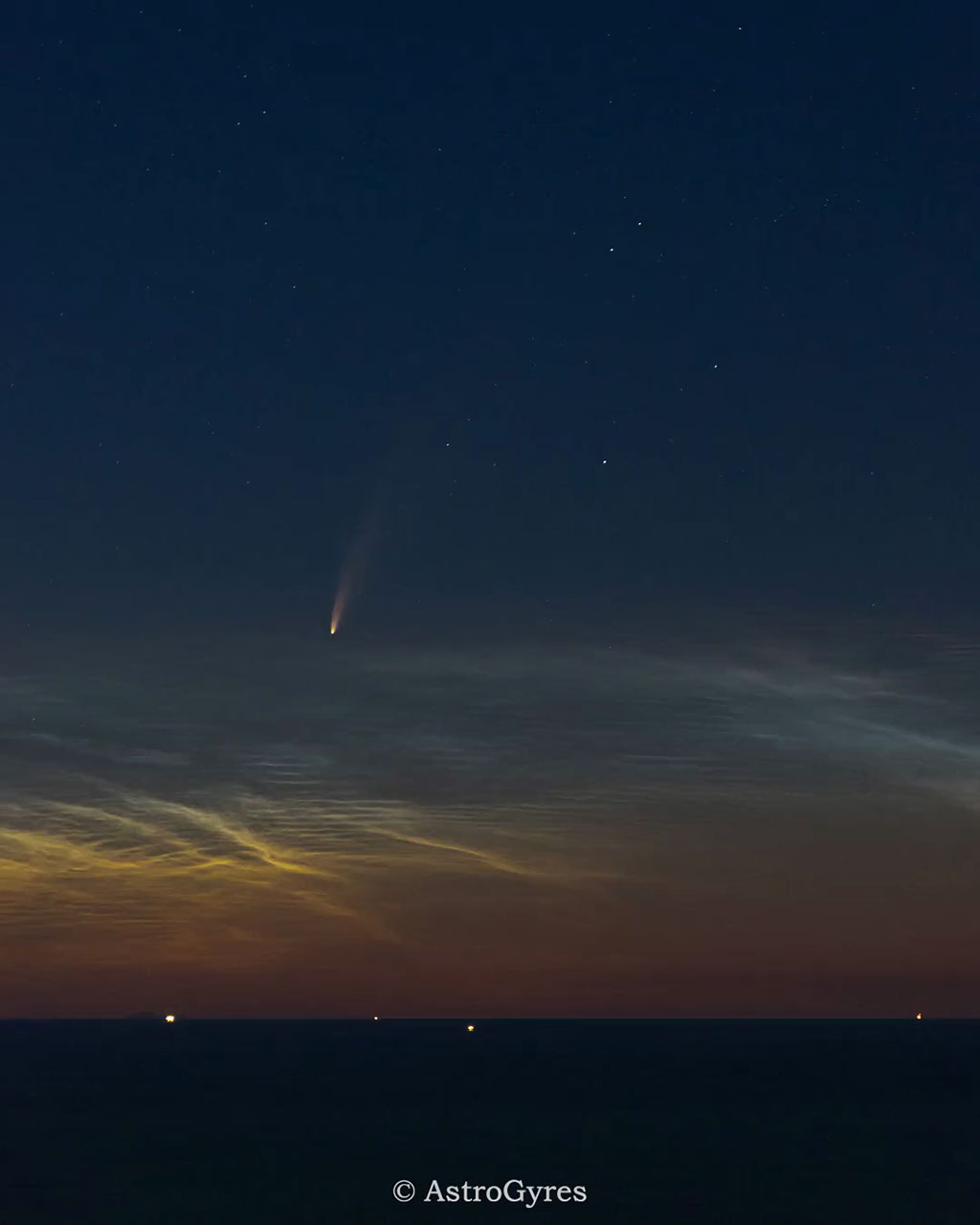
NASA revisits Comet NEOWISE rising over Italy’s Adriatic Sea
A time-lapse assembled from more than 240 images captures the Great Comet of 2020 before dawn during its 2020 apparition.
Science DeskRead story
Research, discovery, space, energy systems, and the breakthroughs redrawing what is possible.
A time-lapse assembled from more than 240 images captures the Great Comet of 2020 before dawn during its 2020 apparition.
Artifact InSPECtor will use volunteer observations to improve artificial-intelligence tools working with data from Euclid and, from early 2027, NASA’s Nancy Grace Roman Space Telescope.
Combined observations from Chandra, Hubble and Webb show black hole activity, hot gas and dust-shrouded stellar nurseries in the rapidly merging system.
The four astronauts are scheduled to speak from the International Space Station on 16 September, before returning after Crew-13 arrives.

NASA says data from Moon rock samples, lunar datasets and Artemis discoveries will be shared with the global scientific community under the Artemis Accords.

An astronaut photograph shows Mexico’s Monterrey alongside the Sierra Madre Oriental, the Río Santa Catarina and surrounding nature reserves.

A ground-based telescopic image captures the spiral galaxy’s dust lanes, star-forming regions and X-ray-bright core.

A presidential commission has begun work on the proposed academy, while NASA asks states to submit hosting proposals by 26 October.

Djibouti is due to sign the Artemis Accords at a NASA ceremony in Washington on 14 September.

A registered personal locator beacon transmitted the crew’s location through the NASA-supported SARSAT search-and-rescue system after their fishing boat sank offshore.

NASA’s new Inspiration Tour will feature planned aircraft flyovers, astronaut appearances and fan engagement at selected NFL games before concluding at a Florida exposition in November.

NASA’s James Webb Space Telescope has identified oxygen-rich silicate dust and, for the first time, water in the envelope of IRS 3, a star near the end of its life cycle within the Sagittarius A* starfield.

LDN 1295 is a dark nebula in Cassiopeia, where dust and gas obscure the stars behind it.

NASA’s Terra satellite captured a dust storm over Mali on 5 September, with aerosols later moving westwards over the Atlantic Ocean.
The rocket service has been added to NASA’s Launch Services II contract, but no mission or launch date has been announced.
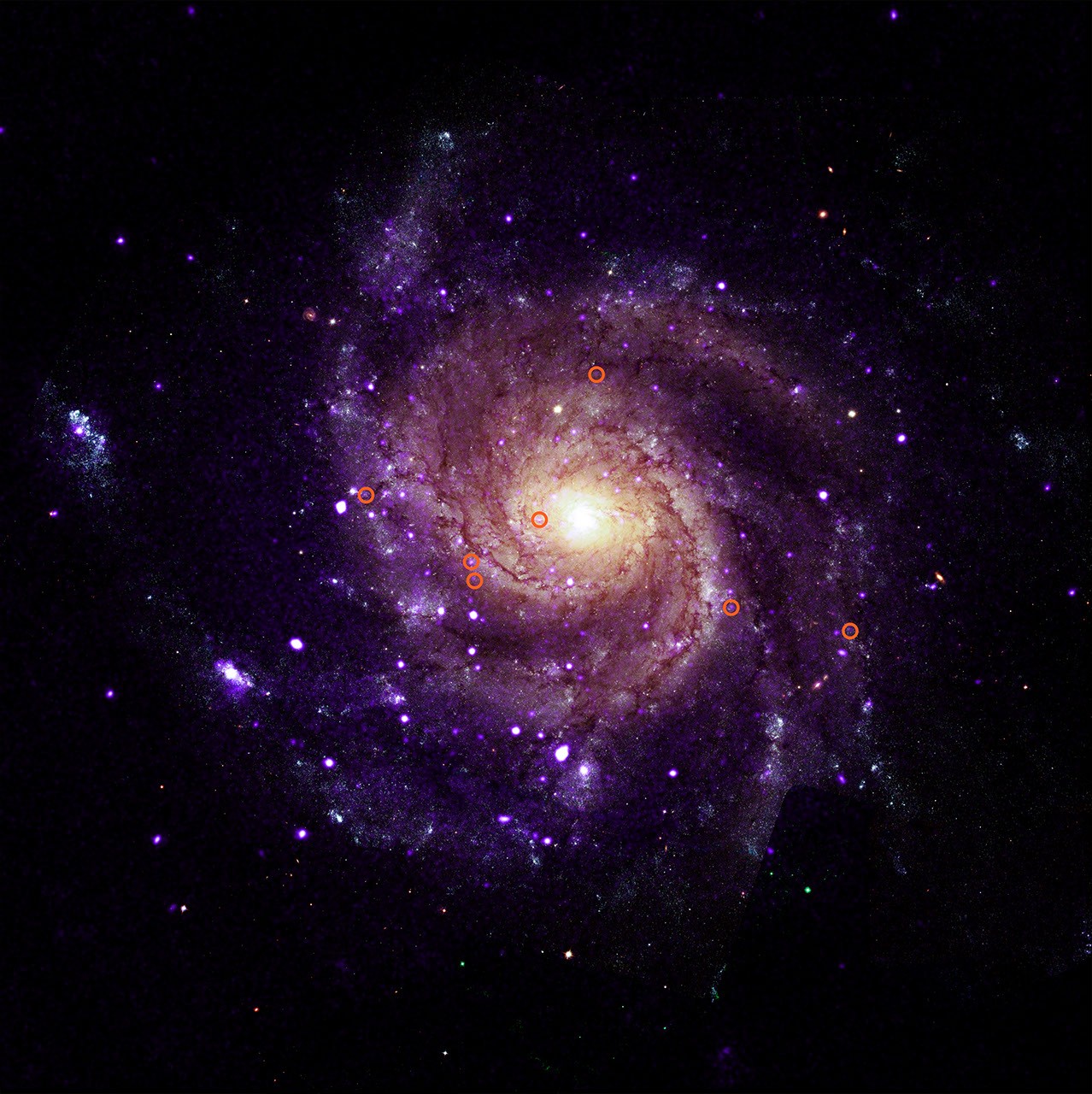
The unusual objects emit very low-energy X-rays and intense ultraviolet radiation, but their physical nature remains uncertain.
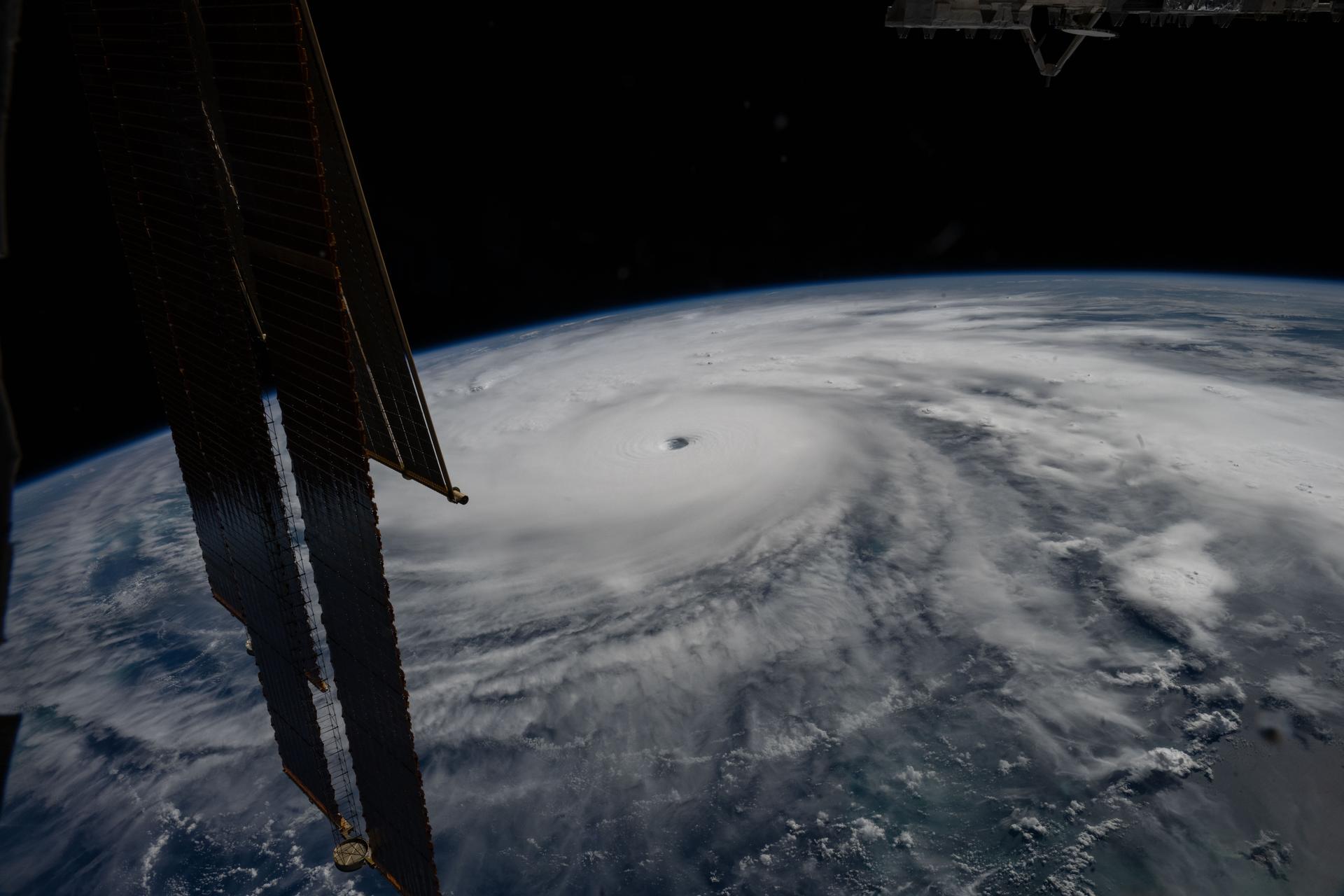
NASA and European partners are using two satellites to measure sea level, ocean heat and atmospheric conditions, with the data intended to strengthen hurricane-intensity forecasts.

The four astronauts visited NASA’s Marshall Space Flight Center in Huntsville on 1 September to discuss their lunar mission and answer questions from staff.

The astronauts will continue training and mentoring NASA staff after their lunar mission while pursuing other opportunities.

The rover has climbed more than 1 kilometre above its landing site while investigating a wind-formed ripple on Mount Sharp.

A more than 24-hour eruption sent ash and gas high into the atmosphere, while intermittent eruptions continued after the main explosive phase subsided.

Jaden Caradine’s path from the US Marine Corps to aerospace engineering has led to a NASA Pathways internship focused on in-space servicing, assembly and manufacturing.

The NextSTEP-3 solicitation targets power generation, oxygen extraction and lunar materials production for missions near the Moon’s South Pole.

The N44 nebula features a central void roughly 210 by 140 light-years across, surrounded by dense, dusty gas.

A contrast-enhancing technique developed through NASA Jet Propulsion Laboratory work has helped researchers identify faint paintings and other archaeological details.

More than 1,000 people attended a free event at the University of Georgia Aquarium, where SEAL partners demonstrated sea-level projections and resilience strategies.

Observations of 27 faint trans-Neptunian objects suggest their surfaces have changed less through collisions than expected, while very small bodies are rarer than some models predicted.
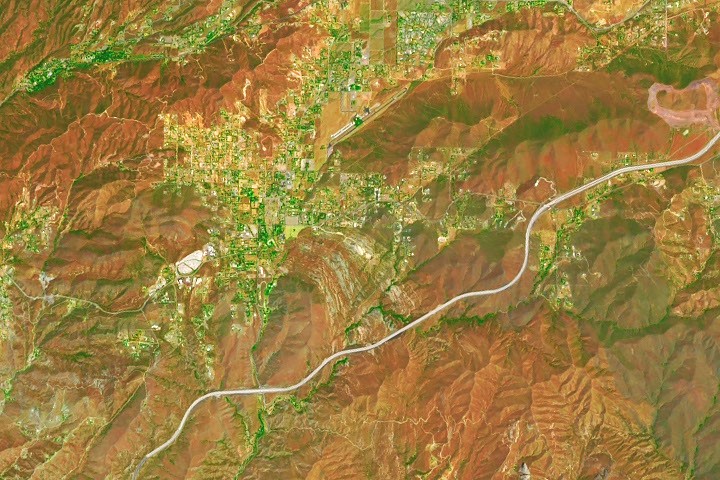
Sedimentary layers in Southern California’s Soledad Basin tilt at an average of about 50 degrees after millions of years of deposition, tectonic deformation and erosion.
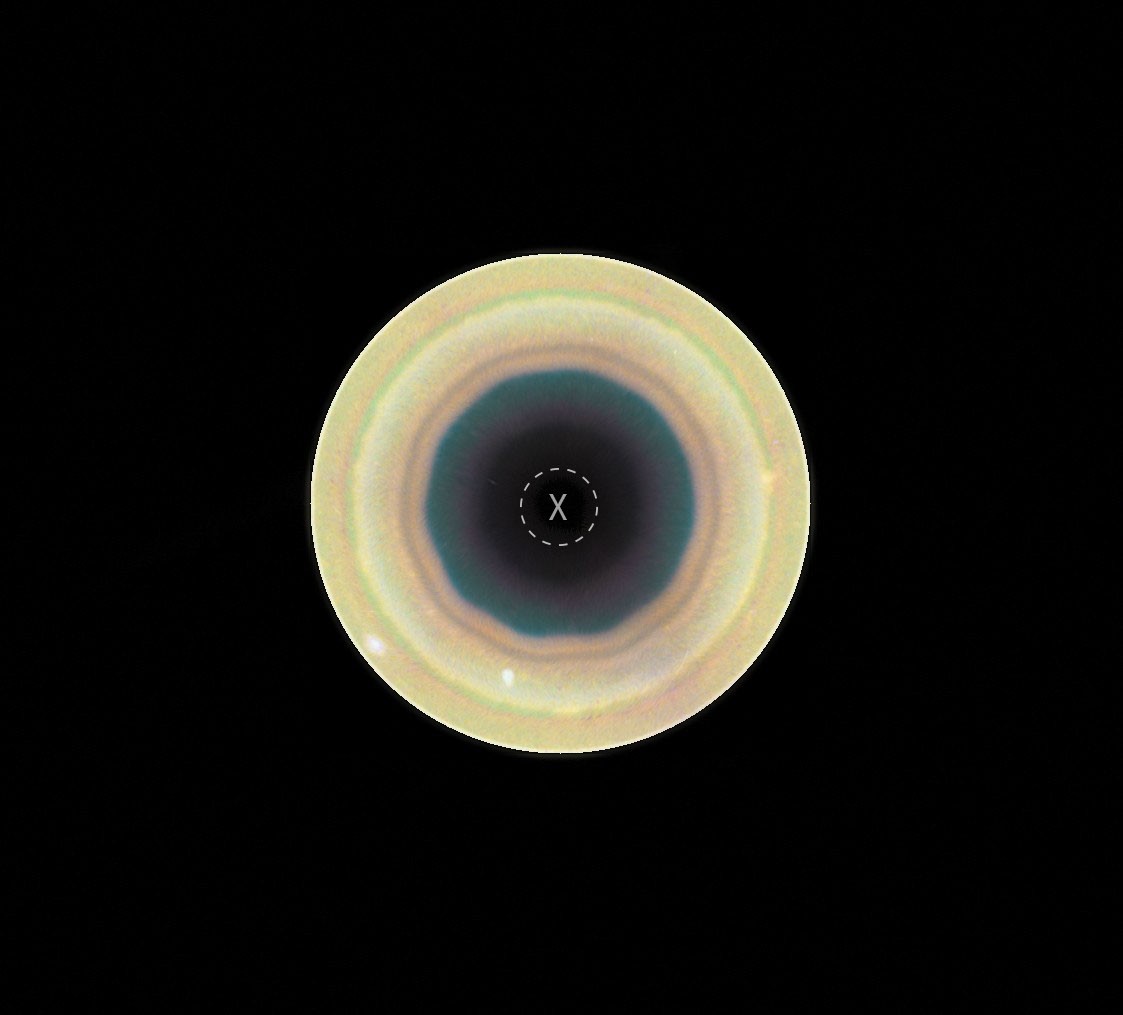
NASA’s Astronomy Picture of the Day has featured Hubble observations of a decagonal cloud pattern, whose cause and long-term stability remain under study.
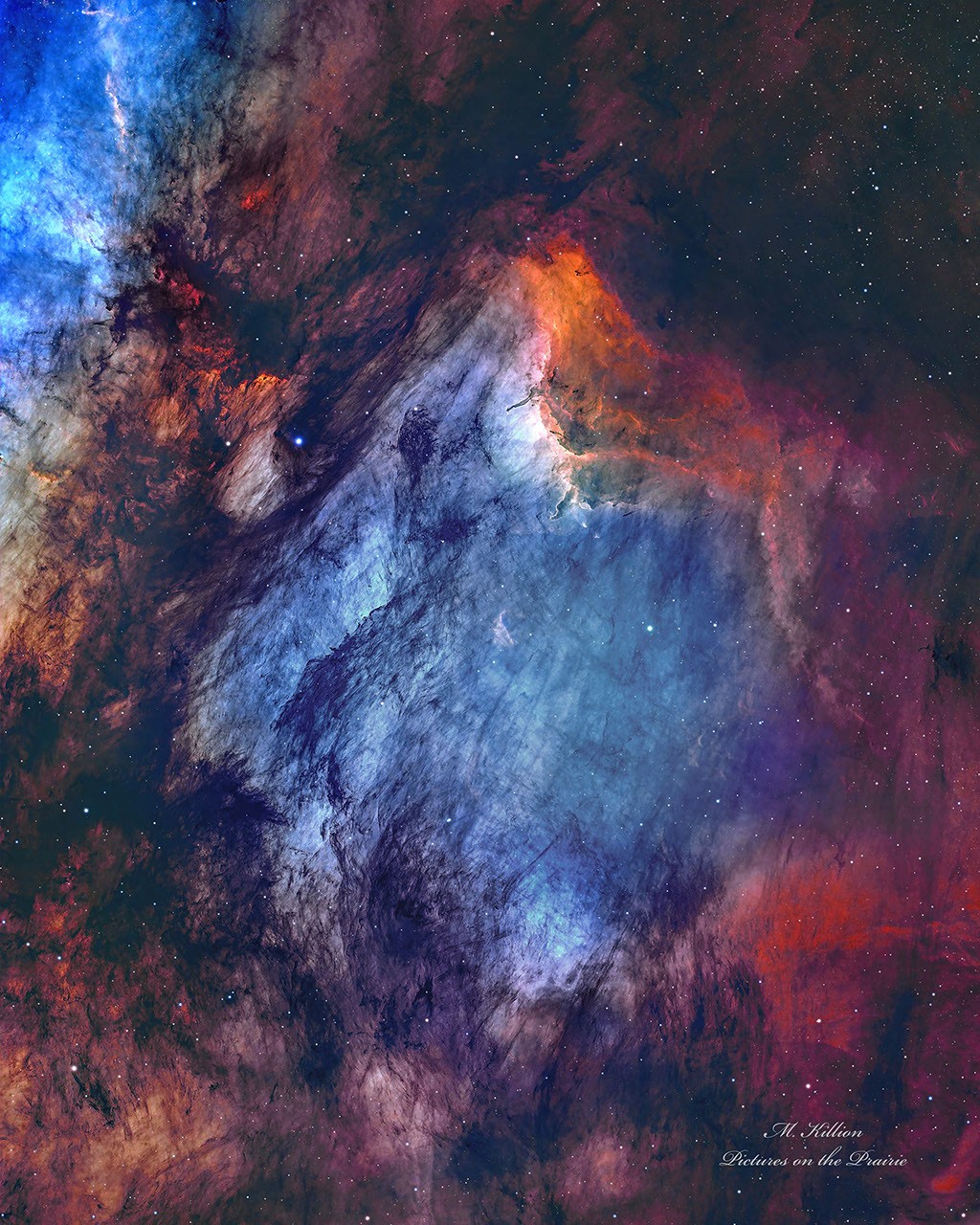
A 25-hour exposure from Utah reveals the gas, dust and star formation shaping IC 5070.
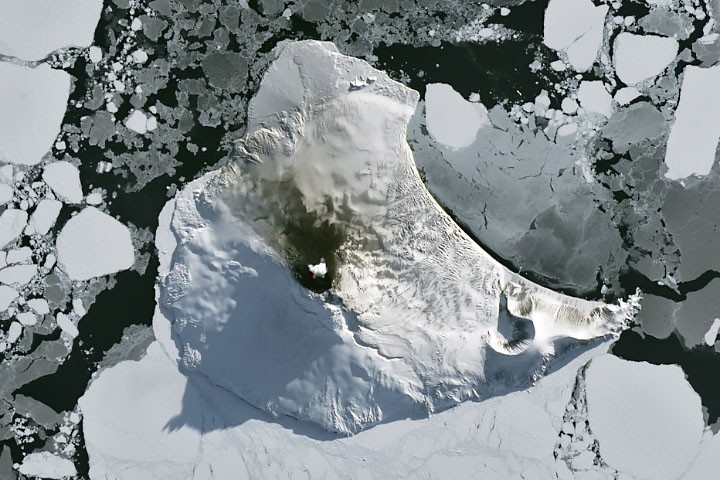
A clear Landsat 8 image shows summit heat, a volcanic plume and darkened snow on Saunders Island in the South Atlantic.
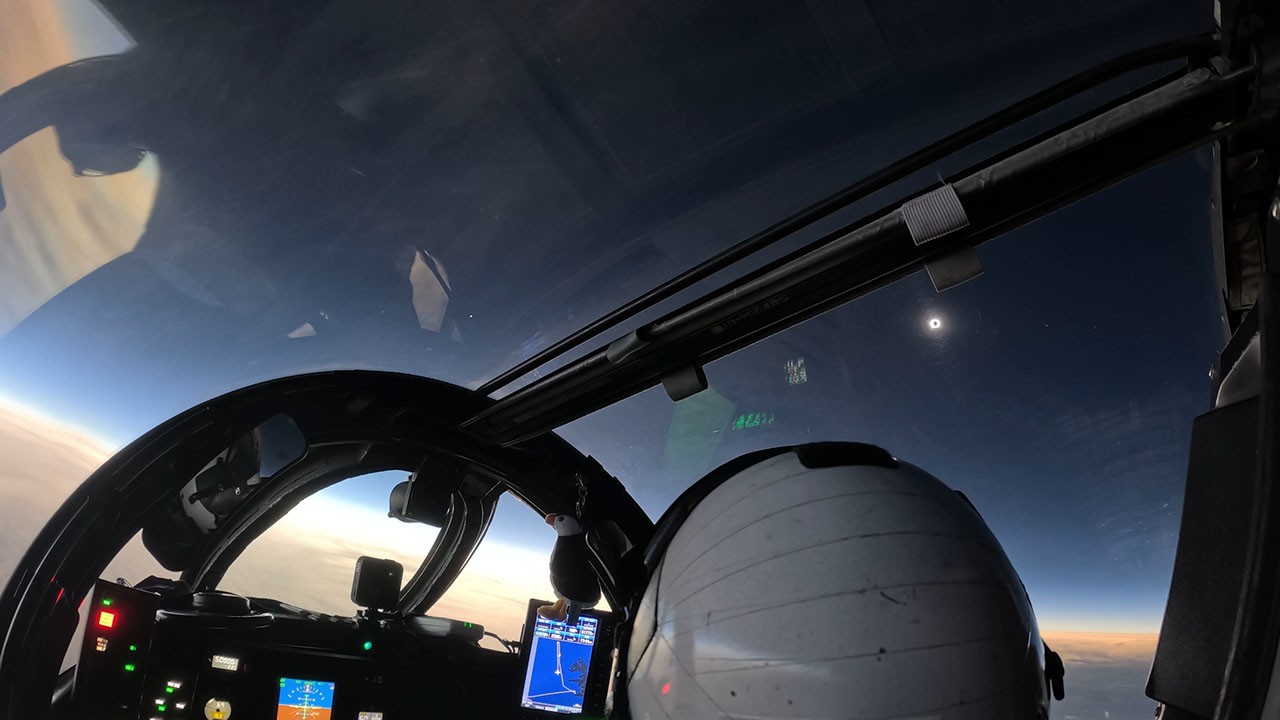
A WB-57F research aircraft flew at 50,000 feet along the Moon’s path of totality, recording the eclipsed Sun above clouds and atmospheric interference.
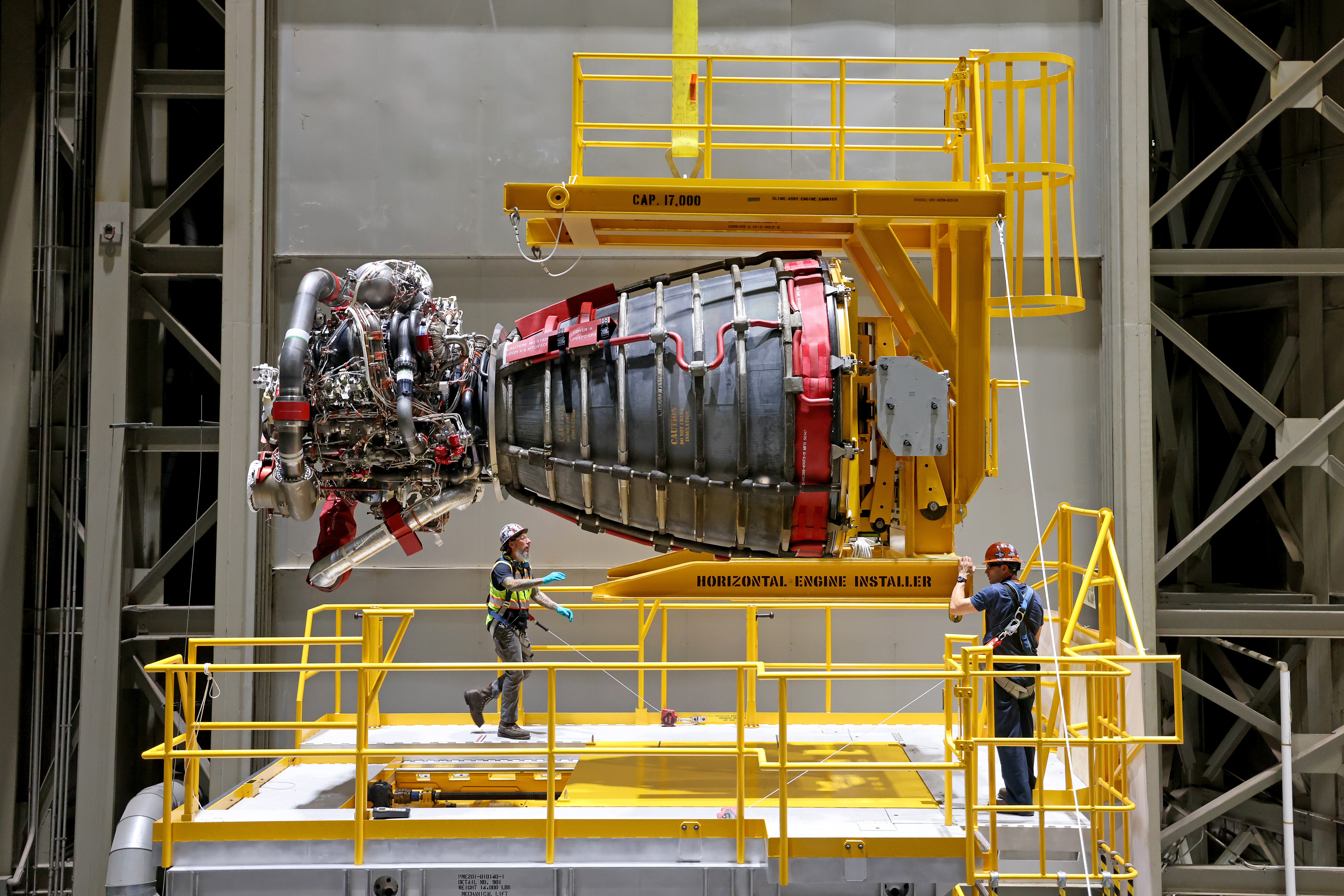
A two-hour virtual event will feature audio-described footage of the RS-25 engine and a dedicated panel on accessibility in space exploration.
Controlled fires using a propane-fuelled simulator will be visible to drivers on U.S. Highway 101 from 8 to 11 September 2026.
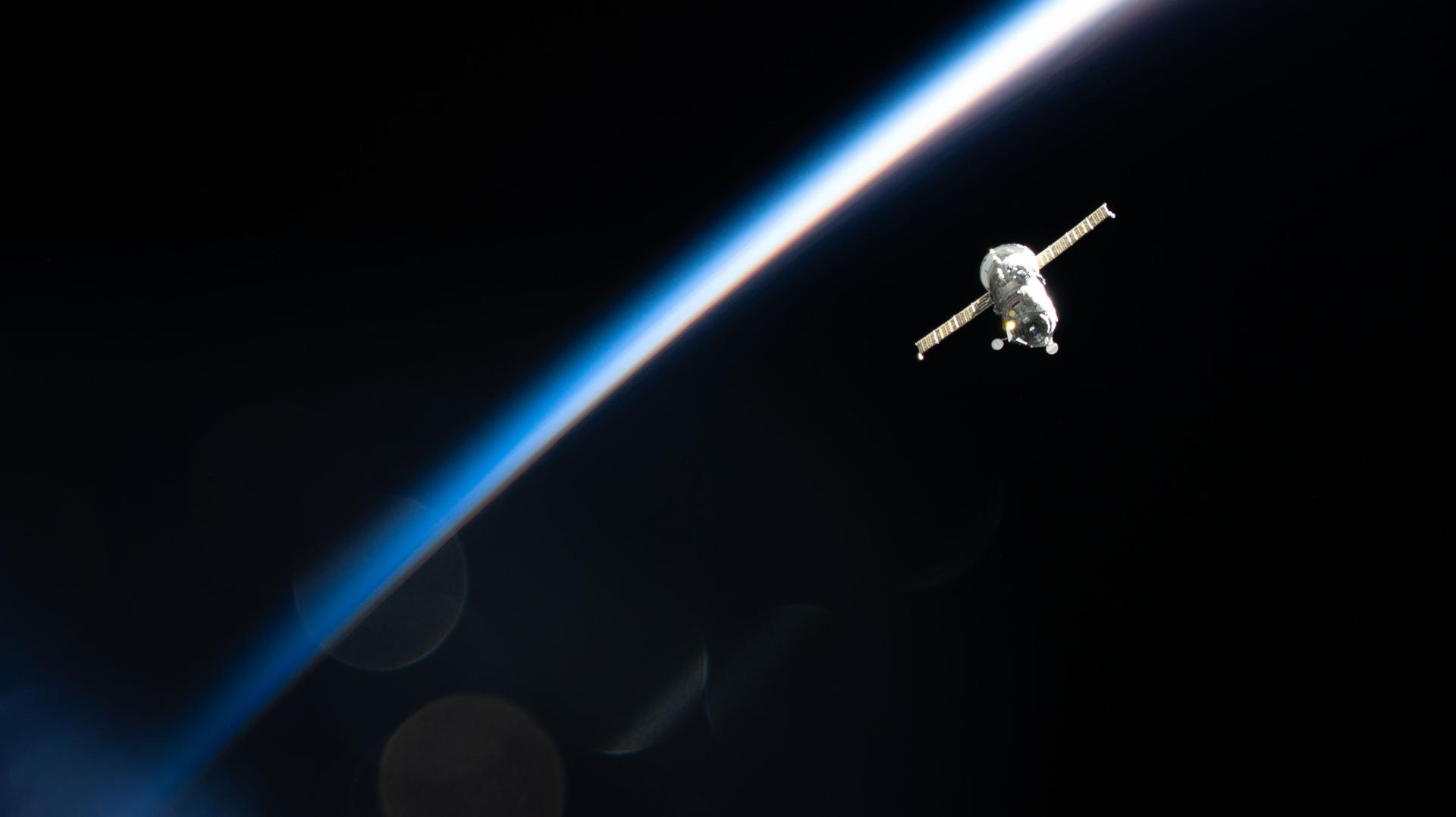
NASA will broadcast live coverage of the Soyuz rocket launch and subsequent autonomous docking of the Progress 96 cargo spacecraft, which is carrying three tonnes of supplies to the orbiting laboratory.
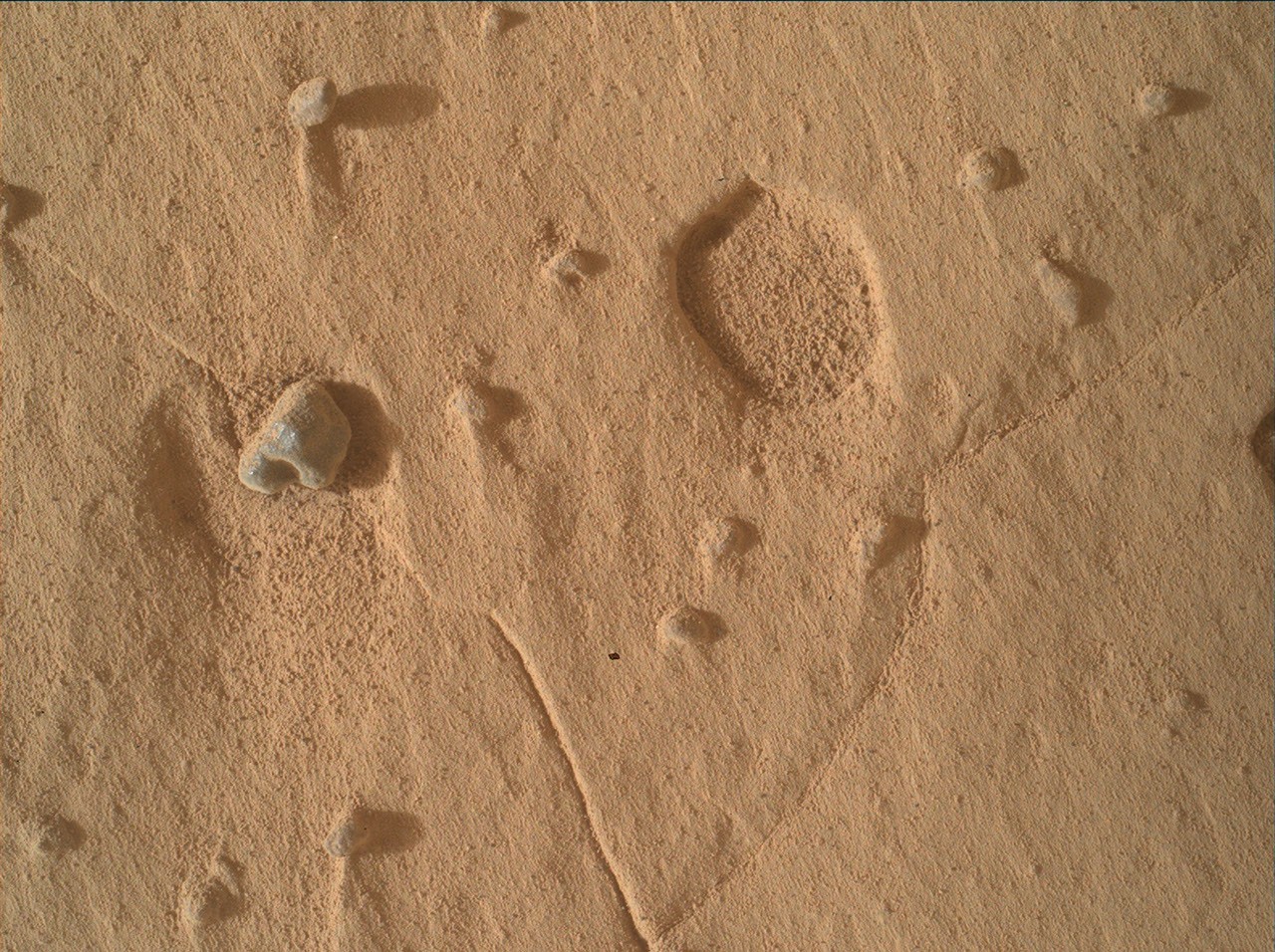
After 14 years on the surface, the rover has documented broad, shallow bedrock pits that differ from typical weathering voids, alongside a regional dust storm that appeared to be dissipating.
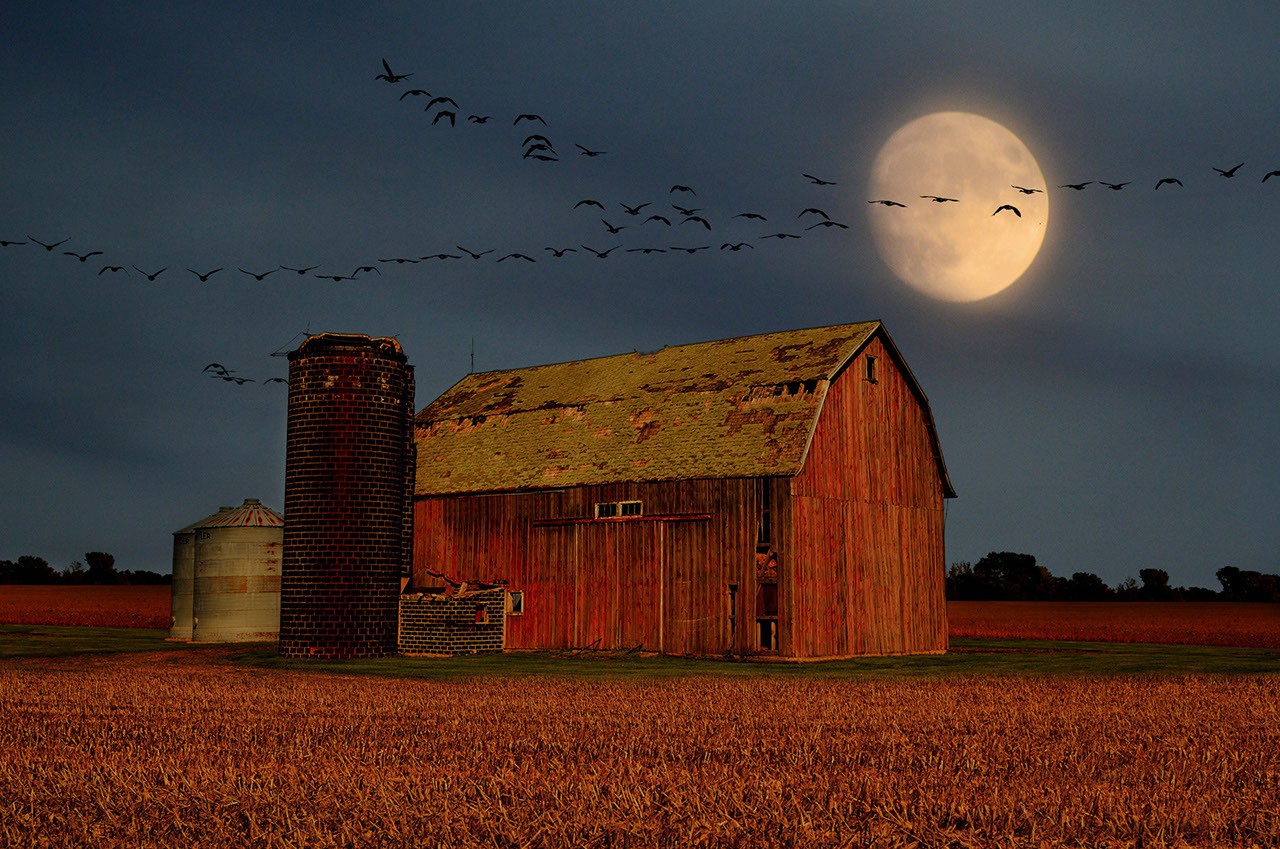
The US space agency’s monthly guide highlights Venus at peak brilliance, the September equinox, and a rare planetary alignment involving Saturn and Neptune.
The US space agency has awarded Jeff Bezos’ company a firm-fixed-price contract to develop a next-generation system that will provide high-bandwidth communications and navigation services for current and future missions to the Red Planet.
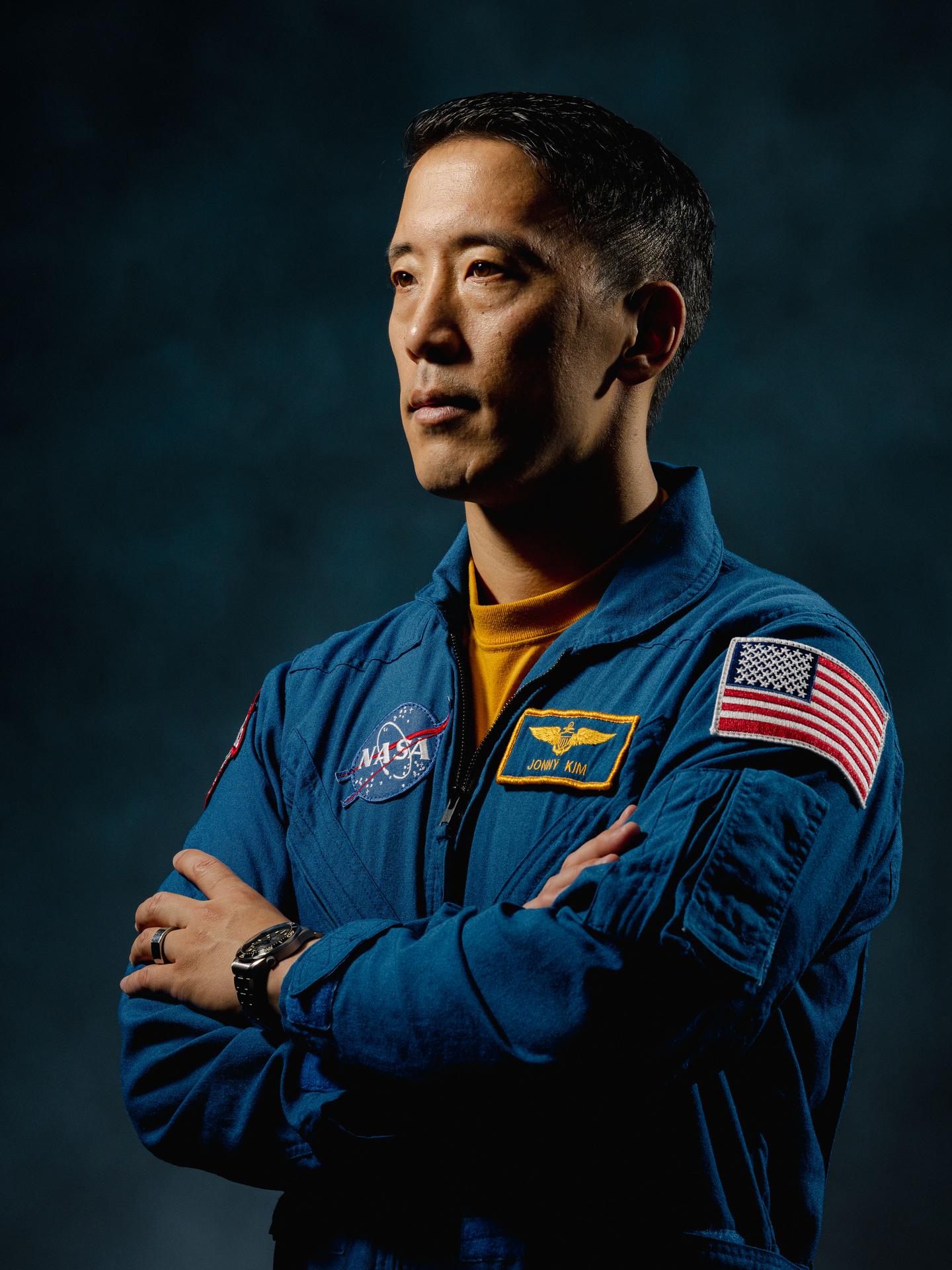
After nearly a decade at NASA, including an eight-month expedition to the International Space Station, Jonny Kim is returning to active duty as a lieutenant commander in the U.S. Navy.
Back-to-back winter storms have delivered unprecedented snow and rain to the hyper-arid Atacama Desert, disrupting major observatories and causing widespread flooding in northern Chile.
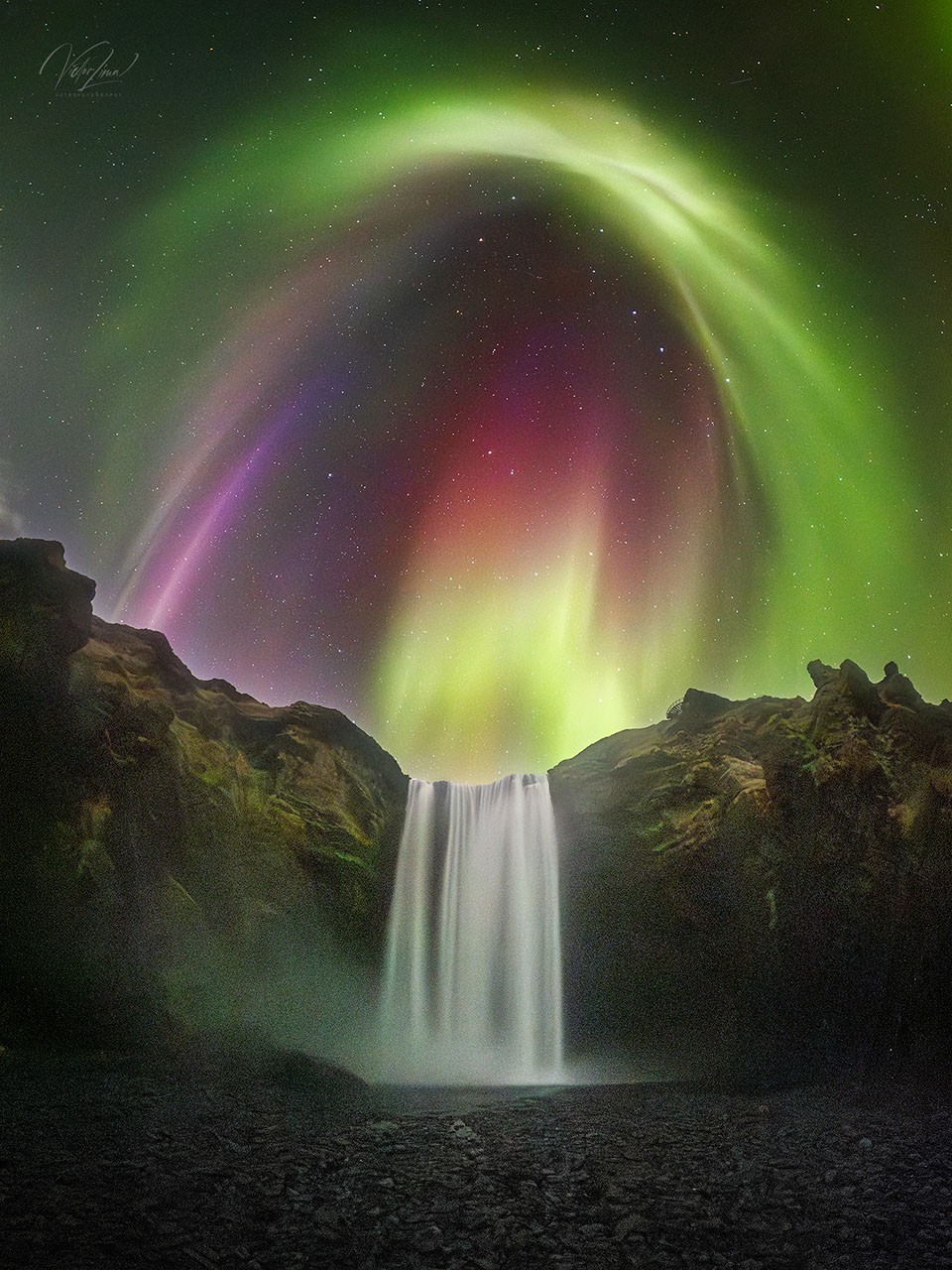
A photograph captured in April 2025 has been selected for NASA’s Astronomy Picture of the Day, illustrating the complex atmospheric physics behind the northern lights.
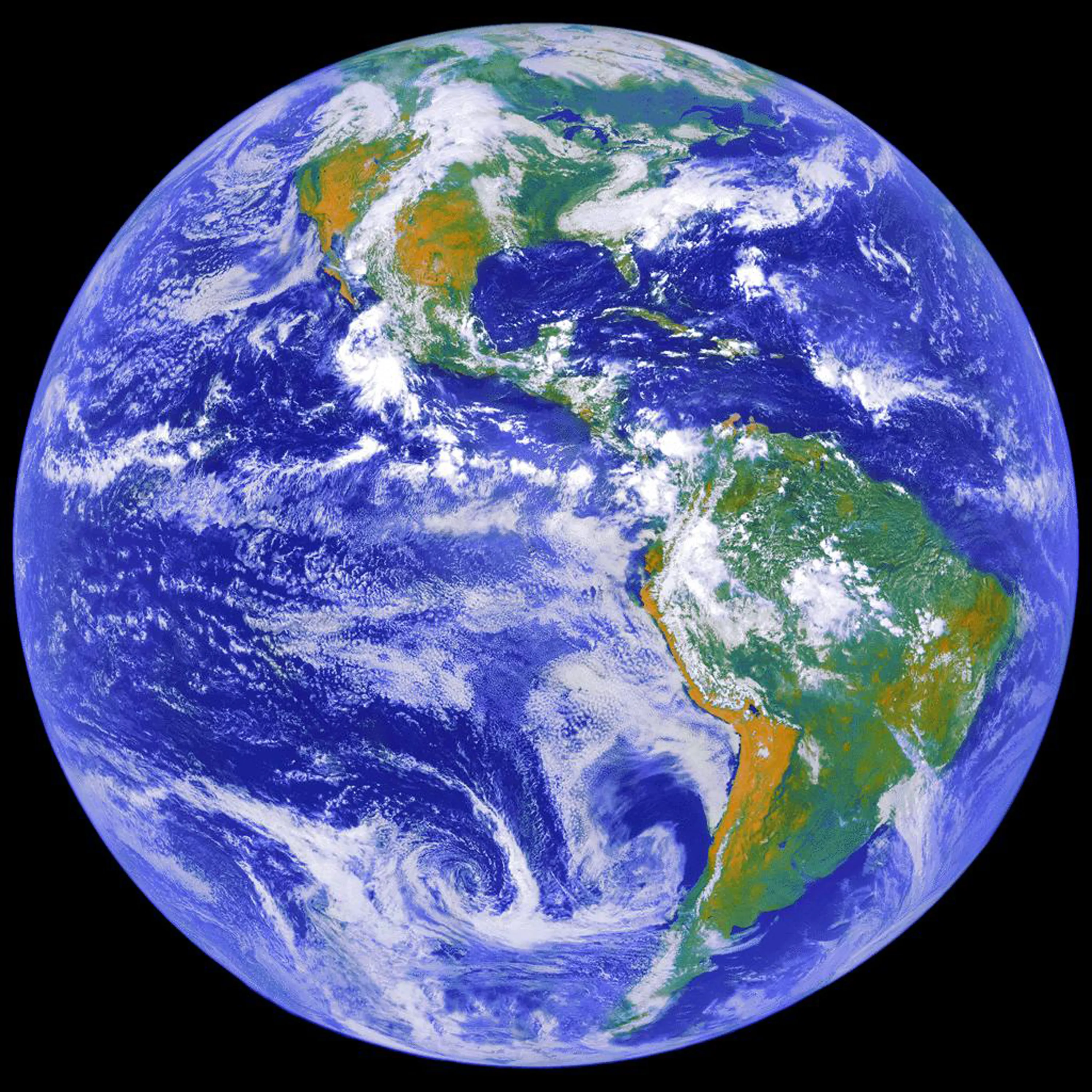
Lindsey Jacobson is developing analysis tools at NASA’s Langley Research Centre to help the agency anticipate disruptions in its Earth-observing satellite portfolio and maintain continuous data delivery.
The Nancy Grace Roman Space Telescope has been transported to the SpaceX hangar at Kennedy Space Center, positioning it for a launch targeted for no earlier than 30 August 2026.
A high-altitude WB-57F flight over the North Atlantic captured critical infrared data during the August total solar eclipse, offering new insights into the Sun’s unexpectedly hot outer atmosphere.
Engineers at NASA’s Langley Research Center are firing propulsion systems into simulated lunar regolith to understand how engine plumes interact with the Moon’s surface, a key step for the Artemis IV mission.
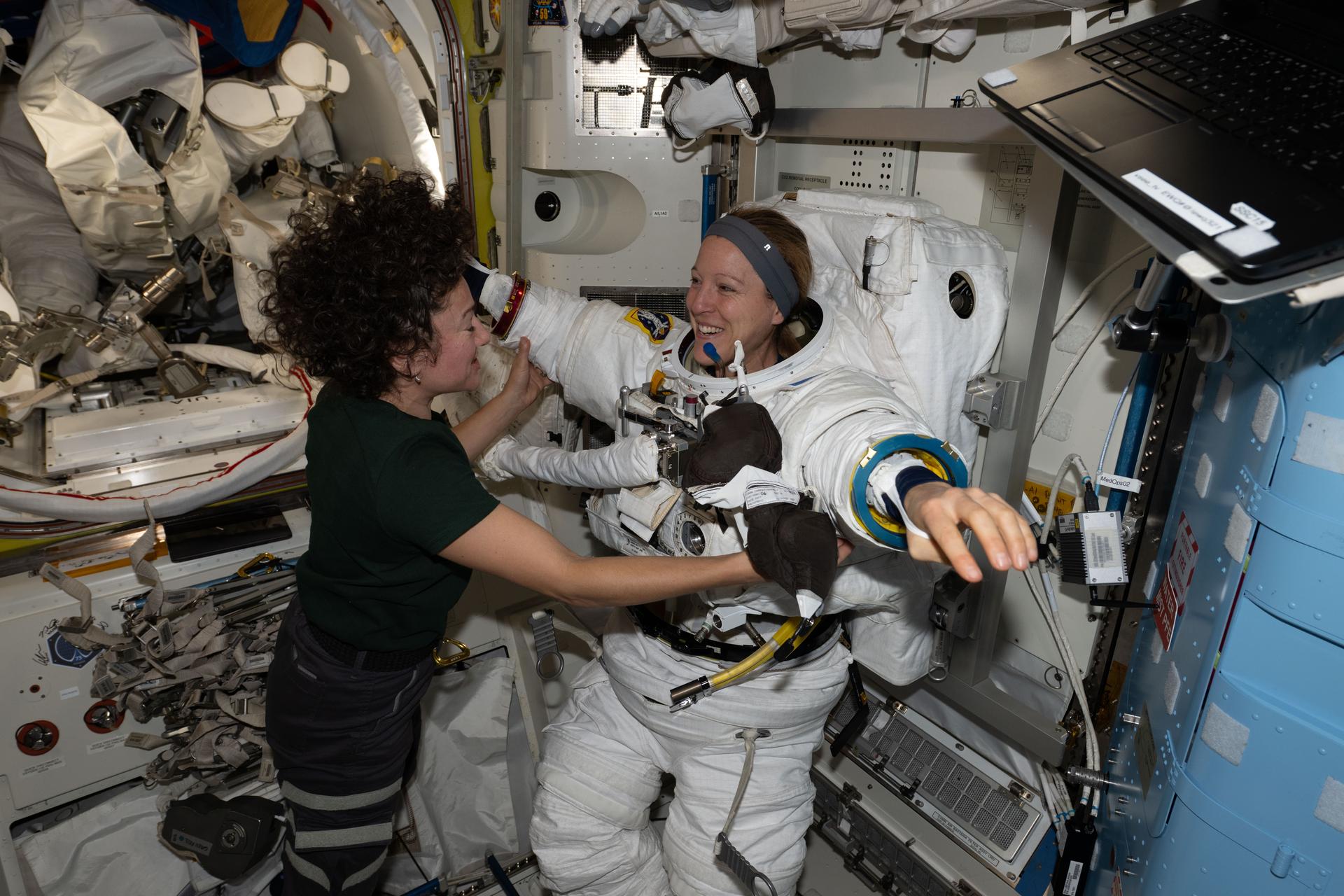
Astronauts Jessica Meir and Sophie Adenot will exit the station on 1 September to replace a navigational aid and perform critical system upgrades.
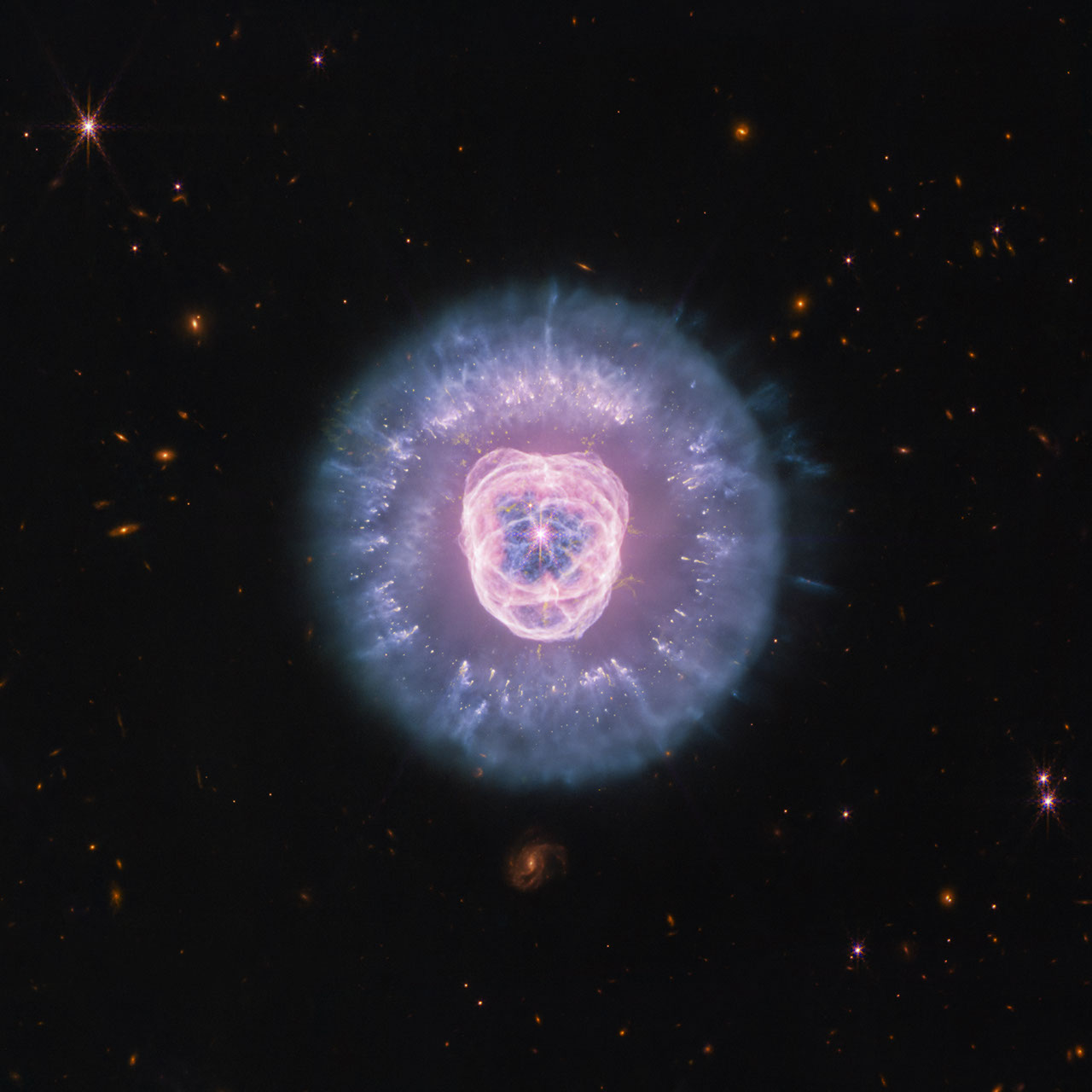
A composite image released by NASA offers a sharper look at the planetary nebula NGC 2392, providing new insights into the fate of Sun-like stars.
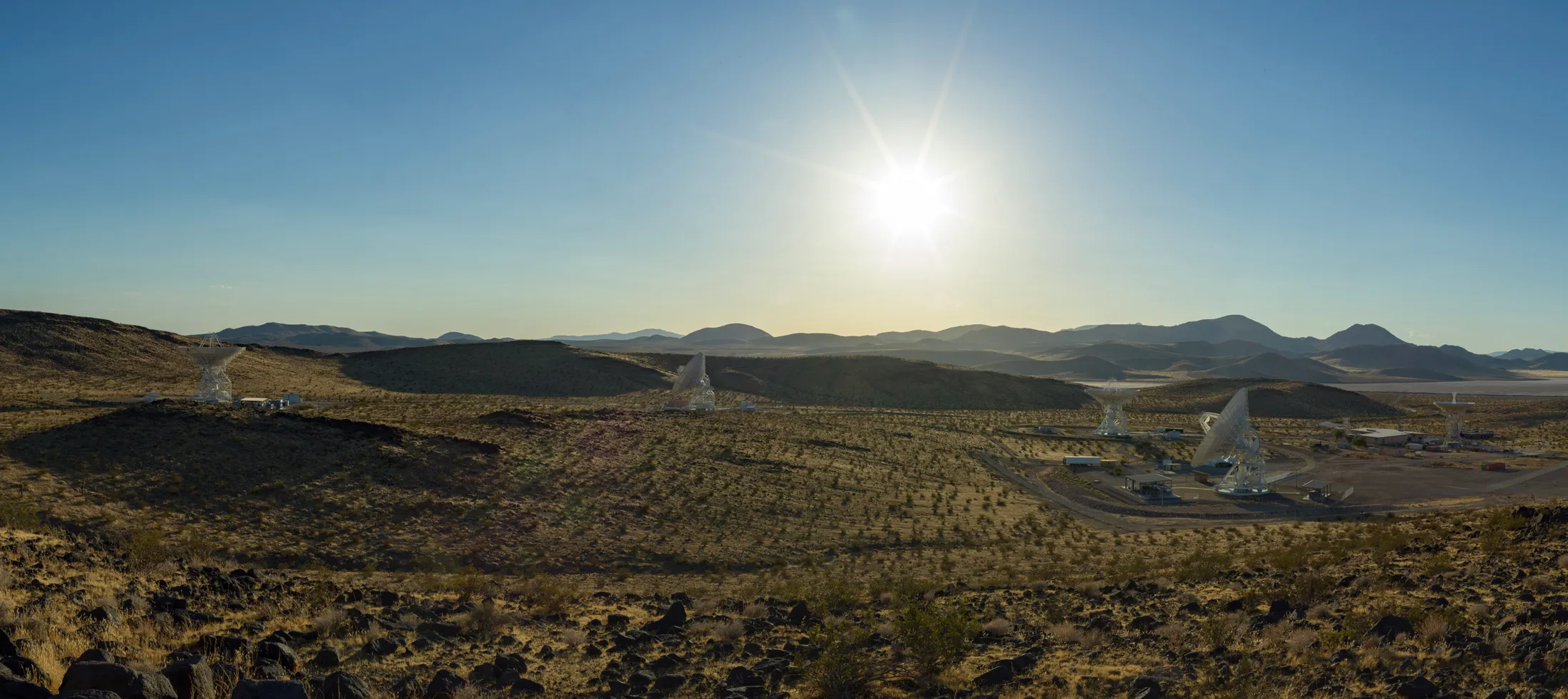
The new Deep Space Station 23 at the Goldstone complex marks a significant step in modernising the network, supporting over 40 spacecraft with advanced beam-waveguide technology.