NASA outlines key skywatching events for September 2026
The US space agency’s monthly guide highlights Venus at peak brilliance, the September equinox, and a rare planetary alignment involving Saturn and Neptune.
NASA has released its monthly skywatching guide for September 2026, providing observers with specific dates for a series of notable astronomical events. The guide, presented by Raquel Villanueva from NASA’s Jet Propulsion Laboratory, details opportunities to observe the Moon, Venus, and several planets, alongside the seasonal shift marked by the September equinox.
From 14 to 20 September, the guide advises observers to use the Moon as a reference point to locate celestial landmarks in the evening sky. Approximately an hour after sunset, the Moon will appear in the southern sky, passing near Antares, a bright reddish star that marks the heart of the constellation Scorpius. It will also move close to the Teapot asterism in the neighbouring constellation Sagittarius. Under especially dark skies, observers may detect hazy steam rising from the Teapot’s spout, a feature that points towards the centre of the Milky Way galaxy.
Venus is predicted to reach its peak brilliance on 18 September. On this date, the planet will shine at its brightest during its current evening appearance, standing out as a brilliant point of light low above the western horizon shortly after sunset. A clear view of the western horizon is recommended to catch the planet before it sets.
The following day, on 19 September, the world will observe International Observe the Moon Night. This global event invites people to look up and connect with the Moon while learning about lunar science, exploration, and its cultural significance. NASA encourages participants to find local events or join in from home via its online resources.
On 22 September, the September equinox will occur, marking the start of autumn in the Northern Hemisphere and spring in the Southern Hemisphere. During the equinox, the Sun is directly above Earth’s equator, resulting in day and night being close to equal in length around the world. Following this date, daylight will continue to shorten in the Northern Hemisphere and lengthen in the Southern Hemisphere.
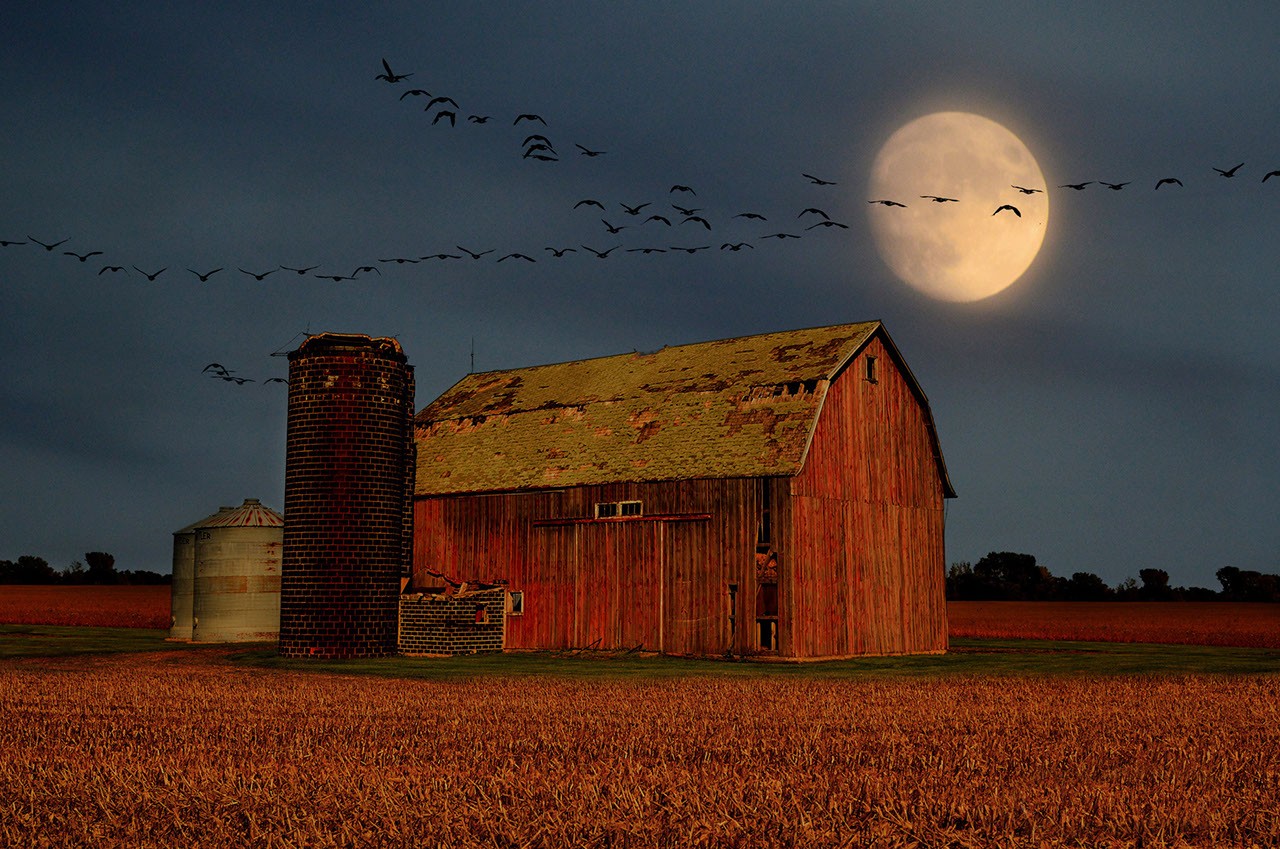
The month concludes with a notable planetary alignment on 26 September. The Harvest Moon will rise in the east shortly after sunset, accompanied by Saturn and Neptune. While Saturn is visible to the naked eye, Neptune is significantly fainter at approximately magnitude 8. Observers will need binoculars or a telescope, along with good observing conditions, to spot the distant planet, which completes a wide triangle in the sky with the Moon and Saturn.